Tomb of Saint Peter
Apostolic burial siteYes, at the Confessio above the tomb
Vatican Scavi Office · Fabric of Saint PeterSt. Peter's Basilica is the great apostolic shrine of Rome: a papal basilica, a monument of Christian art, and a pilgrimage church built around the tomb of Saint Peter.
Come here for the apostolic heart of Rome: Peter's tomb, the papal altar, the Vatican Grottoes, Michelangelo's Pietà and dome, Bernini's Baldachin, and the living prayer of the universal Church.
Pilgrimage to Peter's tomb began in the ancient Vatican burial ground. Constantine's basilica marked the site in the fourth century, and the present basilica rose across the Renaissance and Baroque periods as the major shrine of the Apostle Peter.
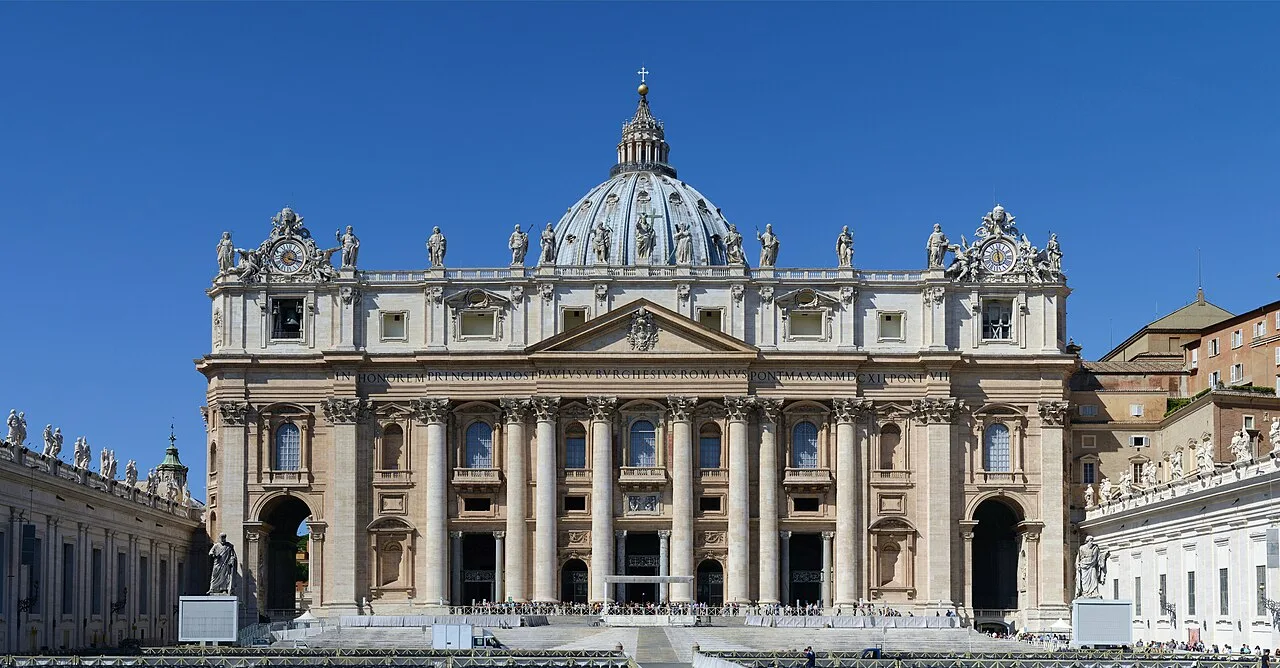
The building gathers the work of Bramante, Michelangelo, Maderno, Bernini, and many others into one immense liturgical space, orienting the visitor toward the Confessio, the altar, and the apostolic tomb beneath.
Use three anchors for the first reading: tomb, axis, and prayerful scale. They keep the visit from dissolving into spectacle or mere architectural admiration.
Do not let the facade or scale become the first meaning. The basilica is built around Peter's tomb and the papal altar above it.
Read the nave, Baldachin, Confessio, dome, and chair as one line of apostolic memory rather than separate masterpieces.
The basilica is immense, but its purpose is specific: Catholic prayer at the tomb of Peter and the liturgy of the universal Church.
The present basilica was begun in 1506 and consecrated on November 18, 1626.
The basilica stands over the ancient Vatican burial ground associated with Saint Peter.
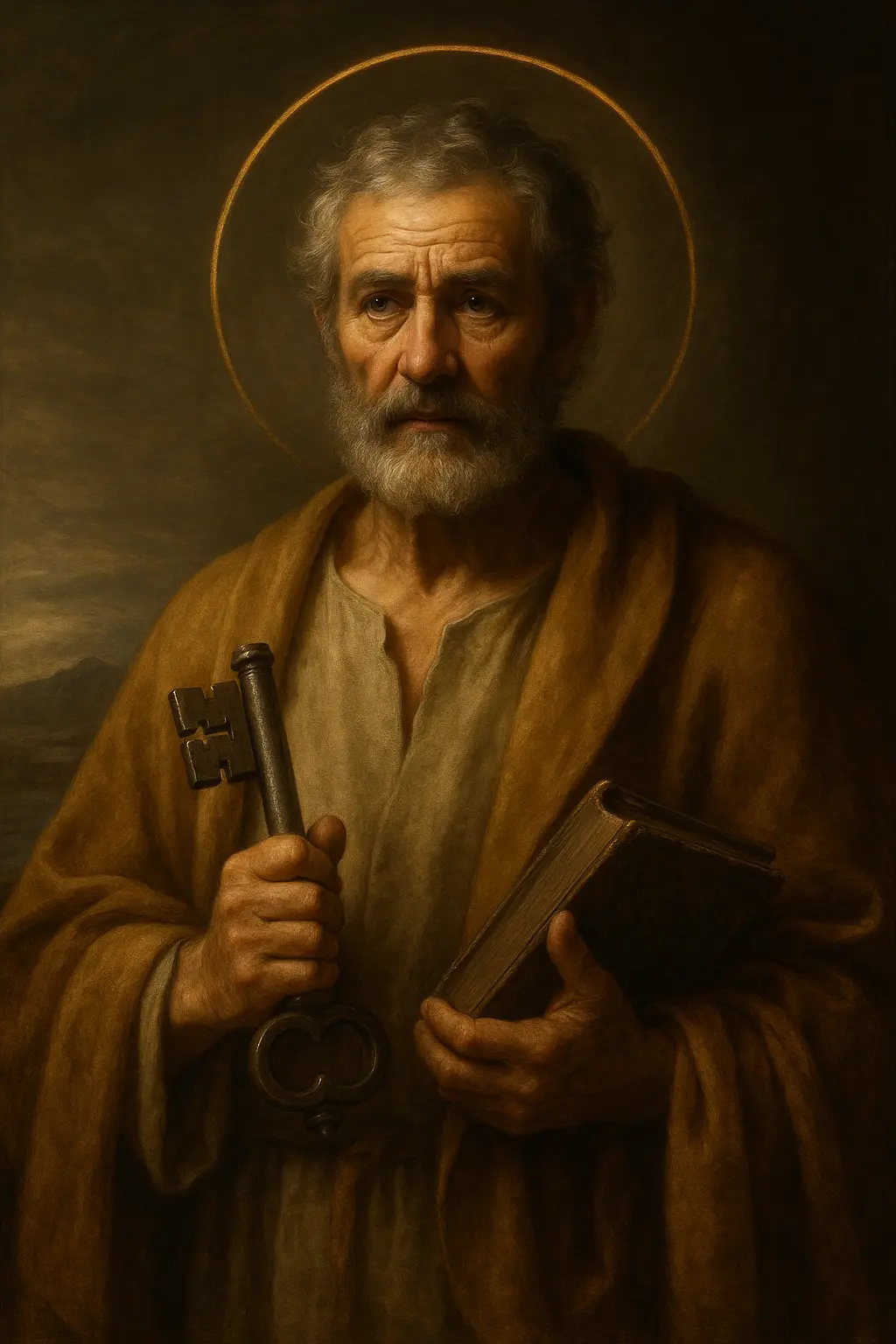
This is the burial church of Peter, the fisherman whom Christ named the rock of the Church. Catholics venerate his tomb here as the resting place of the first Bishop of Rome, and the papacy that carries his name is rooted in this ground.
Kneel at the gated opening above Saint Peter's tomb. The gilded canopy marks the spiritual heart of the basilica.
Right of the entrance, behind glass. Allow a moment of genuine silence before the work. It rewards stillness more than inspection.
Free to enter when open. Papal tombs across many centuries are here, including John Paul II. Often less crowded than the basilica above.
Bernini's great bronze monument at the far end encloses an ancient throne associated with Peter's teaching office. It points to the doctrinal reason the basilica exists.
A rare quiet space in the basilica, reserved for Eucharistic Adoration and private prayer. Not sightseeing. Enter only to pray.
Enter through security, pause in the nave to orient toward the Baldachin, pray near the Confessio, and spend a moment before the Pietà.
As above, plus the Vatican Grottoes, the Blessed Sacrament Chapel for adoration or confession if available, and a slower walk through the major nave chapels without trying to see everything.
Add an unhurried turn through every major nave chapel, time with the Pietà, the Confessio, the Chair of Peter at the far end, the Vatican Grottoes, and the dome climb if the line is reasonable.
Pair the basilica with the Vatican Museums and a long, prayerful afternoon return. Where access is offered, the Scavi tour beneath the Confessio is the deeper layer of the same visit; advance booking is required.
Begin in the nave and orient yourself toward the Baldachin. Pray near the Confessio, visit the Pietà, walk the Vatican Grottoes if open, and leave time for Mass, confession, adoration, or the dome only if the schedule and lines allow.
Yes, at the Confessio above the tomb
Vatican Scavi Office · Fabric of Saint PeterNot on public view; the Confessio serves as the focus of veneration
Paul VI, 1968 announcement · Vatican Scavi contextYes, the perpetual lamps burn above the apostolic tomb
Basilica traditionYes, through the Bernini reliquary at the far end
Basilica traditionYes, beneath the altar of Saint Sebastian
Vatican BasilicaYes, in the Chapel of the Presentation
Vatican BasilicaSource note Traditional attributions are presented as tradition, with documentation named where it exists.
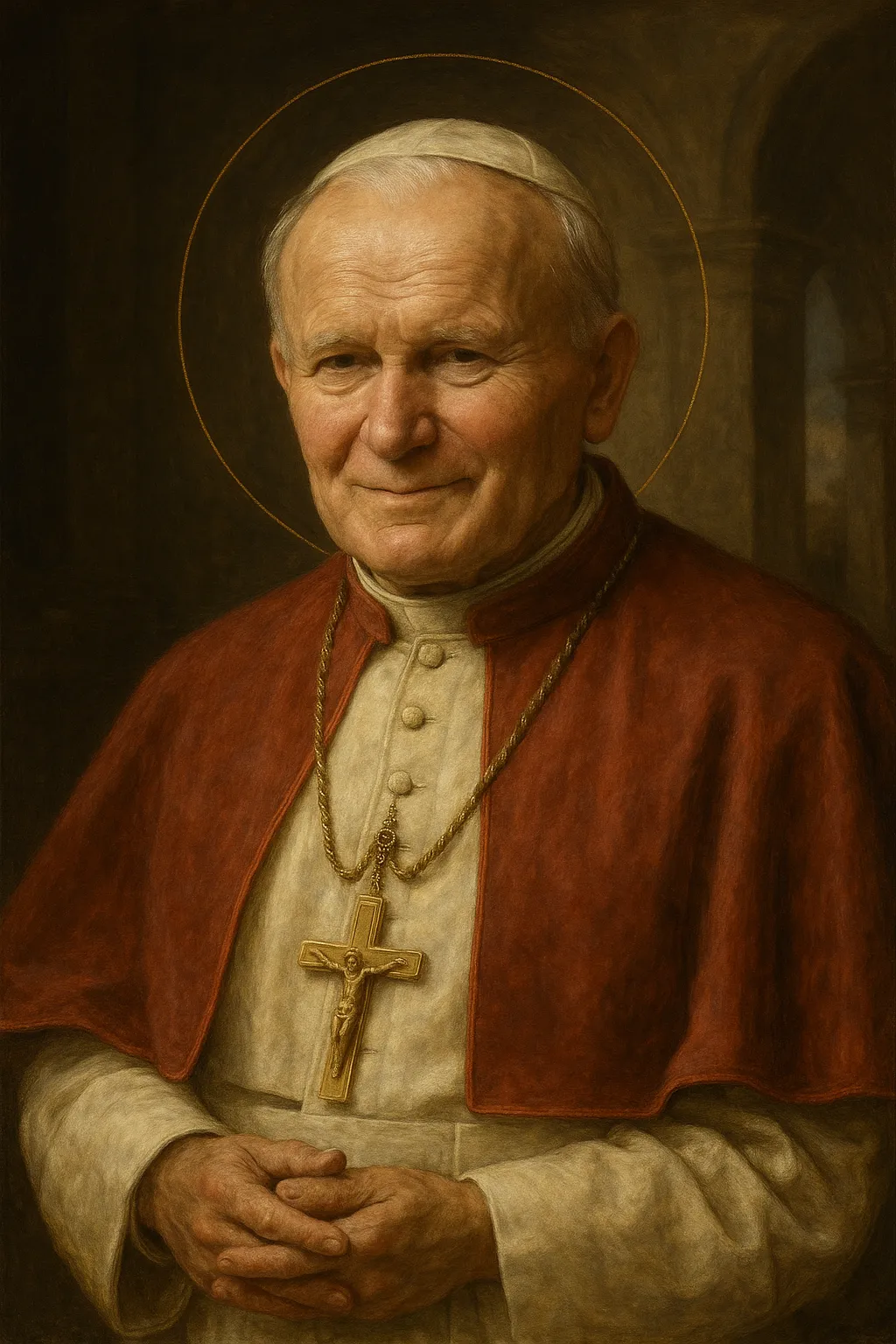
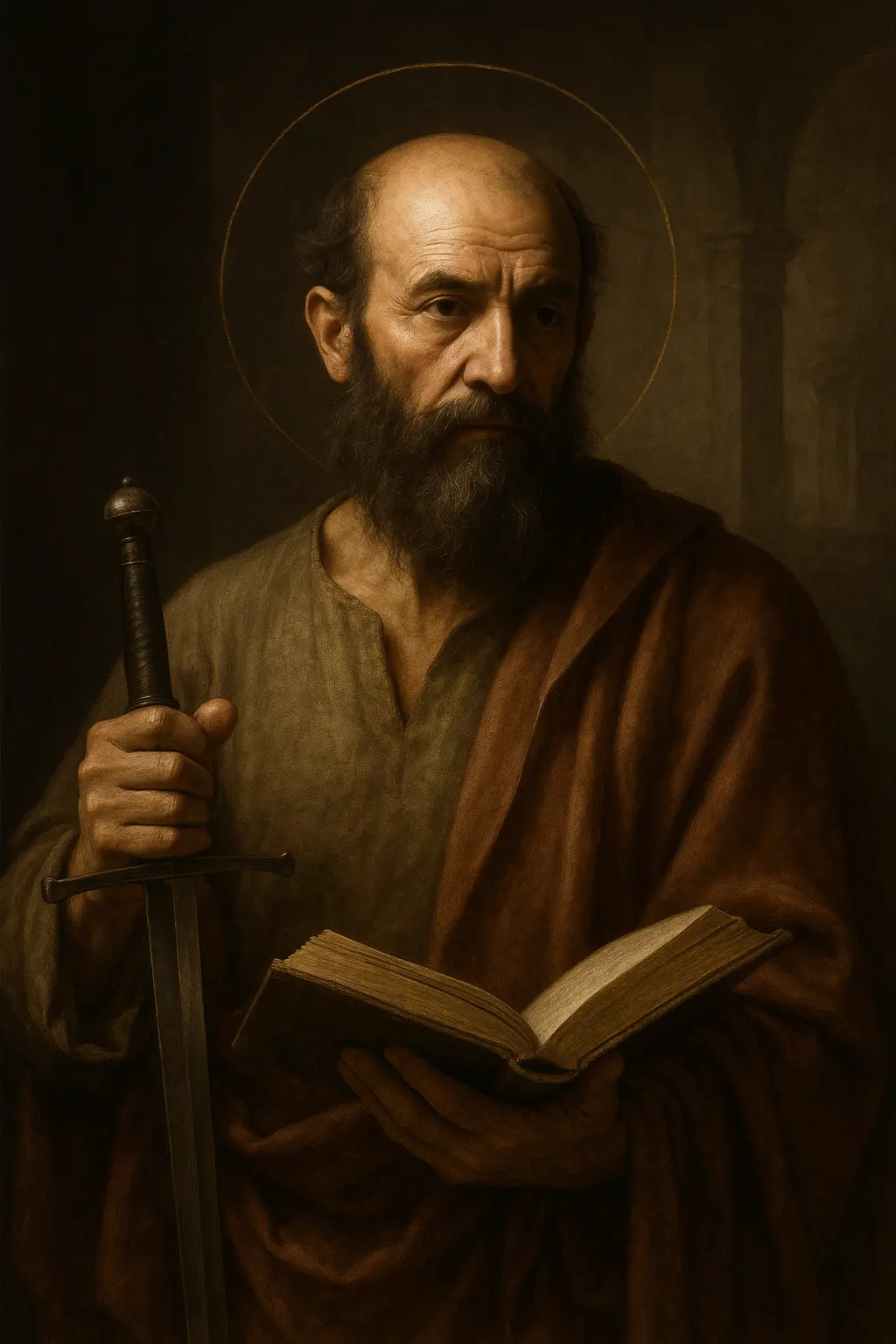
These saints are gathered here in different ways. Peter rests beneath the high altar, and several popes, among them Gregory the Great, Pius X, and John Paul II, are venerated at their tombs in the basilica and the Vatican Grottoes. Paul is remembered alongside Peter as the co-apostle of Rome, though his own tomb lies across the city at Saint Paul Outside the Walls. Others belong to the wider Roman context the basilica opens onto.
A short walk down the Via della Conciliazione. The Mausoleum of Hadrian became a papal fortress and the place of refuge during the sack of Rome.
On the Borgo, between Saint Peter's Square and Castel Sant'Angelo. A quieter church for a brief station of prayer.
The Florentine national church, associated with Saint Philip Neri. A short walk down toward the Tiber.
The motherhouse of the Oratorians and the church of Saint Philip Neri. A natural next stop for the Roman day.
Peter's tomb forms one half of Rome's apostolic pilgrimage. Continue to the tomb of St. Paul beyond the ancient walls.
Cross the city to the quieter basilica on the Ostian Way, where Paul's tomb completes the apostolic pilgrimage begun at Peter's.
St. Peter's is the destination shrine of the Via Francigena, where pilgrims arriving from the north complete the road at the Apostle's tomb.
Peter and Paul give Rome its apostolic axis: two tomb basilicas, one shared feast, and the cathedral of the bishop whose office the Church traces to Peter.
Connections are curated from Eternal Roam's saint, place, relic, route, and Rome records. Traditional attributions are identified in context.
A short, ordered set of the basilica's spaces, from the approach across the square to the dome above the tomb.
Bernini's colonnade reaches out from the basilica like two arms and gathers the square before the visitor has entered. Read the approach first: the obelisk at the centre, the facade ahead, and the long axis of the Via della Conciliazione behind.
Edited from official basilica sources, local image provenance, and Eternal Roam destination records.
July 9, 2026
Use this for corrections, broken links, missing places, and planning ideas.