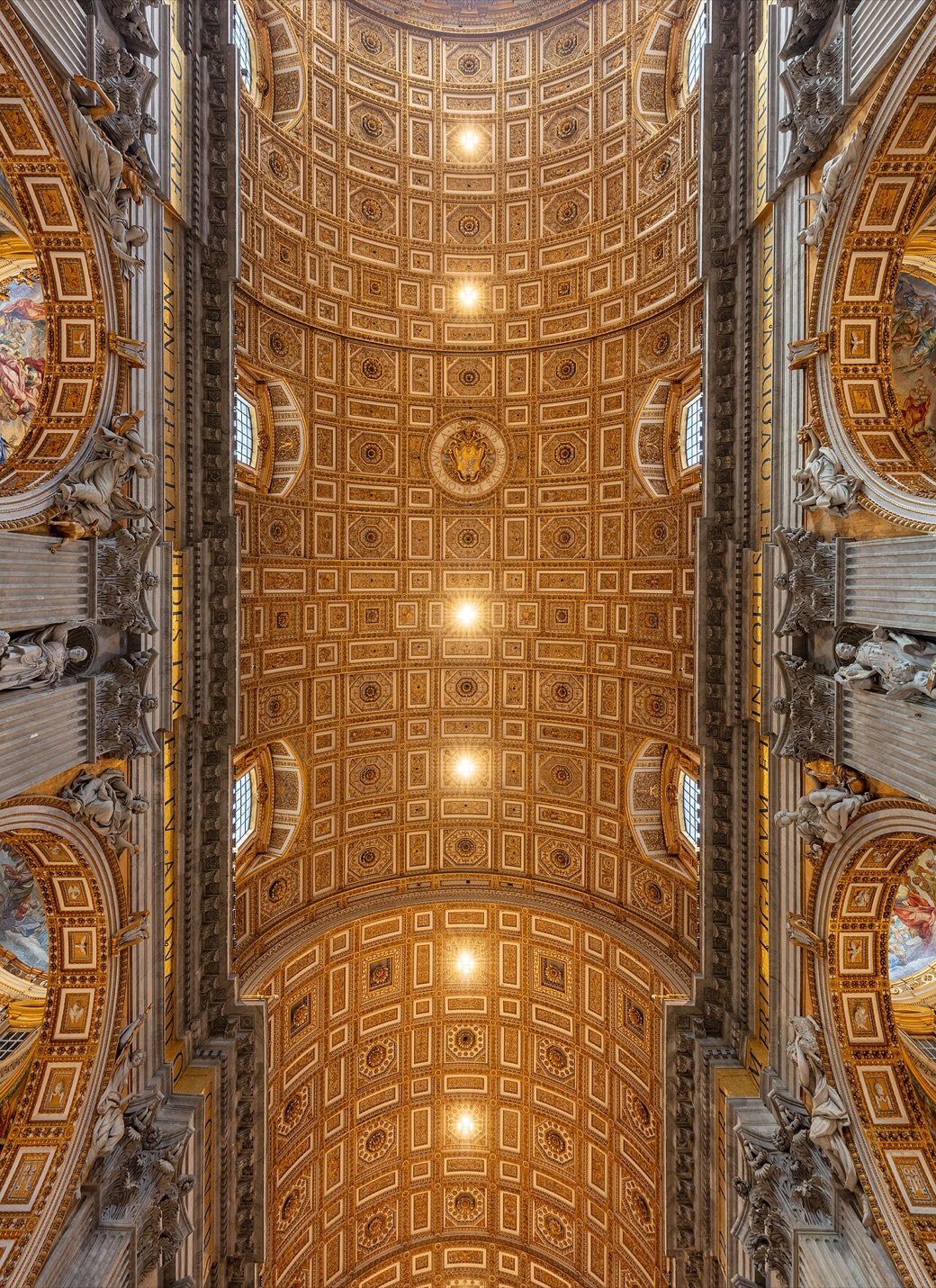
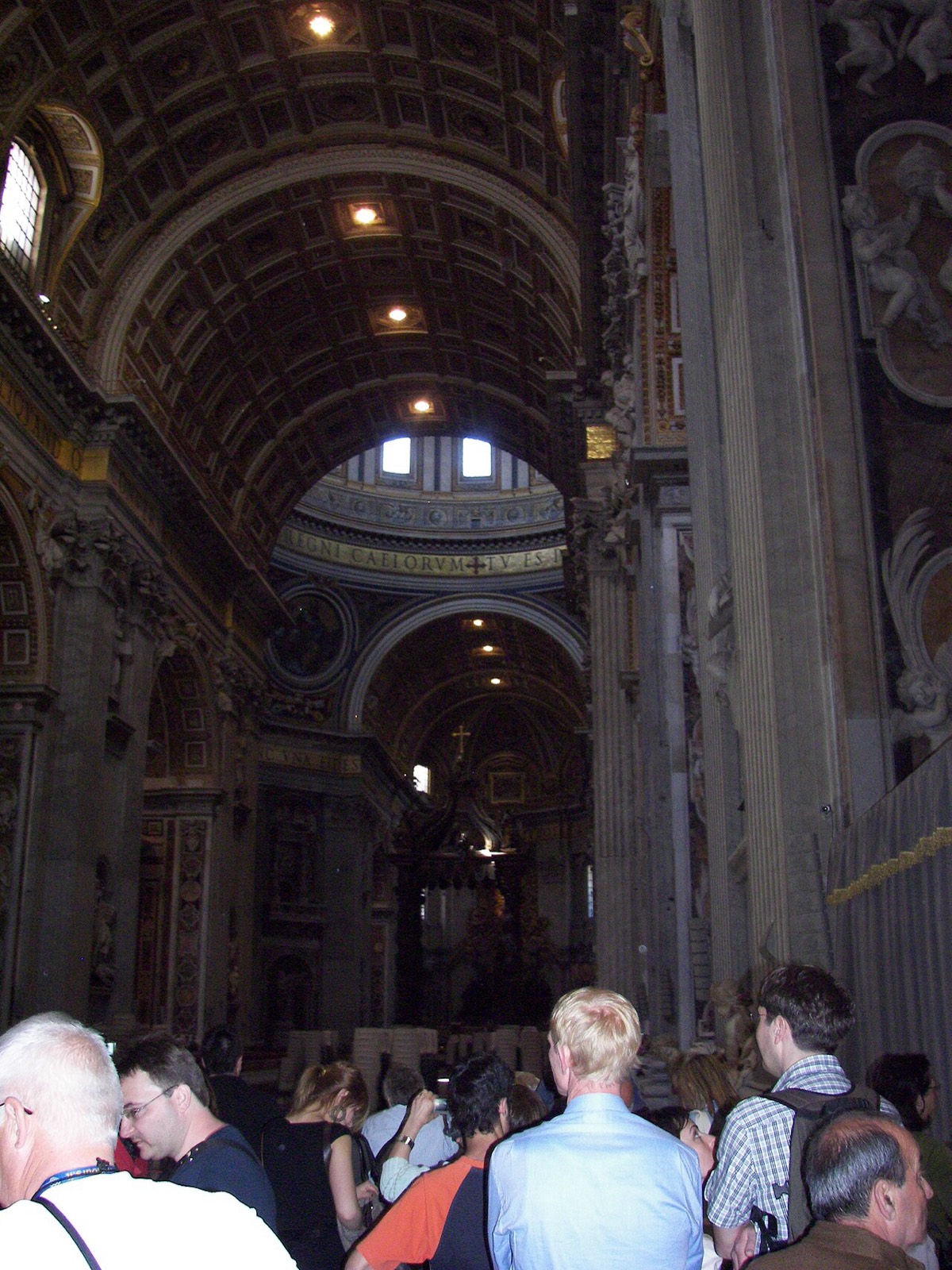
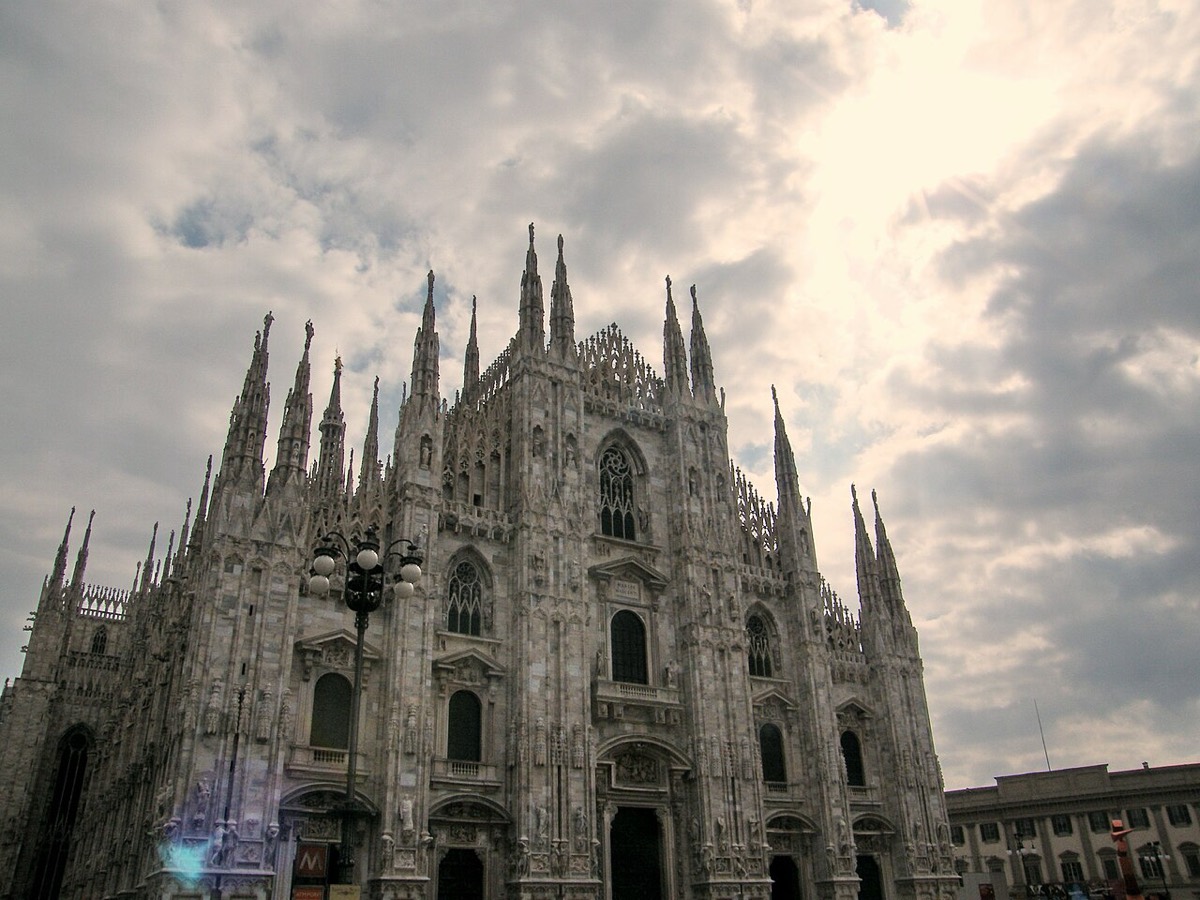
St. Peter's Basilica
The apostolic heart of Rome, built over the tomb of Saint Peter and shaped by centuries of papal liturgy, pilgrimage, and art.
Destinations · Churches, Basilicas & Cathedrals
Where the Church has prayed in stone.
Churches are not only monuments. They are places where worship, memory, relics, tombs, art, and local Catholic life gather into visible form. Enter them slowly: by the altar, the saint, the light, the procession, the chapel, the crypt, and the silence that remains after the crowd moves on.
A church has a center. Sometimes it is the altar. Sometimes it is a tomb, a relic, a miraculous image, a martyr's memory, a bishop's chair, or a pilgrim road that has ended at the door. The best visit begins by finding that center.
A tomb church asks a different kind of attention than a civic cathedral. The page that follows is built to help you read the difference before you arrive, then choose where to begin.
Where the city ends and the order of the building begins.
The long approach the assembly walks toward worship.
Where nave and transept meet beneath the dome or tower.
The center most churches were built to hold and to face.
The tomb, relic, or chapel where pilgrims came to pray.
A church is read along an axis. The route through it is rarely accidental, and the center is rarely the door.
A church is not understood all at once. Move from the threshold to the nave, from the nave to the altar, and on to the chapels, tombs, relics, and images that reveal why pilgrims came.
It tells you whether the building is first a living place of worship or mostly a historic monument.
Many great churches became pilgrimage places because a saint, apostle, martyr, or founder still rests there.
A relic chapel changes the visit. It asks for reverence before explanation.
Stone, glass, mosaic, gold, and shadow often show where attention is meant to rest.
Door, nave, crossing, sanctuary, crypt, chapel. The route through a church is rarely accidental.
A cathedral is not only impressive architecture. It is the bishop's church and the visible center of a local Catholic community.
Not simply famous buildings, but places where the map of Catholic memory becomes visible: apostolic tombs, pilgrim roads, Passion sites, Gothic light, martyr churches, and city cathedrals still shaped by worship.

The apostolic heart of Rome, built over the tomb of Saint Peter and shaped by centuries of papal liturgy, pilgrimage, and art.

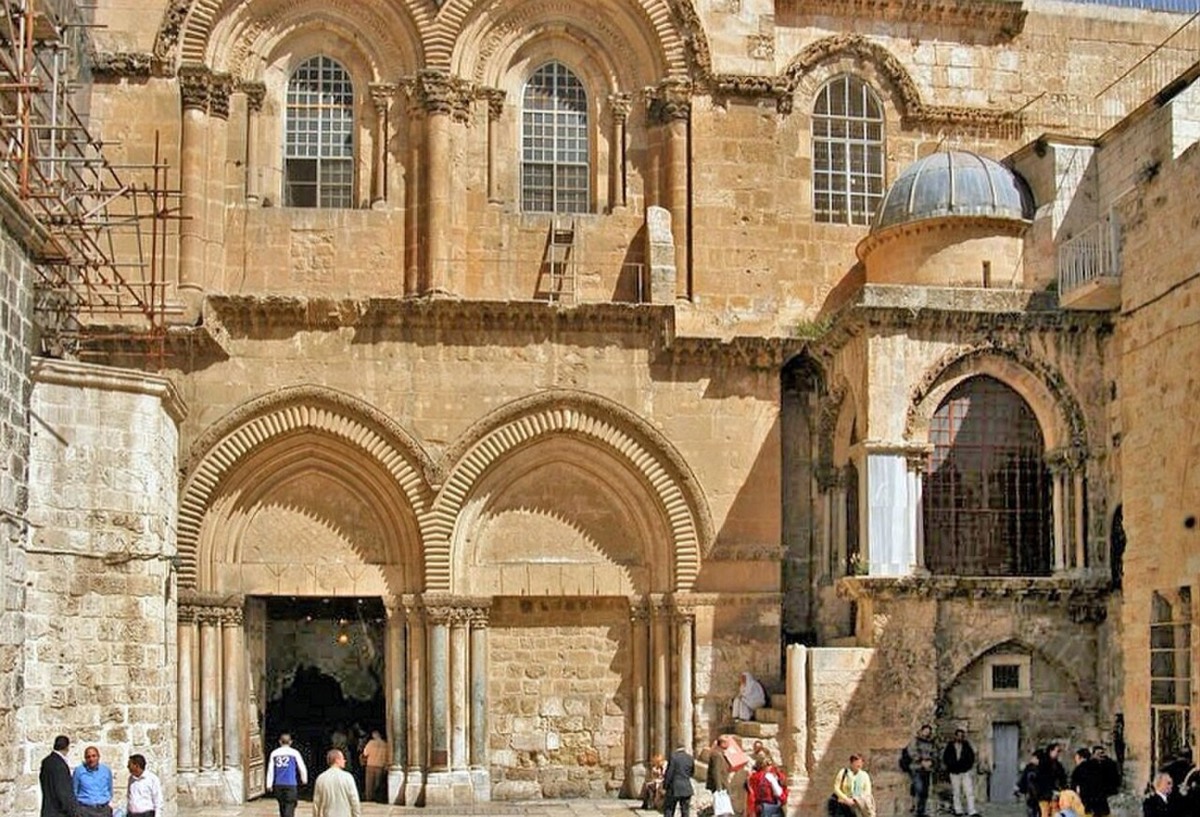
The church that gathers Calvary and the Empty Tomb into one difficult, ancient, and essential Christian place.

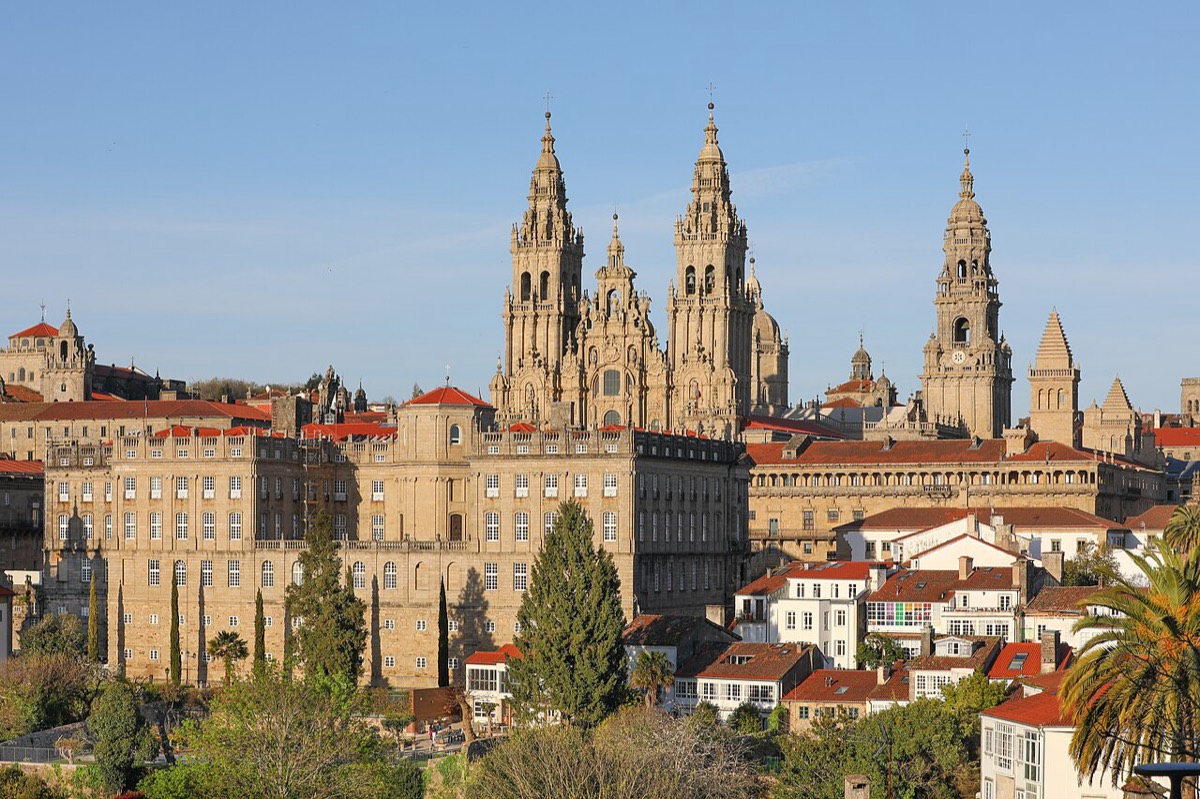
The endpoint of the Camino and one of the great medieval pilgrimage churches of Europe.

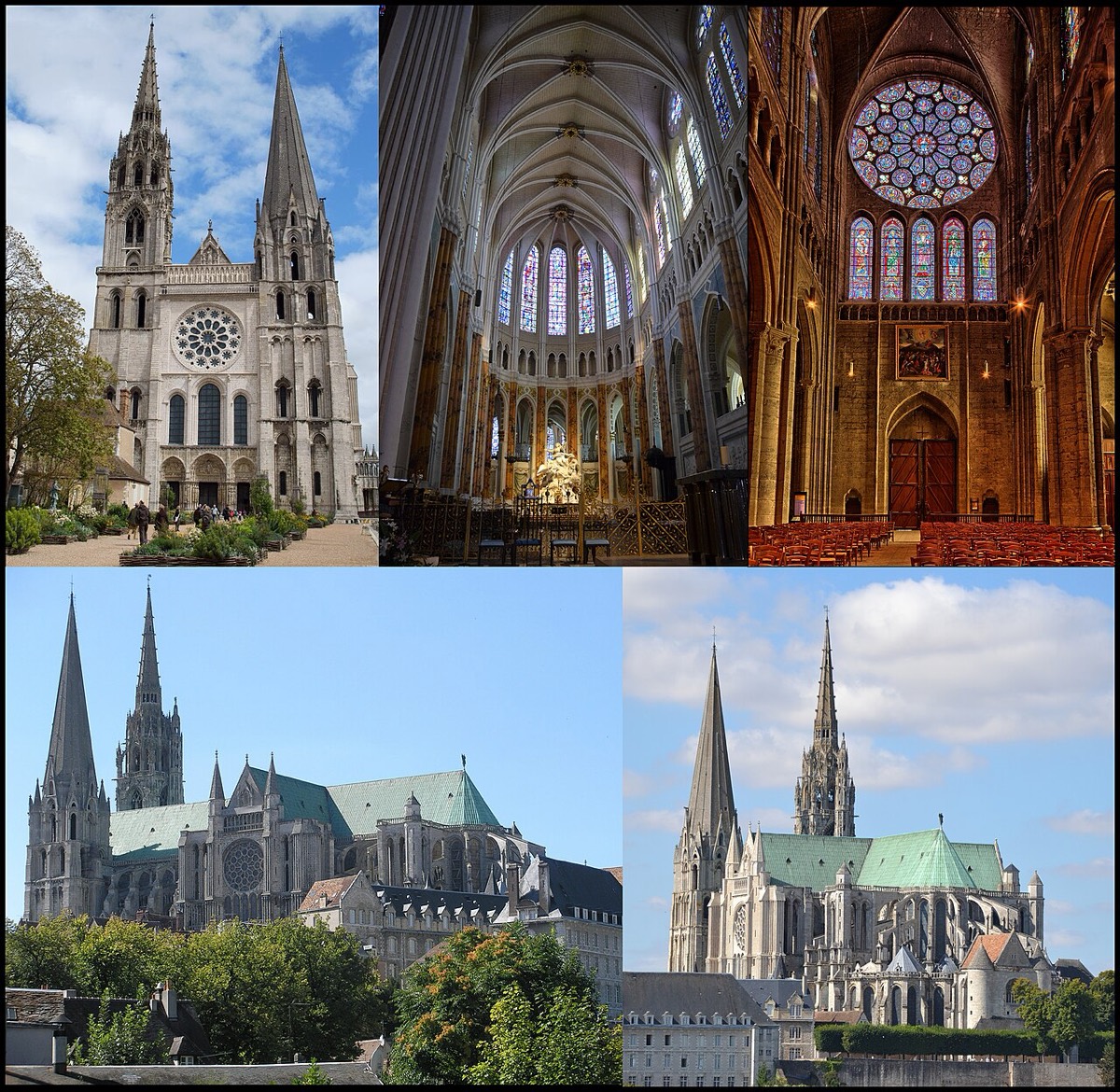
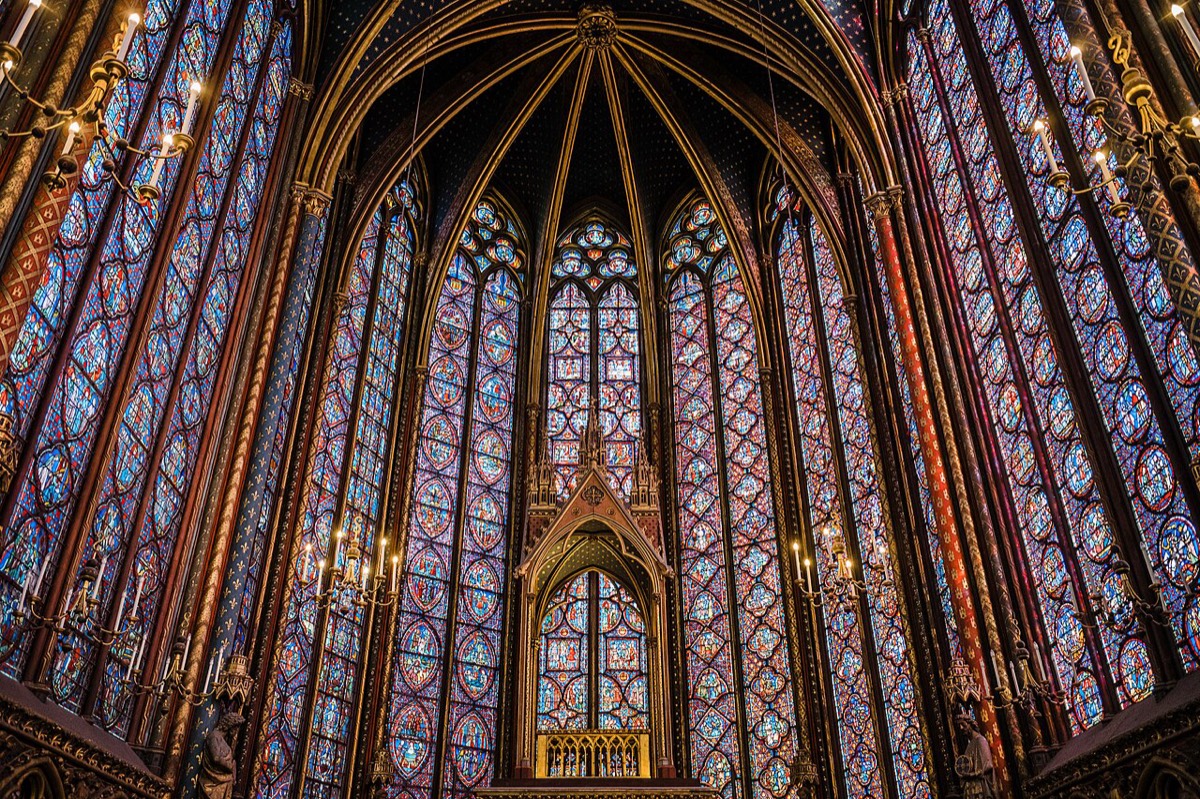
Where stained glass, sculpture, relic, labyrinth, and Marian devotion form one of the clearest introductions to medieval sacred architecture.

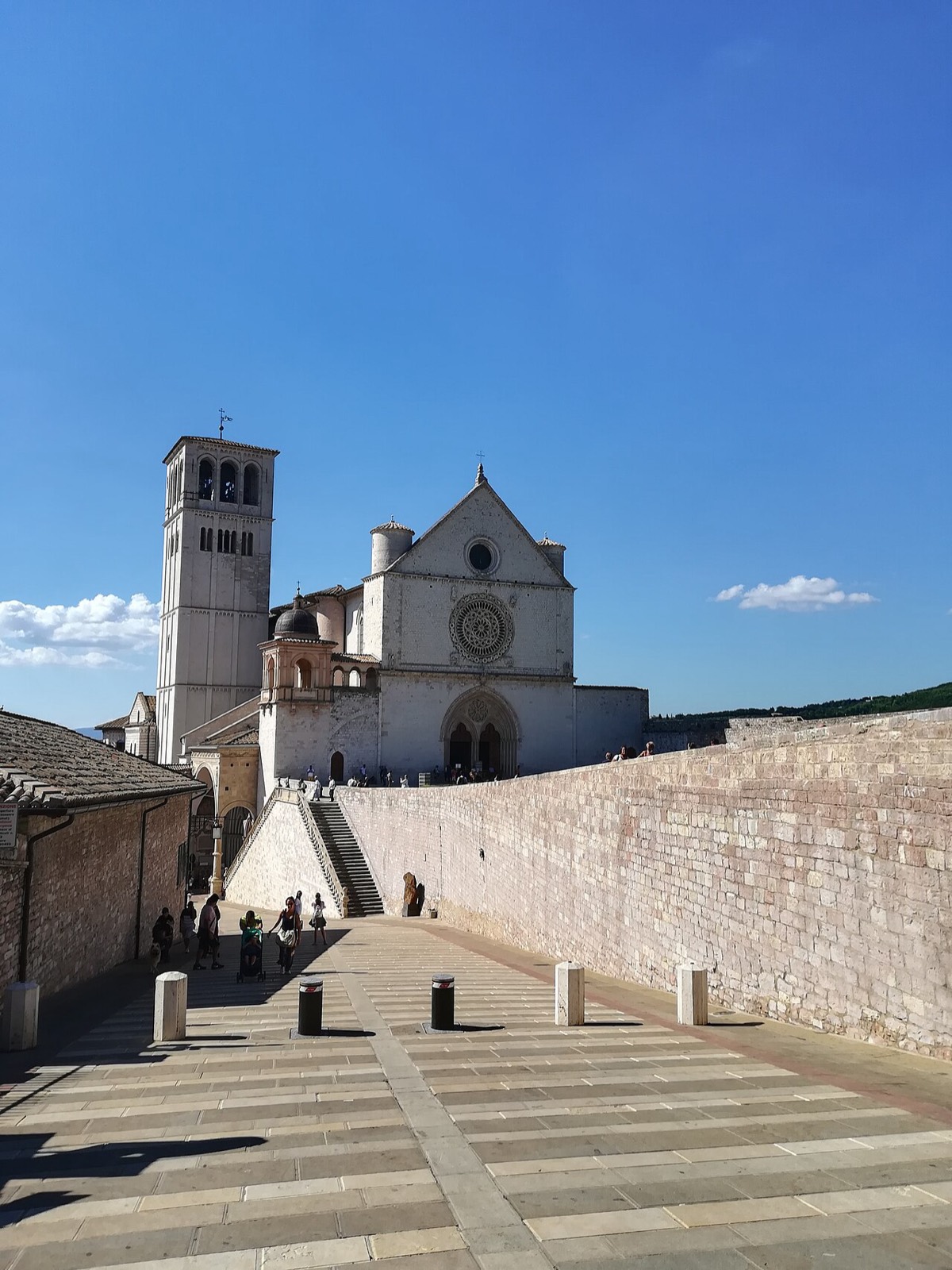
The burial church of Francis, where medieval painting and Franciscan memory changed the visual imagination of the West.

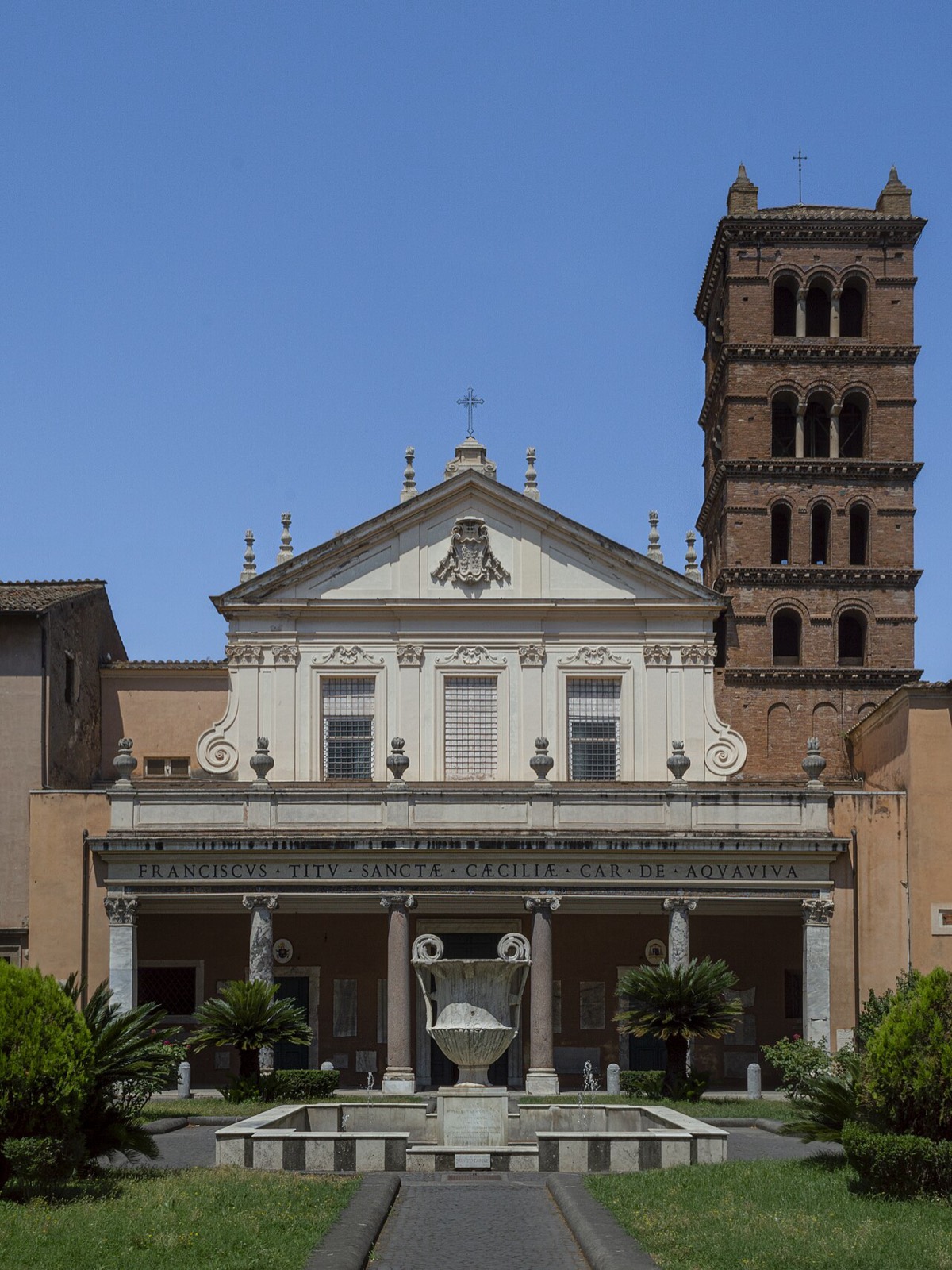
A Roman church that keeps Cecilia's memory close to domestic space, martyrdom, relics, and early Christian worship.
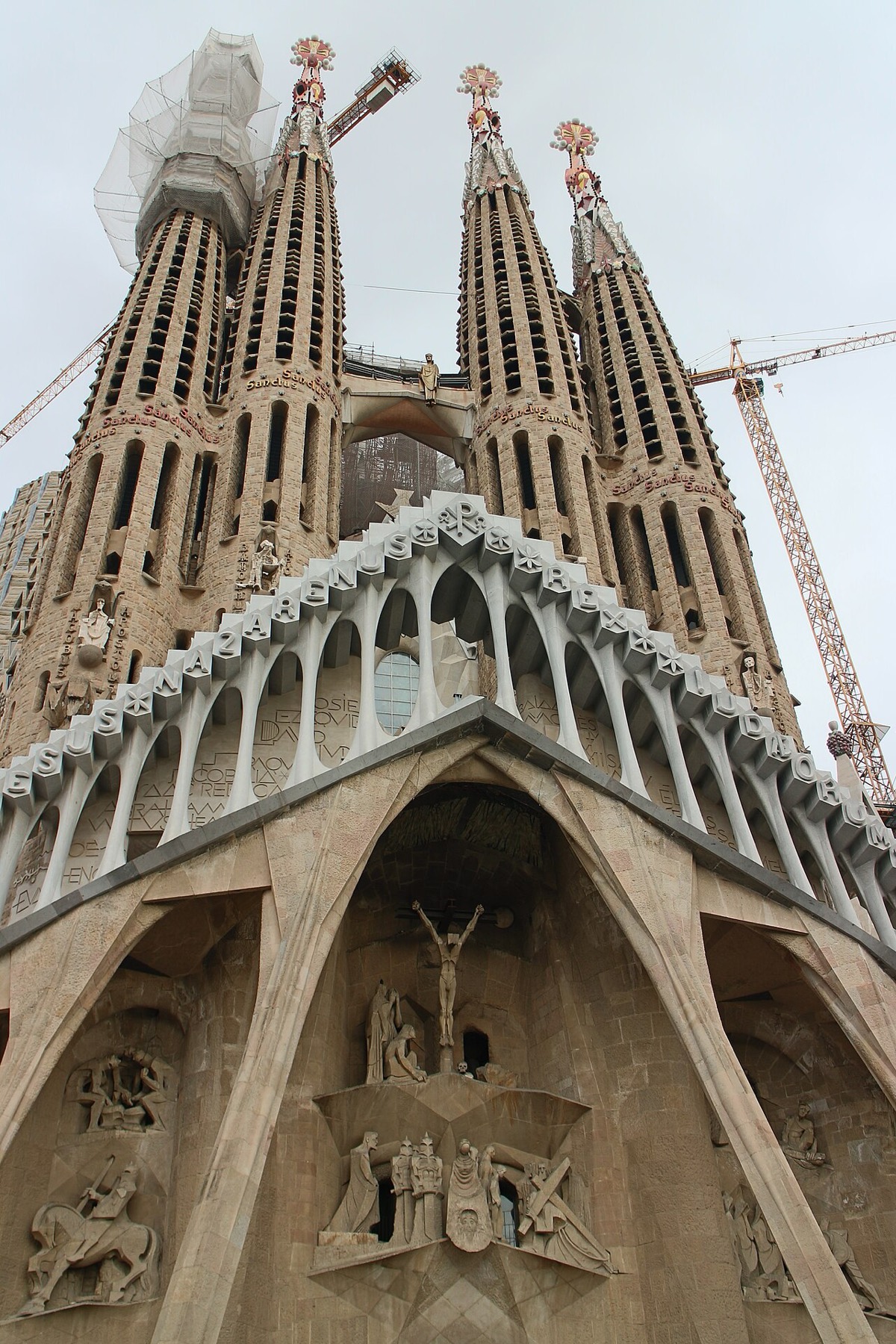
A Gothic city church where public memory and Marian dedication meet, and a rare modern basilica where architecture is catechesis. Both essential, both still being read.
See all essential churches →Not every church asks the same kind of attention. Some are entered for a tomb, some for a relic, some for the liturgy, some for a saint, some for the beauty of the building itself.
Where pilgrims came to pray near an apostle, martyr, founder, or saint who still rests beneath the floor.
Churches built around the public veneration of relics, sacred objects, or the bodies of saints.
The cathedra and the public sacred center of a city, where the local Church gathers around its bishop.
Churches whose scale, liturgy, and history carry the memory of Rome and the wider Church.
Churches where a road, a vow, a route, or centuries of walking finally come to rest.
Places where a saint's life, death, tomb, or local memory still shapes the visit.
If you are new to sacred architecture, begin with places that teach the eye clearly: tomb, altar, apse, nave, chapel, relic, route.

Begin here to understand how a tomb, an altar, and the memory of Peter shaped the Catholic imagination of Rome.

Begin here to learn how medieval architecture teaches through glass, sculpture, proportion, and pilgrimage.

Begin here when you are ready for a place that is crowded, contested, ancient, and central.

Begin here to understand a church as the endpoint of a road.
A church rarely stands alone. It belongs to a city, a saint's life, a relic tradition, a route, or a local Church.

Apostolic tombs, papal basilicas, martyr churches, domestic memories, and layers of Christian worship gathered in one city.

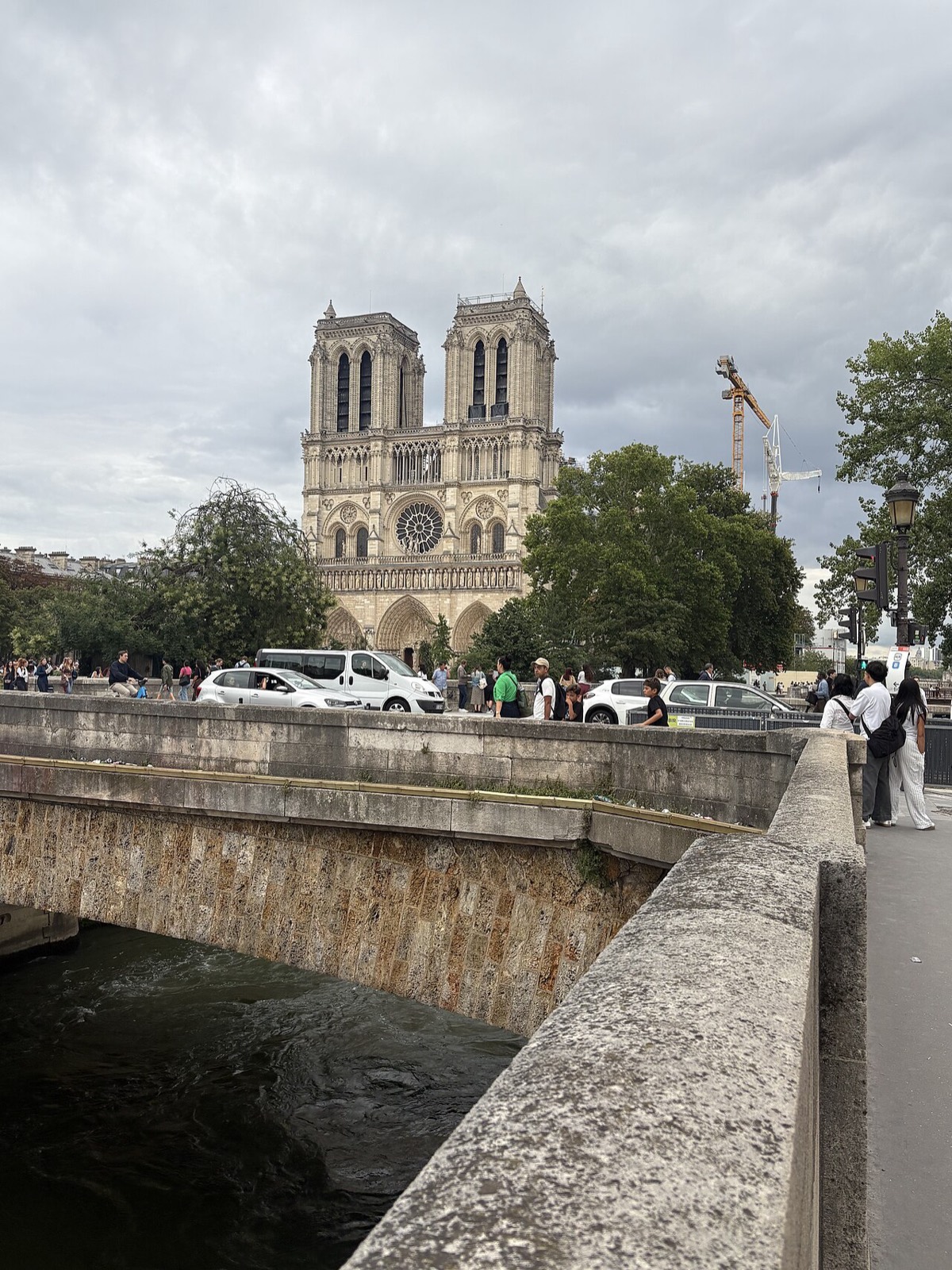
Gothic memory, royal chapels, Marian dedication, relic devotion, and the public life of a city.

A city where Franciscan memory is read through tomb, chapel, fresco, hillside, and silence.

Churches where Christian pilgrimage approaches the Passion, Resurrection, and Nativity with reverence and difficulty.

A city shaped by arrival, thanksgiving, Saint James, and the road that brings pilgrims to the cathedral.
Explore sacred places across the atlas, from apostolic tombs and papal basilicas to Gothic cathedrals, shrine churches, martyr chapels, and local places of devotion.

Built over the tomb of Peter; the apostolic and papal heart of Rome.


Stained glass, sculpture, and Marian relic in one Gothic argument.


The burial church of Francis and a turning point in Western painting.

A martyr church keeping Cecilia's memory in early Christian Rome.

A Gothic city cathedral of Marian dedication and the Passion relics.

A modern basilica where architecture, nature, and catechesis are inseparable.

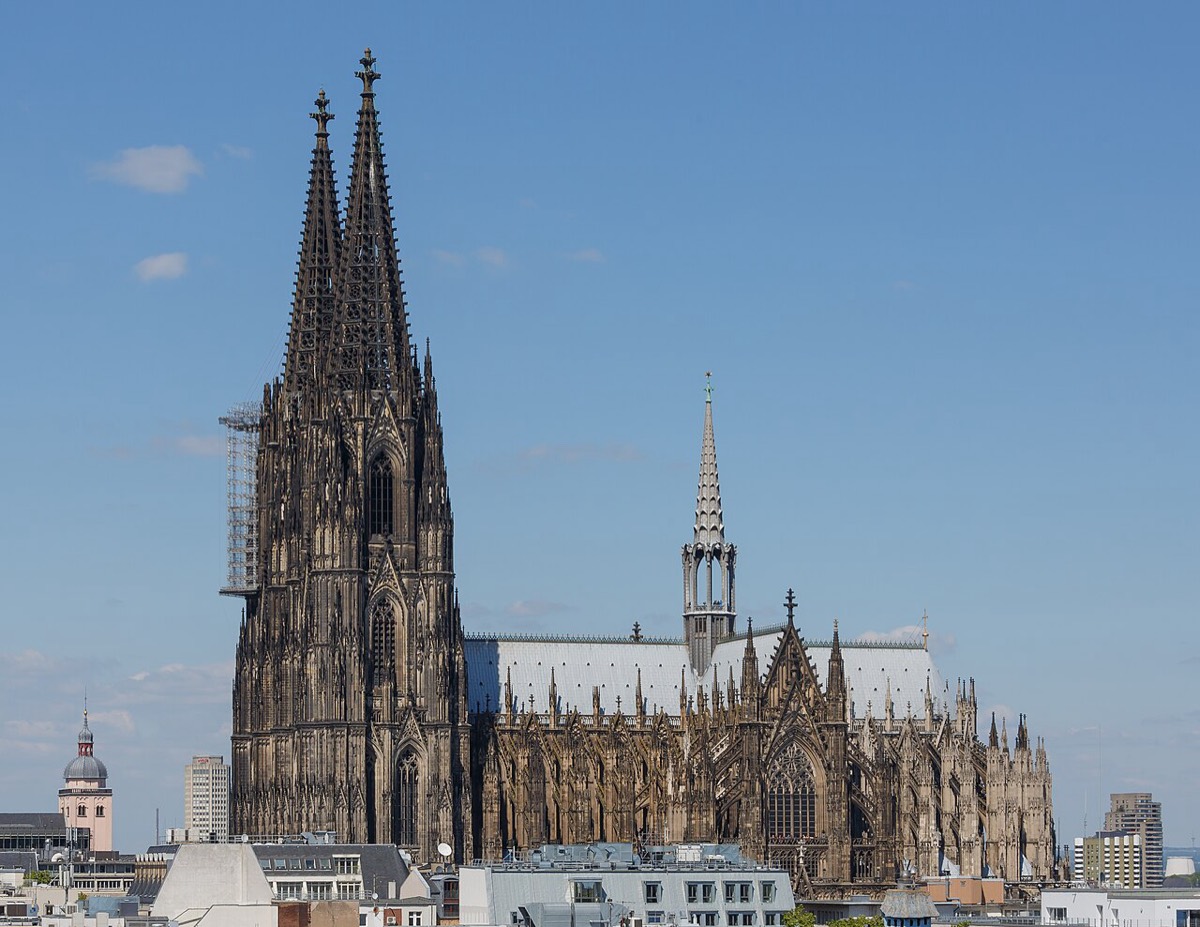
A Gothic cathedral shaped by the relics of the Magi and the pilgrim crowd.


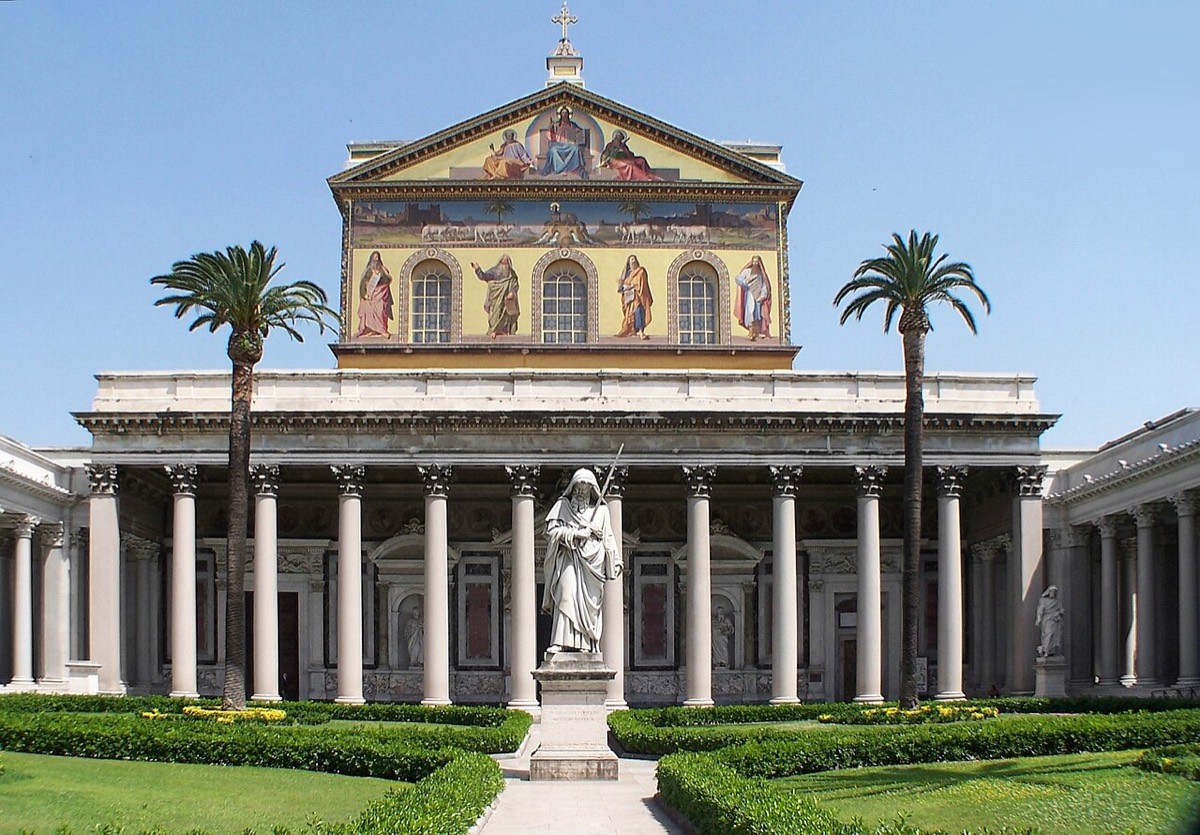
A papal basilica on the Ostian Way, over the tomb venerated as Saint Paul's.


One of the oldest churches in continuous use, over the cave of the Nativity.

The burial church of Clare and home of the San Damiano crucifix.

The great Marian basilica of Rome, rich in early mosaic and relic tradition.

The cathedral of Rome and the pope's own seat, mother of all churches.
More church guides are being written and added to the atlas.
Save the churches that draw your attention. Later, gather them by city, saint, relic, or route into a journey that can be carried quietly with you.
Imagery · Wikimedia Commons, resized derivatives