
Abbey of Monte Cassino
Monte Cassino is the great Benedictine mountain abbey founded by Saint Benedict, a place where Western monasticism, war, reconstruction, and pilgrimage converge.
- Location
- Cassino, Italy
- 41.4907° N · 13.8131° E
- Type
- Benedictine archabbey
- Rebuilt abbey complex with basilica, cloisters, terraces, and mountain setting
- Monastic Tradition
- Benedictine archabbey
- Motherhouse of Western Benedictine monasticism
- Time Needed
- 2 hours to half a day
Where Benedictine Life Took Root
Come here to stand at one of the origins of Western monastic life: the mountain where Saint Benedict's vision of prayer, work, stability, and community took concrete form.
Benedict, Ruin, and Return
Saint Benedict founded Monte Cassino in the sixth century, and the abbey became a defining point for Benedictine monasticism. Across centuries it endured destruction, rebuilding, cultural influence, and modern devastation before rising again after the Second World War. The modern visitor should hold the restored abbey and the ancient rule together: the walls are new, but the monastic claim is old.
The present abbey is a reconstruction, but that is part of its meaning. Its basilica, cloisters, terraces, and mountain approach present a restored monastic order after rupture. The symmetry and brightness are not decorative optimism; they are a chosen return to order.
Stability after rupture.
Monte Cassino should be read through Benedict, the mountain, and the rebuilt walls. The place teaches endurance before it teaches chronology.
- 01 Begin with Benedict The mountain matters because Benedictine prayer, work, and stability took visible form here and became a rule for centuries of monastic life.
- 02 Read the rebuilding The restored abbey is not a denial of destruction. It is a monastic answer to it, a rebuilt order after visible rupture.
- 03 Hold the valley in view The terraces make the spiritual and wartime memory of the place impossible to separate. The view is part of the page's meaning.
Monte Cassino was founded by Saint Benedict in the sixth century.
The abbey is inseparable from the Rule of Saint Benedict and the wider Benedictine tradition.
The twentieth-century destruction and rebuilding give the site a powerful memory of loss and restoration.
The view from the abbey helps explain why the mountain has mattered spiritually, strategically, and historically.
A monastery is best understood by the life it was built to sustain.
Monte Cassino is not only a monument to Benedict. It is a place where stability feels hard-won, where prayer and memory stand over both the valley and the violence of history.
- The present abbey is a reconstruction completed after wartime destruction. Its completeness is both an achievement and a deliberate act of monastic witness: the community chose to rebuild exactly as it had been.
- Saint Benedict founded this community in the sixth century and died here. The mountain he chose was already sacred in the ancient world. His decision to destroy its pagan altars and build a chapel is one of the founding gestures of Western Christian culture.
- The Rule of Saint Benedict, written here or shaped decisively by time spent here, governs Benedictine life worldwide. Everything in the abbey can be read in relation to that short text.
- The Battle of Monte Cassino in 1944 was one of the longest and costliest engagements of the Italian campaign. The abbey was destroyed by Allied bombing and German use of the site. The rebuilt walls carry this weight.
- Scholastica, Benedict's twin sister, had her convent in the valley below. Her story, particularly her last meeting with Benedict before both their deaths, is one of the great monastic accounts of familial love and prayer.
Five things, not fifty.
-
01
The basilica
The devotional heart of the reconstructed abbey. Pray here at the tomb associated with Saint Benedict and Saint Scholastica before exploring the cloisters or museum.
-
02
The cloisters
The layered colonnades show how the abbey built its identity in stone across successive centuries. Walk them slowly and let the sequence of styles read as a history of Benedictine endurance.
-
03
The view from the terraces
The valley below explains why the mountain was chosen: height, solitude, oversight of a landscape. The view today still includes the military cemetery, making the twentieth-century history inescapable.
-
04
The museum and archive
Monte Cassino's manuscripts and material culture represent one of the great intellectual traditions of European Christianity. Check access and opening times before your visit.
-
05
The war cemetery below
The Cassino War Cemetery and the Montecassino Polish War Cemetery lie below the abbey. The twentieth-century history of destruction and the memory of the dead belong to any full visit here.
See all 5 · 2 more
- The museum and archive Monte Cassino's manuscripts and material culture represent one of the great intellectual traditions of European Christianity. Check access and opening times before your visit.
- The war cemetery below The Cassino War Cemetery and the Montecassino Polish War Cemetery lie below the abbey. The twentieth-century history of destruction and the memory of the dead belong to any full visit here.
How much time, and what to do with it.
-
2 hr First-time pilgrims
Benedictine roots visit
Pray in the basilica, walk the cloisters, stand on the terraces, and visit the museum if it is open. This is enough to receive the spiritual weight of the site.
- Basilica and Benedictine tomb tradition
- Cloisters
- Museum, if open
- Terraces over the valley
-
Half day Pilgrims reading the full history
Abbey and battlefield memory
As above, at a slower pace, including time to reflect on the wartime history and a visit to the military cemeteries below the abbey.
- Basilica
- Cloisters and museum
- Terraces
- Polish War Cemetery
- Cassino War Cemetery
Begin with the basilica and the space associated with Saint Benedict. Pray there first, then explore. The cloisters, terraces, and museum deepen the visit, but the spiritual reason for going is the Benedictine witness of prayer, work, and stability, which the rebuilt walls make visible.
How to visit without rushing.
-
Pilgrim prayer at the basilica and tombs associated with Saint Benedict and Saint Scholastica
-
Visits through the cloisters and museum areas when open
-
Reflection on the Rule of Saint Benedict and the ora et labora tradition
-
Current liturgy and visitor access should be checked before arrival
See all 4 · 1 more
- Current liturgy and visitor access should be checked before arrival
What pilgrims come to notice and venerate.
Tomb and Burial
- Saint Benedict is traditionally associated with Monte Cassino, where he founded the abbey and died.
- Saint Scholastica, Benedict's sister, is also closely associated with the abbey's sacred memory.
Relics and Sacred Tradition
- The basilica preserves devotion to Saint Benedict and Saint Scholastica at the spiritual center of the abbey.
Sacred Objects
- The basilica marks the devotional heart of the reconstructed abbey.
- The cloisters frame the visit with the Benedictine balance of order, beauty, and silence.
- The mountain setting turns the abbey into a literal high place of monastic memory.
The lives remembered here.
-
Saint Benedict Founder · established the abbey and died here Founded Monte Cassino around 529 and spent the rest of his life there. His Rule shaped Western monasticism and remains the basis of Benedictine life worldwide. Monte Cassino preserves the tomb traditionally venerated as the resting place of Saint Benedict and Saint Scholastica, while the abbey of Fleury in France has long claimed relics translated there; Eternal Roam presents the tradition as venerated rather than as settled historical proof.
- Saint Scholastica The abbey founded by her brother Benedict, where the tradition holds Scholastica is buried alongside him.
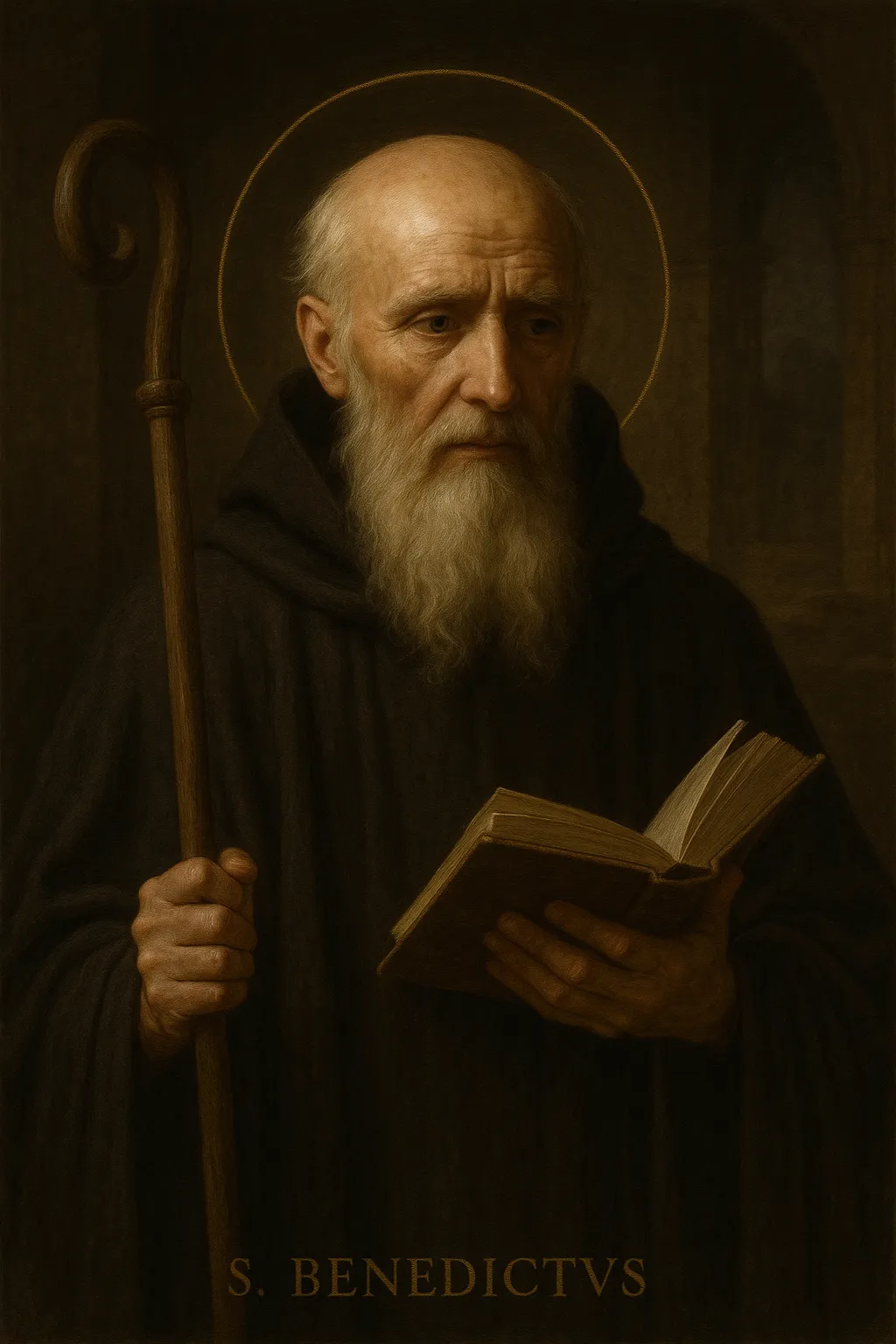
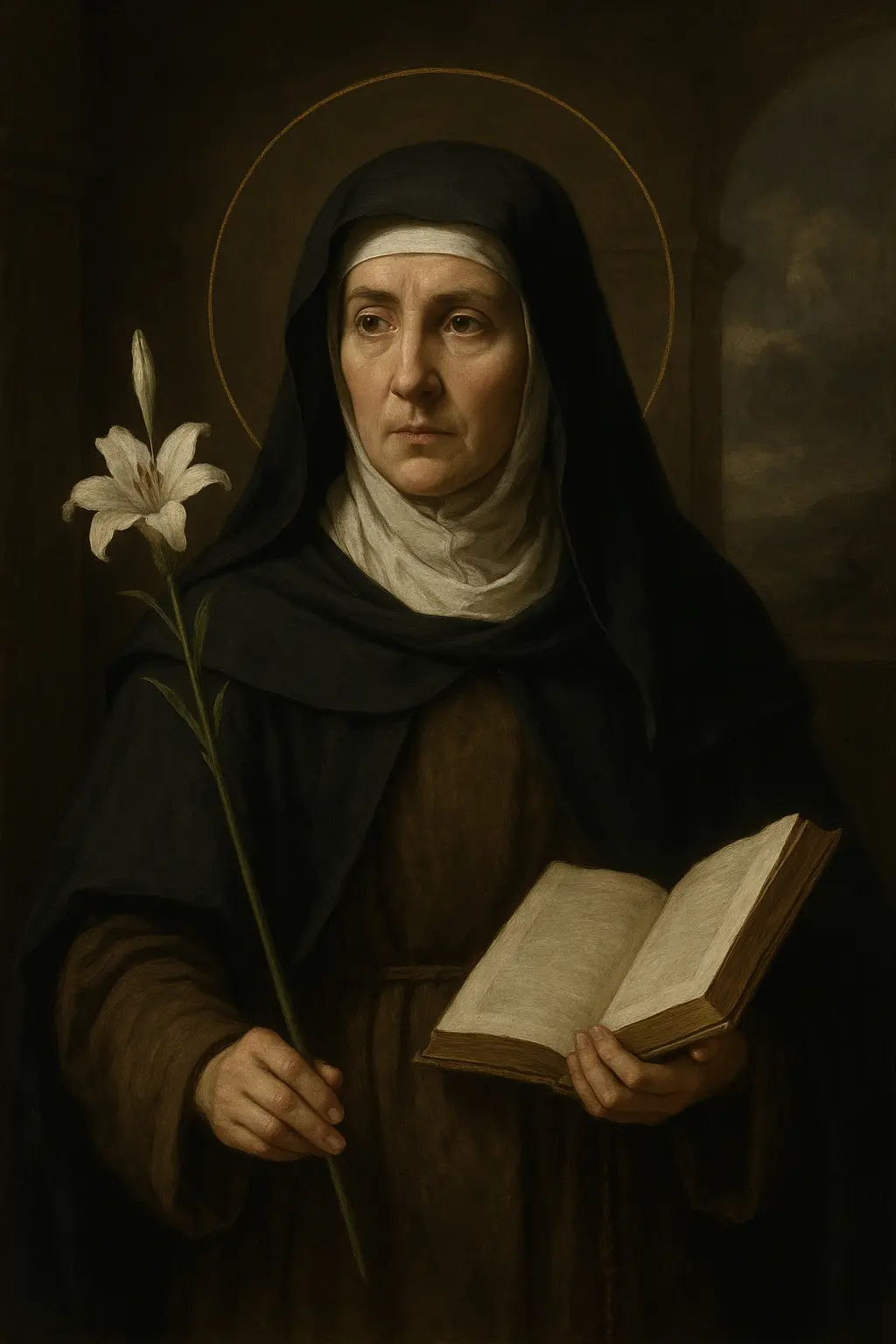
Benedictine roots and the mountain memory around Cassino.
-
Benedictine cave and monastery sites
Subiaco Monasteries
The earlier Benedictine landscape tied to Saint Benedict before Monte Cassino. Best read as the beginning of the same monastic story.
-
War cemetery below the abbey
Montecassino Polish War Cemetery
A sober companion to the abbey visit, carrying the twentieth-century memory that shaped the rebuilt monastery.
-
War cemetery
Cassino War Cemetery
A nearby place of remembrance that helps keep the abbey's reconstruction connected to the human cost below the mountain.
Plan around this place.
Reviewed against the official abbey source, existing Eternal Roam monastery data, and localized image provenance. Check current abbey hours, liturgy, museum access, and transport before travel.
June 15, 2026
Photo credits
- Hero. DonGatley / Wikimedia Commons (CC0 1.0). Source. CC0 1.0.
- The Benedictine High Place. ThePhotografer / Wikimedia Commons. Source. CC BY-SA 4.0.