
Birth in Bermersheim vor der Höhe
Hildegard is born, the tenth child of a noble family. From early childhood she reports visions of light.
Bermersheim, Rhineland-Palatinate, Germany
A Benedictine abbess whose visions, music, and theology lit the Rhine Valley and the whole medieval Church.

At a Glance
Why This Saint Matters
Hildegard of Bingen was given as a tithe to the Church at age eight — a common practice of devout medieval families — and enclosed with a holy woman named Jutta at the monastery of Disibodenberg. From that enclosure she would eventually emerge as one of the most remarkable figures in the history of the Church.
Life and Witness
From childhood, Hildegard received what she described as visions of living light — not dreams, but waking experiences of illumination that she kept largely to herself for decades. In her early forties, after receiving what she understood as divine command, she began recording her visions with the help of a monk named Volmar. The result was Scivias (Know the Ways), a monumental visionary work completed over ten years.
She was also a composer. The Symphonia — her corpus of sacred songs and the morality play Ordo Virtutum — are among the most distinctive sacred compositions of the medieval Church. Her music is spare, otherworldly, and unlike anything else in the Gregorian tradition. Listening to it before reading her texts is often the most direct way into her world.
Hildegard corresponded with popes, emperors, abbots, and ordinary clergy across Europe. She preached publicly — unusual for a woman in her century — and undertook preaching tours in her sixties and seventies along the Rhine. She was declared a Doctor of the Church by Pope Benedict XVI in 2012, only the fourth woman to receive the title.
Hildegard's relics are venerated at the Abbey of Saint Hildegard in Eibingen, Germany. Her music is recorded and performed worldwide. Her feast day is September 17.
Timeline
The moments that shaped a life of faith, courage, and lasting devotion.
Hildegard is born, the tenth child of a noble family. From early childhood she reports visions of light.
Hildegard is given as a tithe to God — a medieval practice — and enclosed with a holy woman, Jutta of Sponheim, at the monastery of Disibodenberg.
After Jutta's death, Hildegard is elected abbess of the community. Her authority and her visions begin to reach a wider audience.
After receiving what she understood as divine command, Hildegard begins recording her visions. With the help of a monk named Volmar, she completes Scivias over ten years.
Hildegard moves her community to a new monastery on the Rupertsberg near Bingen — a decision requiring years of struggle against the Disibodenberg monks who profited from the community's presence.
Hildegard dies on September 17 at Rupertsberg, after a long life of visionary work, composition, correspondence, and preaching. Contemporary accounts describe lights appearing in the sky at her death.
Relics And Footsteps
The saint's story becomes concrete in churches, tombs, crypts, and streets where Catholics still go to pray.
Eibingen, above Rüdesheim am Rhein, Germany
The active Benedictine abbey above the Rhine, where the relics of Saint Hildegard are venerated. The community continues the Benedictine life she embodied.
Visitors are welcome at the abbey church and for the Divine Office. The abbey sells its own recordings of Hildegard's music and other products. A day visit from Rüdesheim is well suited for pilgrims.
Pilgrimage Itinerary
Turn the sacred places above into a day you can actually walk: churches, relics, quiet corners of prayer, and nearby additions that make sense together.
Place of Encounter
The primary pilgrimage site for Hildegard's relics and Benedictine life.
Visit the active Benedictine abbey where Hildegard's relics are venerated and her legacy continues.
Good additions once the saint sites are already part of the day.
The town at the confluence of the Nahe and Rhine where Hildegard built her Rupertsberg monastery.
Below Eibingen, across the RhineThe monastery ruins where Hildegard lived for over thirty years and wrote the first part of Scivias.
About 30 km from BingenSaved places and routes are ready in your journey planner.
Open Journey PlannerFeast Day & Devotion
Continue The Pilgrimage
A few lives that echo Saint Hildegard of Bingen's witness through place, patronage, era, or courage.
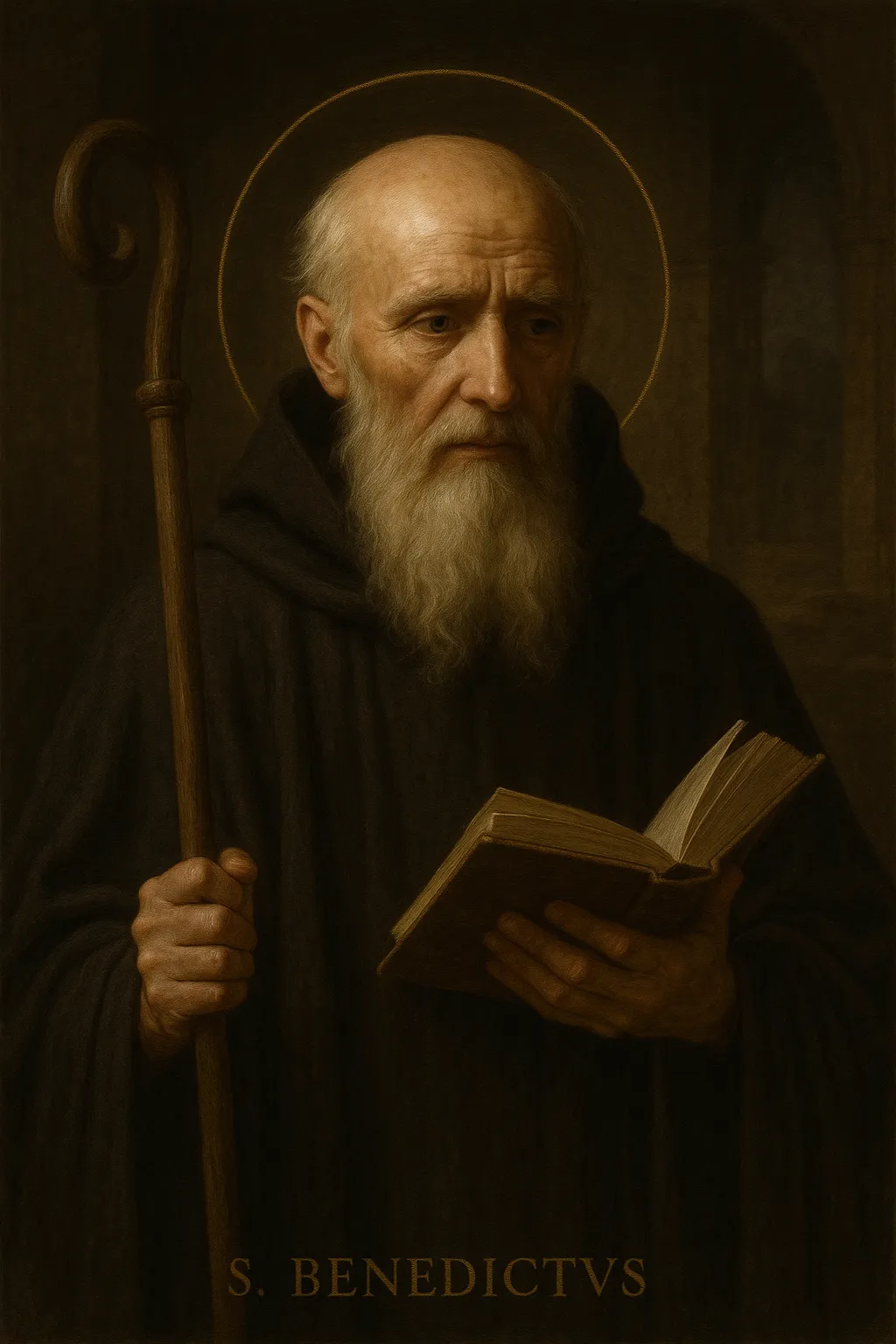
The father of the monastic tradition within which Hildegard lived and grew.

The patron of sacred music — a natural companion for the woman who composed the Symphonia.

The pope whose reform of sacred chant shaped the liturgical tradition Hildegard both inherited and extended.
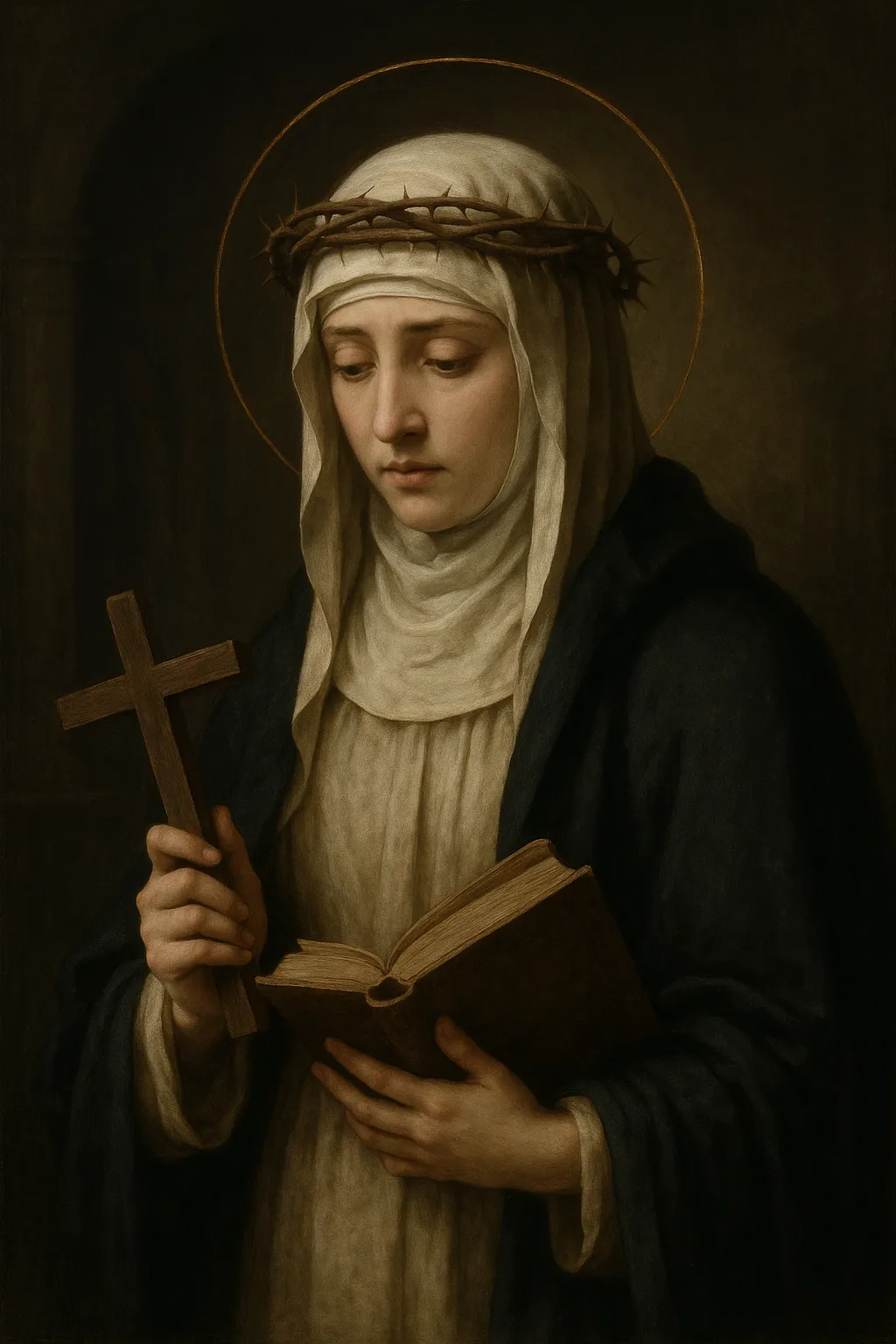
Another woman declared Doctor of the Church, who also wrote, prophesied, and corresponded with popes and rulers.
Destination Pages
Use these destination guides to move from inspiration into a real itinerary.
Add to Your Journey
Save this saint, add the connected places, or start a pilgrimage route.