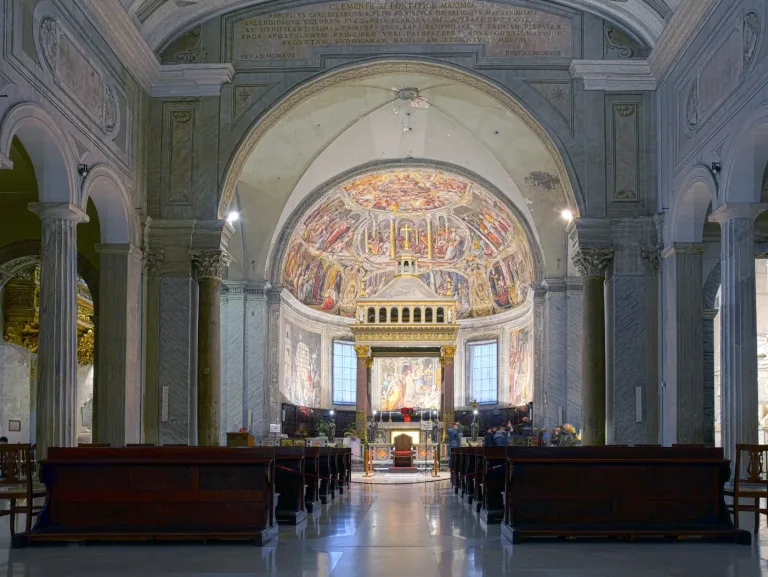
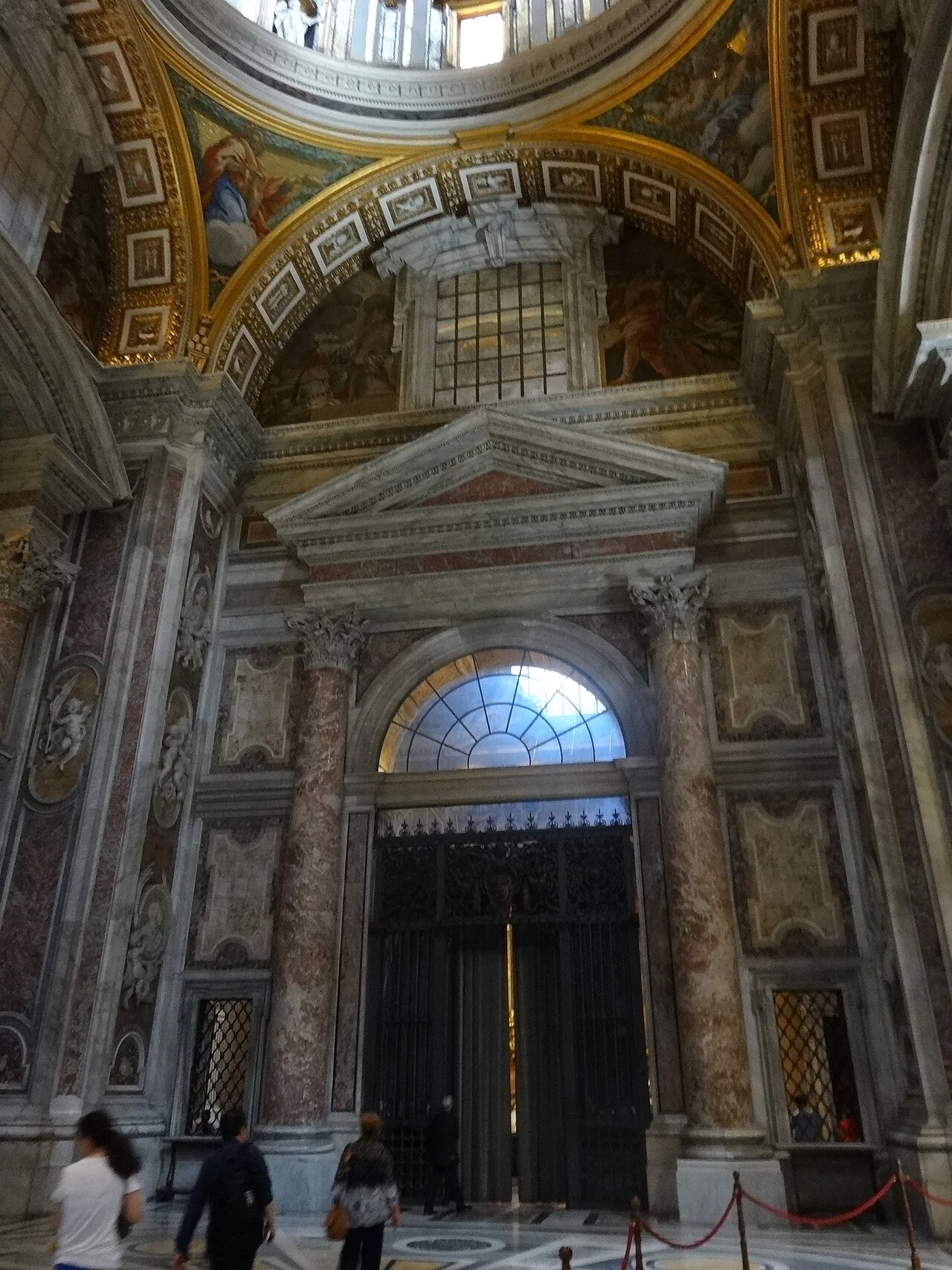
The Tomb of St. Peter
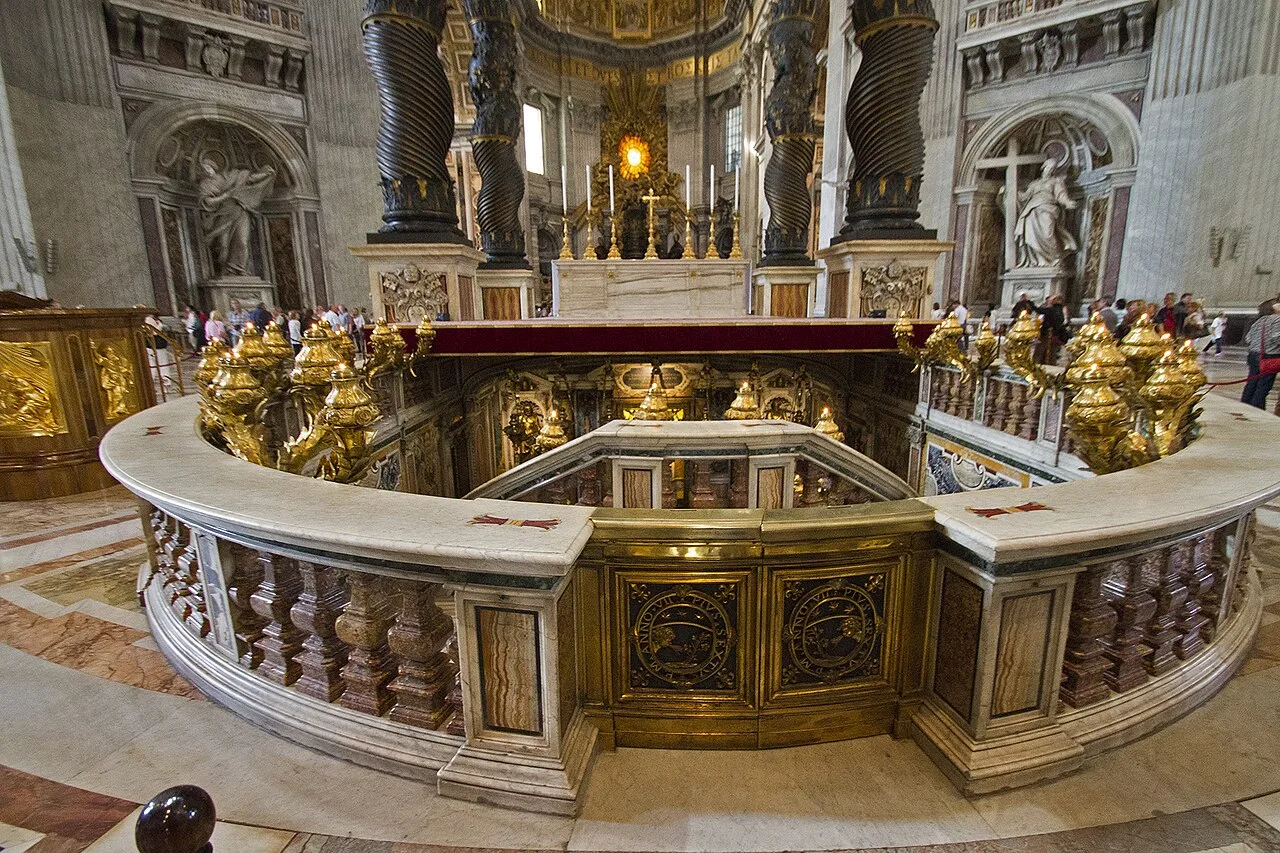
The burial place of the apostle Peter, beneath the high altar of the basilica raised over it. The shrine identifies the tomb at the heart of decades of excavation beneath the confessio.
Destinations · Sacred Relics
The places where the Church keeps memory close.
A relic is the bodily remains of a saint, or something closely associated with Christ or the saints, kept and honored by the Church. Some are documented across centuries; others are carried by long tradition or local devotion. This page tells you which is which, plainly, and shows you where pilgrims come to pray.
The Church has always kept the remains of the saints and the things associated with them. Pilgrims come not to worship matter, but to pray near a witness whose life still speaks. That distinction shapes everything on this page.
Many relics are well documented. Many are held by tradition. Some have only limited documentation, and a few are honored locally without firm historical record. Eternal Roam notes the tradition and its context, and where documentation is limited, says so plainly.
Relics are venerated, not adored. The honor passes to the saint, and through the saint to God. The Church permits this veneration; it does not require belief in any single relic's authenticity.
Some relics carry continuous documentation; others rest on attribution, local devotion, or ancient tradition. We hold these apart, and use the same four words for every entry so the reader always knows the ground they stand on.
We write as Catholics who take devotion seriously and the historical record honestly. Where a claim is traditional, we say "traditionally venerated as." Where attribution is questioned, we say so without embarrassment, and without sensationalism.
A relic is honored for the person it points to. The reverence is real whether the history is certain or only long remembered.
Every entry on Eternal Roam carries one of four words. It is not a rating of holiness or worth. It tells you how the relic is held: by record, by tradition, by local devotion, or under open question.
"The basilica preserves, with continuous record…"
Continuous historical documentation, scientific examination, or unbroken custody supports the identification. We still describe it as the Church and shrine do.
"Traditionally venerated as…"
Long and widely honored by the Church, resting on ancient tradition or attribution rather than modern documentation. Venerable, and named as such.
"Local tradition holds…"
Honored within a particular shrine, city, or community, without wider documentation. Real devotion, clearly located, and not overstated.
"Where documentation is limited, we say so plainly."
For relics where the record is limited or the attribution is questioned, we set out what is known and what is not, without sensationalism, and let the reader hold it as the Church does. The body of each entry carries the detail.
Relics are not all the same kind of thing. Knowing the type tells you what you will actually see, and what kind of attention the visit asks of you.
The grave where a saint rests, often beneath or behind the altar. The whole church is frequently built to face it. Pilgrims come here to pray at the burial place itself.
Long honored at
Tomb of St. Peter, Rome
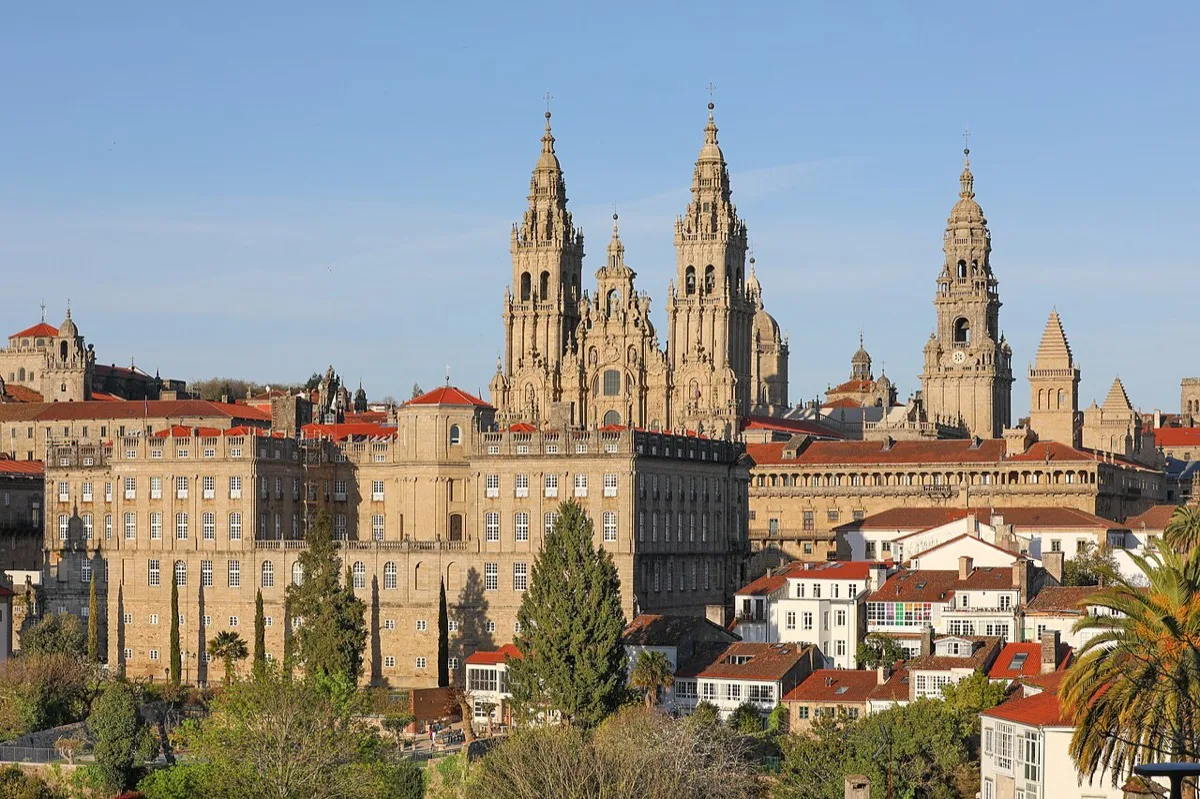
Tomb of St. James, Santiago
The bodily remains of a saint, sometimes displayed for veneration, and sometimes described by the shrine as incorrupt. We report what the shrine identifies, and what examination has and has not established.
Long honored at
St. Catherine, Siena
St. Bernadette, Nevers
An object closely associated with a saint or with Christ: clothing, possessions, or something that touched the holy. Long honored by pilgrims, and varying widely in documentation.
Long honored at
Tunic of St. Francis, Assisi
Chains of St. Peter, Rome
Relics associated with the Passion of Christ: the most venerated, and the most carefully treated. We use the shrine's own language and note the state of the historical record without sensationalism.
Long honored at
Shroud of Turin
Crown of Thorns, Paris
Relics associated with the Blessed Virgin Mary, most often textiles or veils. Long held by particular shrines and woven into a city's Marian devotion.
Long honored at
Veil of the Virgin, Chartres
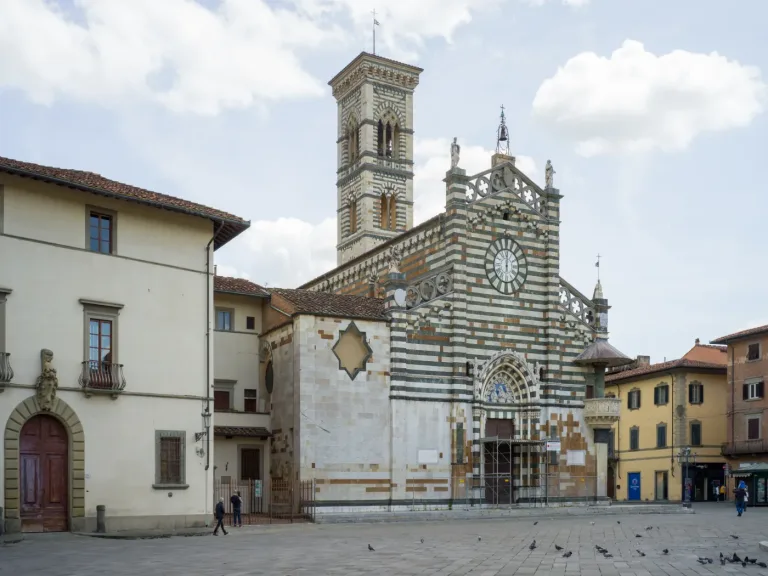
Holy Belt, Prato

A chapel, shrine, or treasury built to hold and display relics. The architecture itself becomes the act of veneration: gold, glass, and light arranged around what is kept.
Long honored at
Sainte-Chapelle, Paris
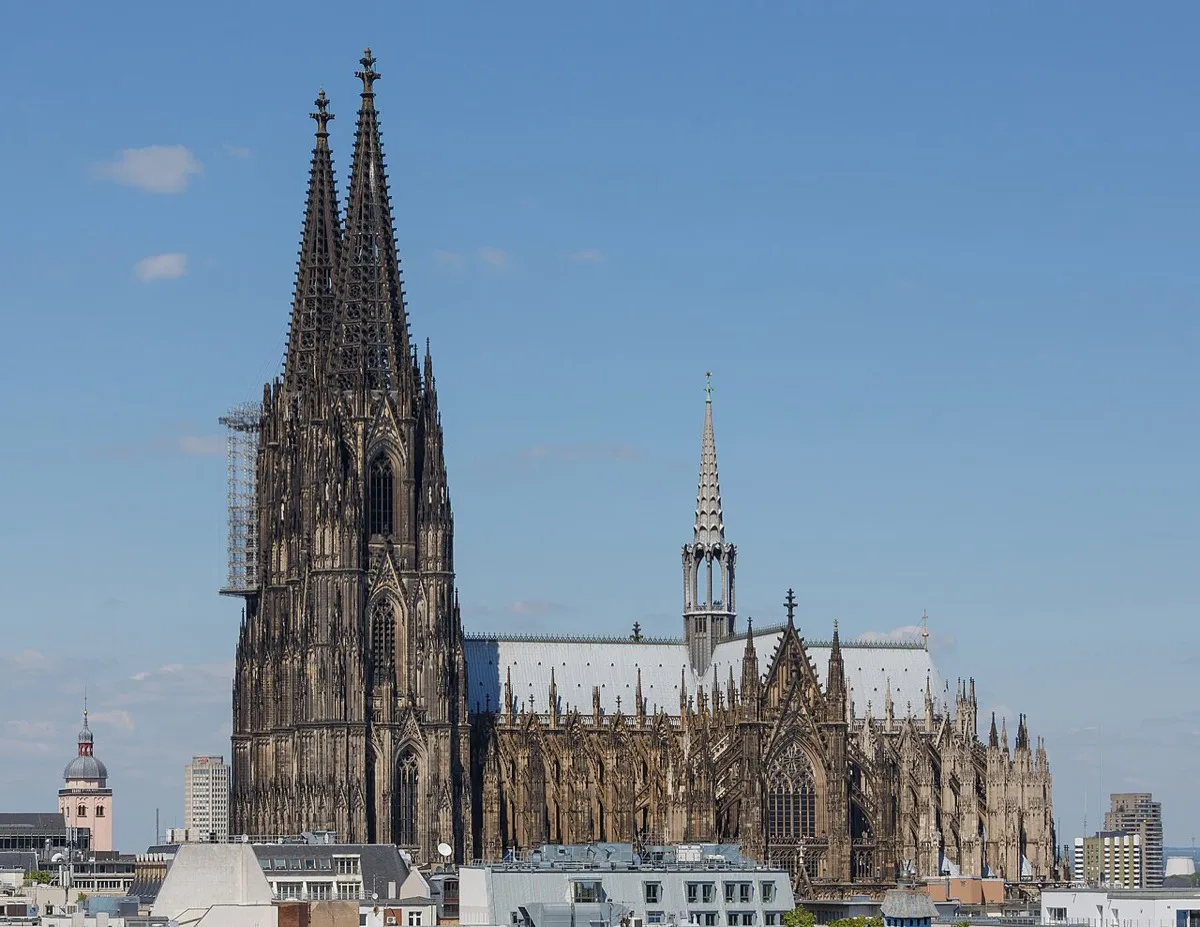
Shrine of the Three Kings, Cologne
Not the most spectacular objects, but the places where veneration, history, and pilgrimage meet most clearly. Each carries its context label openly.

The burial place of the apostle Peter, beneath the high altar of the basilica raised over it. The shrine identifies the tomb at the heart of decades of excavation beneath the confessio.

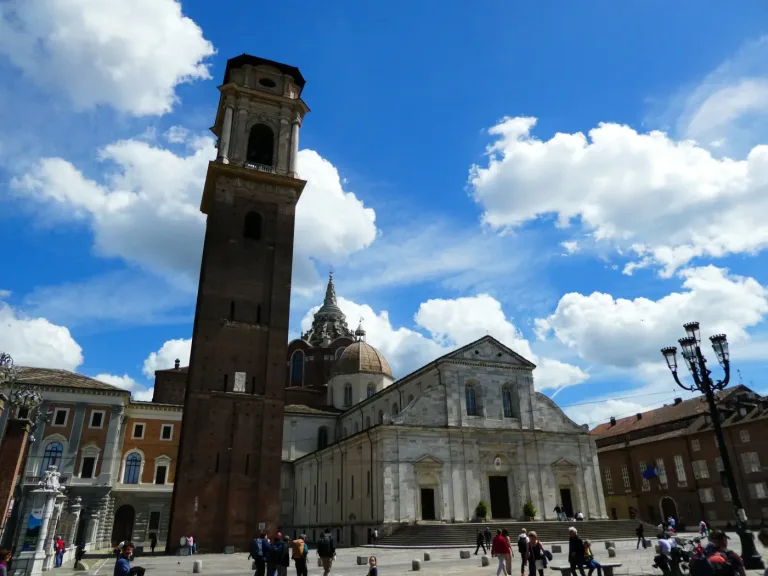
A linen cloth bearing the faint image of a crucified man, long associated with the burial of Christ. The cathedral preserves it; the Church permits its veneration without ruling on its origin.

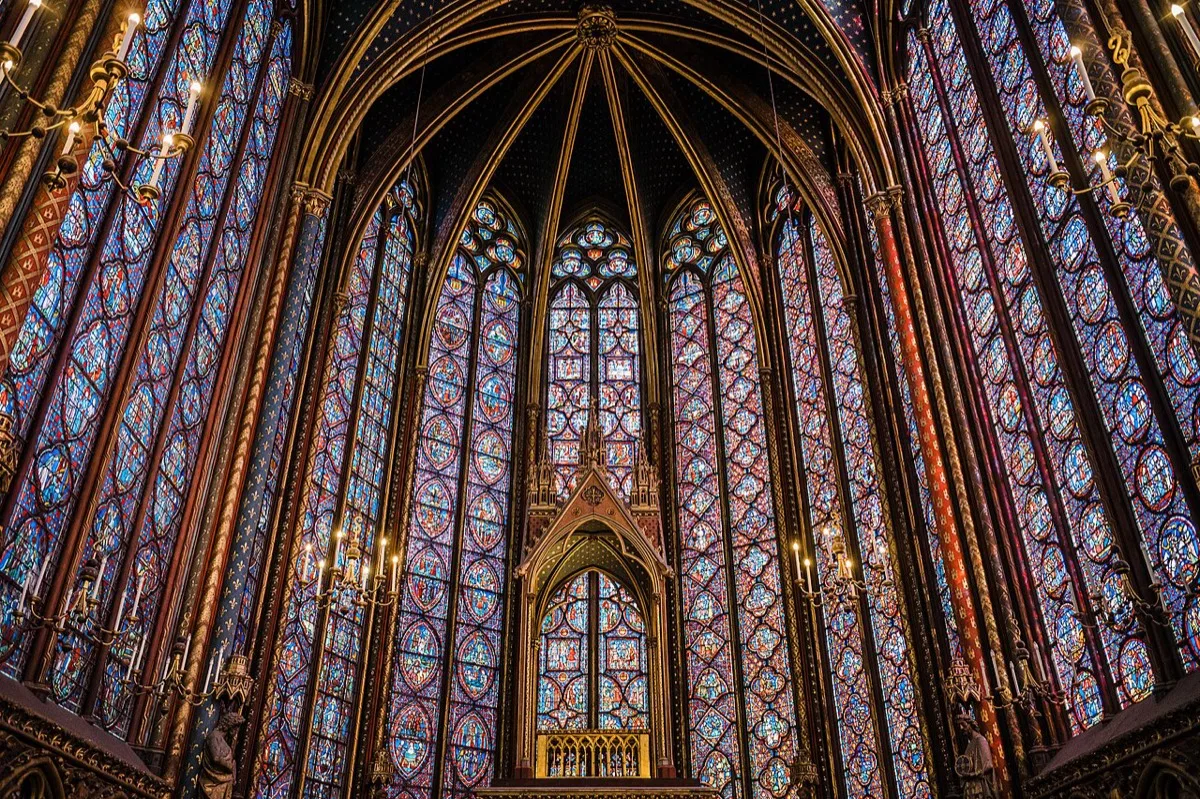
A circlet of rushes, traditionally venerated as the crown placed on Christ at his Passion. Brought to Paris in the thirteenth century, for which Sainte-Chapelle was built as its reliquary.

The body of the visionary of Lourdes, kept in a glass shrine and described by the convent as incorrupt. We report what examinations have recorded and what the shrine states.

A length of silk, long honored at Chartres as a garment of the Virgin Mary and given to the cathedral in the ninth century. Local tradition holds it as the cloth she wore.
A great golden shrine traditionally venerated as holding the relics of the Magi, and the documented tomb of Francis beneath his basilica. Both essential, each held differently, and each labeled as such.
See all essential relics →Different relics ask for different attention. Begin with the kind that draws you, then follow it across the collection to the saints and shrines that hold it.
The burial places pilgrims have walked to for centuries, often beneath the altar of the church built to face them.
Peter · James · Francis · Nicholas Browse the collection →Where the bodily remains of a saint are kept for veneration, reported as the shrine describes them.
Catherine · Bernadette · Clare Browse the collection →Garments, possessions, and objects long associated with the saints and with Christ.
Tunic of Francis · Chains of Peter Browse the collection →Relics associated with the suffering and death of Christ, the most venerated and the most carefully written.
Shroud · Crown of Thorns · True Cross Browse the collection →Veils, garments, and textiles long honored as associated with the Blessed Virgin Mary.
Veil of Chartres · Holy Belt of Prato Browse the collection →The chapels and shrines built to hold relics, where the architecture is itself an act of veneration.
Sainte-Chapelle · Cologne · Conques Browse the collection →Each entry carries its relic type and its context label. Filter by what is held, or read straight through. Nothing here is ranked by holiness.

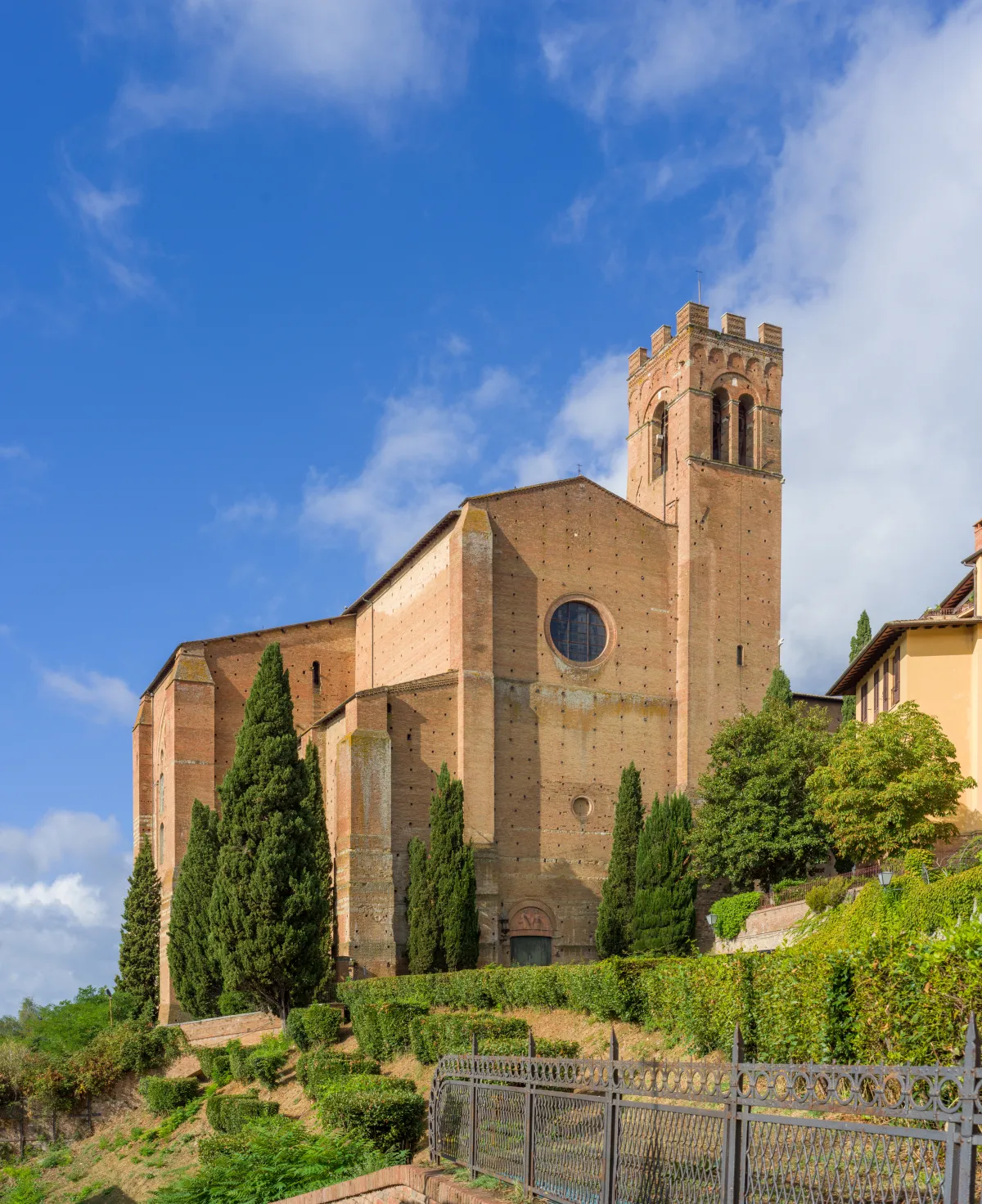
The relic of her head is kept at the Basilica of San Domenico, with her body in Rome. The shrine preserves both, and the city's devotion is centuries deep.

A great gilded reliquary behind the high altar of the cathedral, traditionally venerated as holding the relics of the Magi since the twelfth century.

The destination of the Camino, beneath the high altar of the cathedral. The shrine identifies this as the burial place of the apostle James the Greater.

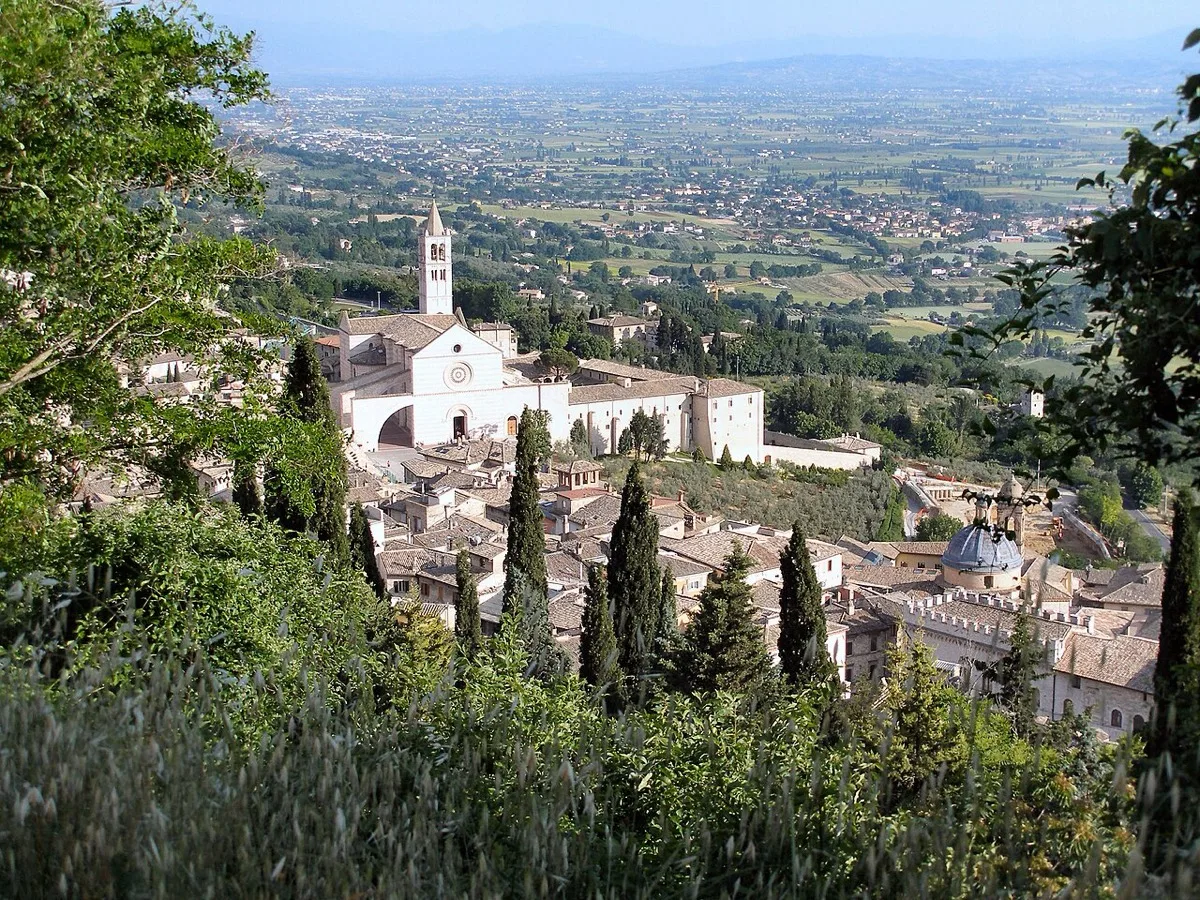
Garments associated with Francis are preserved in the Basilica of Santa Chiara and the Sacro Convento, alongside the documented tomb of the saint.

Traditionally venerated as the crown of Christ's Passion, now kept at Notre-Dame. Sainte-Chapelle was raised in the thirteenth century to hold it.

Kept at San Pietro in Vincoli, traditionally venerated as the chains that bound the apostle in prison. The basilica preserves them above the altar.

A girdle long honored as a relic of the Virgin Mary, shown from the cathedral's outdoor pulpit on feast days. Local tradition holds it dearly.

A linen cloth long associated with the burial of Christ, preserved at the cathedral. Its origin is questioned; the Church permits veneration without ruling on it.

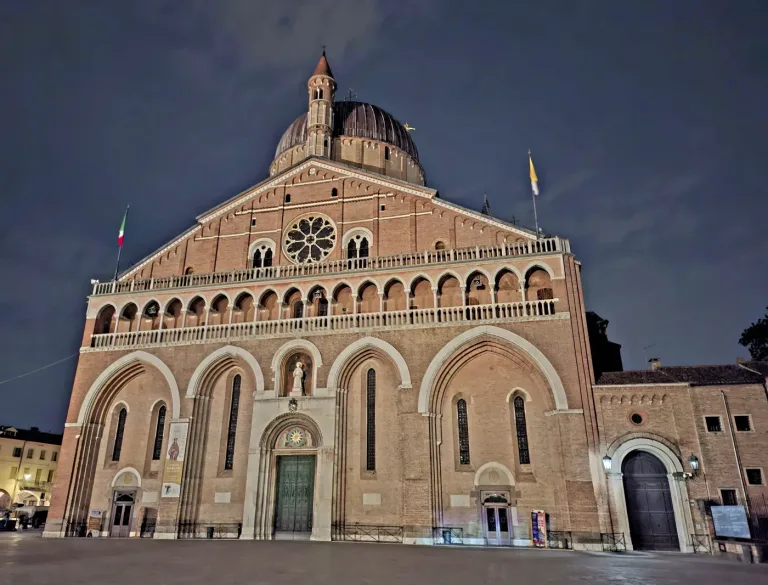
The basilica preserves notable relics of Anthony, including the tongue and jaw, with the tomb drawing pilgrims through the year. The shrine documents what is kept.
More relic guides are being written and added to the collection.
A short, practical guide for first-time pilgrims and returning ones. Veneration is simpler than it looks, and the shrine will guide you the rest of the way.
Read the relic's type and context label before you arrive. It tells you what you will see and how the shrine itself describes it, so the visit meets your expectation honestly.
Most relics are kept near or beneath an altar, often in a side chapel or crypt. Lower your voice, follow the shrine's signs, and let those praying ahead of you take their time.
Pilgrims come here to pray before the saint, not to inspect an object. A short prayer, a moment of stillness, or a candle lit is the whole of what is asked.
Many shrines limit photography near relics, and some are shown only on the saint's feast. Check the day before you travel; the entry notes major feasts and access.

Begin with a relic that draws you, follow it to the saint whose life it carries, and let the collection connect it to the shrines and cities around it. We will tell you plainly what is documented and what is held by tradition, and trust you to pray well either way.
Imagery · sacred-place pictures, locally hosted derivatives