Italy / Europe · Umbria

Assisi

The hill town of Francis and Clare, where Franciscan life began and is still venerated.

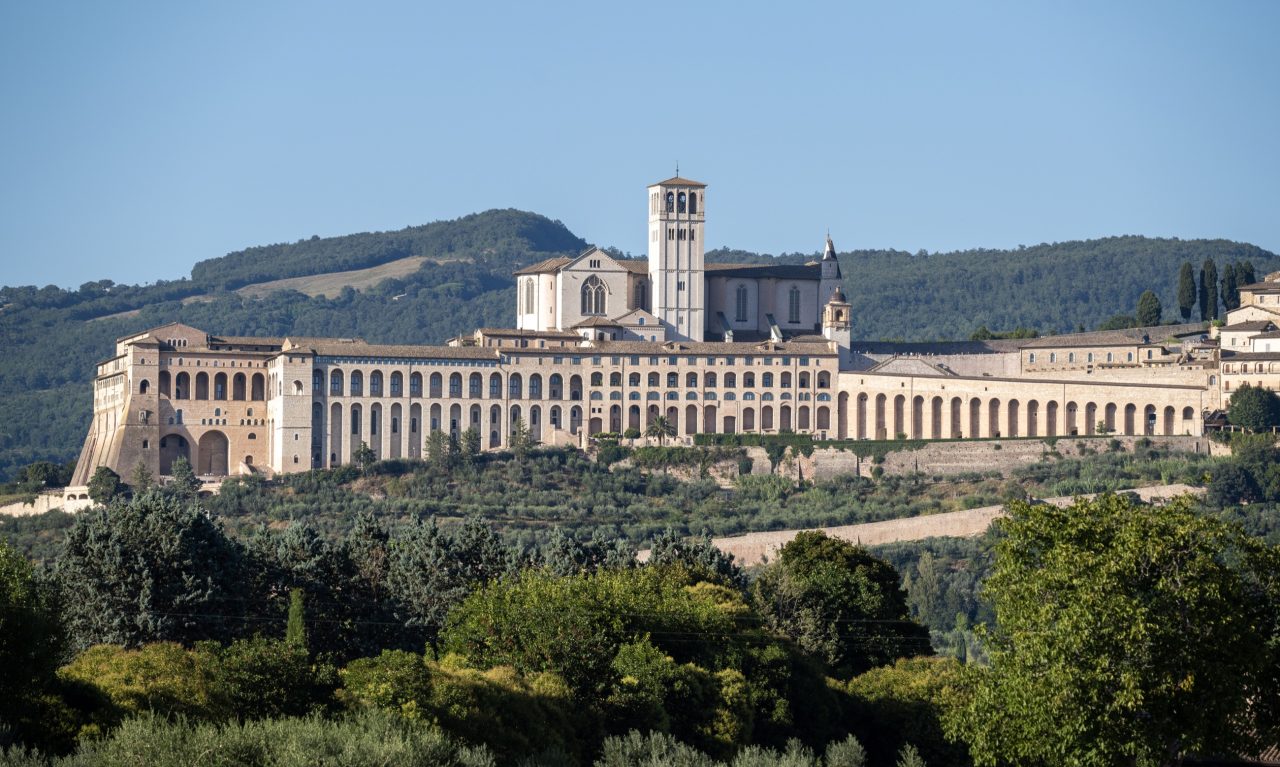
Assisi is a small Umbrian town built into the slope of Mount Subasio. Within a short walk you can stand at the tomb of Saint Francis, the tomb of Saint Clare, the chapel where Francis heard Christ speak from the crucifix, and the cathedral where both were baptized. The Porziuncola and the Eremo delle Carceri lie just outside the walls.

City Hub Italy Best for: Franciscan pilgrimage, tombs of Francis and Clare, hermitage prayer, medieval churches Suggested time: 1 to 2 days

Wikimedia Commons

Why This City Matters

Why Assisi Matters

Assisi is where the Franciscan movement began and where its memory remains most concentrated. The Basilica of Saint Francis preserves his tomb and a major fresco tradition that shaped Western art. The Basilica of Saint Clare holds her body and the original San Damiano crucifix. San Damiano, the Porziuncola, and the Eremo delle Carceri trace the geography of conversion, foundation, and contemplation. The Cathedral of San Rufino was the parish of Francis and Clare and remains the city's seat of worship. The Santuario della Spogliazione has become a major pilgrimage site for the body of Saint Carlo Acutis.

Orientation

Where to Begin in Assisi

A practical guide based on how much time you have.

A Few Hours

Walk the spine of the old town: the Basilica of Saint Francis at the western end, the Cathedral of San Rufino at the center, and the Basilica of Saint Clare on the southern side. Pray briefly at the tomb of Francis in the lower crypt and at the tomb of Clare before her preserved crucifix from San Damiano.

  • Basilica of Saint Francis (tomb of Francis)
  • Cathedral of San Rufino
  • Basilica of Saint Clare (tomb of Clare, San Damiano crucifix)
One Day

Begin at the Basilica of Saint Francis in the morning. Walk through the old town to the Cathedral of San Rufino and the Basilica of Saint Clare. After midday, descend to San Damiano outside the walls, then continue to the Porziuncola at Santa Maria degli Angeli in the valley. Return to Assisi for the evening.

  • Basilica of Saint Francis
  • Cathedral of San Rufino
  • Basilica of Saint Clare
  • San Damiano
  • Porziuncola at Santa Maria degli Angeli
Two Days

Day 1: the town itself — the Basilica of Saint Francis, the Cathedral of San Rufino, the Basilica of Saint Clare, and the Santuario della Spogliazione for Saint Carlo Acutis. Day 2: the Franciscan landscape outside the walls — San Damiano, the Porziuncola, Rivotorto, and the Eremo delle Carceri on Mount Subasio.

  • Day 1: Basilica of Saint Francis, San Rufino, Saint Clare, Santuario della Spogliazione
  • Day 2: San Damiano, Porziuncola, Rivotorto, Eremo delle Carceri

Best First Sacred Sites

Basilica of Saint Francis

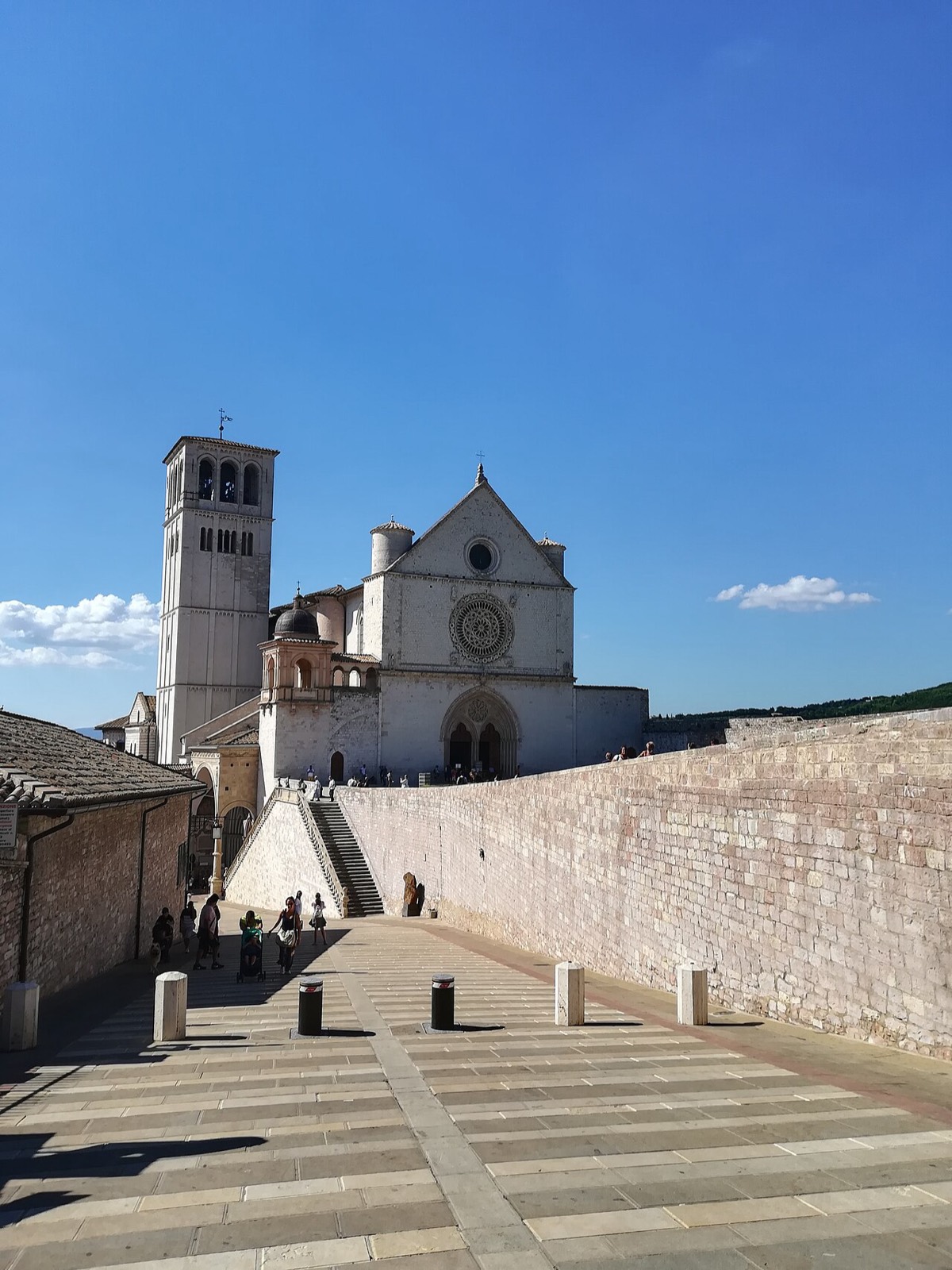
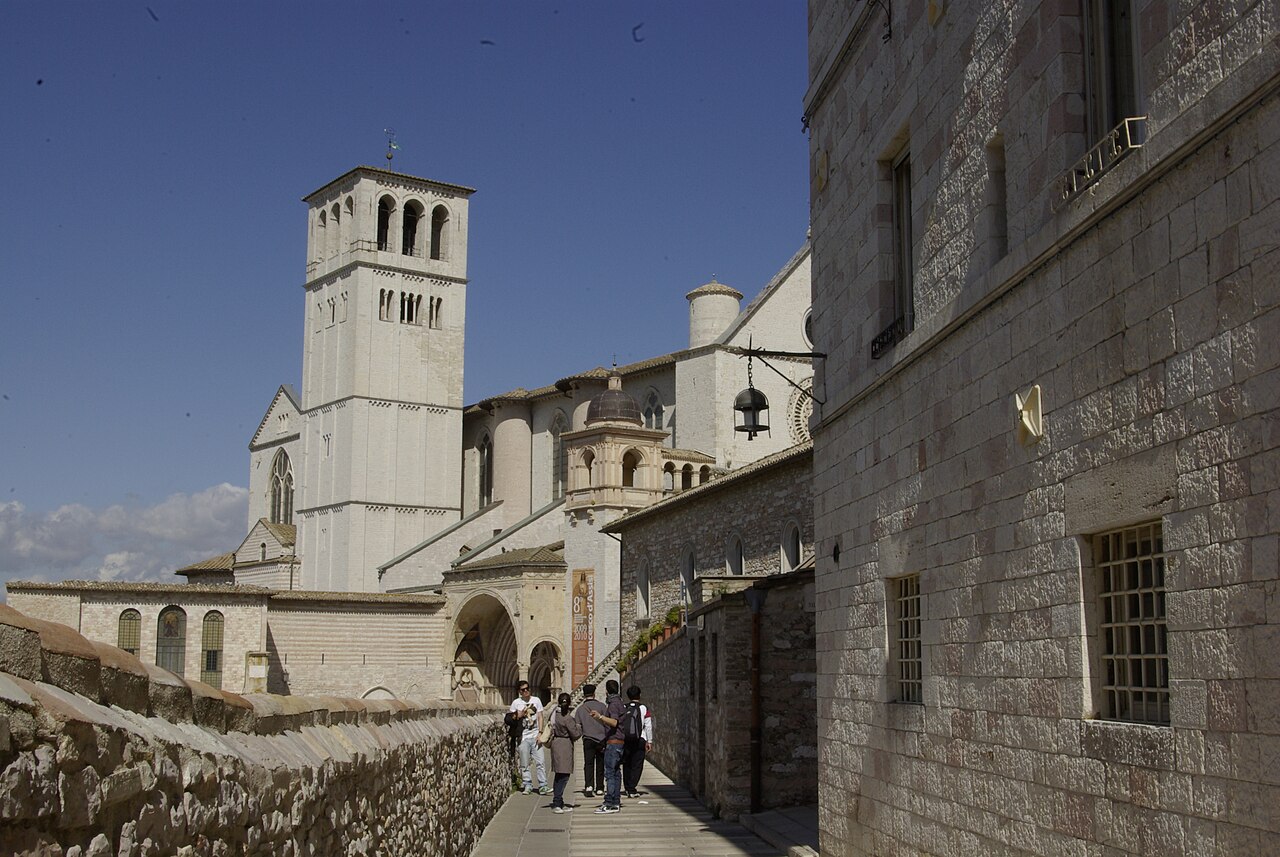
The tomb of Francis and the great fresco cycle of his life. The natural first stop in Assisi.

Basilica of Saint Clare

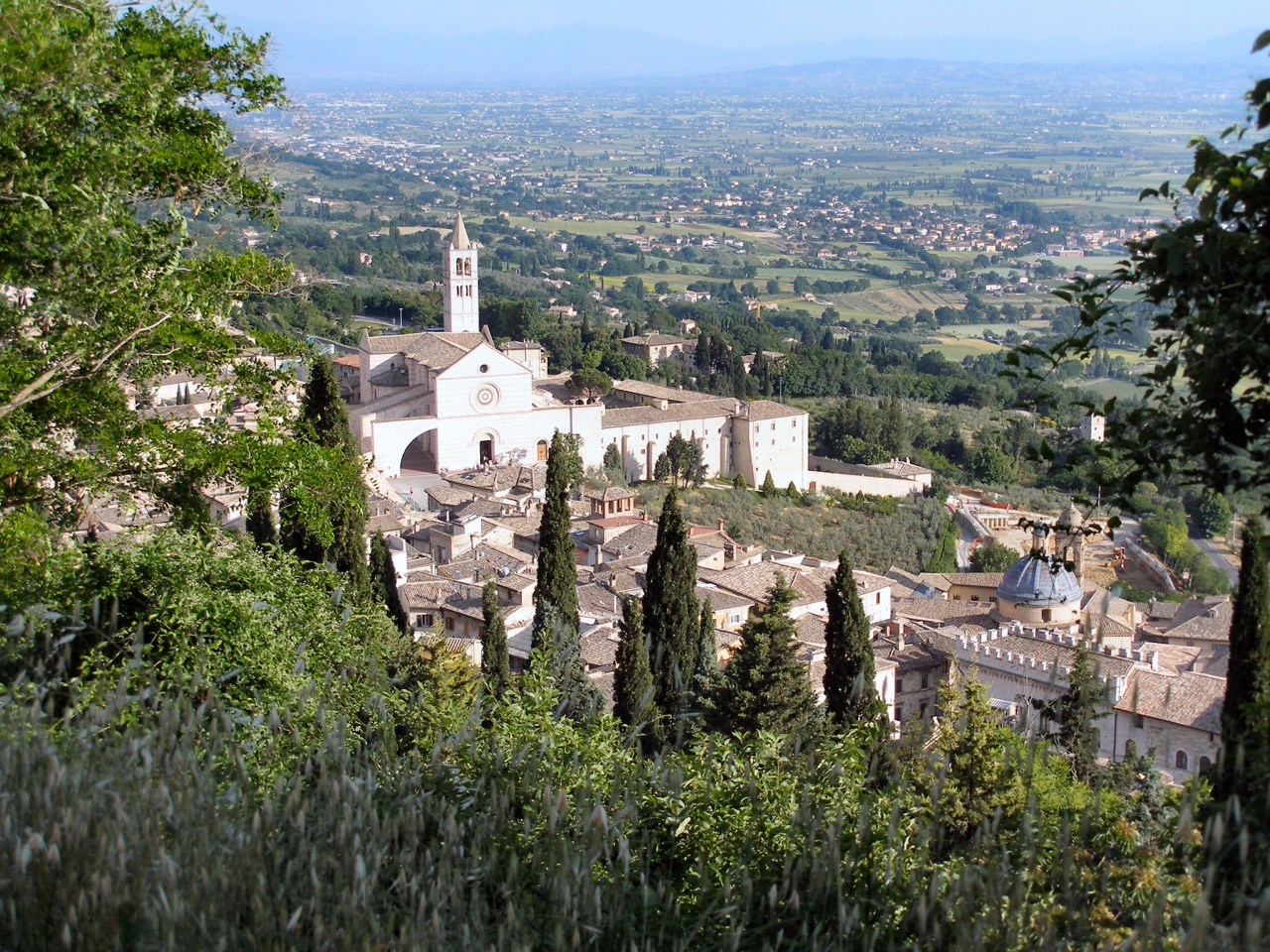
The tomb of Clare and the original San Damiano crucifix that spoke to Francis.

Porziuncola (Santa Maria degli Angeli)

The small chapel where the Franciscan movement was born and where Francis died.

Eremo delle Carceri

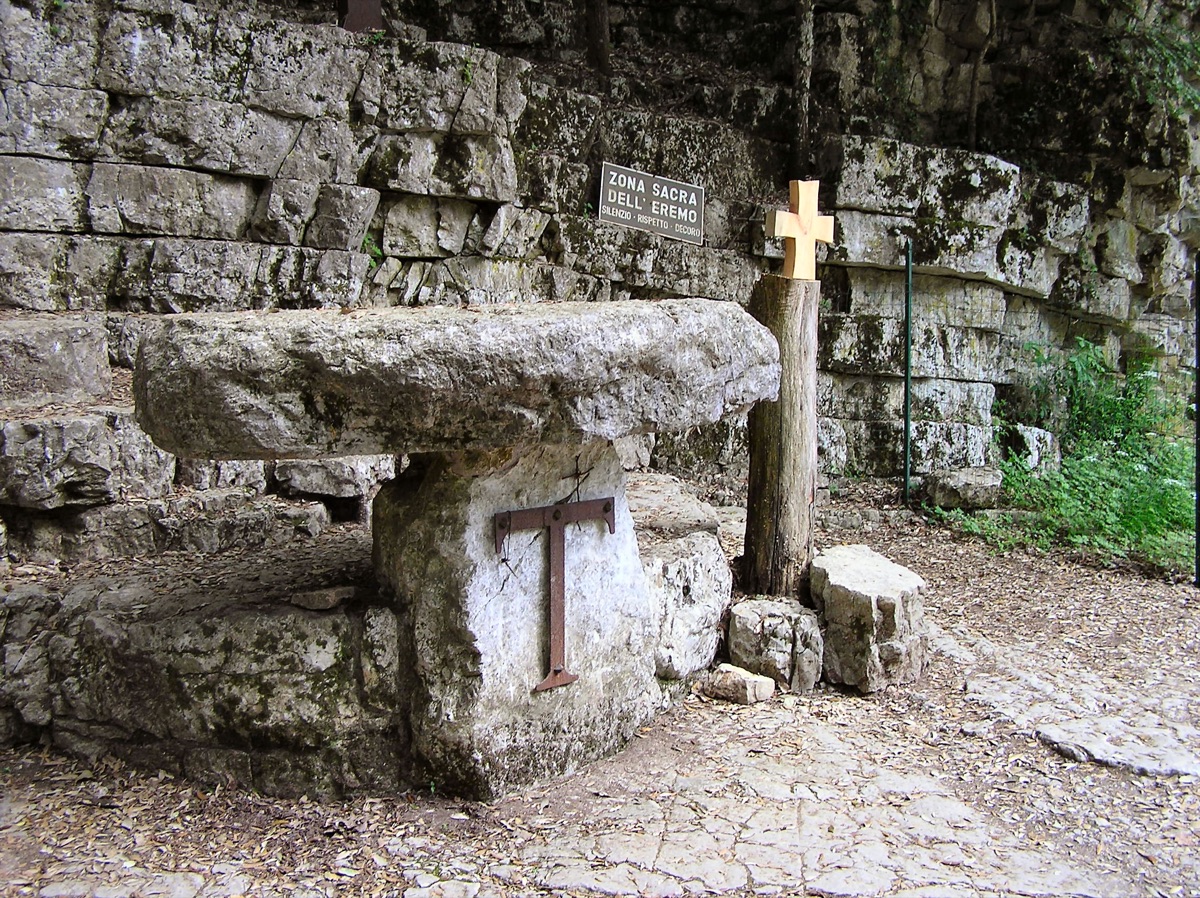
The hermitage on Mount Subasio where Francis withdrew to pray. A quieter counterweight to the basilicas.

Start Here

Essential Sacred Places

The first layer of Catholic Assisi: churches, relic chapels, patron saints, martyr memory, and places of prayer.

Papal Basilica Coming soon

Basilica of Saint Francis

Tomb of Francis, the great Franciscan fresco tradition

Area
Piazza San Francesco

The Upper and Lower Basilicas built into the western edge of Assisi, with the tomb of Saint Francis in the crypt beneath the Lower Basilica. The frescoes by Giotto, Cimabue, and the Lorenzetti shaped the visual memory of Francis for centuries.

Saints Saint Francis of Assisi

Relics Tomb of Saint Francis

Page coming soon
Basilica Coming soon

Basilica of Saint Clare

Tomb of Clare, original San Damiano crucifix

Area
Piazza Santa Chiara

Built in the 13th century on the hillside above the southern town. The body of Saint Clare rests in the crypt, and the original wooden crucifix from San Damiano — the one before which Francis prayed — is preserved in the side chapel.

Saints Saint Clare of Assisi

Relics Body of Saint Clare, San Damiano crucifix

Page coming soon
Church and Cloister Coming soon

San Damiano

Conversion of Francis, first Poor Clare community

Area
Below the southern walls

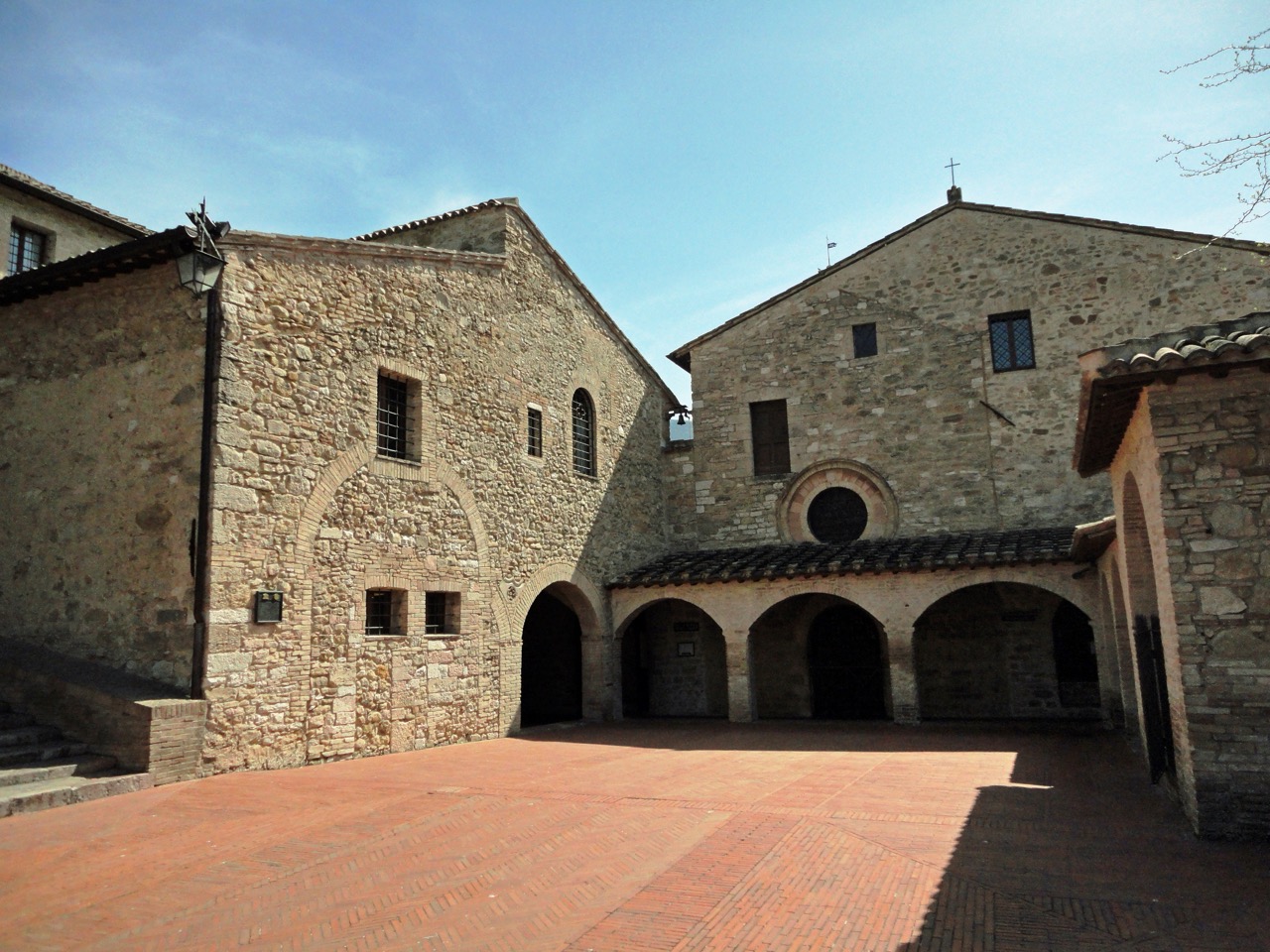
The small church below the walls where Francis heard Christ speak from the crucifix and where Clare and her first sisters lived in enclosure. The buildings retain a 13th-century quietness that the larger basilicas do not.

Saints Saint Francis of Assisi, Saint Clare of Assisi

Relics Site of the San Damiano crucifix

Page coming soon
Basilica and Chapel Coming soon

Porziuncola at Santa Maria degli Angeli

Founding chapel of the Franciscan movement

Area
Santa Maria degli Angeli, in the valley below Assisi

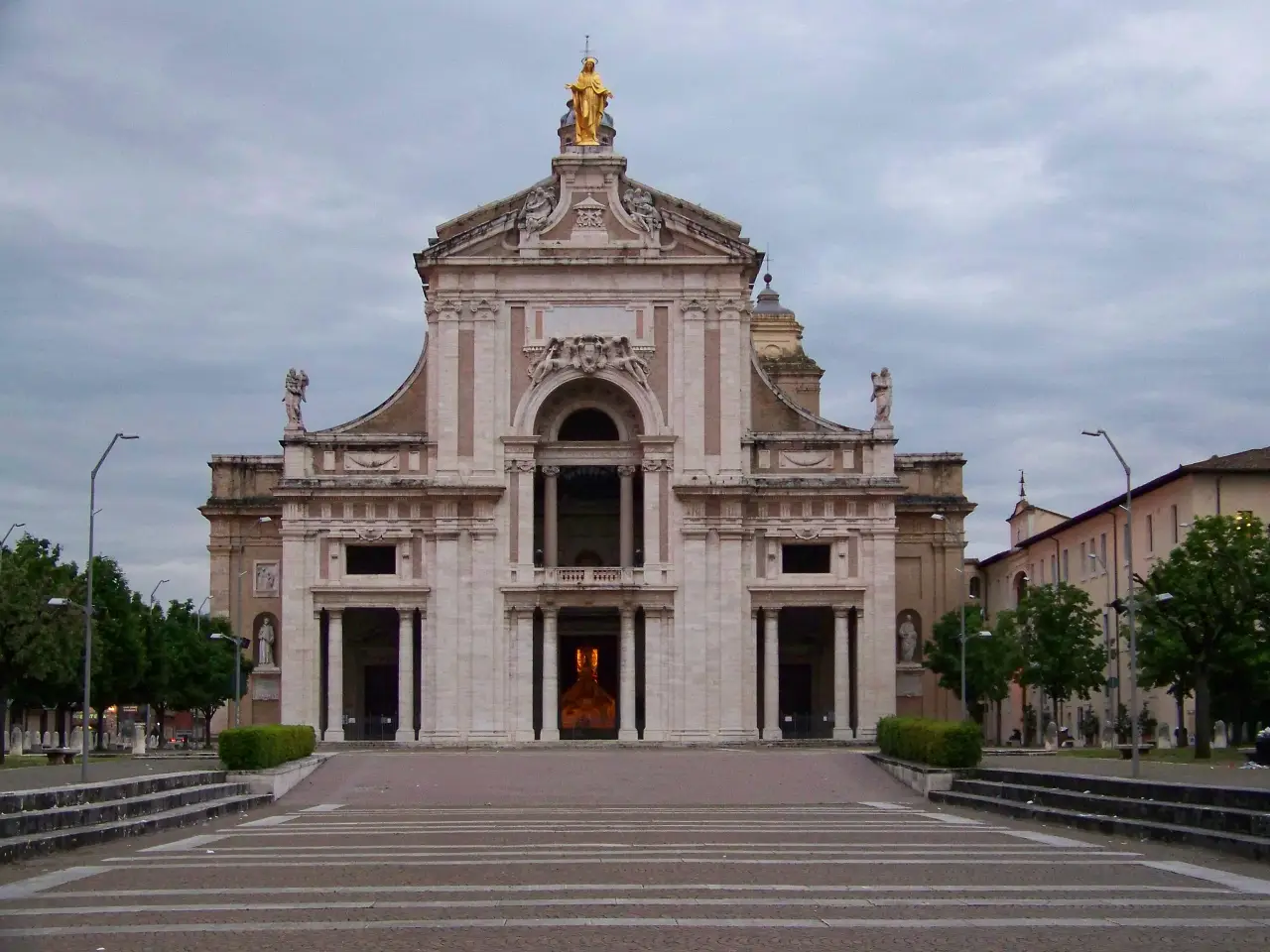
The little 9th-century chapel where Francis gathered his first brothers, received Clare into religious life, and died in 1226. A larger basilica was built around it in the 16th century; the Porziuncola itself stands intact under the central dome.

Saints Saint Francis of Assisi

Relics Porziuncola chapel, Cell of the death of Saint Francis

Page coming soon
Cathedral Coming soon

Cathedral of San Rufino

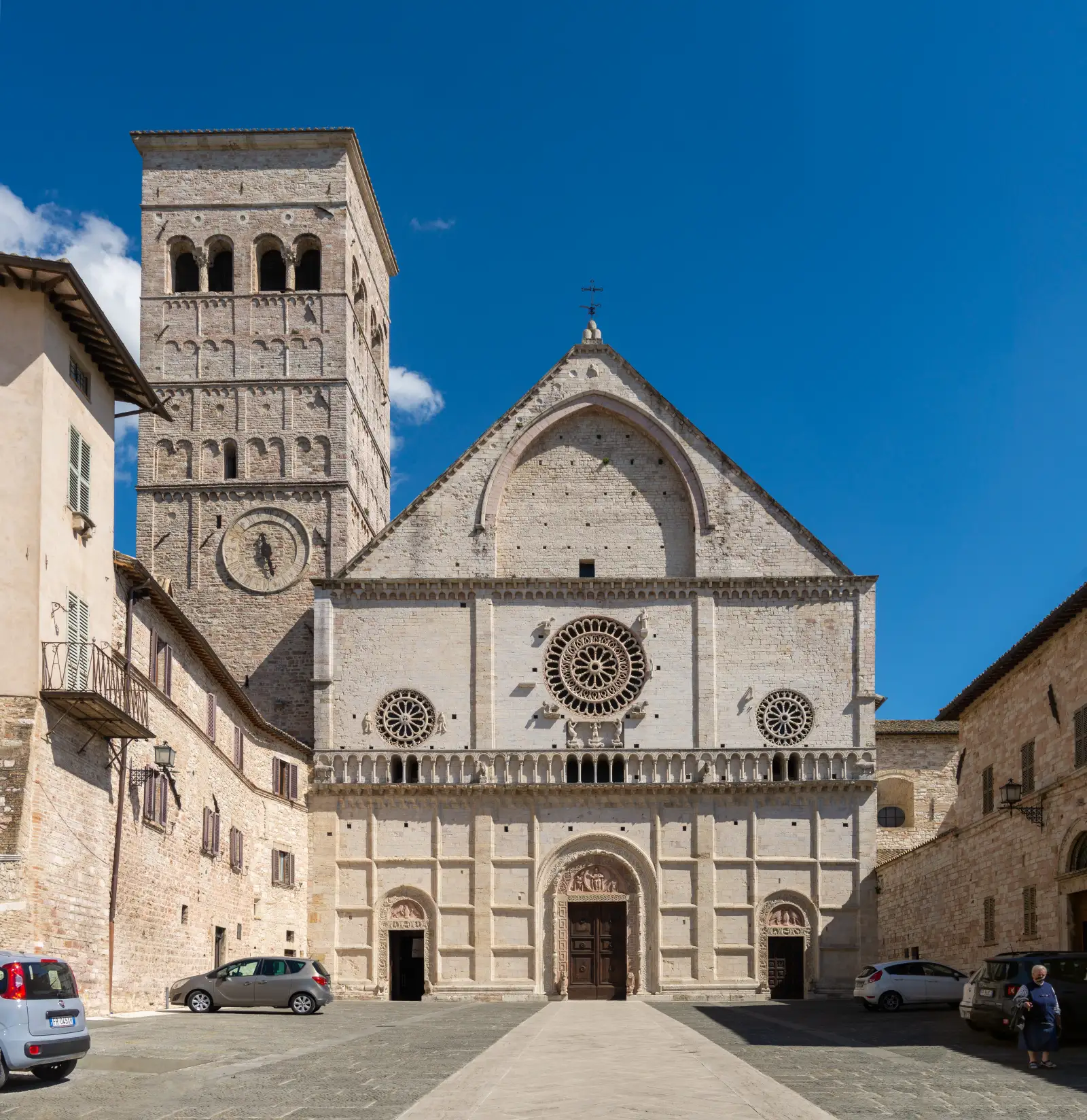
Romanesque cathedral, baptismal font of Francis and Clare

Area
Piazza San Rufino

The 12th-century cathedral on the highest piazza of the old town, with one of the finest Romanesque facades in Umbria. The baptismal font where Francis, Clare, and Saint Rufinus are traditionally said to have been baptized is preserved inside.

Saints Saint Rufinus of Assisi, Saint Francis of Assisi, Saint Clare of Assisi

Relics Relics of Saint Rufinus, Baptismal font of Francis and Clare

Page coming soon
Hermitage Coming soon

Eremo delle Carceri

Mount Subasio, contemplative withdrawal

Area
Mount Subasio, east of Assisi

The hermitage above Assisi on Mount Subasio where Francis and his brothers withdrew to pray. The site preserves caves, a small medieval church, and a wooded enclosure that remains markedly silent compared to the town below.

Saints Saint Francis of Assisi

Page coming soon
Shrine Coming soon

Santuario della Spogliazione

Body of Saint Carlo Acutis, site of the renunciation

Area
Piazza Vescovado

The bishop's church and former palace where, according to tradition, Francis returned his clothes to his father before the bishop. The shrine now also preserves the body of Saint Carlo Acutis, drawing a younger generation of pilgrims to Assisi.

Saints Saint Carlo Acutis, Saint Francis of Assisi

Relics Body of Saint Carlo Acutis

Page coming soon
Church Coming soon

Chiesa Nuova

Traditional family house of Francis

Area
Piazza Chiesa Nuova

A small 17th-century church built over the site long held by local tradition to be the home of Francis's family. Pilgrims visit the small rooms beneath the church associated with his early life; the identification is traditional rather than archaeologically certain.

Saints Saint Francis of Assisi

Page coming soon
Sanctuary Coming soon

Sanctuary of Rivotorto

First Franciscan community

Area
Rivotorto, south of Santa Maria degli Angeli

The sanctuary in the valley below Assisi built over the small hovels (tuguri) where Francis and his earliest companions lived after their return from Rome and before the move to the Porziuncola. The current church is 19th-century, but the site is part of the foundational Franciscan geography.

Saints Saint Francis of Assisi

Page coming soon

Assisi by Theme

Build the Visit Around a Thread

Explore Assisi through its distinct Catholic threads. Each leads to different churches, saints, relics, and memories.

Francis and the Early Brotherhood

  • Basilica of Saint Francis Coming soon
  • Porziuncola at Santa Maria degli Angeli Coming soon
  • Sanctuary of Rivotorto Coming soon
  • Chiesa Nuova Coming soon

Clare and the Poor Clares

  • Basilica of Saint Clare Coming soon
  • San Damiano Coming soon

Prayer Outside the Walls

  • Eremo delle Carceri Coming soon
  • San Damiano Coming soon
  • Porziuncola at Santa Maria degli Angeli Coming soon

Assisi for First-Time Pilgrims

  • Basilica of Saint Francis Coming soon
  • Basilica of Saint Clare Coming soon
  • Cathedral of San Rufino Coming soon
  • Porziuncola at Santa Maria degli Angeli Coming soon

Tombs and Memory

  • Basilica of Saint Francis Coming soon
  • Basilica of Saint Clare Coming soon
  • Cathedral of San Rufino Coming soon
  • Santuario della Spogliazione Coming soon

Saints Connected to Assisi

Holy Lives in the City’s Memory

A concise guide to saints and blesseds whose lives, relics, missions, or communities help explain Catholic Assisi.

Available

Saint Francis of Assisi

Era
12th–13th century
Feast
October 4

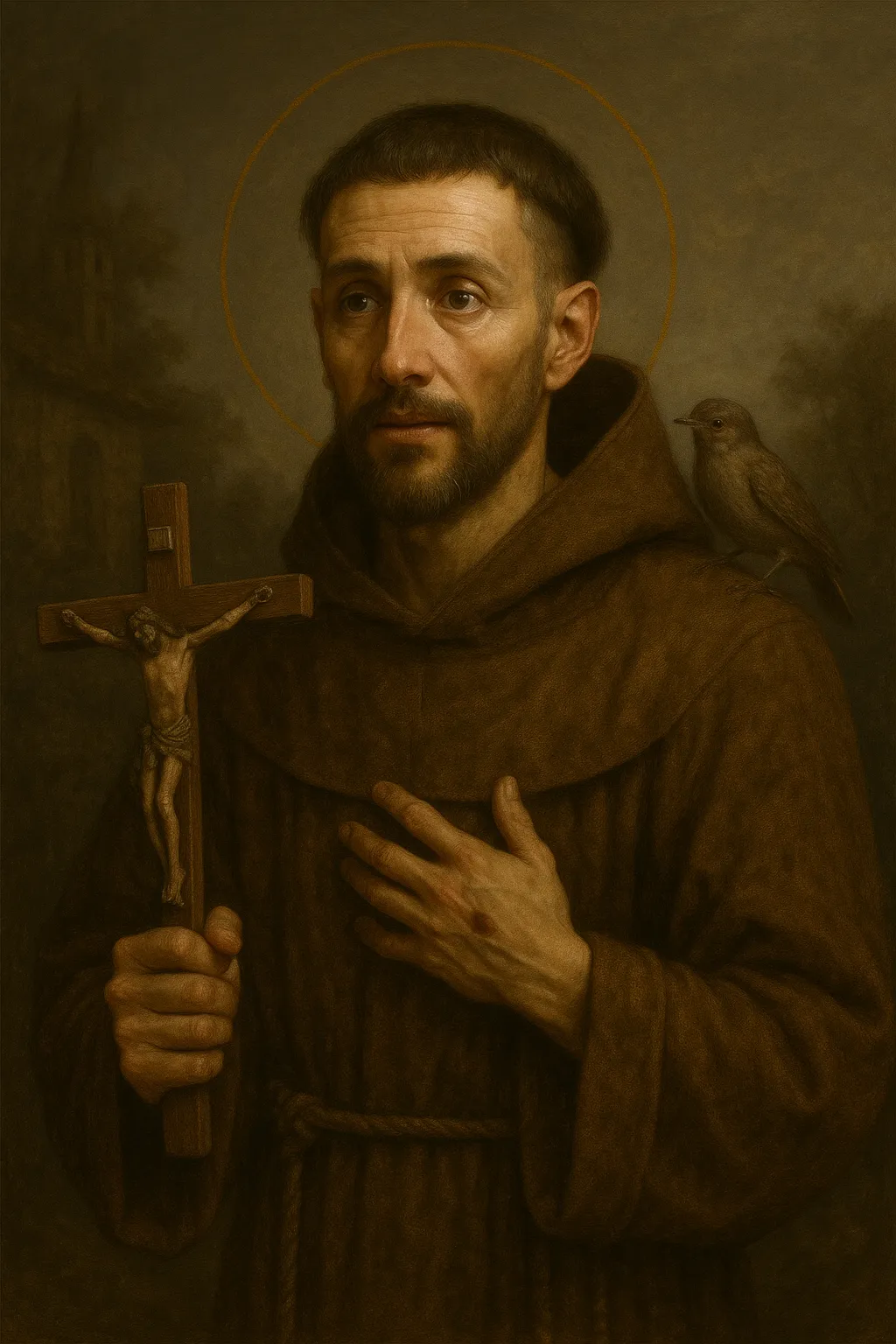
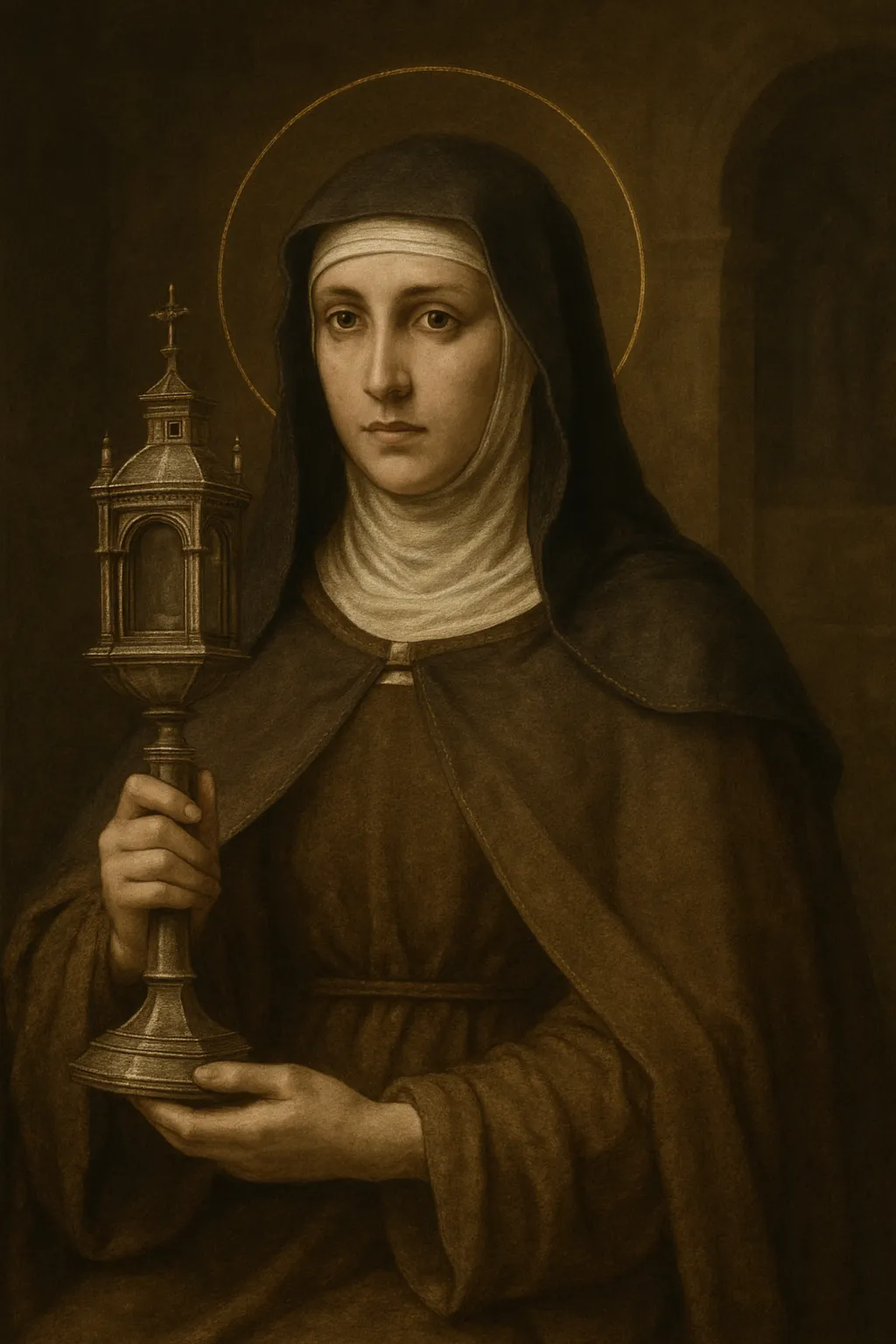
Born and baptized in Assisi, converted at San Damiano, founded his brotherhood at the Porziuncola, and was buried beneath the Basilica that bears his name.

Connected place: Basilica of Saint Francis, San Damiano, Porziuncola

Available

Saint Clare of Assisi

Era
12th–13th century
Feast
August 11

Followed Francis into religious life, founded the Poor Clares at San Damiano, and was buried beneath the Basilica of Saint Clare.

Connected place: Basilica of Saint Clare, San Damiano

Coming soon

Saint Agnes of Assisi

Era
13th century
Feast
November 16

Younger sister of Clare who joined her at San Damiano and helped extend the Poor Clares beyond Assisi.

Connected place: San Damiano, Basilica of Saint Clare

Coming soon

Saint Rufinus of Assisi

Era
3rd century
Feast
August 11

First bishop and patron of Assisi, traditionally identified as a martyr. His relics rest in the cathedral that bears his name.

Connected place: Cathedral of San Rufino

Coming soon

Saint Carlo Acutis

Era
21st century
Feast
October 12

Asked to be buried in Assisi out of devotion to Saint Francis. His body is venerated at the Santuario della Spogliazione.

Connected place: Santuario della Spogliazione

Relics, Tombs, and Sacred Objects

What Pilgrims Venerate and Remember

Assisi gathers four major Franciscan veneration sites — the tombs of Francis and Clare, the San Damiano crucifix, and the Porziuncola — within a short walk, alongside the relics of Saint Rufinus and the body of Saint Carlo Acutis.

Tomb of

Tomb of Saint Francis

Basilica of Saint Francis (crypt of the Lower Basilica)

The body of Saint Francis, hidden for centuries and rediscovered in 1818, rests in a stone reliquary at the center of the crypt. The crypt remains a working place of prayer.

Body of

Body of Saint Clare

Basilica of Saint Clare (crypt)

The body of Clare lies in the crypt of the basilica. The relics of her hair, habit, and personal items are preserved nearby.

Traditionally venerated as

San Damiano Crucifix

Basilica of Saint Clare (Chapel of the Crucifix)

The original Byzantine-style wooden crucifix from San Damiano, the cross before which Francis prayed at his conversion, is preserved in the chapel beside the main nave. A copy remains in the church of San Damiano itself.

Founding chapel of

Porziuncola Chapel

Basilica of Santa Maria degli Angeli

The small 9th-century chapel given to Francis by the Benedictines and the cradle of the Franciscan order. Saint Francis died nearby in the cell still preserved within the basilica.

Body of

Body of Saint Carlo Acutis

Santuario della Spogliazione

The body of Saint Carlo Acutis, vested in his ordinary clothes, is displayed for veneration. The shrine has become one of the most-visited pilgrimage stops in modern Assisi.

Relics of

Relics of Saint Rufinus

Cathedral of San Rufino

The relics of Saint Rufinus, first bishop and patron of Assisi, rest beneath the high altar of the cathedral he is identified with.

Suggested Visit Rhythms

Useful Ways to Spend the Time

Not full itineraries yet, but practical patterns for prayer, architecture, relics, and saint memory.

2 to 3 hours

A Few Hours in Assisi

The tomb of Francis, the tomb of Clare, and the cathedral between them.

  1. Basilica of Saint Francis (tomb of Francis)
  2. Cathedral of San Rufino
  3. Basilica of Saint Clare (tomb of Clare, San Damiano crucifix)

Why it works These three sites sit along the main axis of the old town and can be walked end to end without transit.

Wear modest dress and be ready to remove backpacks before entering the basilicas.

Full day

Assisi in One Full Day

The basilicas in the morning, San Damiano and the Porziuncola in the afternoon.

  1. Basilica of Saint Francis
  2. Cathedral of San Rufino
  3. Basilica of Saint Clare
  4. San Damiano
  5. Porziuncola at Santa Maria degli Angeli

Why it works Pairs the in-town basilicas with the two essential sites outside the walls without trying to add Mount Subasio.

Plan the descent to San Damiano and the Porziuncola for the afternoon, when the town basilicas are most crowded.

Two days

Two Days in Assisi

The town one day, the Franciscan landscape the next.

  1. Day 1: Basilica of Saint Francis, Cathedral of San Rufino, Basilica of Saint Clare, Santuario della Spogliazione, Chiesa Nuova
  2. Day 2: San Damiano, Porziuncola, Rivotorto, Eremo delle Carceri

Why it works Two days allows a full encounter with the in-town basilicas and the surrounding Franciscan geography without rushing.

Reserve quieter prayer time for either the Eremo delle Carceri or the Porziuncola rather than only the major basilicas.

Full day with hike or short drive

Assisi with the Eremo delle Carceri

Pair the town basilicas with the hermitage on Mount Subasio.

  1. Basilica of Saint Francis
  2. Cathedral of San Rufino
  3. Basilica of Saint Clare
  4. Eremo delle Carceri (afternoon)

Why it works The Eremo restores the contemplative side of Assisi that the basilicas alone do not show. Best approached after the major churches.

The Eremo can be reached on foot in about an hour uphill from Assisi, or by short taxi or bus. Check the seasonal schedule before going.

Day trip or overnight from Rome

Assisi as a Rome Extension

A focused Franciscan complement to a Roman pilgrimage.

  1. Train Rome to Assisi (~2.5 hours)
  2. Basilica of Saint Francis
  3. Basilica of Saint Clare
  4. Porziuncola at Santa Maria degli Angeli (near the station)
  5. Return to Rome or overnight in Assisi

Why it works Assisi is reachable from Rome in a single train ride and gives a clear Franciscan counterpoint to apostolic Rome.

The train arrives at Santa Maria degli Angeli below the town; the Porziuncola is a short walk from the station, with shuttle buses up to the old town.

Before You Go

Practical Notes for Assisi

The details that shape the pilgrimage experience before you arrive.

Recommended Time

One day for the essentials; two days for a full encounter with the in-town basilicas and the surrounding Franciscan sites.

Walkability

The old town is compact but steeply graded between the western and southern edges. San Damiano, the Porziuncola, Rivotorto, and the Eremo delle Carceri all sit outside the walls.

Getting Around

Trains arrive at Santa Maria degli Angeli below the town; local buses and taxis run up to the old town. The Eremo delle Carceri can be reached on foot, by taxi, or by seasonal bus.

Dress Code

Shoulders and knees must be covered in the basilicas. Carry a scarf or light layer. The Basilica of Saint Francis enforces silence and modesty strictly.

Liturgical Schedule

Daily Mass is celebrated in all of the major churches. Vespers at the Basilica of Saint Francis remains one of the best opportunities for prayer with the Franciscan community.

Security and Access

Bag checks at the Basilica of Saint Francis can be slow in high season. Photography rules vary by basilica; the Upper and Lower Basilicas of Saint Francis do not permit photography inside.

Pilgrim Advice

Plan around the midday closure that affects most churches in Assisi. Reserve the early morning and late afternoon for the basilicas; use the middle of the day to walk between sites or to rest.

Sacred Map

Assisi Sacred Places Map

9 sacred places mapped. Read-only — open any place page to plan a visit.

Plan Your Pilgrimage

Begin Your Journey to Assisi

Use My Journey to save places for your pilgrimage to Assisi.