medieval
Medieval pilgrim roads
Routes with a documented historical course to a shrine, tomb, or holy city.
Camino de Santiago, Via Francigena
Destinations · Pilgrim Roads
Walk the historic roads and waymarked paths that have carried pilgrims toward shrines, tombs, monasteries, and holy cities. Some began in the Middle Ages. Others have been recovered and marked again for modern pilgrims.
How we treat routes · History, waymarking, and destination
Some routes began as medieval roads. Others follow older paths that have been recovered and waymarked for modern pilgrims. Some are connected to the life of a saint, while others are defined by the shrine, tomb, or holy city at the end.
A pilgrim road is not just a trail and not a tour. Eternal Roam labels each route by what it is: historic, revived, saint-associated, shrine-centered, or still in preparation.
A revived route can still be meaningful, but it should be named as revived. A saint-associated route can be valuable, but it should not be presented as a continuous medieval road unless that history is clear.
The kinds of route · Understand the route before you go
A route can belong to more than one category. These labels help explain the history and purpose of the road.
medieval
Routes with a documented historical course to a shrine, tomb, or holy city.
Camino de Santiago, Via Francigena
saint
Routes that trace the life, journey, or veneration of a particular saint.
Way of St. Francis, Ignatian Way
shrine
Roads whose purpose is the destination: a tomb, a relic, a major sanctuary.
Pilgrims’ Way to Canterbury
revived
Old roads recovered and waymarked in our own time for walkers and pilgrims again.
St. Olav Ways, Via Francigena
long-distance
Routes usually walked over many days or weeks, often in stages.
Camino Francés, St. Olav Ways
devotional
Shorter routes or final stages walked for prayer, penance, thanksgiving, or arrival.
Final stages, local segments
How to understand a route · What to know before you go
These are the points Eternal Roam uses to describe pilgrim roads, from origin and waymarking to terrain, sacred stops, associated saints, and destination.
Where the route comes from: a medieval road, a saint's journey, a shrine tradition, or a route recovered in modern times.
Whether the route is clearly signed and supported today, or requires more planning from maps, local guides, or official route notes.
How far the route runs, what terrain it crosses, and how demanding it is: plains, mountain passes, coast, roads, villages, or remote stretches.
The churches, shrines, tombs, monasteries, and holy places connected to the route.
The saint connected to the route by life, journey, shrine, tomb, or tradition.
Whether the route is historic, revived, recently waymarked, or still being documented.
The roads · Six routes to begin
Showing 6 · more to come
Spain · France · Portugal
A medieval network of roads to Santiago de Compostela, where pilgrims venerate the tomb traditionally associated with the Apostle James. The Camino declined after its medieval peak, was revived in modern times, and now includes several established routes with one destination.
England · France · Switzerland · Italy
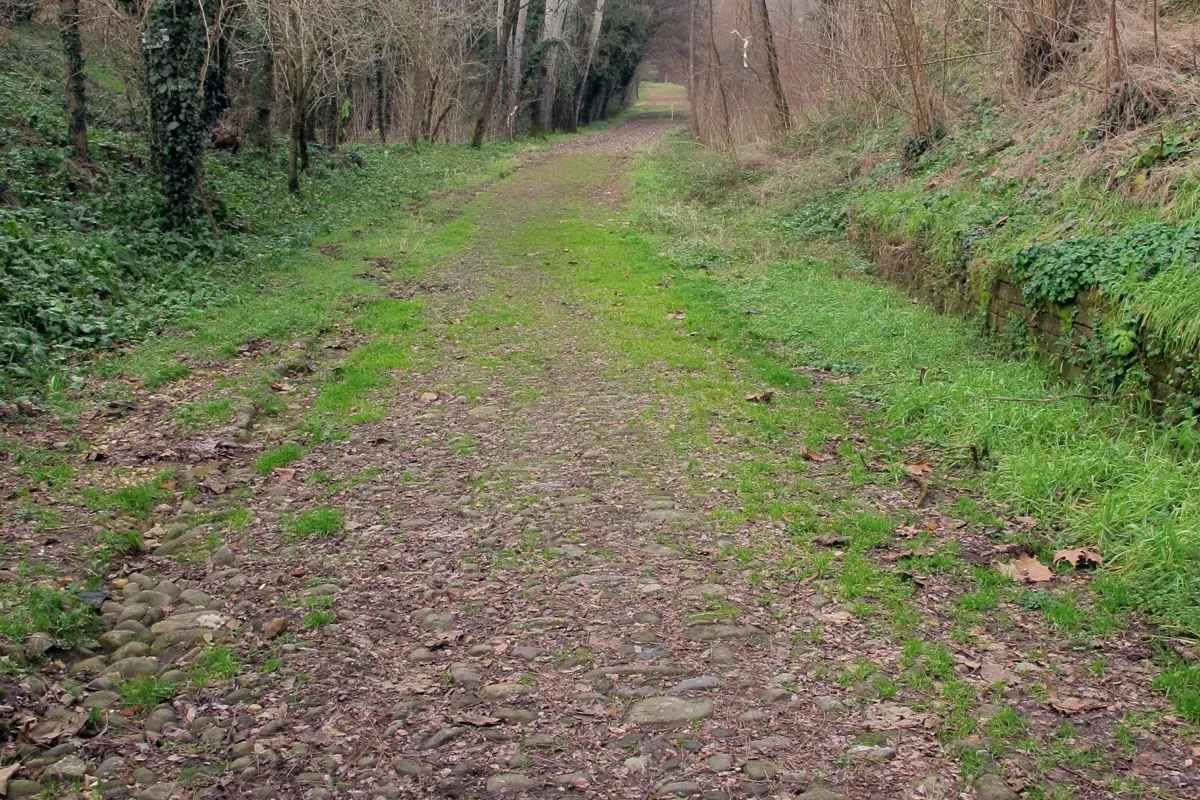
The road from Canterbury to Rome, recorded stage by stage by Archbishop Sigeric in 990 and recovered in modern times as a waymarked cultural route. Historic course, modern signage.
Italy
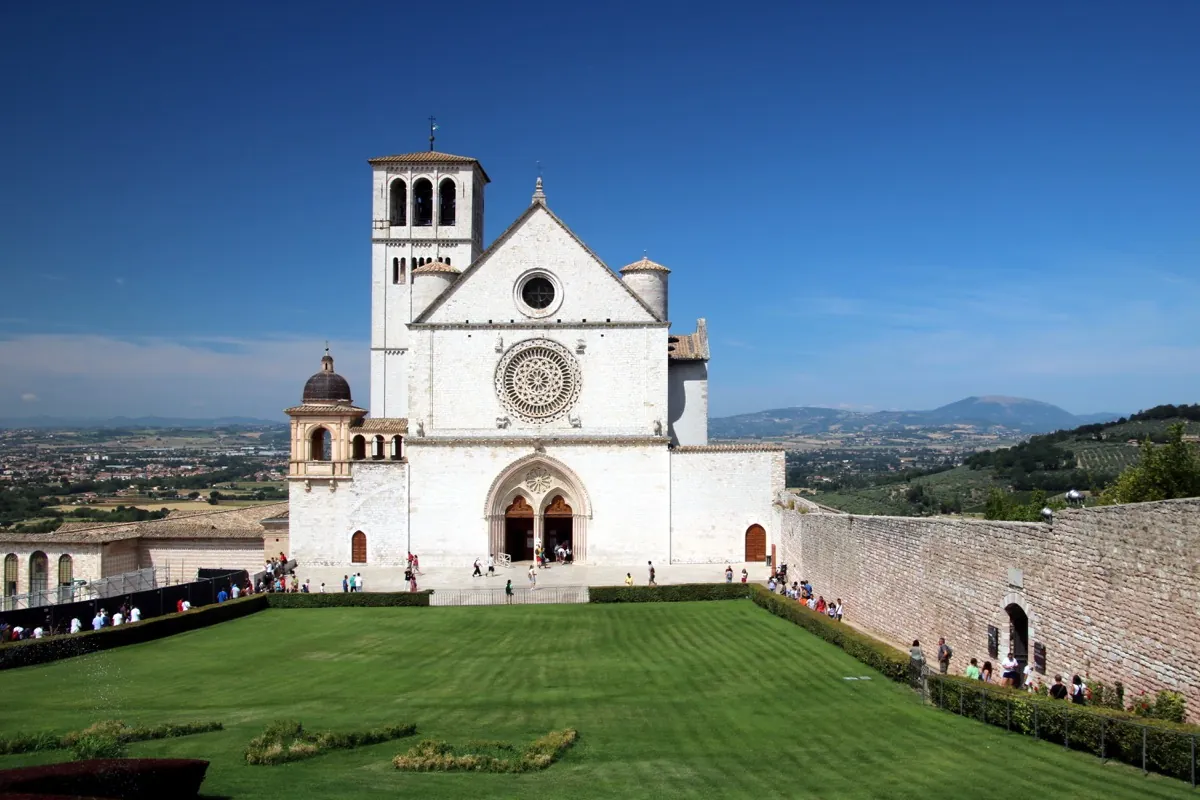
A waymarked way through the Franciscan landscape, linking the places of Francis of Assisi: La Verna where he received the stigmata, Assisi, and on toward Rome. The route follows the saint, not a single ancient road.
England
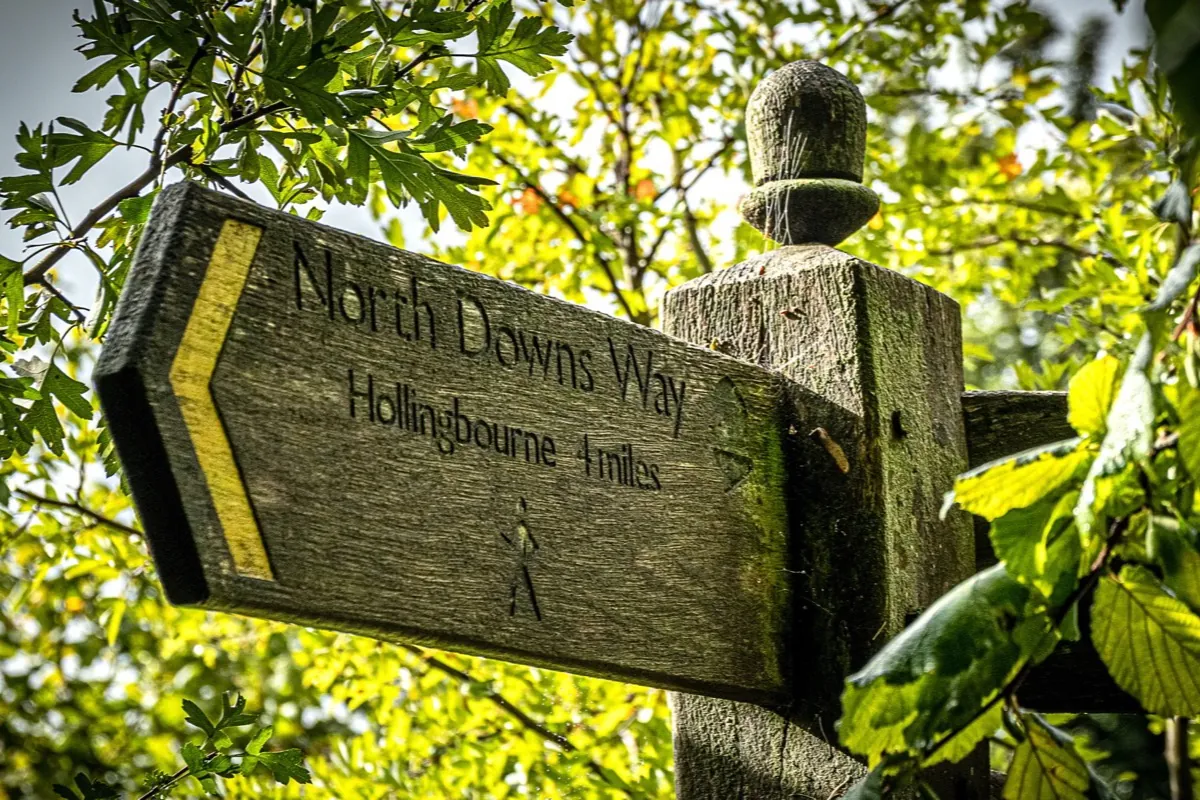
The road medieval pilgrims took to the shrine of Thomas Becket, the journey behind Chaucer's tales. Much of its course survives, partly overlaid today by the waymarked North Downs Way.
Norway · Sweden
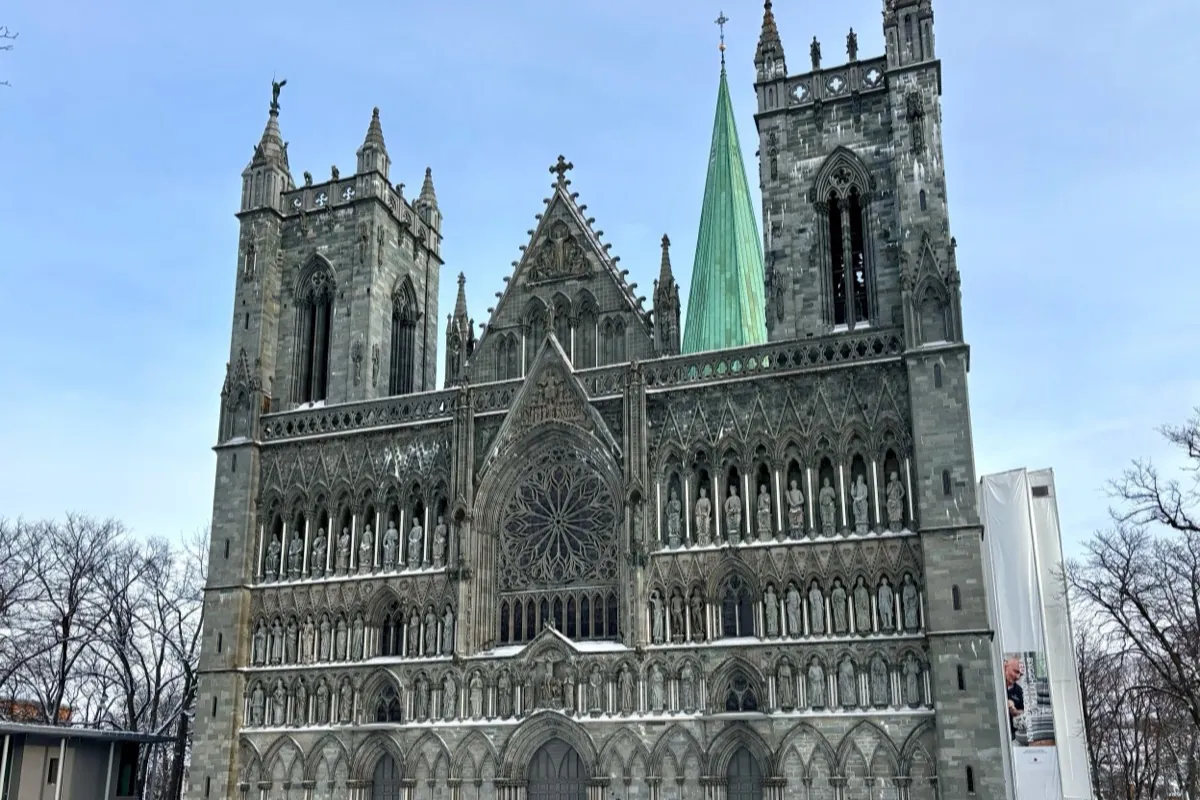
A network of pilgrim paths to Nidaros Cathedral in Trondheim, associated with the tomb and memory of St. Olav. Medieval in origin and later revived for modern pilgrims, the ways now gather routes through Norway and neighboring regions.
Spain
A recent route, waymarked from 2012, retracing the 1522 journey of Ignatius of Loyola from his family home to the cave at Manresa where he wrote the Spiritual Exercises. Modern in form, historic in source.
How we label what is coming
The route is recognized; our editorial guide is being written.
Practical notes on stages and lodging are still being gathered.
A governing body or cultural-route authority publishes the official way.
Overview and history are drafted; the full guide is not yet live.
Practical route facts · What each guide should make clear
Shown on the Camino de Santiago
Camino Francés, the most-walked of the established routes
Official route source
Recognized historic pilgrimage network with several established routes
Route facts are added only where they are useful and supportable. If a guide is still in preparation, Eternal Roam avoids filling gaps with guesses.
Distance & duration
How far, and how long it usually takes on foot.
Countries, season, terrain
Where it runs, when to walk, what ground it covers.
Waymarking & lodging
Whether it is signed and served, or followed from history.
Sacred stops & source
The churches and shrines on the way, and who governs the official route.
My Journey
As route guides are written, you will be able to save a road to My Journey and gather the churches, shrines, saints, and stops connected to it. My Journey keeps those places together while you shape a visit.