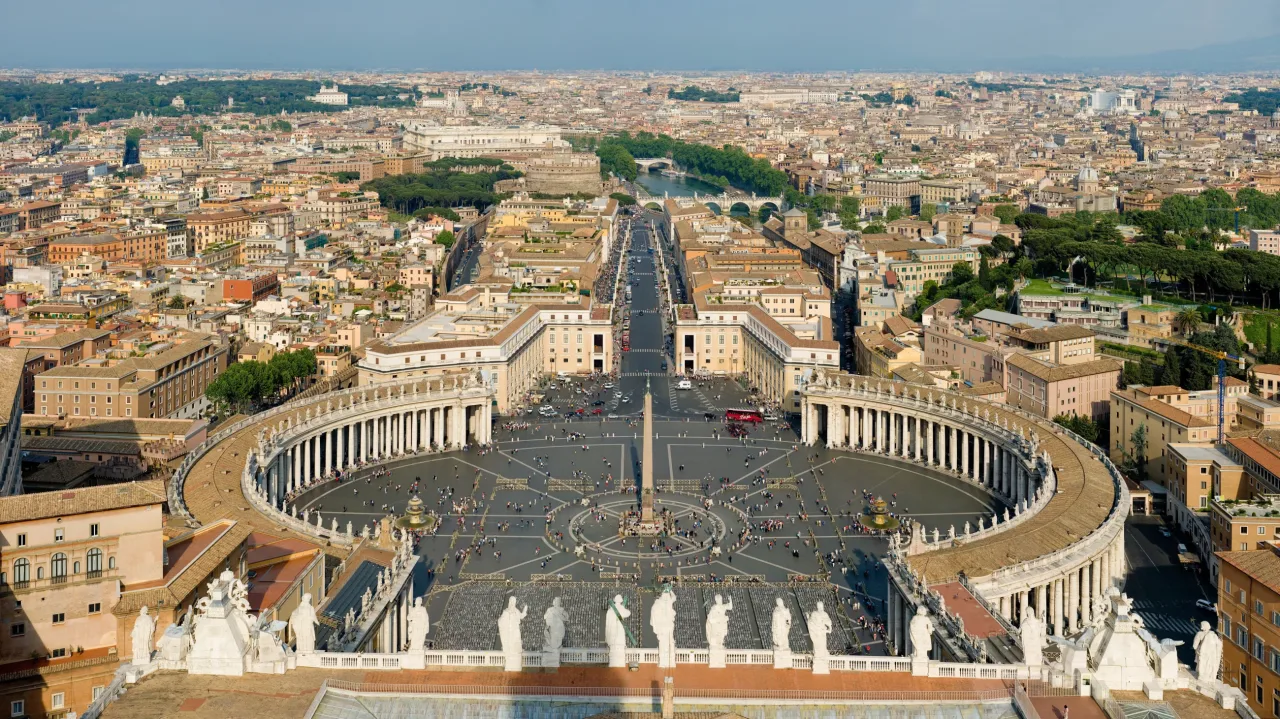
St. Peter's Basilica
VATICAN
The apostolic shrine of Rome, built over the tomb of Saint Peter. Pilgrims visit the Confessio above the tomb, the Vatican Grottoes, Bernini's Baldachin, and Michelangelo's…
Sacred City · Italy
Every stone in Rome remembers something holy.
Apostles, martyrs, basilicas, catacombs, and centuries of continuous pilgrimage memory layered into one walkable city.
David Iliff / Wikimedia Commons (CC BY-SA 3.0)
Orientation
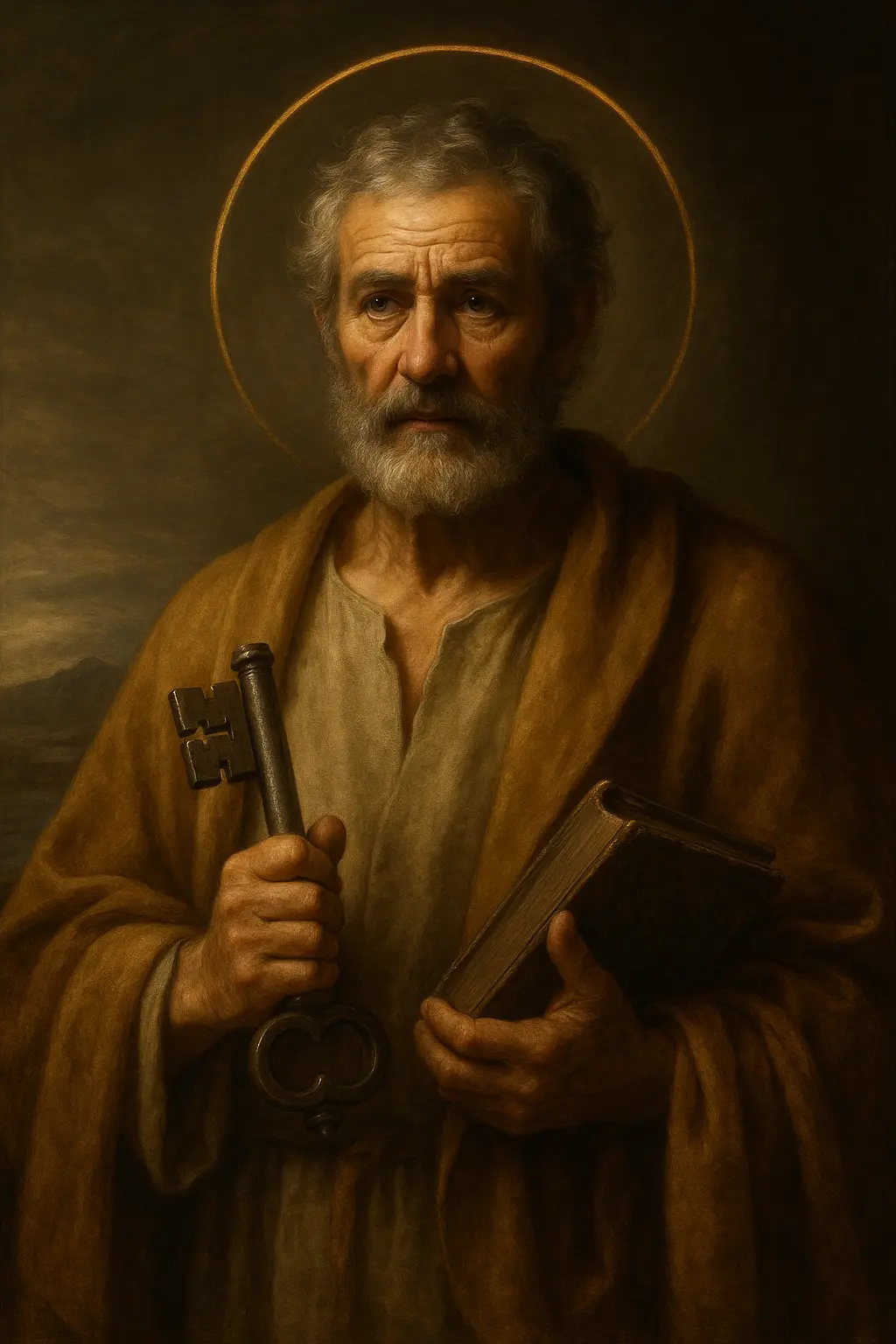
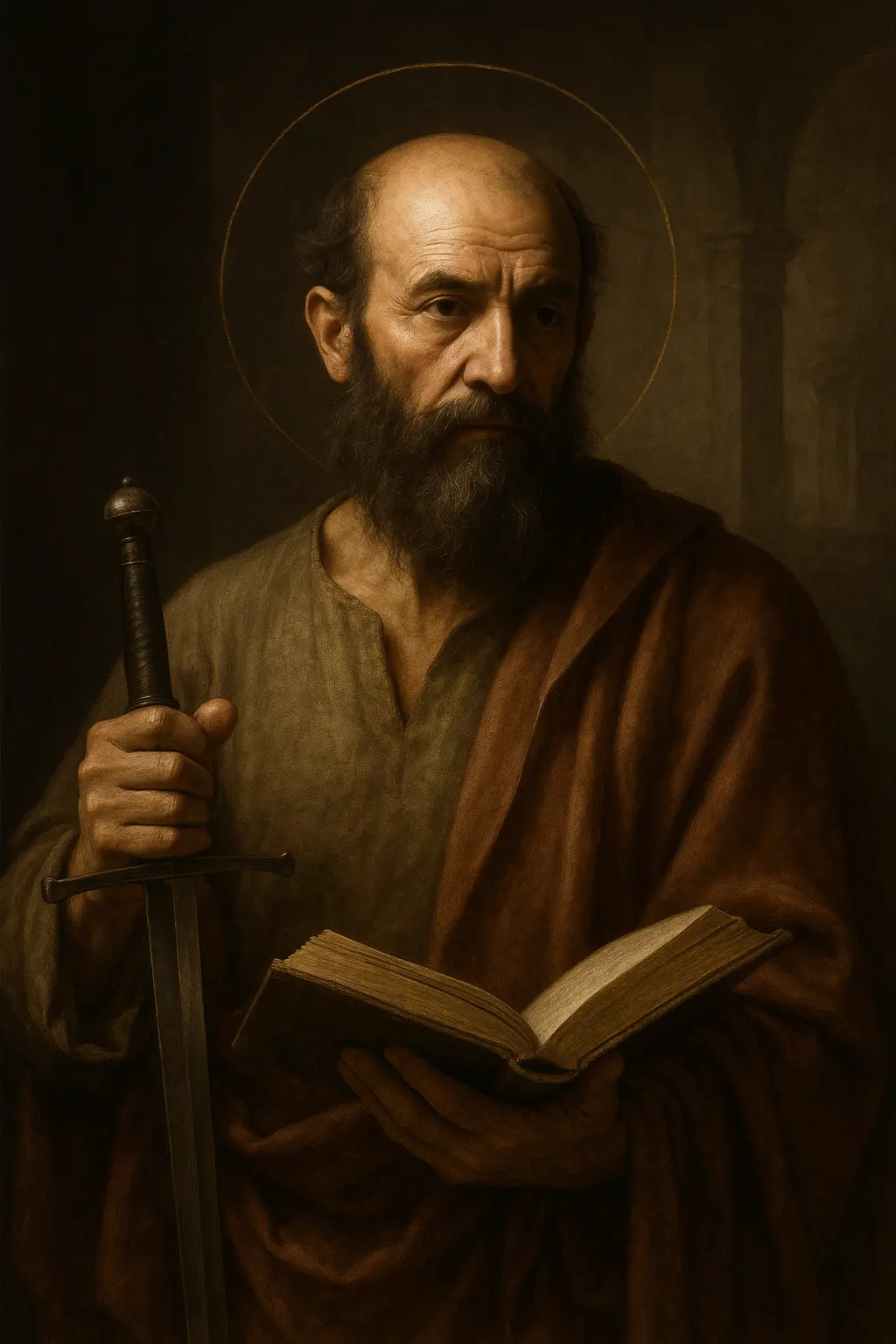
Rome is not one pilgrimage site. It is a layered Catholic city where apostolic tombs, martyr churches, catacombs, relic chapels, and papal basilicas interpret one another. Peter and Paul give Rome its apostolic gravity. Agnes and Cecilia make the early martyr city personal: a burial basilica beyond the walls, a Piazza Navona shrine, a Trastevere house-church, and a catacomb road on the Via Appia. A pilgrim can follow doctrine, relics, liturgy, martyr memory, or simple neighborhood geography; each path reveals another layer of the same Catholic city.
Essential places
VATICAN
The apostolic shrine of Rome, built over the tomb of Saint Peter. Pilgrims visit the Confessio above the tomb, the Vatican Grottoes, Bernini's Baldachin, and Michelangelo's…
OSTIENSE
Two kilometres south of the Aurelian Walls along the ancient Ostian Way, the basilica is raised over the tomb traditionally venerated as the burial place of…
LATERAN
The Pope's cathedral and the Mother Church of all churches. Older than St. Peter's, with a Baptistery in continuous use since the time of Constantine.
ESQUILINE
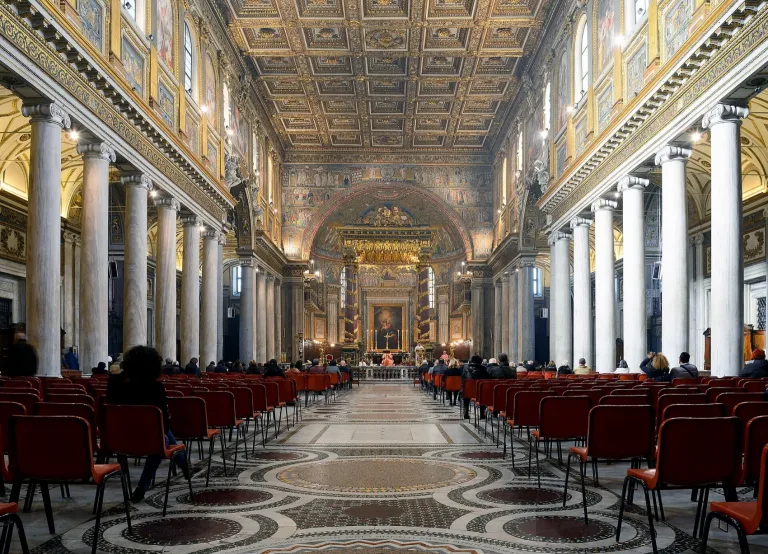
The great Marian basilica of Rome, with early 5th-century mosaics, the venerated icon Salus Populi Romani, and the relics traditionally venerated as fragments of the manger…
VIA APPIA ANTICA
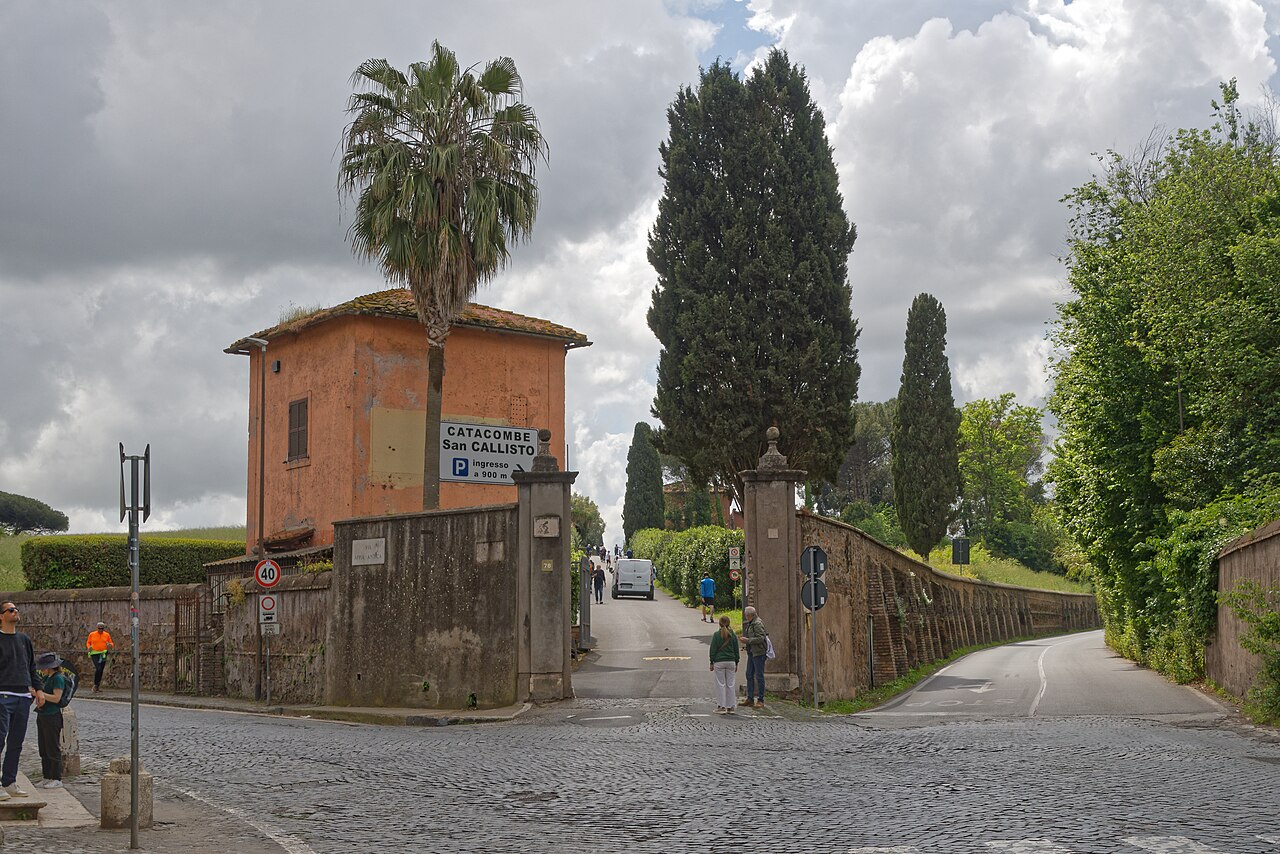
On the Via Appia Antica south of the Aurelian Walls, the Catacombs of San Callisto are the largest and most historically central of the Roman catacombs:…
CAMPO MARZIO
The French national church near the Pantheon, famous for Caravaggio's three paintings of Saint Matthew. A mandatory stop for anyone interested in Catholic art.
Connected saints
Shown with source & confidence
Rome holds more first-class relics than any other city on earth. The entries below are among the most significant for pilgrims; all are in public churches and available for veneration during visiting hours. Churches typically close for midday and reopen in the afternoon, and a modest dress code applies throughout.
ST. PETER'S BASILICA, VATICAN
Beneath the high altar of St. Peter's Basilica. The primary pilgrimage goal of Rome since the earliest centuries; the Confessio above the tomb is accessible during basilica hours, and Scavi excavations beneath the floor…
SANTA CROCE IN GERUSALEMME
Santa Croce in Gerusalemme preserves the relics of the Passion traditionally associated with Saint Helena's journey to Jerusalem, including fragments venerated as part of the True Cross, a nail, and the Titulus. Pilgrims venerate…
SAN PIETRO IN VINCOLI
The chains traditionally venerated as those that bound Saint Peter are kept in a reliquary beneath the high altar of San Pietro in Vincoli, in the same church as Michelangelo's Moses. According to long-standing…
Visit plans
Plan 1
Focus on the apostolic core. Visit St. Peter's Basilica: the nave, Confessio, Vatican Grottoes, and Bernini's Baldachin. If time allows, cross to the Piazza and offer a brief prayer. Save everything else for a full day.
Plan 2
Begin at St. Peter's (arrive early). Cross to the Pantheon and the nearby church of Santa Maria sopra Minerva, where Catherine of Siena is buried. Then Santa Cecilia in Trastevere in the afternoon. End with evening vespers at one of the basilicas.
Plan 3
Day 1: Apostolic and Vatican Rome — St. Peter's, the Vatican Museums, the Castel Sant'Angelo. Day 2: Classical Christian Rome — the Lateran basilica (San Giovanni), Santa Maria Maggiore, San Clemente, and the catacombs via Appia. Day 3: Trastevere, the Aventine, and martyr Rome — Santa Cecilia, Santa Sabina, Sant'Agnese fuori le Mura.
Suggested pilgrimages
3 in Rome
The classic Roman pilgrimage. Penance on the long walk between the major basilicas, then joy at arrival.
Saves the whole sequence to My Journey. Shape it into a plan later.
Agnes and Cecilia in the martyr churches and catacombs, closing at the apostolic tombs of Peter and Paul.
Saves the whole sequence to My Journey. Shape it into a plan later.
Save a whole pilgrimage, then arrange it by day when the trip is near.
How My Journey works →Practical, not booking
Spring and autumn are best for walking pilgrimages. Avoid August heat. The 2025 Jubilee drew unusual crowds to Rome through early 2026; for current liturgies, closures, and reservations, check the official site before visiting.
The historic churches are walkable in clusters. The catacombs and Ostiense need a metro or bus leg.
The Scavi beneath St. Peter's tomb must be booked weeks ahead by email. We link the official office. We do not sell tickets.
Two churches a day, prayed, beats seven rushed. The atlas is built to slow you down, not speed you up.
Sunday Masses are celebrated throughout the city in the morning. The Wednesday papal audience at St. Peter's Square requires free tickets from the Vatican. Major feast days bring special celebrations and sometimes restricted access.
Shoulders and knees must be covered in all major basilicas and churches. Carry a scarf or light layer. St. Peter's and San Giovanni enforce this strictly at the door.