Portugal / Europe · Centro · Ourém

Fátima

The Portuguese pilgrimage town of the 1917 apparitions, ordered around the Chapel of the Apparitions, the Rosary, and the shepherd children.

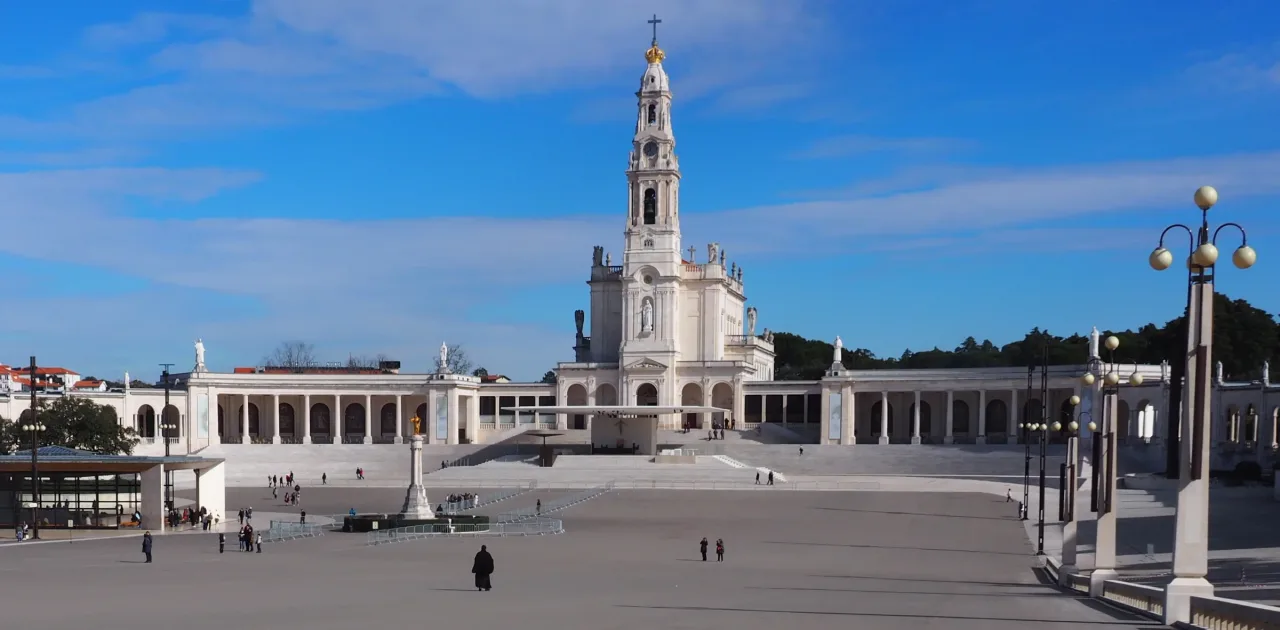
Fátima is a small town in central Portugal on the limestone plateau north of Ourém. It is built around the Cova da Iria, where between May and October 1917 the Virgin Mary appeared to three shepherd children — Lúcia dos Santos and her cousins Francisco and Jacinta Marto. The sanctuary that grew up at the site is centred on the Chapel of the Apparitions, the two basilicas, and the Rosary praying place. The hamlets of Aljustrel and Valinhos, two short walks from the sanctuary, preserve the homes of the children and the secondary apparition sites.

City Hub Portugal Best for: Marian pilgrimage, the Rosary and acts of reparation, confession and Eucharistic adoration, the witness of the shepherd children Suggested time: 1 to 2 days

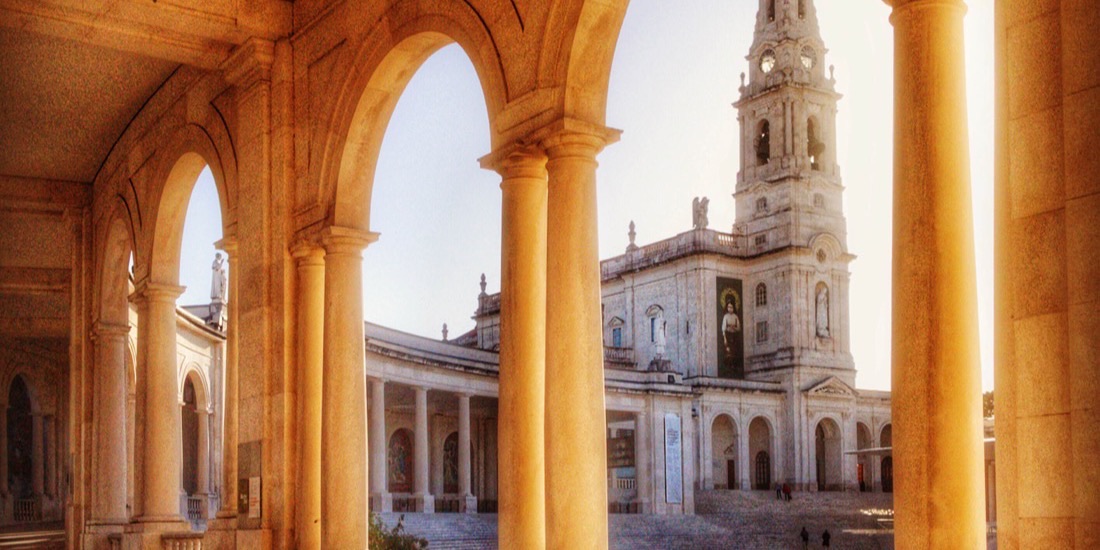
Tomasz Przechlewski / Wikimedia Commons

Why This City Matters

Why Fátima Matters

The apparitions at Fátima are recognized by the Church as worthy of belief, with public devotion declared permitted by the Bishop of Leiria in 1930. As private revelation, the message does not add to the deposit of faith; it calls pilgrims to the Rosary, to penance and reparation, to the conversion of sinners, and to prayer for peace. The sanctuary is ordered around that call. The Chapel of the Apparitions stands at the spot where Our Lady asked that a chapel be built. The Basilica of Our Lady of the Rosary holds the tombs of Saints Francisco and Jacinta Marto and of Sister Lúcia. The Basilica of the Most Holy Trinity, completed in 2007, accommodates the largest pilgrim Masses. A short walk away, Aljustrel preserves the homes of the children, and Valinhos and Loca do Cabeço mark the secondary apparition sites of 1916 and 1917.

Orientation

Where to Begin in Fátima

A practical guide based on how much time you have.

A Few Hours

Enter the sanctuary across the great esplanade, walk to the Chapel of the Apparitions at the Cova da Iria, pray the Rosary there, and visit the Basilica of Our Lady of the Rosary at the eastern end of the square, where the tombs of the shepherd children rest. If time allows, make a confession.

  • Chapel of the Apparitions
  • Basilica of Our Lady of the Rosary
  • Basilica of the Most Holy Trinity
One Day

Begin at the Chapel of the Apparitions in the morning and pray the Rosary there. Attend Mass in one of the basilicas, go to confession, and pray before the tombs of Francisco, Jacinta, and Sister Lúcia. In the afternoon, walk the short distance to Aljustrel to see the homes of the children. Return to the sanctuary in the evening for the Rosary and candlelight procession.

  • Chapel of the Apparitions
  • Basilica of Our Lady of the Rosary
  • Basilica of the Most Holy Trinity
  • Aljustrel — homes of the shepherd children
  • Candlelight procession
Two Days

Day 1: the sanctuary — the Chapel of the Apparitions, the two basilicas, Mass, confession, the tombs of the shepherd children, and the evening Rosary and procession. Day 2: the wider Fátima landscape — Aljustrel, the Way of the Cross to Valinhos, and Loca do Cabeço, finishing at the parish church of Fátima.

  • Day 1: Chapel of the Apparitions, Basilica of Our Lady of the Rosary, Basilica of the Most Holy Trinity, candlelight procession
  • Day 2: Aljustrel, Hungarian Calvary and Way of the Cross, Valinhos, Loca do Cabeço, Parish Church of Fátima

Best First Sacred Sites

Chapel of the Apparitions

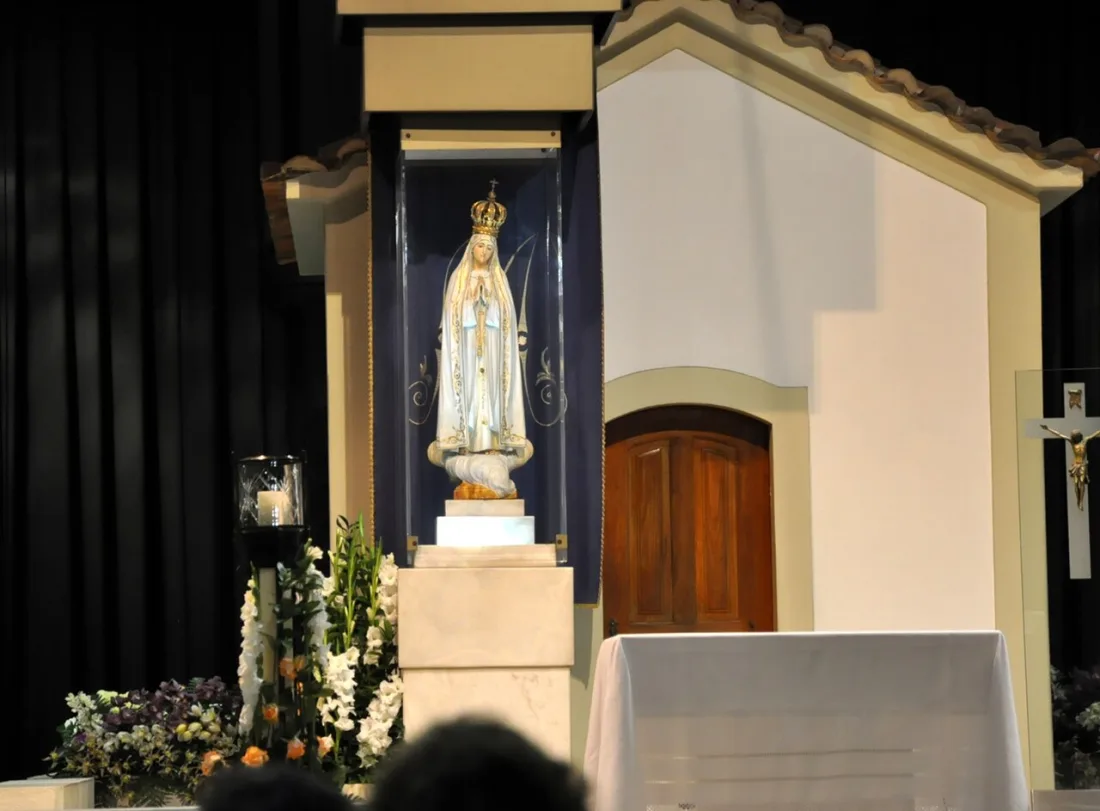
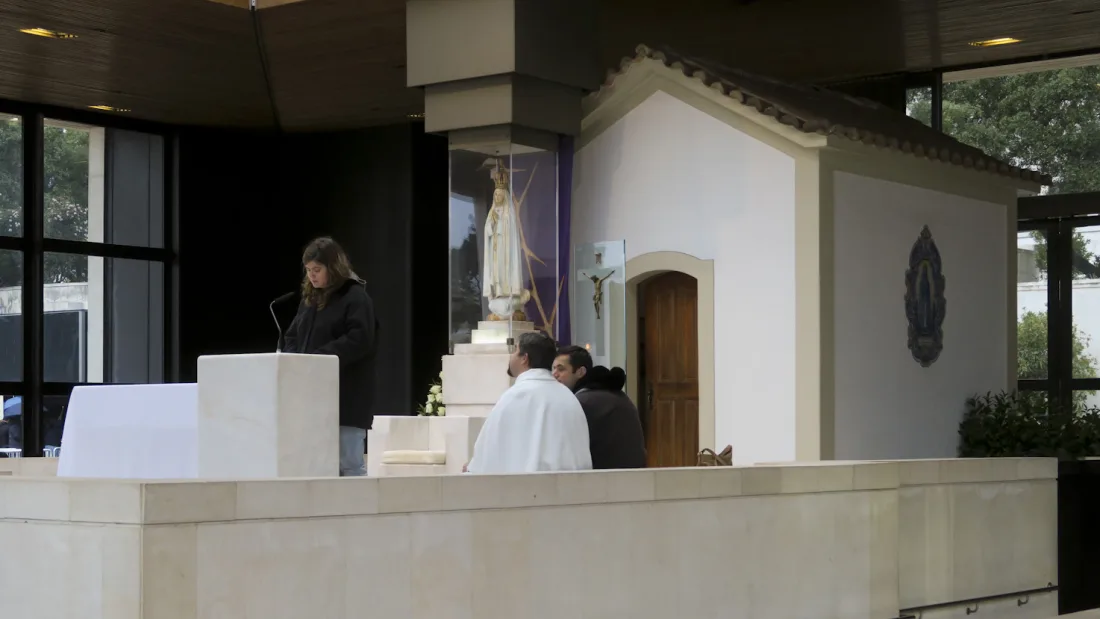
The small open-walled chapel built at the spot of the 1917 apparitions and the natural first stop in Fátima. The image of Our Lady of Fátima stands in the niche above the column marking the place.

Basilica of Our Lady of the Rosary

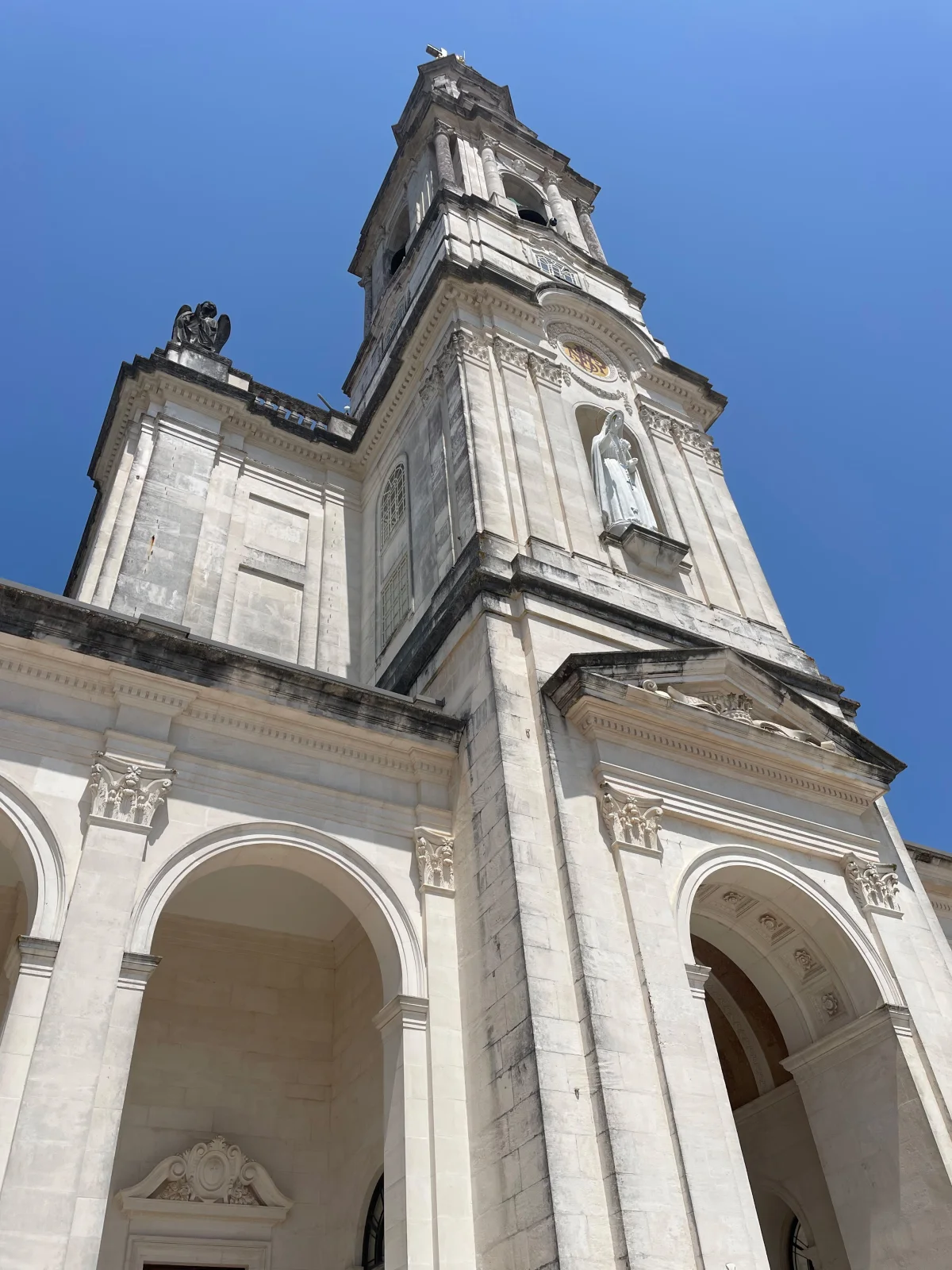
The earlier basilica at the head of the esplanade, holding the tombs of Saints Francisco and Jacinta Marto and of Sister Lúcia dos Santos.

Aljustrel

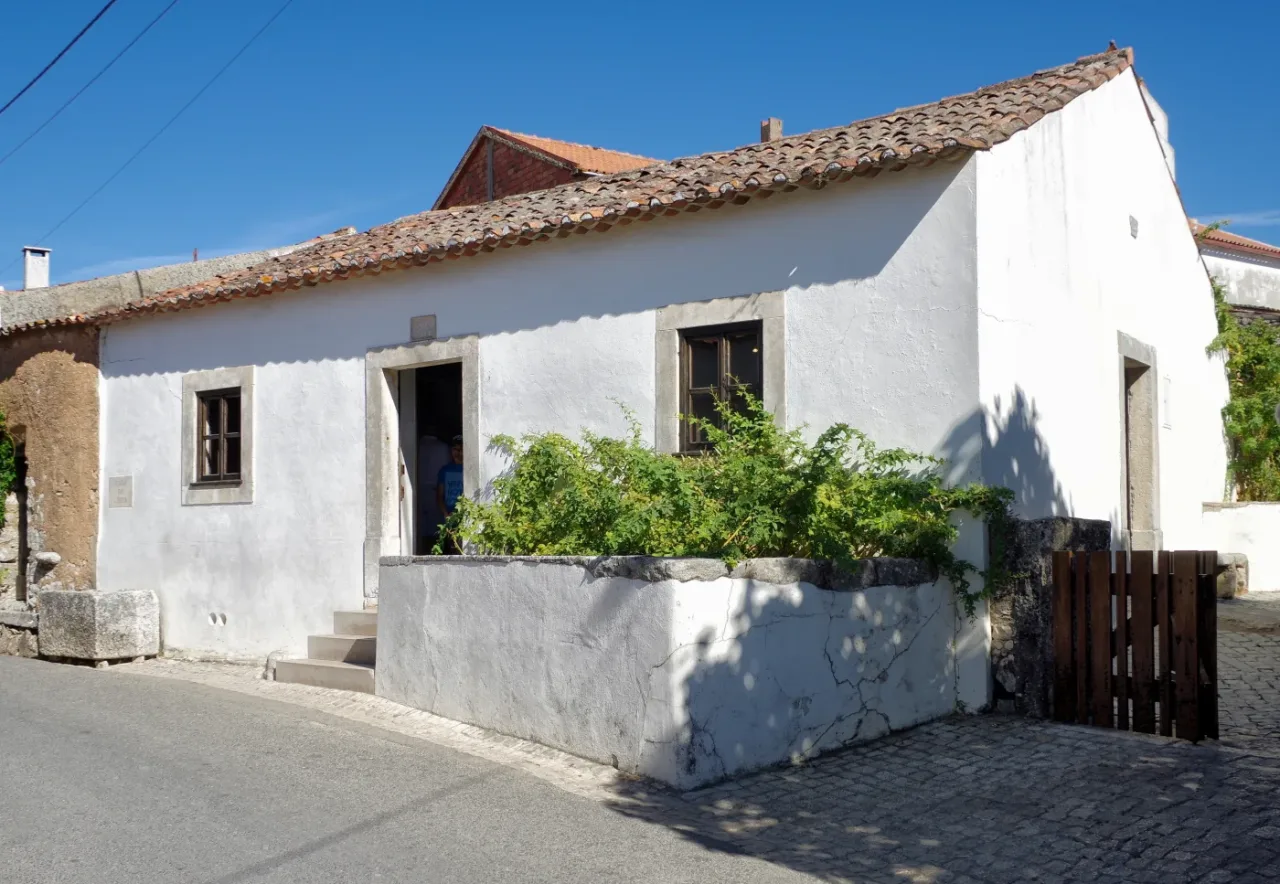
The hamlet where the shepherd children lived. The homes of the Marto family and of Lúcia dos Santos are preserved as the children left them.

Basilica of the Most Holy Trinity

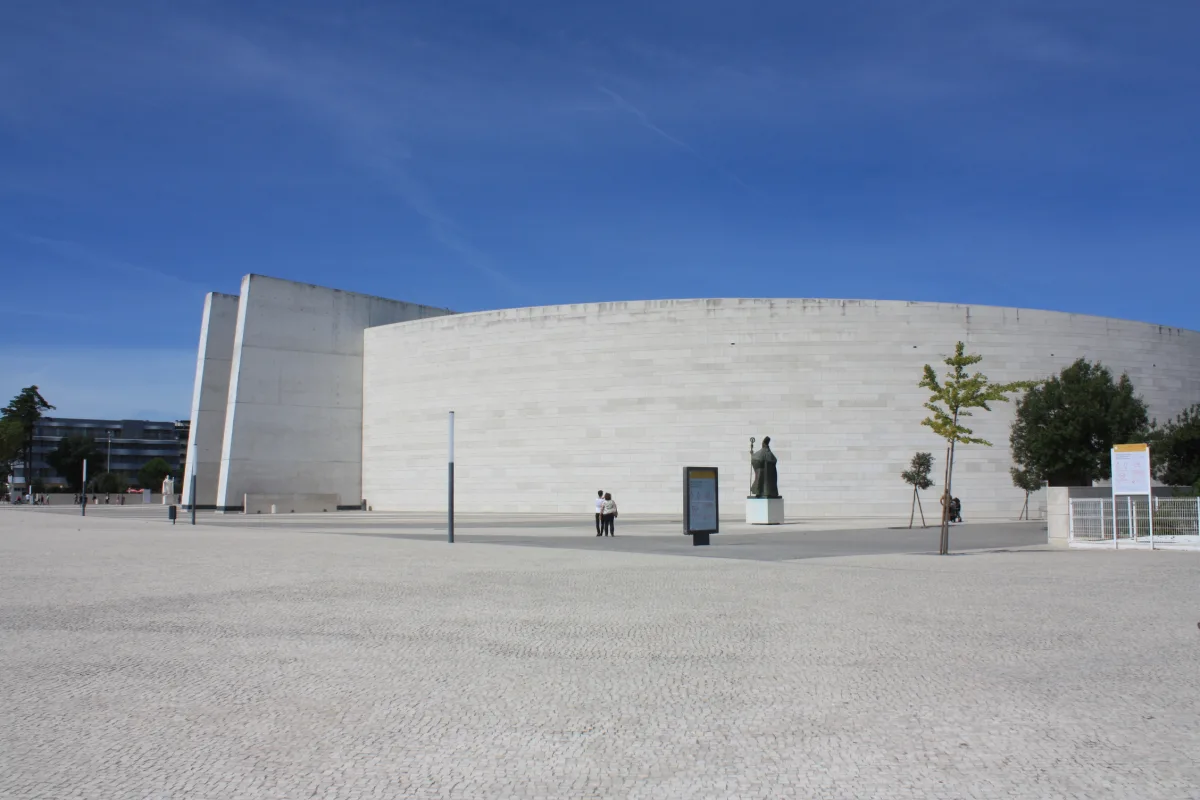
The large modern basilica at the western end of the sanctuary, completed in 2007 for the largest international Masses.

Start Here

Essential Sacred Places

The first layer of Catholic Fátima: churches, relic chapels, patron saints, martyr memory, and places of prayer.

Apparition Site Coming soon

Chapel of the Apparitions

The site of the 1917 apparitions

Area
Sanctuary, north side of the esplanade

The small chapel built at the place in the Cova da Iria where the Virgin Mary appeared to Lúcia, Francisco, and Jacinta between May and October 1917. The image of Our Lady of Fátima stands in the niche above the column that marks the spot. Pilgrims pray the Rosary here through the day.

Saints Saint Francisco Marto, Saint Jacinta Marto

Relics Chapel of the Apparitions, Image of Our Lady of Fátima

Page coming soon
Basilica Coming soon

Basilica of Our Lady of the Rosary

Earlier basilica with the tombs of the shepherd children

Area
Sanctuary, eastern end of the esplanade

The first basilica of the sanctuary, begun in 1928 and consecrated in 1953. The tombs of Saints Francisco and Jacinta Marto lie in the side aisles of the nave, and Sister Lúcia dos Santos was reinterred here in 2017.

Saints Saint Francisco Marto, Saint Jacinta Marto

Page coming soon
Basilica Coming soon

Basilica of the Most Holy Trinity

Modern basilica for international pilgrim Masses

Area
Sanctuary, western end of the esplanade

A circular modern basilica completed in 2007, designed to hold the largest gatherings of international pilgrims at Fátima. The Blessed Sacrament is reserved here for adoration through the day.

Page coming soon
Historic Village Coming soon

Aljustrel — Homes of the Shepherd Children

The hamlet where Lúcia, Francisco, and Jacinta lived

Area
Aljustrel, south of Fátima

The small hamlet about two kilometres south of the sanctuary where the three shepherd children were born and raised. The home of the Marto family — where Francisco and Jacinta lived and died — and the neighbouring home of Lúcia dos Santos are preserved as they were.

Saints Saint Francisco Marto, Saint Jacinta Marto

Page coming soon
Apparition Site Coming soon

Valinhos

The August 1917 apparition site

Area
Hillside above Aljustrel

A small clearing among olive trees on the slope above Aljustrel. After the children were detained on 13 August 1917 and prevented from going to the Cova da Iria, the apparition of that month took place here on 19 August. A monument marks the spot.

Saints Saint Francisco Marto, Saint Jacinta Marto

Page coming soon
Apparition Site Coming soon

Loca do Cabeço

The angel apparition site

Area
Cabeço hillside, above Aljustrel

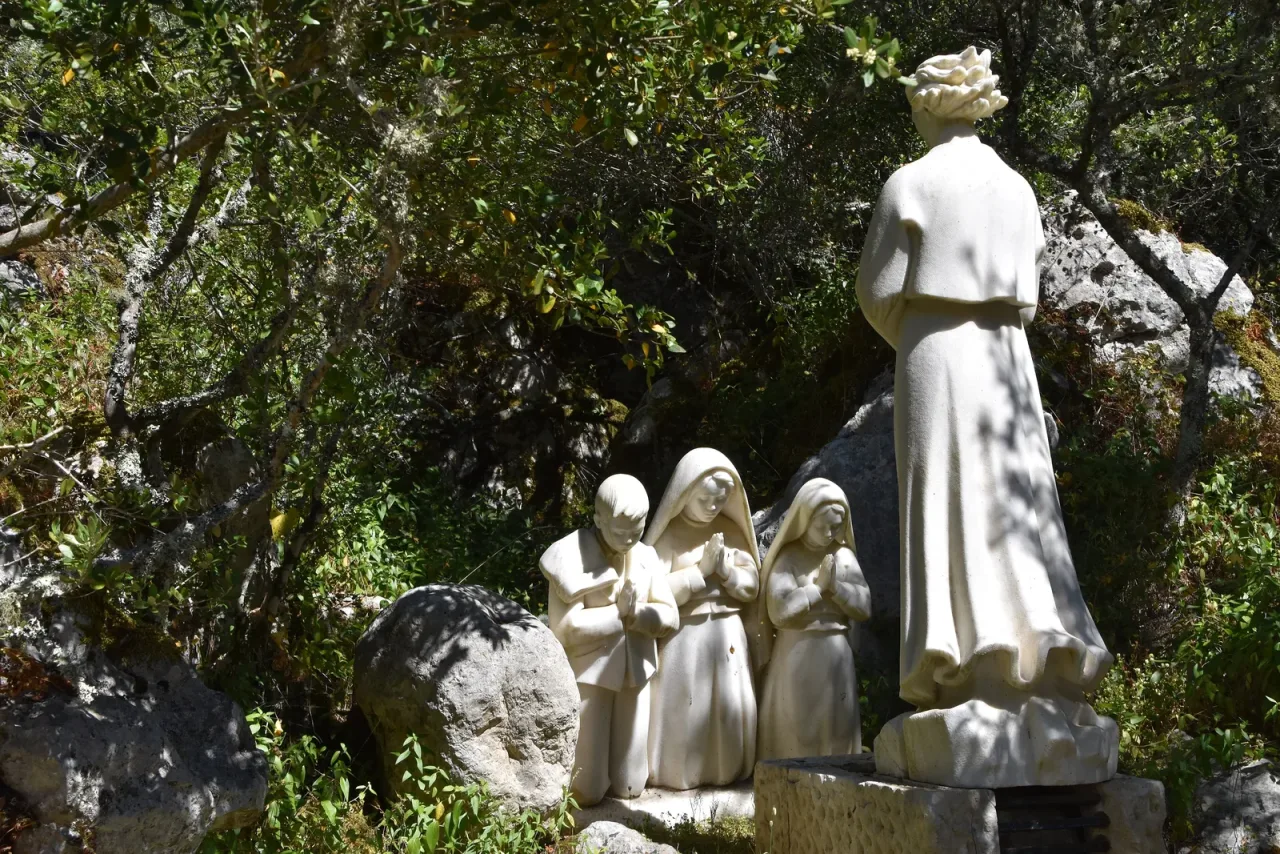
A rocky outcrop on the slope of the Cabeço, above Aljustrel, where in 1916 — the year before the apparitions of Our Lady — the children received three visits from the Angel of Peace, who taught them prayers of reparation and gave them holy communion. A small monument marks the place.

Saints Saint Francisco Marto, Saint Jacinta Marto

Page coming soon
Devotional Route Coming soon

Hungarian Calvary and Way of the Cross

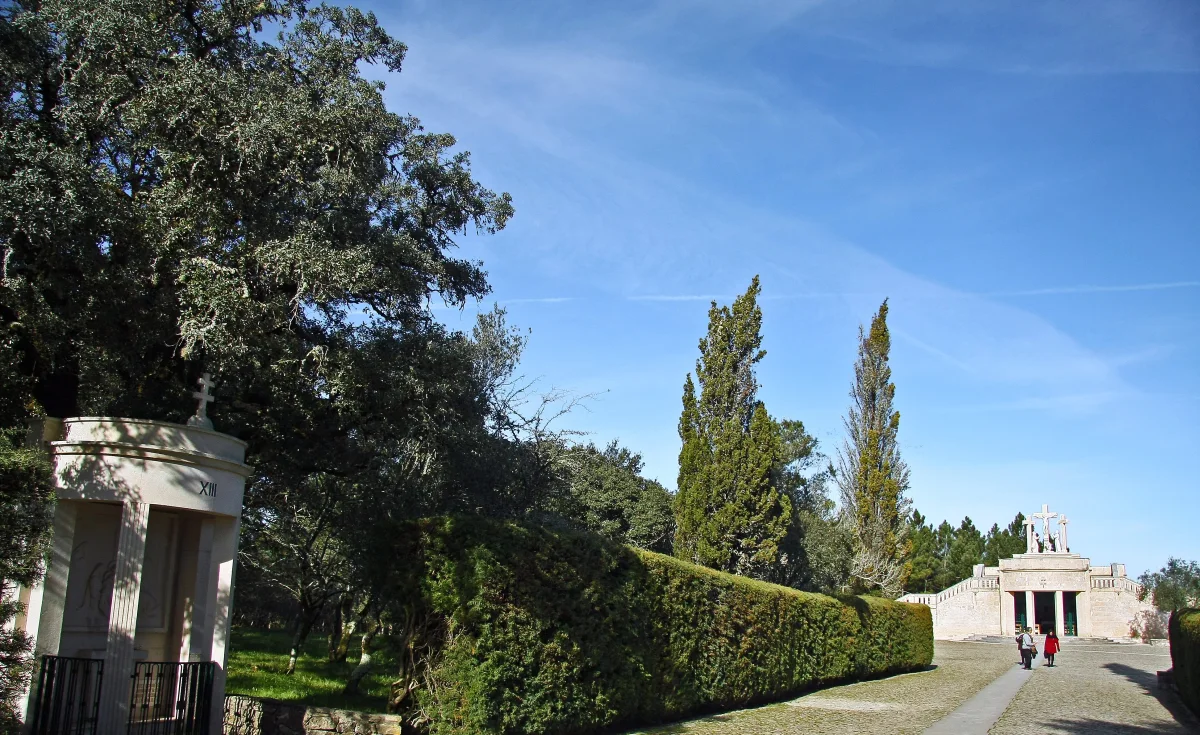
Stations of the Cross from the sanctuary to Valinhos

Area
Footpath between Fátima and Valinhos

A Way of the Cross built by Hungarian Catholics in the 1960s along the path that the shepherd children walked between Aljustrel and the Cova da Iria. The fourteen stations climb the hillside and end at a small Calvary chapel near Valinhos.

Page coming soon
Parish Church Coming soon

Parish Church of Fátima

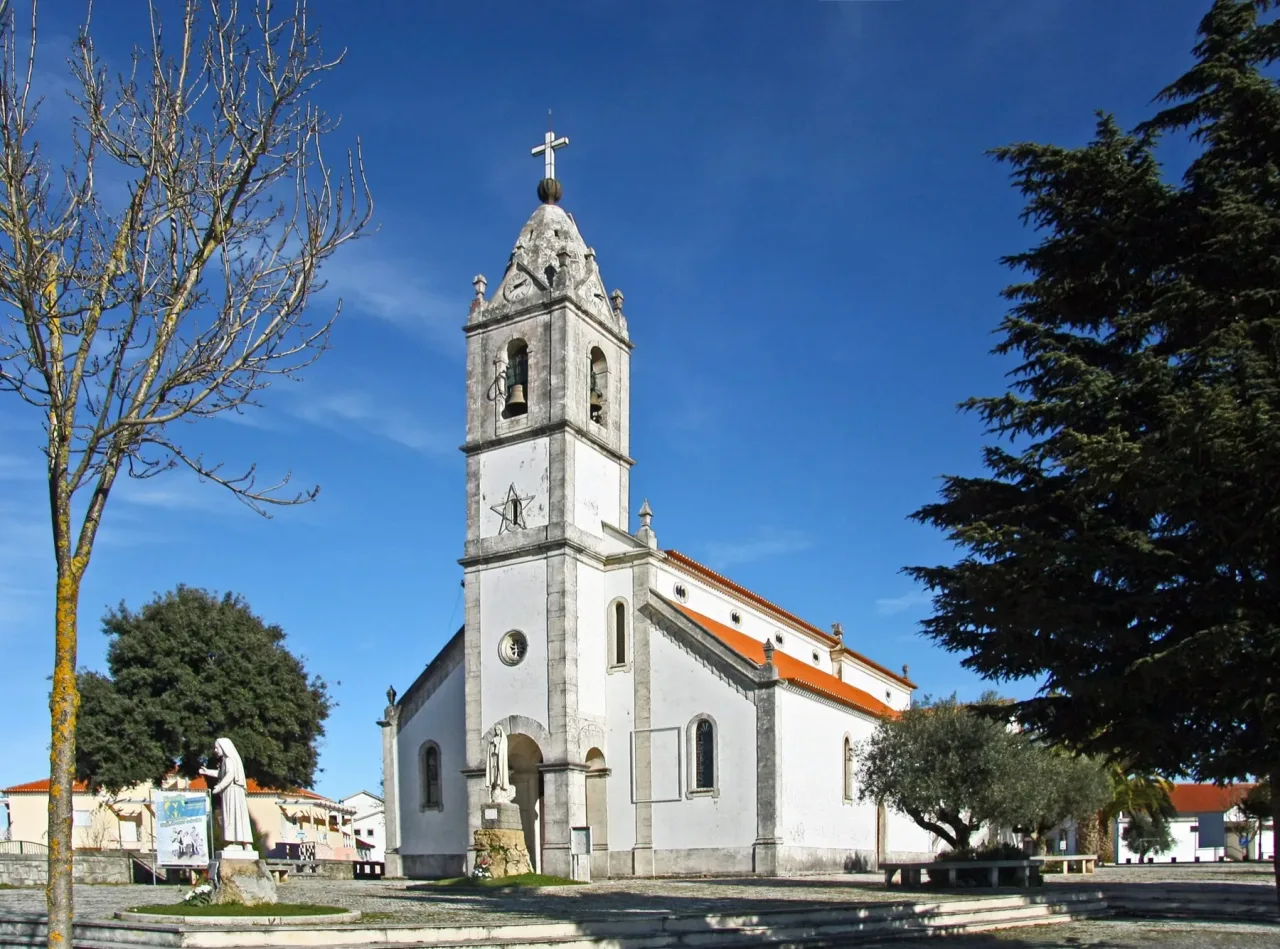
The parish where the children were baptized

Area
Centre of Fátima town

The parish church of Saint Anthony in the centre of Fátima town, where Lúcia, Francisco, and Jacinta were baptized and where they were taken for catechism. The baptismal font remains and is shown to pilgrims.

Saints Saint Francisco Marto, Saint Jacinta Marto

Page coming soon

Fátima by Theme

Build the Visit Around a Thread

Explore Fátima through its distinct Catholic threads. Each leads to different churches, saints, relics, and memories.

The Apparitions and the Chapel

The Shepherd Children

  • Aljustrel — Homes of the Shepherd Children Coming soon
  • Basilica of Our Lady of the Rosary Coming soon
  • Parish Church of Fátima Coming soon
  • Loca do Cabeço Coming soon

Prayer, Rosary, and Procession

  • Chapel of the Apparitions Coming soon
  • Basilica of Our Lady of the Rosary Coming soon
  • Basilica of the Most Holy Trinity Coming soon

Fátima Beyond the Sanctuary

  • Aljustrel — Homes of the Shepherd Children Coming soon
  • Valinhos Coming soon
  • Loca do Cabeço Coming soon
  • Hungarian Calvary and Way of the Cross Coming soon
  • Parish Church of Fátima Coming soon

A Full-Day Pilgrimage

  • Sanctuary of Our Lady of Fátima Available
  • Chapel of the Apparitions Coming soon
  • Basilica of Our Lady of the Rosary Coming soon
  • Aljustrel — Homes of the Shepherd Children Coming soon
  • Basilica of the Most Holy Trinity Coming soon

Saints Connected to Fátima

Holy Lives in the City’s Memory

A concise guide to saints and blesseds whose lives, relics, missions, or communities help explain Catholic Fátima.

Coming soon

Saint Francisco Marto

Era
Early 20th century
Feast
February 20

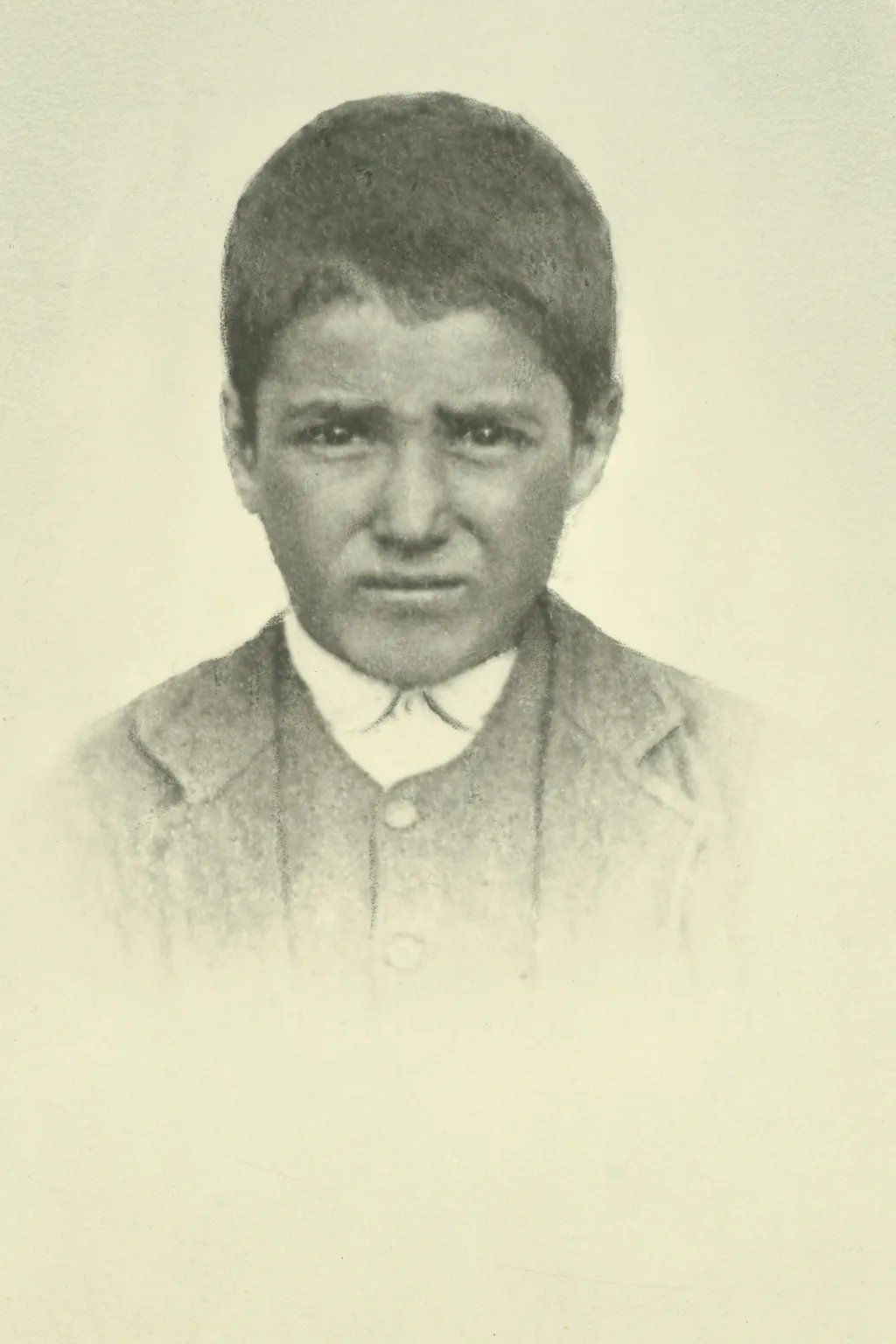
Born in 1908 in Aljustrel and one of the three shepherd children who received the apparitions of 1916 and 1917. He died of influenza in 1919 at the age of ten. Canonized in 2017, his tomb lies in the Basilica of Our Lady of the Rosary at Fátima.

Connected place: Chapel of the Apparitions, Basilica of Our Lady of the Rosary, Aljustrel — Homes of the Shepherd Children, Valinhos, Loca do Cabeço, Parish Church of Fátima

Coming soon

Saint Jacinta Marto

Era
Early 20th century
Feast
February 20

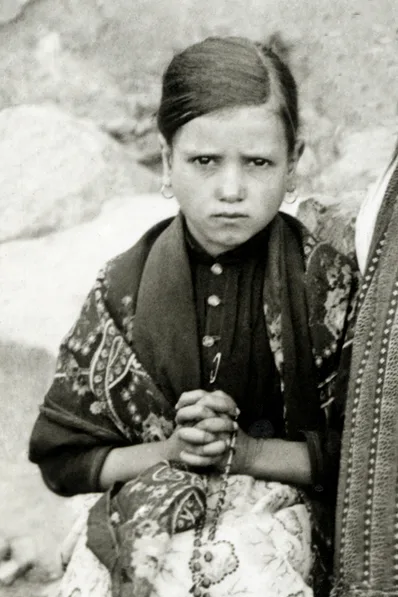
Born in 1910 in Aljustrel and the youngest of the three shepherd children. She died of influenza in Lisbon in 1920 at the age of nine. Canonized in 2017, her tomb lies in the Basilica of Our Lady of the Rosary at Fátima.

Connected place: Chapel of the Apparitions, Basilica of Our Lady of the Rosary, Aljustrel — Homes of the Shepherd Children, Valinhos, Loca do Cabeço, Parish Church of Fátima

Coming soon

Venerable Lúcia dos Santos

Era
20th and early 21st century
Feast
Not canonized

Born in 1907 in Aljustrel and the eldest of the three children of Fátima. She lived as a Carmelite nun at Coimbra, where she died in 2005. Her cause for canonization is open and she has been declared Venerable; she is not yet canonized. Her body was transferred to the Basilica of Our Lady of the Rosary at Fátima in 2017.

Connected place: Chapel of the Apparitions, Basilica of Our Lady of the Rosary, Aljustrel — Homes of the Shepherd Children, Valinhos, Loca do Cabeço, Parish Church of Fátima

Relics, Tombs, and Sacred Objects

What Pilgrims Venerate and Remember

Fátima is not a city of body relics in the older Roman sense. Its veneration is gathered around the place of the apparitions at the Cova da Iria, the image set in the chapel niche, the tombs of the shepherd children in the Basilica of Our Lady of the Rosary, and the family homes and apparition sites in the surrounding countryside.

Apparition site recognized by the Church as worthy of belief

Chapel of the Apparitions

Sanctuary of Our Lady of Fátima

The small open-walled chapel built at the spot in the Cova da Iria where the apparitions of 1917 took place. The apparitions are recognized by the Church as worthy of belief. Pilgrims pray the Rosary here continuously through the day.

Devotional image at the apparition site

Image of Our Lady of Fátima

Chapel of the Apparitions

The crowned statue set in the niche of the Chapel of the Apparitions above the column that marks the apparition site. Carved in 1920 and crowned by Pope Pius XII in 1946, it is a devotional image and the focus of veneration at the chapel.

Tomb of

Tomb of Saint Francisco Marto

Basilica of Our Lady of the Rosary

The body of Saint Francisco Marto rests in a tomb in the side aisle of the basilica. Canonized in 2017, he is one of the youngest non-martyr saints canonized by the Church.

Tomb of

Tomb of Saint Jacinta Marto

Basilica of Our Lady of the Rosary

The body of Saint Jacinta Marto rests in a tomb in the opposite aisle of the basilica from her brother Francisco. Canonized in 2017.

Tomb of

Tomb of Sister Lúcia dos Santos

Basilica of Our Lady of the Rosary

The body of Sister Lúcia dos Santos was transferred from Coimbra to the basilica in 2017. Her cause for canonization is open; she has been declared Venerable but is not yet canonized.

Apparition site recognized by the Church as worthy of belief

Apparition Site at Valinhos

Hillside above Aljustrel

The clearing among olive trees where the apparition of August 1917 took place after the children were detained and could not go to the Cova da Iria on 13 August. A small monument marks the spot.

Site of the angel apparitions as recounted in the memoirs of Sister Lúcia

Loca do Cabeço — Angel Apparition Site

Cabeço hillside, above Aljustrel

The rocky outcrop where the children received the three visits of the Angel of Peace in 1916, the year before the apparitions of Our Lady. The angel taught them prayers of reparation and gave them holy communion. A small monument marks the place.

Family homes of

Homes of the Shepherd Children at Aljustrel

Aljustrel, south of Fátima

The home of the Marto family — where Francisco and Jacinta lived and where Jacinta lay sick before being taken to Lisbon — and the neighbouring home of Lúcia dos Santos. Both are preserved as they were in 1917.

Suggested Visit Rhythms

Useful Ways to Spend the Time

Not full itineraries yet, but practical patterns for prayer, architecture, relics, and saint memory.

2 to 3 hours

A Few Hours at the Sanctuary

The Chapel of the Apparitions, the two basilicas, and a Rosary at the Cova da Iria.

  1. Chapel of the Apparitions
  2. Basilica of Our Lady of the Rosary
  3. Basilica of the Most Holy Trinity

Why it works All three sites lie within the sanctuary and can be walked end to end across the esplanade without leaving the enclosure.

The Chapel of the Apparitions is the heart of any visit; pray the Rosary there before moving on.

Full day

Fátima in One Full Day

The sanctuary in the morning, Aljustrel in the afternoon, the procession in the evening.

  1. Mass in the sanctuary
  2. Chapel of the Apparitions
  3. Basilica of Our Lady of the Rosary
  4. Tombs of Francisco, Jacinta, and Lúcia
  5. Aljustrel — Homes of the Shepherd Children
  6. Rosary and candlelight procession at the sanctuary

Why it works Pairs the sanctuary's full liturgical rhythm with the human scale of Aljustrel and ends with the evening procession that gives the day a recognisable shape.

The Rosary and candlelight procession at the Chapel of the Apparitions takes place in the evening through the main pilgrimage season. Check the sanctuary schedule before travel for current times.

Two days

Two Days with Aljustrel and Valinhos

The sanctuary one day, the wider Fátima landscape the next.

  1. Day 1: Chapel of the Apparitions, Basilica of Our Lady of the Rosary, Basilica of the Most Holy Trinity, Mass, confession, candlelight procession
  2. Day 2: Aljustrel, Hungarian Calvary and Way of the Cross, Valinhos, Loca do Cabeço, Parish Church of Fátima

Why it works Two days separates the liturgical rhythm of the sanctuary from the slower walk through the country sites where the children lived and where the secondary apparitions took place.

Aljustrel, Valinhos, and Loca do Cabeço sit within a short walk of one another. Carry water and modest shoes for the hillside paths.

Full day with hillside walk

Fátima with the Way of the Cross

Pray the stations from the sanctuary to Valinhos, returning through Aljustrel.

  1. Chapel of the Apparitions
  2. Hungarian Calvary and Way of the Cross
  3. Valinhos
  4. Aljustrel — Homes of the Shepherd Children
  5. Basilica of Our Lady of the Rosary (evening)

Why it works Joins the praying place of the apparitions to the path the children themselves walked, and ends at the tombs of Francisco, Jacinta, and Lúcia in the basilica.

The Way of the Cross climbs the hillside between the sanctuary and Valinhos. Allow about an hour for the stations at an unhurried pace.

One to three days within a longer trip

Fátima as Part of a Portugal Pilgrimage

Pair Fátima with Lisbon and, if time allows, with Coimbra where Sister Lúcia lived as a Carmelite.

  1. Sanctuary of Our Lady of Fátima
  2. Chapel of the Apparitions
  3. Aljustrel — Homes of the Shepherd Children
  4. Train or car onward to Lisbon or Coimbra

Why it works Joins the place of the apparitions to the wider Portuguese geography of the Fátima story — Lisbon, where Jacinta died, and Coimbra, where Sister Lúcia lived out her religious life.

Fátima sits about 90 minutes by road from Lisbon and about 90 minutes from Coimbra. There is no direct rail link to Fátima itself; long-distance buses and connecting trains via Caxarias are the usual routes.

Before You Go

Practical Notes for Fátima

The details that shape the pilgrimage experience before you arrive.

Recommended Time

Half a day for the sanctuary; one full day to include Aljustrel and the evening procession; two days to walk the Hungarian Calvary, Valinhos, and Loca do Cabeço at an unhurried pace.

Walkability

The sanctuary esplanade is flat and walkable from end to end. Aljustrel lies about two kilometres south and can be reached on foot, by taxi, or by seasonal pilgrim bus. The Way of the Cross, Valinhos, and Loca do Cabeço involve hillside paths and are best walked in cool weather.

Getting Around

Fátima has no direct rail station of its own; the nearest stop is Caxarias, about 30 minutes by taxi or connecting bus. Direct long-distance buses run from Lisbon and Coimbra, and the sanctuary is about 90 minutes by car from each. The town and sanctuary are walkable.

Dress Code

Modest dress is expected in the basilicas and at the Chapel of the Apparitions. Carry a scarf or light layer; the Basilica of the Most Holy Trinity is cool year-round.

Liturgical Schedule

Mass, confession, Eucharistic adoration, and the Rosary at the Chapel of the Apparitions are offered daily. The candlelight procession runs in the evening through the main pilgrimage season and on the 12th of each month. The largest gatherings fall on 13 May and 13 October, the dates of the first and last 1917 apparitions.

Security and Access

Fátima is a working pilgrimage town and is generally calm. Bag checks at the sanctuary are normal during major Masses; crowds on 13 May and 13 October are very large and require advance planning for transit and lodging.

Pilgrim Advice

The Rosary at the Chapel of the Apparitions runs continuously through the day in multiple languages. Consult the current sanctuary schedule on arrival for Mass, confession, and procession times.

Sacred Map

Fátima Sacred Places Map

9 sacred places mapped. Read-only — open any place page to plan a visit.

Plan Your Pilgrimage

Begin Your Journey to Fátima

Use My Journey to save places for your pilgrimage to Fátima.