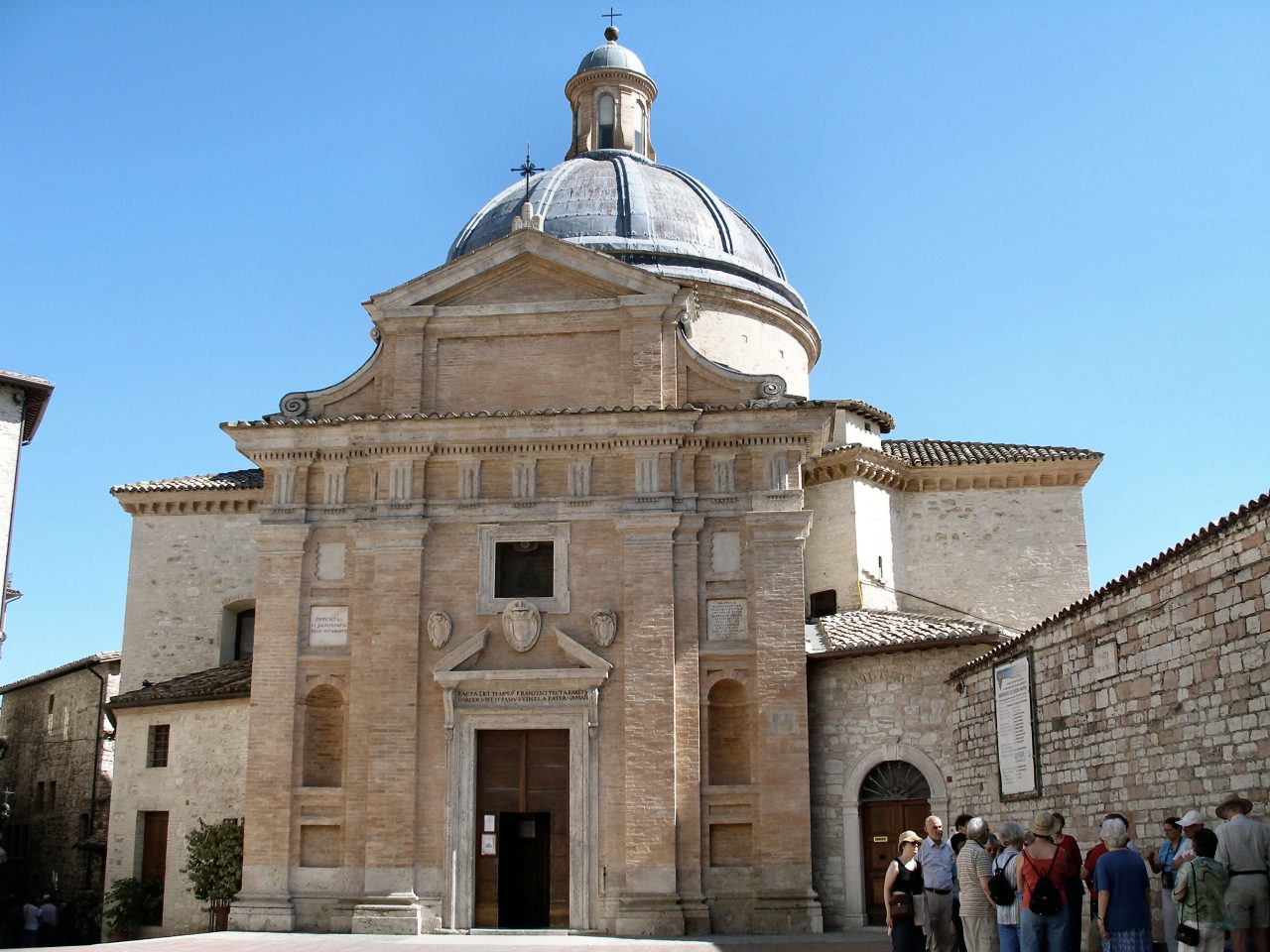
The house tradition of Francis's family
Place of devotional tradition
Friars Minor of Assisi
A Franciscan sanctuary built over the place long held in Assisi's tradition to be the home of Francis's family.
Come here if you want Assisi's Franciscan story to remain domestic and human. The great basilicas show the saint remembered by the Church. Chiesa Nuova keeps the more intimate local memory of a merchant's son, his family, and the conversion that broke open that household's expectations.
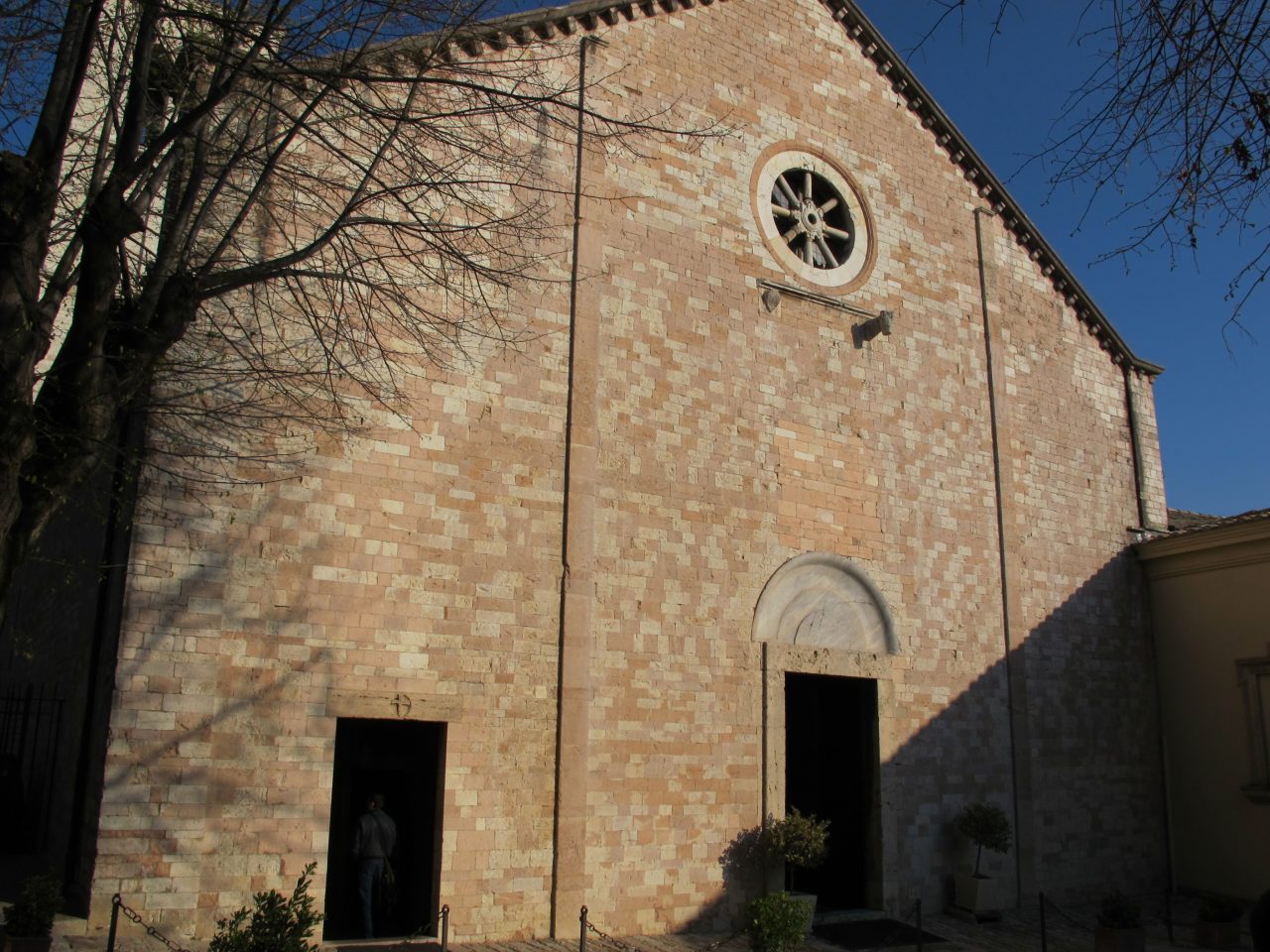
For centuries Assisi's local tradition identified this place with the house of Pietro di Bernardone, Francis's father. In 1615 the Friars Minor, supported by Philip III of Spain, began the church now called Chiesa Nuova and dedicated it to San Francesco Convertito. The sanctuary presents lower rooms and a confined space associated with Francis's early life, including the tradition that his father held him after his return from Foligno. These are not neutral archaeological exhibits. They are a received Franciscan memory, and the right way to visit them is with gratitude, historical restraint, and prayer.
The church is a seventeenth-century sanctuary rather than a medieval survival. Its deliberate placement over the house tradition is the architecture's meaning: a later church gathers an older local memory and turns it toward the conversion of Francis.
Local tradition had identified this site with Francis's family house for centuries before the present church was built.
The Friars Minor began the present sanctuary in 1615 with the support of Philip III of Spain.
The lower spaces are read as places of received Franciscan memory, not as a reconstructed documentary house tour.
Chiesa Nuova should not be reduced to a house museum. Its title, San Francesco Convertito, gives the key. The place speaks of a conversion that touched a family, a city, and eventually the whole Church.
It tells you how the church wants its household tradition to be read.
Visit them slowly and distinguish a living tradition from an archaeological claim.
Pray in the church, then see the lower spaces as a received memory of Francis's household and conversion.
Read three distinct Assisi memories together: the household here, the episcopal threshold at the Spogliazione, and the baptismal font at San Rufino.
Keep Chiesa Nuova within a small old-town sequence. It carries an intimate local memory and does not need a long tour to be read well.
Enter the church first and let its dedication set the visit. Then see the lower spaces slowly, remembering the household conflict behind Francis's conversion. Do not try to turn the visit into a forensic reconstruction. Continue to the Spogliazione for the episcopal side of the same conversion story, or to San Rufino for the city's sacramental beginning.
Source note Traditional attributions are presented as tradition, with documentation named where it exists.
Where this church sits within the wider Catholic geography of Assisi.
The nearby sanctuary of the episcopal tradition of Francis's renunciation and the tomb of Saint Carlo Acutis.
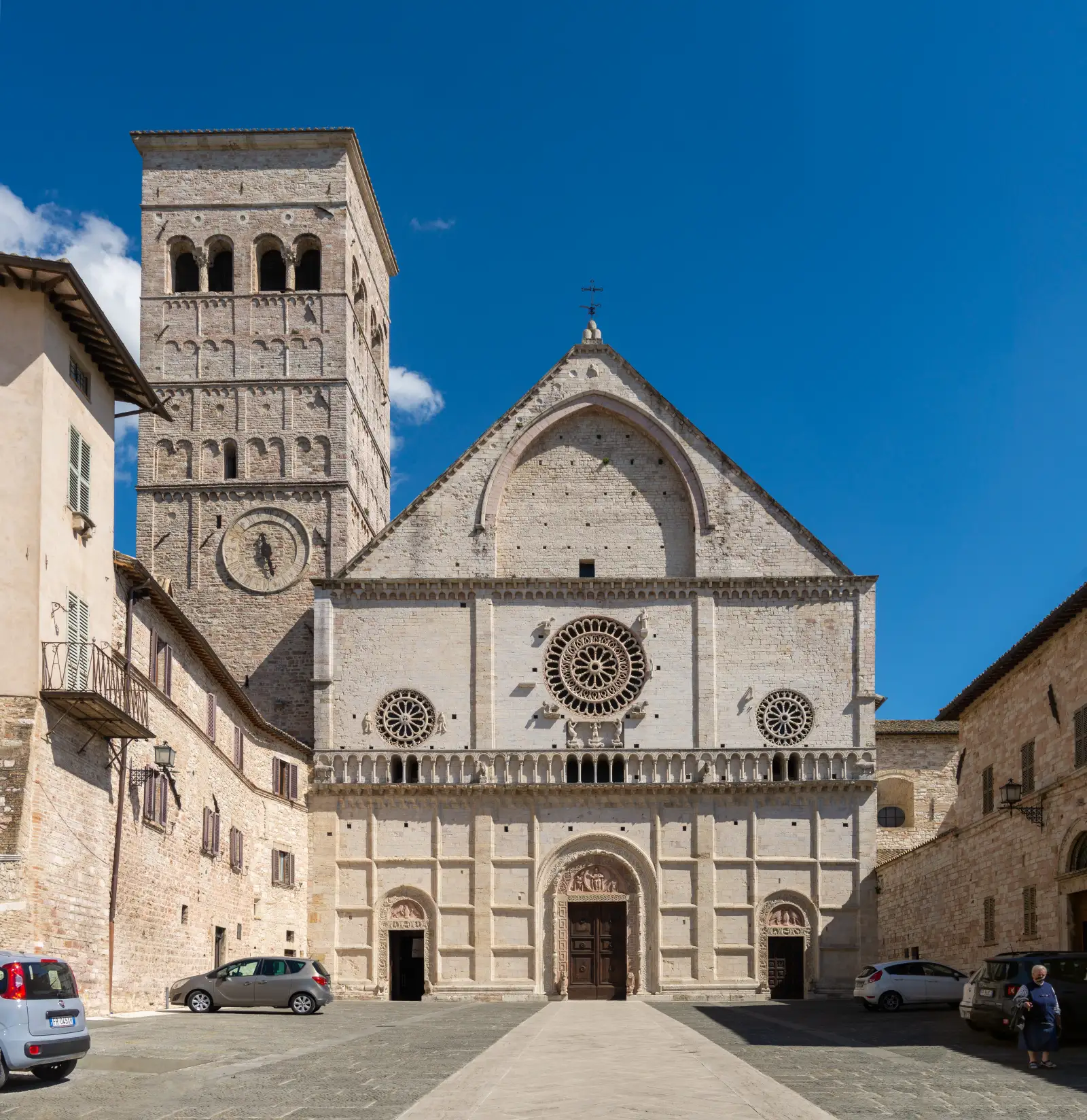
The cathedral of Assisi and the baptismal tradition of Francis and Clare.
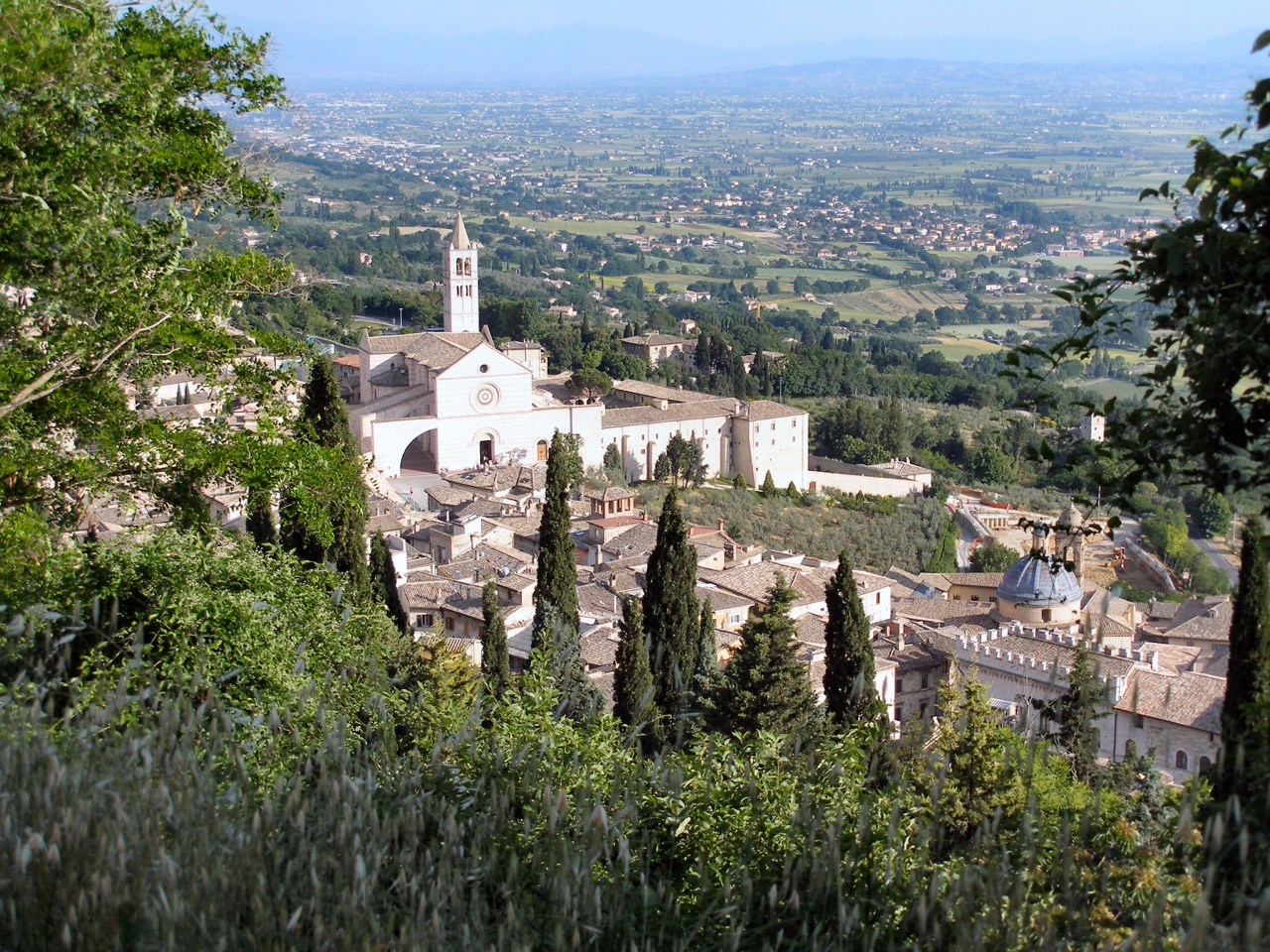
The basilica of Clare's tomb on the southern side of the old town.
Chiesa Nuova gathers a long-held Assisi memory of Francis's family home into a seventeenth-century Franciscan church. Its closest continuation is the episcopal tradition of the Spogliazione, not a longer catalogue of Franciscan sites.
The church stands in the historic center of Assisi, a short walk from the Piazza del Comune and the episcopal quarter.
Local tradition had identified this site with Francis's family home for centuries before the Friars Minor built the present church in 1615.
The nearby sanctuary receives Assisi's episcopal tradition of Francis's renunciation; together the two sites hold distinct household and public memories of conversion.
Official Franciscan context and current visitor guidance for the sanctuary.
The Friars Minor identify the church's 1615 foundation and the local tradition of Francis's house. The lower spaces are received with reverence, but are not presented here as a fully documented medieval house plan.
The house identification and the lower-space traditions are received local Franciscan memory. The official Friars Minor page is the source for the church's seventeenth-century foundation and its current visitor guidance.
July 18, 2026
Use this for corrections, broken links, missing places, and planning ideas.