
A Catholic atlas of sacred travel.
Eternal Roam gathers saints, sacred places, relics, routes, monasteries, shrines, and churches into one connected guide for meaningful travel.
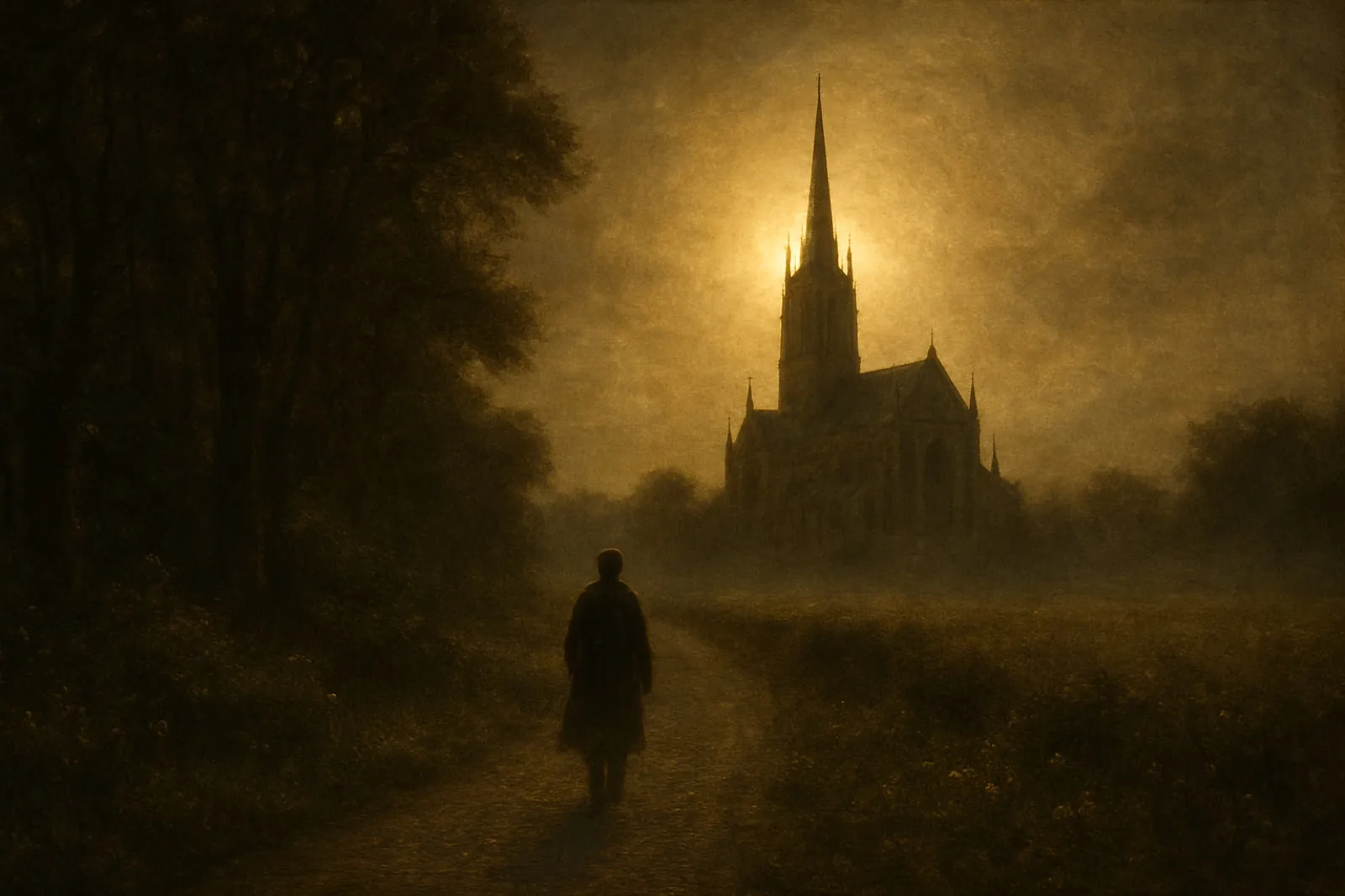
Catholic travel is rarely a simple list of addresses.
A church may hold a relic. A city may carry the memory of a saint. A shrine may be tied to local devotion, official recognition, disputed tradition, or centuries of prayer.
Eternal Roam exists to bring those threads together with enough context to help you travel more attentively.
One landscape, read through connected places and persons.
We try to name things carefully.
Eternal Roam distinguishes doctrine, tradition, private revelation, local devotion, disputed claims, and ordinary travel details.
Some places carry centuries of devotion. Some stories are historically clear. Others are beloved, local, uncertain, or contested. We try to say which is which.
When possible, we point users toward official shrine, basilica, monastery, diocesan, or Vatican sources.
See how we research and review sacred places.
- Official shrine, basilica, monastery, diocesan, and Vatican sources
- Primary historical and hagiographic records
- Established pilgrimage and Catholic travel resources
Confirm opening hours, liturgical schedules, access, ticketing, and restrictions with the official source. Those details change, and Eternal Roam cannot guarantee real-time accuracy.
Clear about what it is, and what it leaves to others.
- Not an official Church authority or theological resource.
- Not a replacement for shrine, parish, diocesan, or Vatican guidance.
- Not a generic travel blog or attraction list.
It is a Catholic travel atlas built to help people encounter sacred places with more context, care, and attention.
Why I built Eternal Roam
I have spent years traveling around the world for business. When possible, I would arrive a day early to adjust to the time zone and use the extra time to visit Catholic sites.
The difficult part was figuring out what was worth seeing and understanding it well enough to make the visit meaningful. Were there relics nearby? Was a church connected to a saint? Which saints had ties to Tokyo? Which Catholic churches should I visit in Singapore? What remained of Catholic history in Azerbaijan? Could a free day in northern Germany become a worthwhile day trip? Lots of questions!
The answers were usually scattered across diocesan websites, tourism pages, old articles, maps, and local sources. Finding them often took more preparation than it should have, especially when I only had a limited amount of time.
The idea for Eternal Roam became clear after a trip to Toulouse, where I visited the tomb of St. Thomas Aquinas. Aquinas is a role model for me, and standing at his tomb should have been the most meaningful part of the trip. Instead, I left feeling that I had not fully appreciated what I had seen. The experience would have been richer if I had arrived with more context, known what to notice, and had better guidance for the visit.
I built Eternal Roam first because I needed it myself. It is meant to help travelers find the Catholic places that matter, understand their saints, history, relics, and traditions, and make better use of the time they have.
It is still being built. If something is missing, unclear, or too thin, I want to know.
A prayer before the journey.
A prayer for protection, clarity, and courage.
St. Michael the Archangel, defend us in battle.
Be our protection against the wickedness and snares of the devil.
May God rebuke him, we humbly pray;
and do thou, O Prince of the heavenly host,
by the power of God, cast into hell Satan and all the evil spirits
who prowl about the world seeking the ruin of souls.
Amen.
Know a sacred place we should include?
We welcome corrections, source suggestions, and sacred places worth adding. Pilgrims, researchers, and anyone who knows a place that should be on the map can help make Eternal Roam more useful.
Email us at hello@eternalroam.com.
Contact Eternal Roam