Tomb of Saint Clare
Saint's tombYes, at the tomb in the crypt
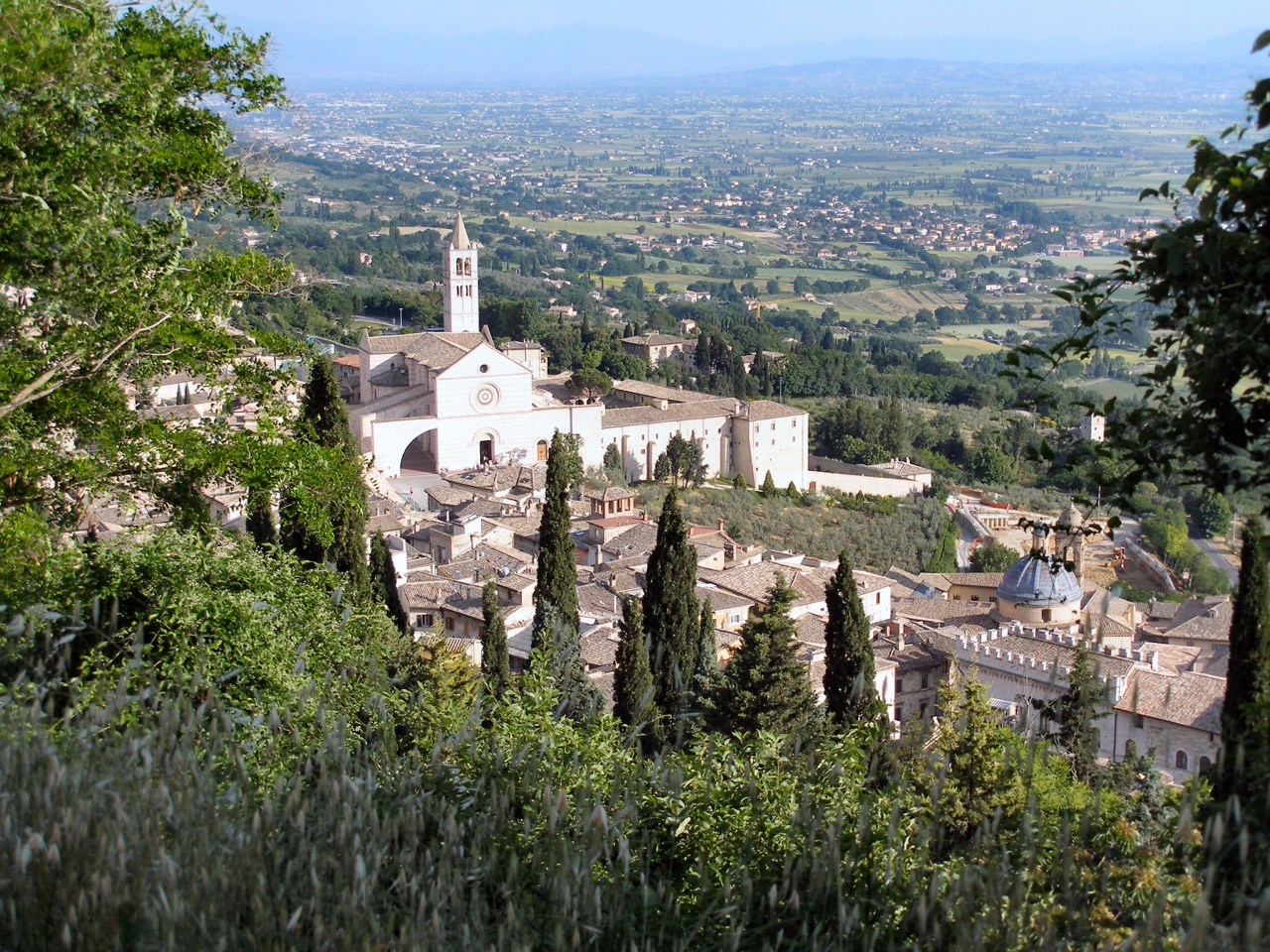
Basilica of Saint Clare · Poor Clare monasteryThe 13th-century basilica raised over the tomb of Saint Clare and the original San Damiano Crucifix.
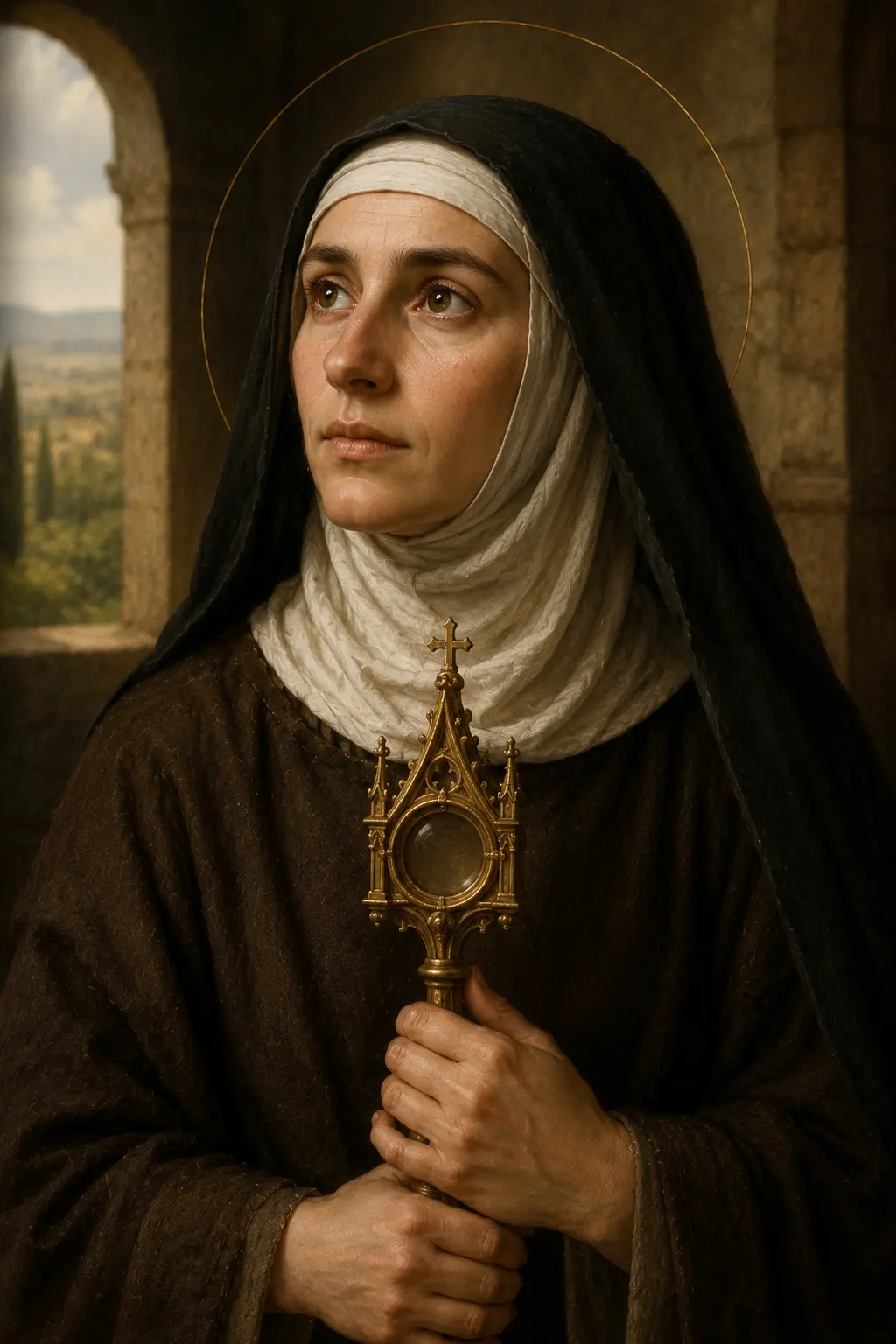
Saint Clare's tomb and the painted crucifix from San Damiano give this basilica its pilgrim center. It gathers in one place the founder of the Poor Clares and the cross that opened the conversion of Saint Francis.
Clare entered religious life under the direction of Francis in 1212 and lived the rest of her life in enclosure at San Damiano, where she gathered the first community of Poor Clares. She died there in 1253 and was canonized by Pope Alexander IV in 1255. Construction of this basilica began two years later on the southern hill of Assisi, both to house her body and to receive the Poor Clare community, which moved here from San Damiano in 1260.
The basilica is built in the same Italian Gothic idiom as the upper Basilica of Saint Francis on the opposite side of the old town, in pink and white limestone quarried from Mount Subasio. The three large flying buttresses along the southern flank are the most recognizable detail of the exterior. The interior is a single Gothic nave with chapels on either side, including the Chapel of the Crucifix where the San Damiano cross is preserved.
Clare founded the Poor Clares at San Damiano in 1212 and died there in 1253.
Construction of the basilica began in 1257 and was consecrated in 1265 by Pope Clement IV.
Clare's body was hidden in the 14th or 15th century for safekeeping and located again in 1850.
The Poor Clares of the adjoining monastery have continuously cared for the basilica since the community moved here from San Damiano.
The basilica is a working Poor Clare church, not a museum. The community sings the Liturgy of the Hours from the choir behind the high altar, and pilgrims are asked to keep silence throughout. Approach it that way: pray at the tomb, sit before the crucifix, then look.
Where Saint Clare is buried, beneath the high altar.
Holds the original 12th-century painted cross from San Damiano, the cross before which Francis prayed at his conversion.
Preserves Clare's hair, habit, breviary, and objects connected with the earliest Poor Clares.
Clare's younger sister and one of the first Poor Clares is venerated in the basilica.
Walk the nave, pray before the San Damiano Crucifix in its chapel, and descend to the crypt to pray at the tomb of Saint Clare.
As above, plus the reliquary chapel with Clare's habit and breviary, the tomb of Saint Agnes of Assisi, and quiet time before the crucifix.
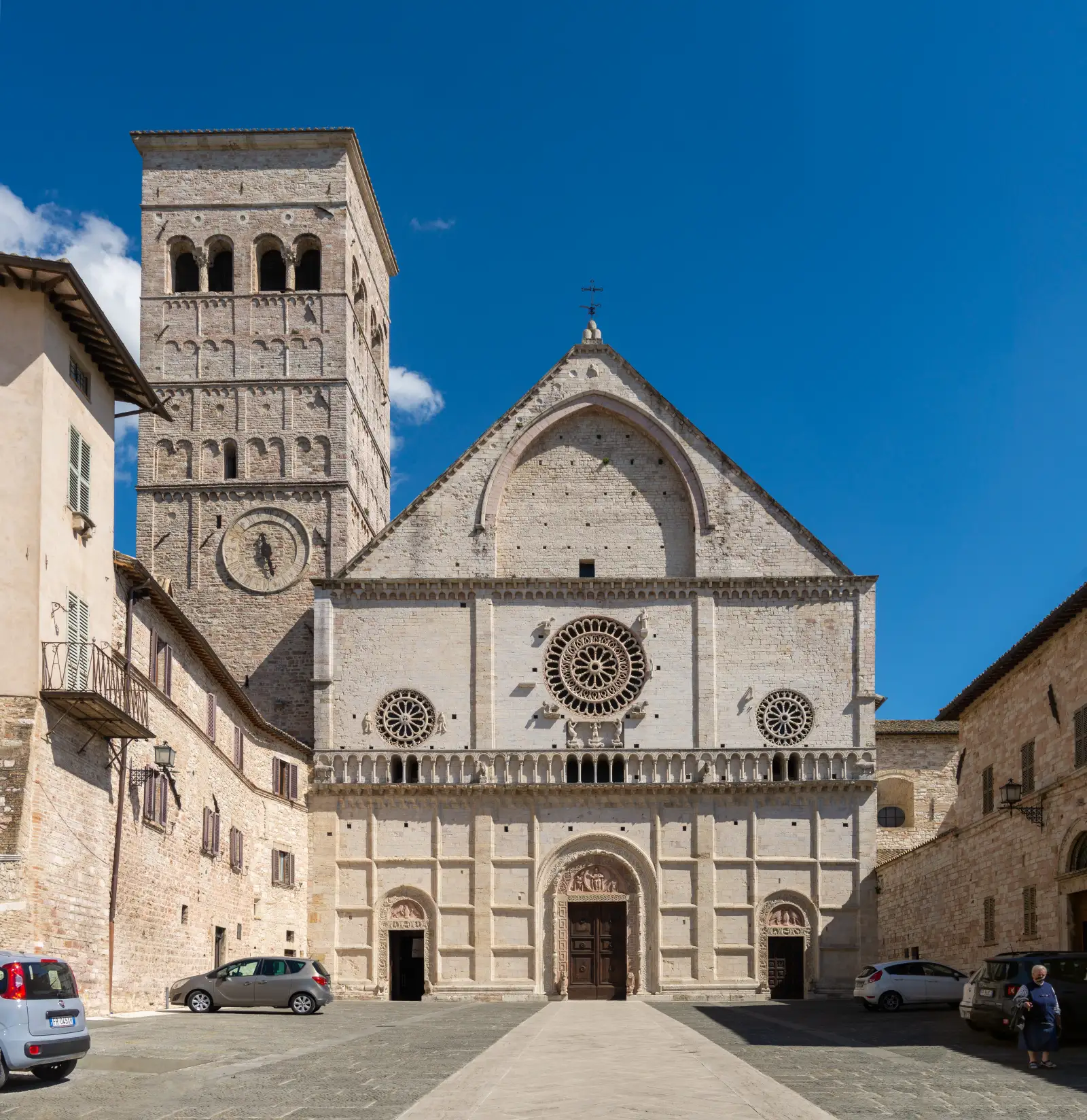
Pair the basilica that holds Clare's body and the original crucifix with the place she actually lived. Walk down through the southern gate to San Damiano, then return by way of the Cathedral of San Rufino, where Clare was baptized.
Pray at the tomb and before the San Damiano Crucifix first, then walk the nave and the reliquary chapel. The basilica is small enough to be received in one visit if it is approached prayerfully.
Enter through the main door on Piazza Santa Chiara. Walk the nave first, then turn into the Chapel of the Crucifix on the right to spend time before the San Damiano cross. Descend to the crypt by the side staircase to pray at the tomb of Clare. Return to the nave and visit the reliquary chapel before leaving.
Yes, at the tomb in the crypt
Basilica of Saint Clare · Poor Clare monasteryYes, in the Chapel of the Crucifix beside the nave
Basilica of Saint ClareYes, in the reliquary chapel
Poor Clare monastery traditionYes, within the basilica
Basilica of Saint ClareSource note Traditional attributions are presented as tradition, with documentation named where it exists.
Where this church sits within the wider Catholic geography of Assisi.
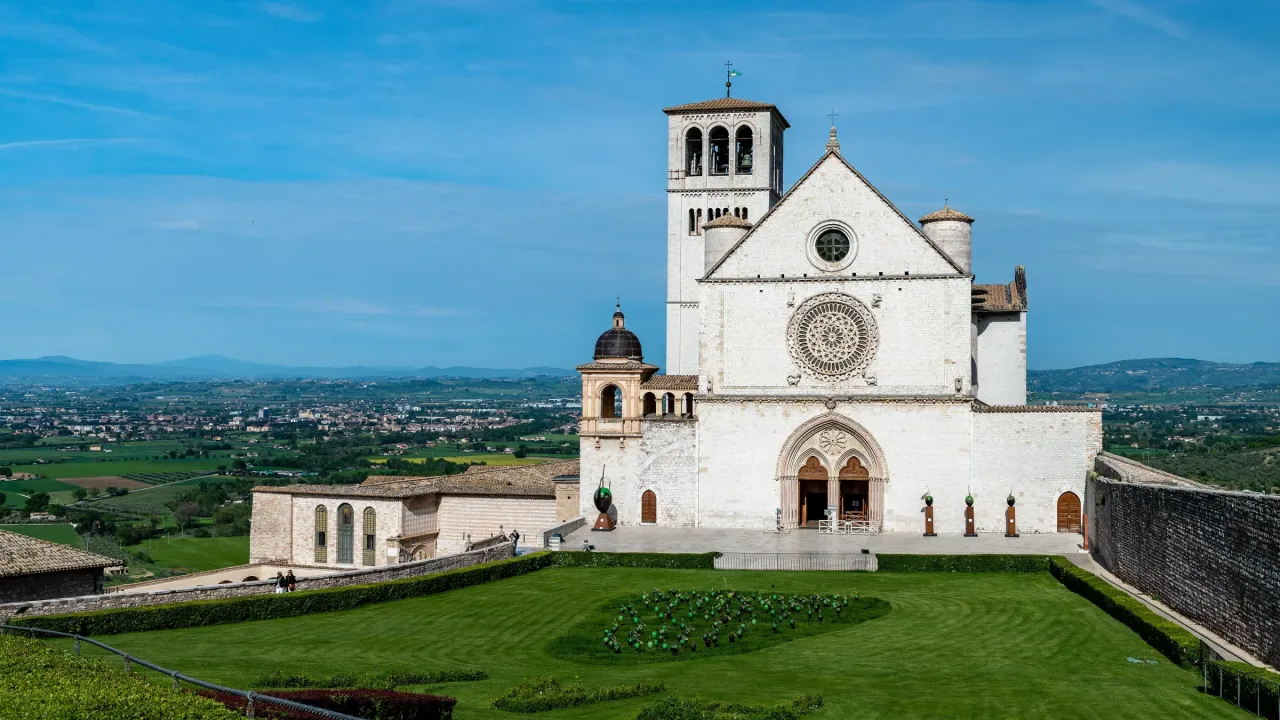
The papal basilica at the western edge of the old town, raised over the tomb of Saint Francis.
The parish church where Francis and Clare were both baptized, a short walk along the spine of the old town.
The chapel and cloister below the walls where Clare lived and where the original crucifix in this basilica once hung.
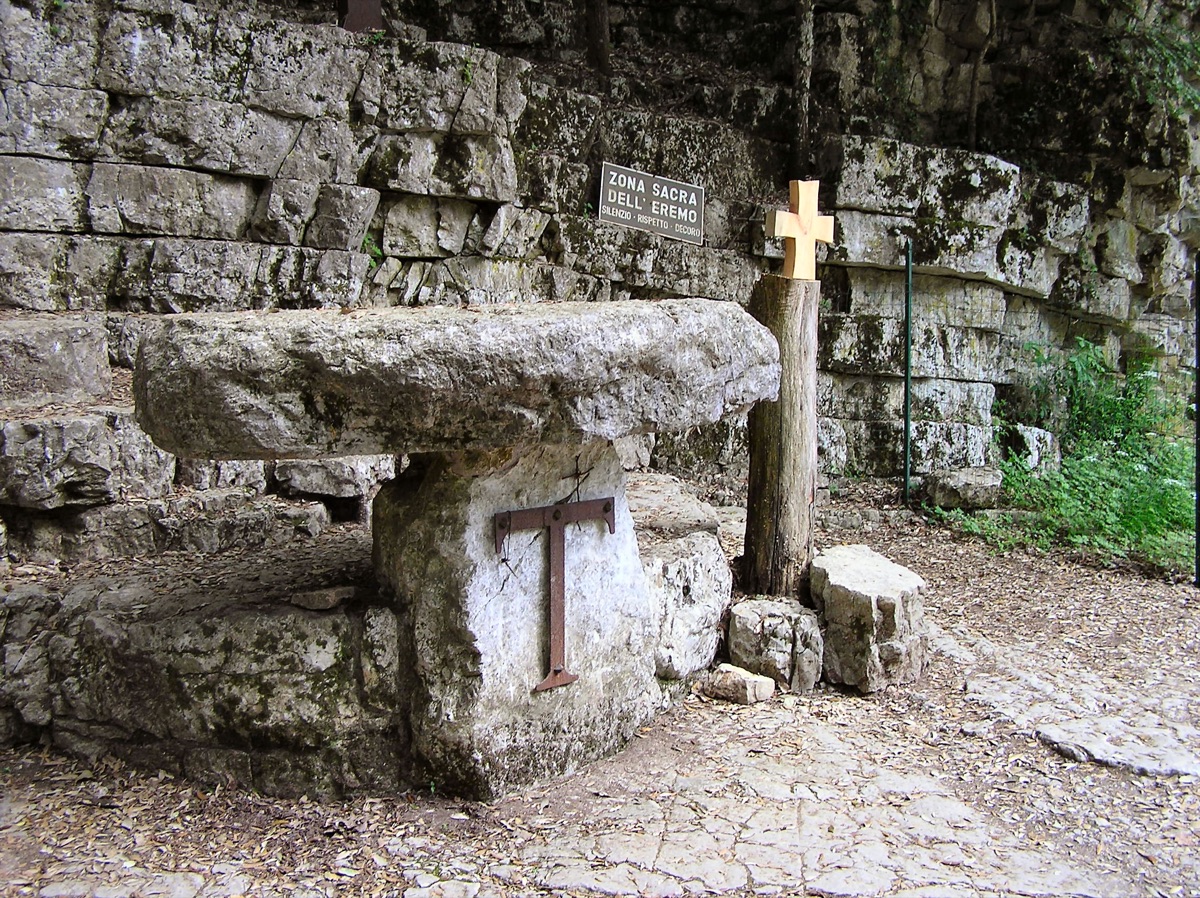
Clare stayed within walls; Francis climbed to the woods. The hermitage on Mount Subasio above the town is the outward axis to her enclosure.
The figure visible in the crypt is a wax representation laid over the relics of Saint Clare, which were located again in 1850. The San Damiano Crucifix is the original; a faithful copy remains in the church of San Damiano outside the walls.
Pending review.
Use this for corrections, broken links, missing places, and planning ideas.