Tomb of Saint Francis
Saint's tombYes, at the tomb in the crypt
Sacred Convent of AssisiThe papal basilica raised over the tomb of Saint Francis and the cradle of Franciscan veneration.
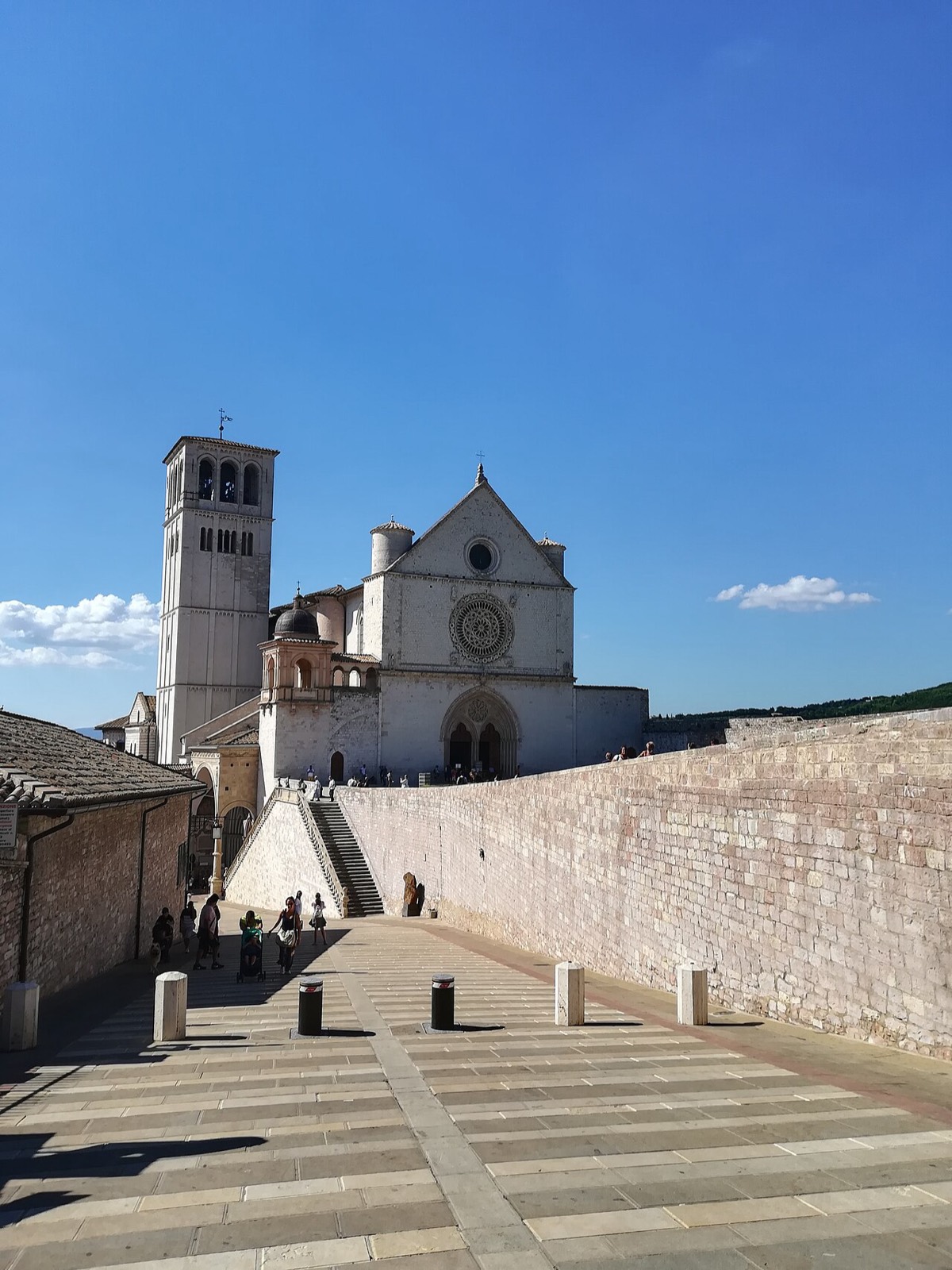
Come here to pray at the tomb of Saint Francis. The basilica is also the foundational shrine of the Franciscan movement and one of the great visual narratives of a saint's life in Western art, but the crypt is the reason pilgrims walk the long piazza.
Saint Francis died at the Portiuncula in 1226 and was canonized two years later. Pope Gregory IX laid the foundation stone of this basilica on the day after the canonization, on a hillside Francis himself had called the Collis Inferni, the hill of the condemned, which he asked to be renamed the Collis Paradisi. The lower church was consecrated in 1230; the upper church and the full complex were consecrated in 1253.
The lower basilica is a low Romanesque-Gothic hall designed for prayer at the tomb, with a darkness that draws attention toward the altars. The upper basilica is one of the earliest Italian Gothic churches, raised as a vessel for the great fresco cycle of the life of Saint Francis traditionally attributed to Giotto, with earlier work by Cimabue and contemporary work by Pietro Lorenzetti and Simone Martini.
The crypt is not one feature among many. It is the reason the basilica and the Franciscan pilgrimage gather here.
The lower basilica draws the visit down into prayer; the upper basilica opens the story of Francis in light and fresco.
The painted cycles are not decoration around a saint. They carry the Franciscan story from conversion to witness.
The double basilica was begun shortly after Francis's canonization in 1228 and consecrated in 1253.
His tomb was deliberately hidden in the 15th century and only located again in 1818.
The Custody of the Sacred Convent has cared for the basilica without interruption since the 13th century.
The complex has been a UNESCO World Heritage Site since 2000.
The basilica is not a museum. It is a working Franciscan church and a place of continuous pilgrim prayer at the tomb of Francis. Approach it that way: pray first, look later.
Where Saint Francis is buried with four of his earliest brothers. The natural first stop.
Twenty-eight scenes drawing the life of Francis around the nave.
One of the earliest and most powerful images of Francis, painted within a generation of his death.
Holds the tunic, chalice, and personal items traditionally associated with Francis.
Enter the lower basilica, descend to the crypt to pray at the tomb of Francis, then walk the upper basilica and the Giotto cycle on the way out.
Add the reliquary chapel and the Cimabue and Lorenzetti frescoes in the lower transepts. Sit briefly in either basilica before leaving.
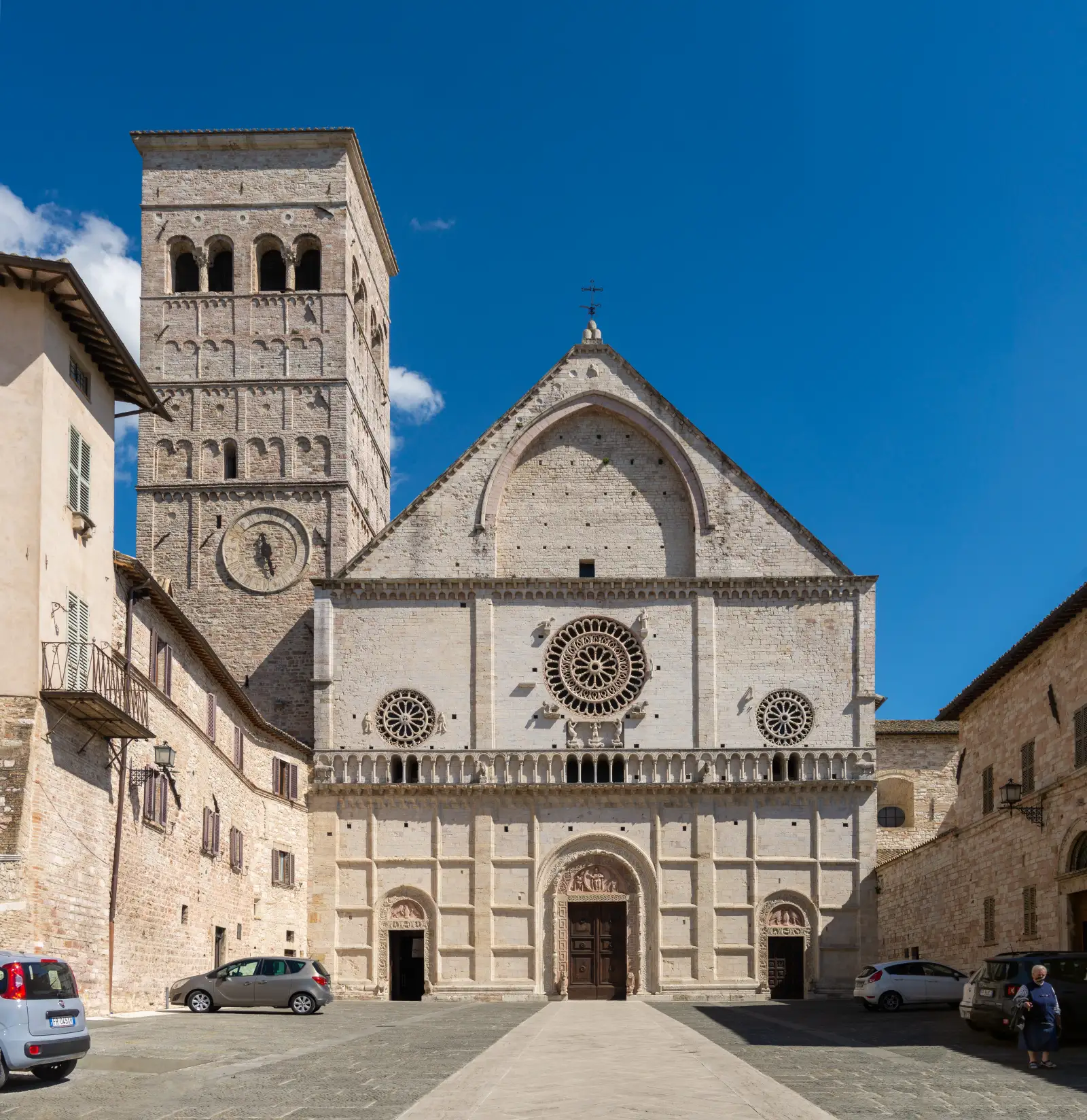
Pair the basilica with the Cathedral of San Rufino, the parish church of Francis's baptism, and end at the Basilica of Saint Clare on the other side of the old town.
Pray at the tomb first, then read the life of Francis in the frescoes. The basilica works best when the visit moves from devotion to looking, not the other way around.
Begin in the lower basilica and walk straight to the crypt. Pray at the tomb before returning upstairs. From the lower basilica, move through the transepts to read the Lorenzetti and Cimabue frescoes, then climb to the upper basilica and follow the Giotto cycle around the nave. Allow time for silence; the basilica strictly enforces it.
Yes, at the tomb in the crypt
Sacred Convent of AssisiYes, in the crypt
Sacred Convent of AssisiYes, in the reliquary chapel of the lower basilica
Sacred Convent of Assisi traditionSource note Traditional attributions are presented as tradition, with documentation named where it exists.
Where this church sits within the wider Catholic geography of Assisi.
The companion shrine on the southern side of the old town, tomb of Clare and the original San Damiano crucifix.
The cathedral where Francis and Clare were baptized, between the two basilicas.
The small chapel where the Franciscan movement was born and where Francis died, four kilometres down in the plain below the town.
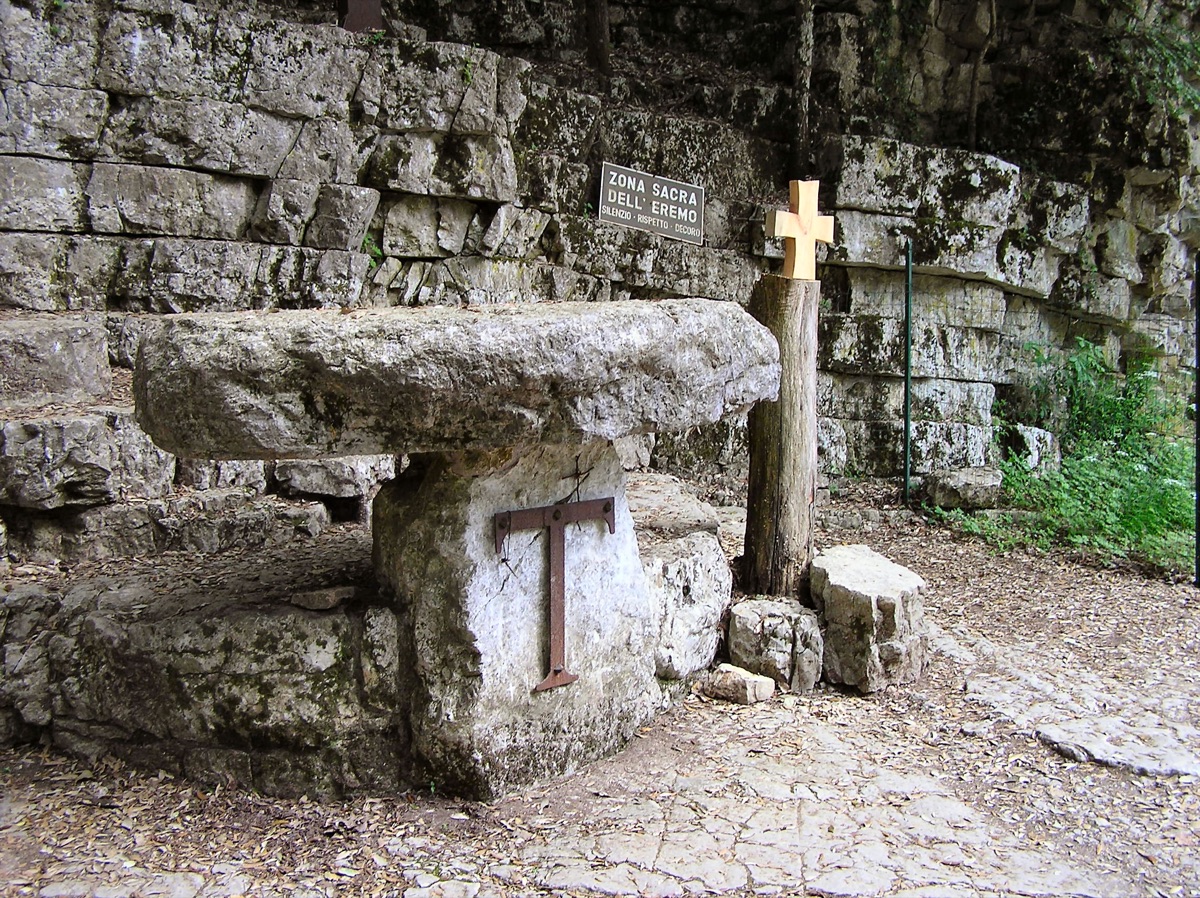
The Franciscan hermitage on Mount Subasio above the basilica. The climb begins at the Porta Cappuccini and continues through oak woods to roughly 800 metres: the silence axis the basilicas alone do not give.
The Basilica of Saint Francis is not only the burial church of one saint. It is where Assisi's Franciscan memory, the lives of Francis and Clare, the tomb tradition, and the hill town's wider sacred geography meet. These are the connections that hold that ground together.
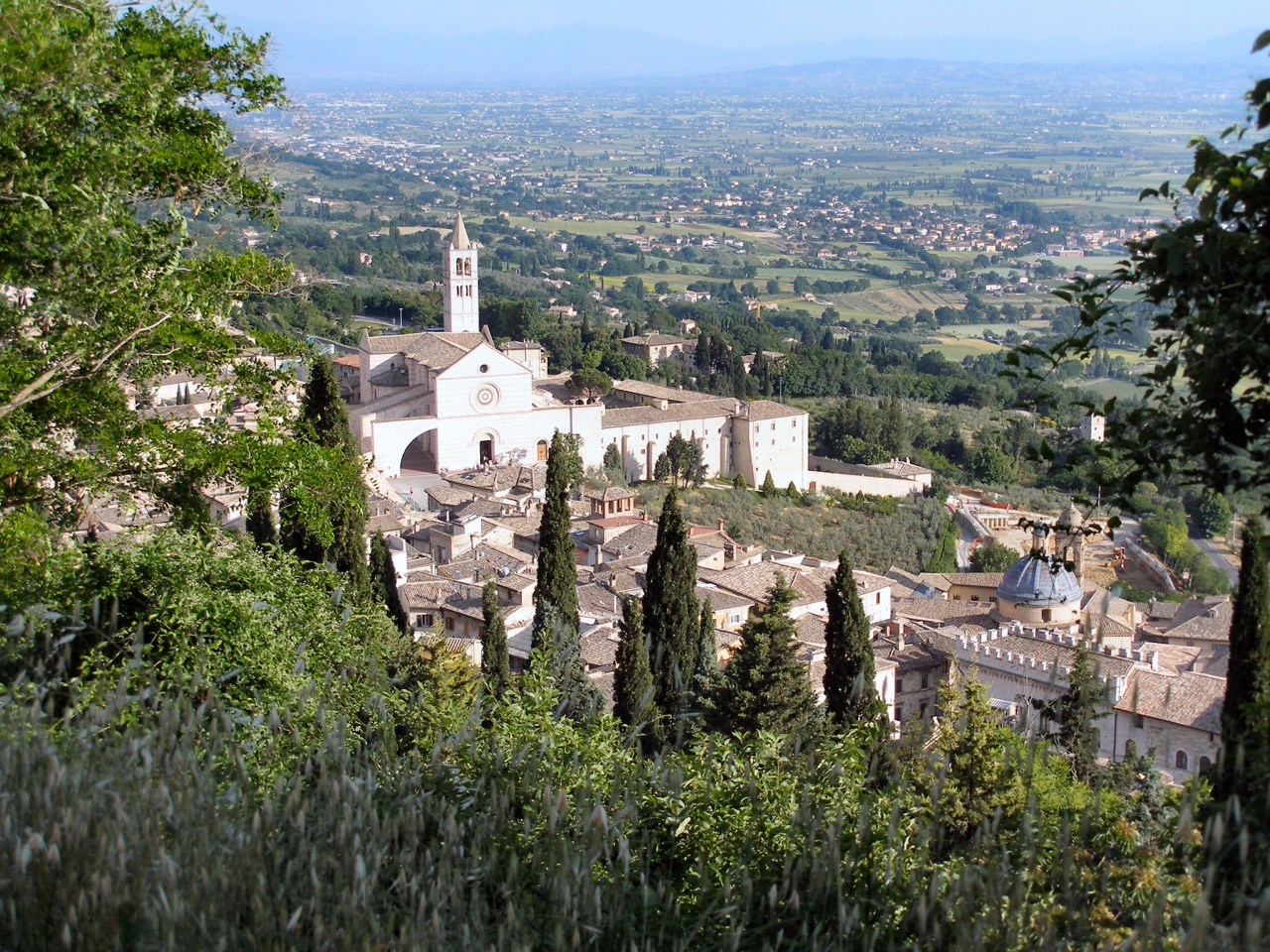
Assisi holds the basilica at the head of the town, the anchor of its Franciscan identity and pilgrimage.
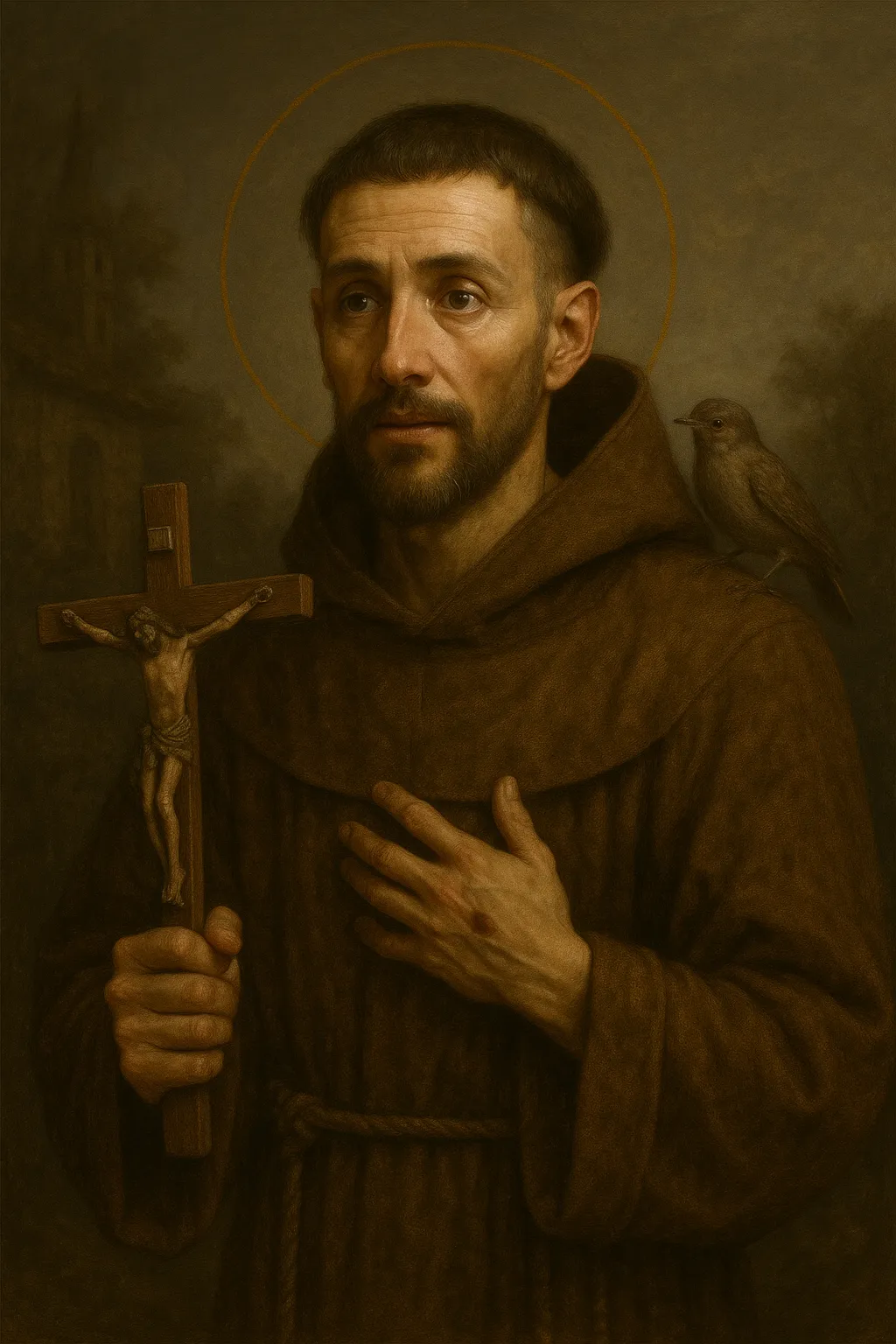
Built over the tomb traditionally venerated as the burial place of Saint Francis, who died at the Porziuncola in 1226.
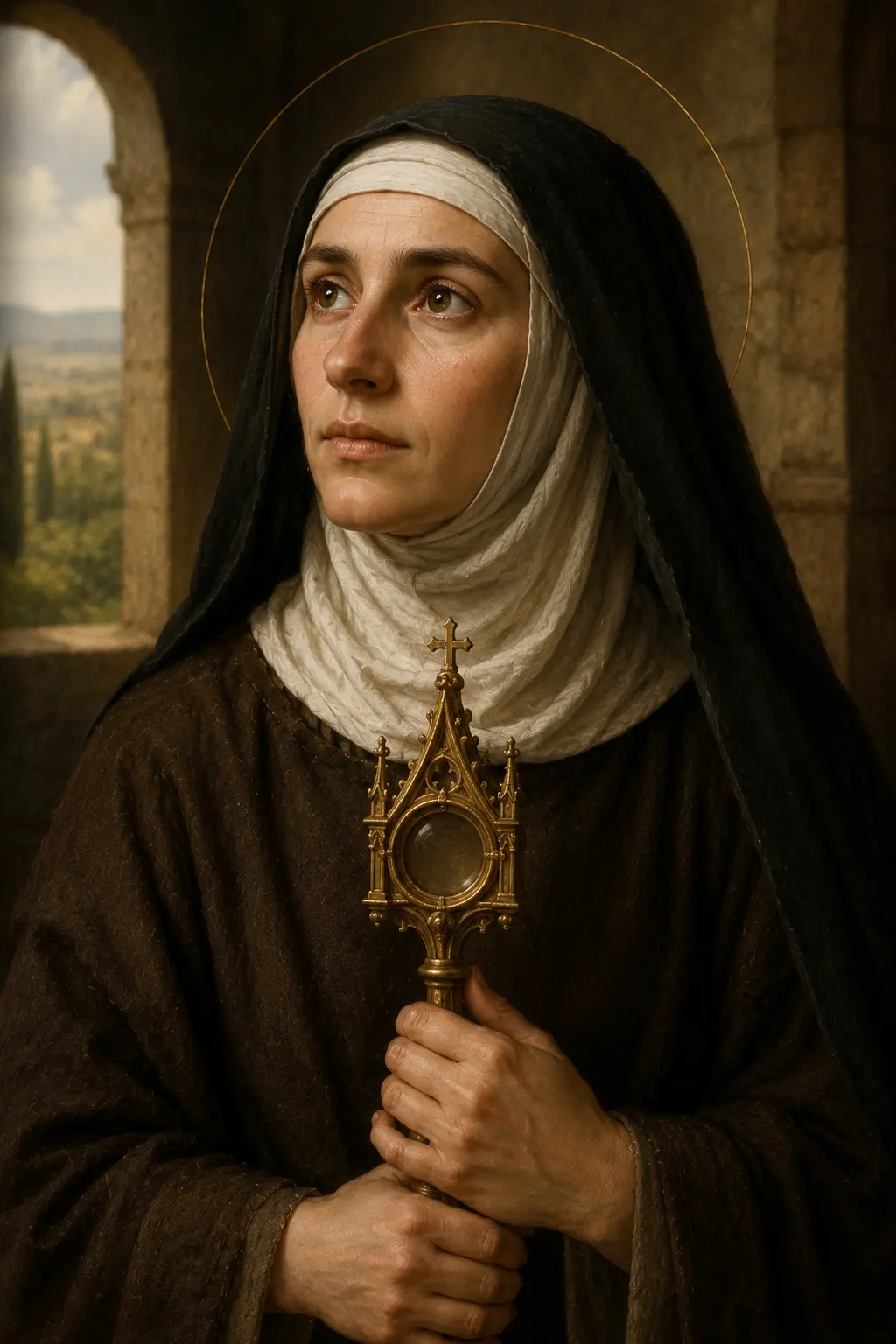
Remembered here with Francis as the co-founder of the Franciscan movement; her body rests nearby at the Basilica of Saint Clare.
Associated in Catholic memory as the founders of the Franciscan and Poor Clare families, bound by a shared life of Gospel poverty.
Pilgrims venerate the tomb of Saint Francis in the crypt beneath the lower basilica.
Traditionally venerated as the burial place of Saint Francis, the tomb was rediscovered beneath the basilica in 1818 and confirmed by the Holy See, according to the official basilica.
The basilica raised over the tomb traditionally venerated as the burial place of Saint Clare, across the town from the Basilica of Saint Francis.
The small church below the walls where, according to tradition, Francis heard the call to rebuild the Church and where Clare later lived in enclosure.
The official site of the Sacred Convent that cares for the basilica and the tomb of Saint Francis.
Franciscan tradition, public veneration, and official basilica context are distinct. The tomb of Saint Francis is traditionally venerated as his burial place and was rediscovered beneath the basilica in 1818; Saint Clare is remembered here with Francis, though her body rests at the Basilica of Saint Clare. These connections help explain how the basilica fits into a wider Assisi pilgrimage.
Photography is not permitted inside the basilicas. Silence is strictly enforced. The Sacred Convent is a living Franciscan community.
Pending review.
Use this for corrections, broken links, missing places, and planning ideas.