
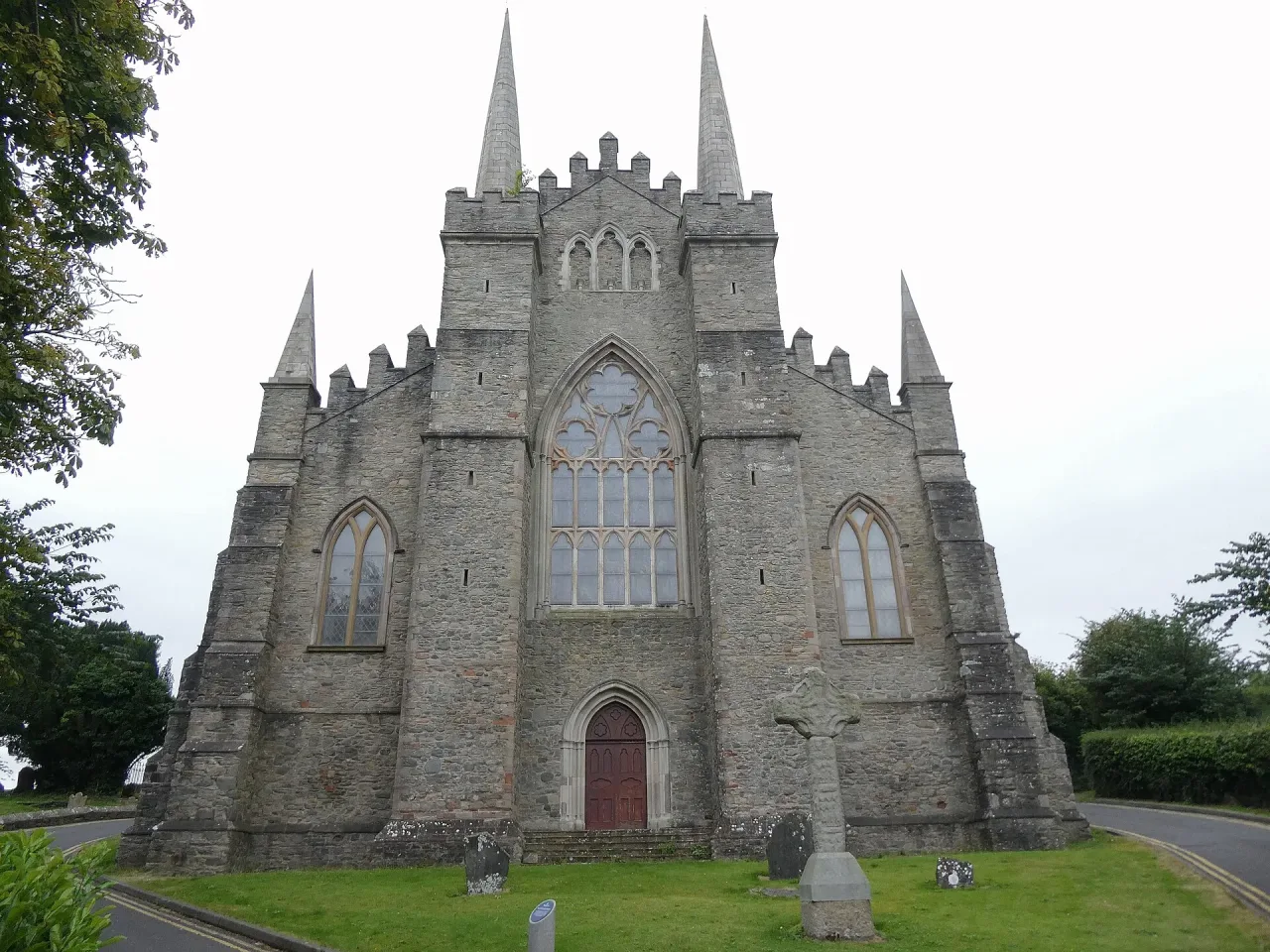
Down Cathedral and Saint Patrick's Grave
The strongest public ending for a Saint Patrick pilgrimage: a cathedral hill, a traditional grave, and centuries of Christian memory held without pretending the stone is forensic proof.
- Location
- Downpatrick, Northern Ireland 54.3276° N · 5.7215° W
- Type
- Church of Ireland cathedral and historic Christian pilgrimage site Medieval fabric substantially restored in the Georgian period
- Dedication
- The Holy and Undivided Trinity
- Time Needed
- 45 minutes to half a day
Stand where Ireland remembers its apostle
Downpatrick gives Patrick's story a human ending. The place does not settle the disputed chronology of his death or authenticate identifiable remains. It does give pilgrims a public, centuries-old tradition in which to pray for Ireland, missionaries, captives, and the grace to answer injury without revenge.
Burial tradition on the Hill of Down
Later tradition places Patrick's final days near Saul and his burial on the Hill of Down. The cathedral's own account receives that tradition, and the grave outside is marked by a large granite stone. Medieval and modern layers have changed the site repeatedly. Eternal Roam therefore says traditional grave, never proven tomb or intact relics.
The present cathedral preserves medieval fabric within a substantial Georgian restoration. Its hilltop position matters as much as any single interior feature: the church, graveyard, town, and road toward Saul form one compact pilgrimage landscape.
Ireland's principal public burial tradition for Saint Patrick
A place for prayer that does not require certainty the evidence cannot supply
A living Church of Ireland cathedral that Catholic visitors should enter with ecumenical respect
Catholic pilgrims come because Patrick belongs to the undivided Christian past of Ireland. The cathedral is now Church of Ireland. Respect for its present community is part of the pilgrimage, not an inconvenience around it.
What to notice.
-
Saint Patrick's traditional grave
Pray at the granite marker, but do not ask it to prove what history cannot establish.
-
The cathedral interior
Enter as a guest of a living Christian community and let worship take priority.
-
The view toward Downpatrick
Read hill, town, Saul, and the road between them as one remembered missionary landscape.
- The difference between a durable burial tradition and an authenticated tomb
- The shared Christian inheritance of a saint who predates later divisions
- How close Down Cathedral, the Saint Patrick Centre, and Saul are to one another
How much time, and what to do with it.
-
Cathedral, traditional grave, and quiet prayer.
-
Add the Saint Patrick Centre and Saul Church.
Entering as a pilgrim, not a tourist.
Check the cathedral's official site for current opening, services, access, and contact information. Do not enter during worship merely to sightsee. The grave is outdoors, but events and maintenance can still affect access.
- Church of Ireland cathedral services
- Ecumenical prayer and Saint Patrick pilgrimage observances
- Public visits to the cathedral and grave as current access permits
Verify cathedral life before you go.
Opening patterns and services can change. Use the cathedral's own site before planning around a particular hour.
What pilgrims come to venerate here.
Tomb and Burial
- Saint Patrick, by longstanding tradition rather than authenticated archaeological identification
Relics and Sacred Tradition
- No authenticated bodily relic claim is made; the granite grave marker identifies the traditional burial place
Sacred Objects
- The Saint Patrick grave marker
- The cathedral's worshipping interior
- The wider Hill of Down Christian landscape
How this place gathers the saints.
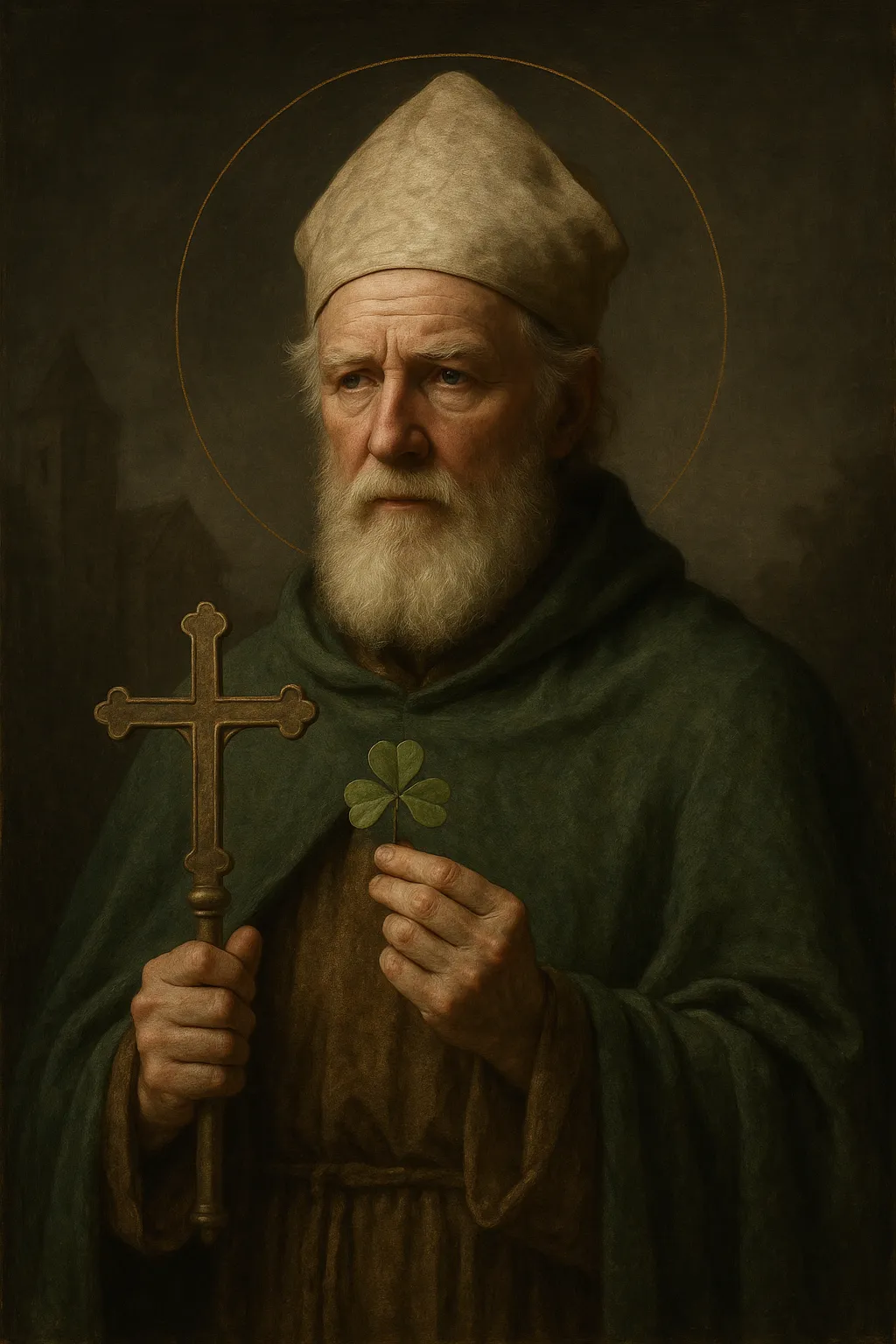
Within walking distance.
-
Interpretive centre
Saint Patrick Centre
A short walk downhill for the historical and pilgrimage context of Patrick.
-
Traditional mission site
Saul Church
The local tradition of Patrick's first church and final days, a short drive from Downpatrick.
Plan around this place.
The cathedral is Church of Ireland, not Roman Catholic. The grave is presented as a longstanding tradition, not as archaeologically authenticated remains. Current access must be verified on the official site.
August 1, 2026
Photo credits
- Hero. Gareth James / Geograph Britain and Ireland / Wikimedia Commons (CC BY-SA 2.0). Source. CC BY-SA 2.0.