
Estrela Basilica (Basílica da Estrela)
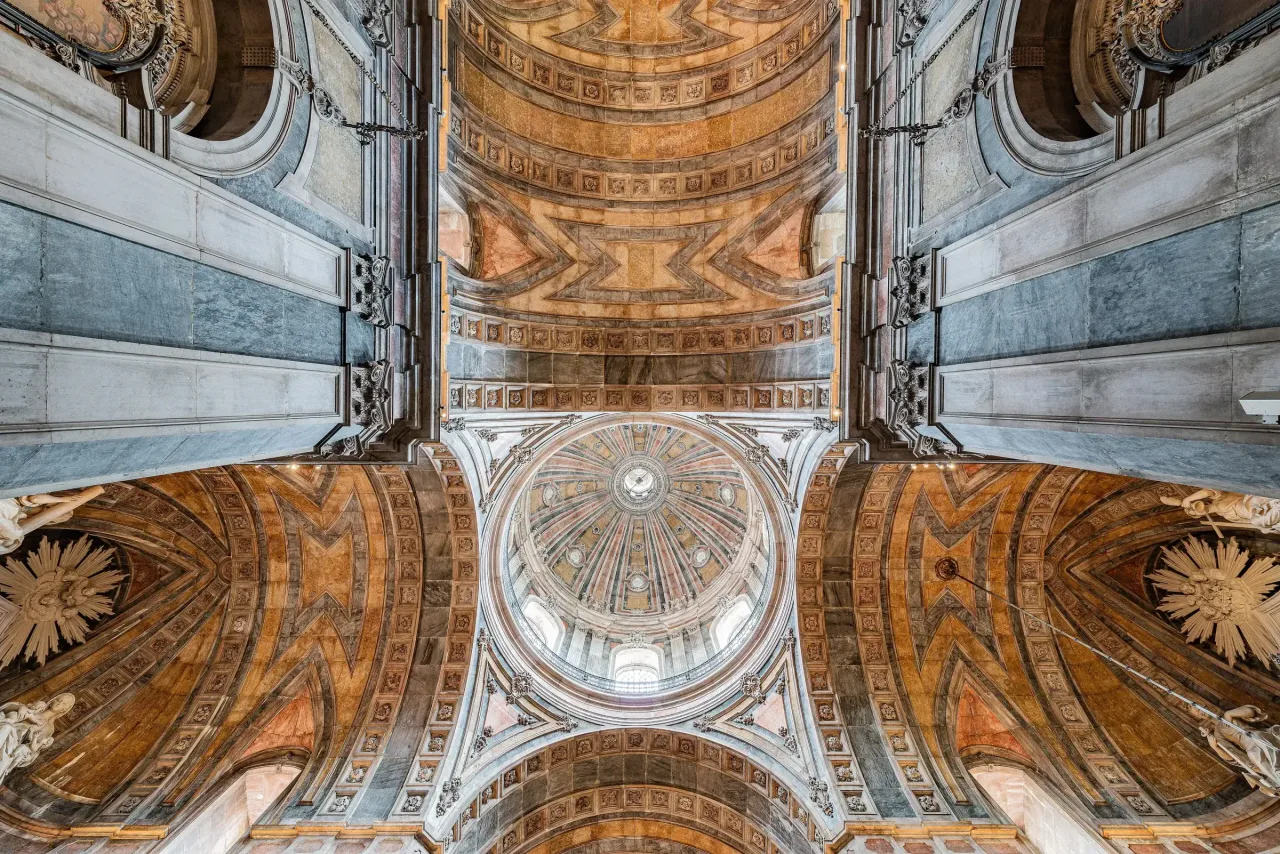
The Estrela Basilica was built by Queen Maria I between 1779 and 1790 in fulfilment of a vow, and is among the earliest churches in the world dedicated to the Sacred Heart of Jesus. Its marble dome is one of the landmarks of the Lisbon skyline.
- Location
- Lisbon, Portugal 38.7134° N · 9.1604° W
- Type
- Basilica Late Baroque and neoclassical, built 1779 to 1790, faced throughout in Portuguese marble
- Dedication
- The Most Sacred Heart of Jesus
- Time Needed
- 30 minutes to half a day
A Vow in Marble
Come for the Sacred Heart and for the quiet. This is a large, calm, working basilica west of the tourist centre, and on most days you will have the dome to yourself. It is also an unusually early dedication: the devotion to the Sacred Heart was still spreading through the Church when Maria I vowed to build this church, and she built it at the scale of a royal promise.
The Queen's Promise
Maria I vowed to raise a church to the Sacred Heart of Jesus if she were given a son and heir. Jose was born in 1761, and building began in 1779. The church was finished in 1790, but the prince had died of smallpox in 1788, before he could see it. A community of Discalced Carmelite nuns was established in the adjoining convent. Maria I herself died in Rio de Janeiro in 1816, having gone to Brazil with the court when Napoleon's armies entered Portugal, and her body was brought back to be buried in the church she had built. The basilica went up in the generation after the 1755 earthquake, when Lisbon was still rebuilding, and its scale was meant to be read that way.
What to notice.
-
The marble dome
Faced throughout in patterned Portuguese marble and visible from across Lisbon. Stand under the crossing and look straight up.
-
The tomb of Queen Maria I
She vowed the church on the birth of a son and heir. The prince died of smallpox in 1788, two years before it was finished, and she died in Brazil in 1816.
-
The Machado de Castro nativity
Several hundred figures in cork and terracotta. It is shown at some times of year and not others, so ask on arrival rather than counting on it.
-
The Jardim da Estrela
The garden opposite gives the quietest approach to the basilica, and most visitors never cross into it.
- This is one of the earliest churches anywhere dedicated to the Sacred Heart of Jesus, built while that devotion was still spreading through the Church.
- It went up between 1779 and 1790, in the decades after the 1755 earthquake, and it is deliberately a statement that Lisbon had recovered.
- The Carmelite community for whom the adjoining convent was built has gone, but the basilica remains a working church rather than a monument.
How much time, and what to do with it.
-
The dome and the vow
3 ordered stopsA short visit that reads the church as what it is: a vow kept, under one of the largest domes in the city.
- The nave, entered from the Praça da Estrela
- The crossing and the marble dome above it
- The tomb of Queen Maria I
-
Basilica and garden
4 ordered stopsThe basilica without hurry, the nativity scene if it is showing, and the garden opposite that most visitors miss.
- The nave and the marble dome
- The tomb of Queen Maria I
- The Machado de Castro nativity scene, when on display
- The Jardim da Estrela across the square
What pilgrims come to venerate here.
Tomb and Burial
- No saint is buried here. The principal tomb is that of Queen Maria I, who built the church.
Relics and Sacred Tradition
- The basilica is not a relic church. Its devotional centre is the Sacred Heart, to whom it is dedicated.
Sacred Objects
- The marble dome over the crossing, among the largest in Lisbon.
- The tomb of Queen Maria I, who vowed the church on the birth of a son and died in Brazil in 1816.
- The nativity scene by Joaquim Machado de Castro, with several hundred figures in cork and terracotta.
West of the centre
-
Church
Church of São Roque
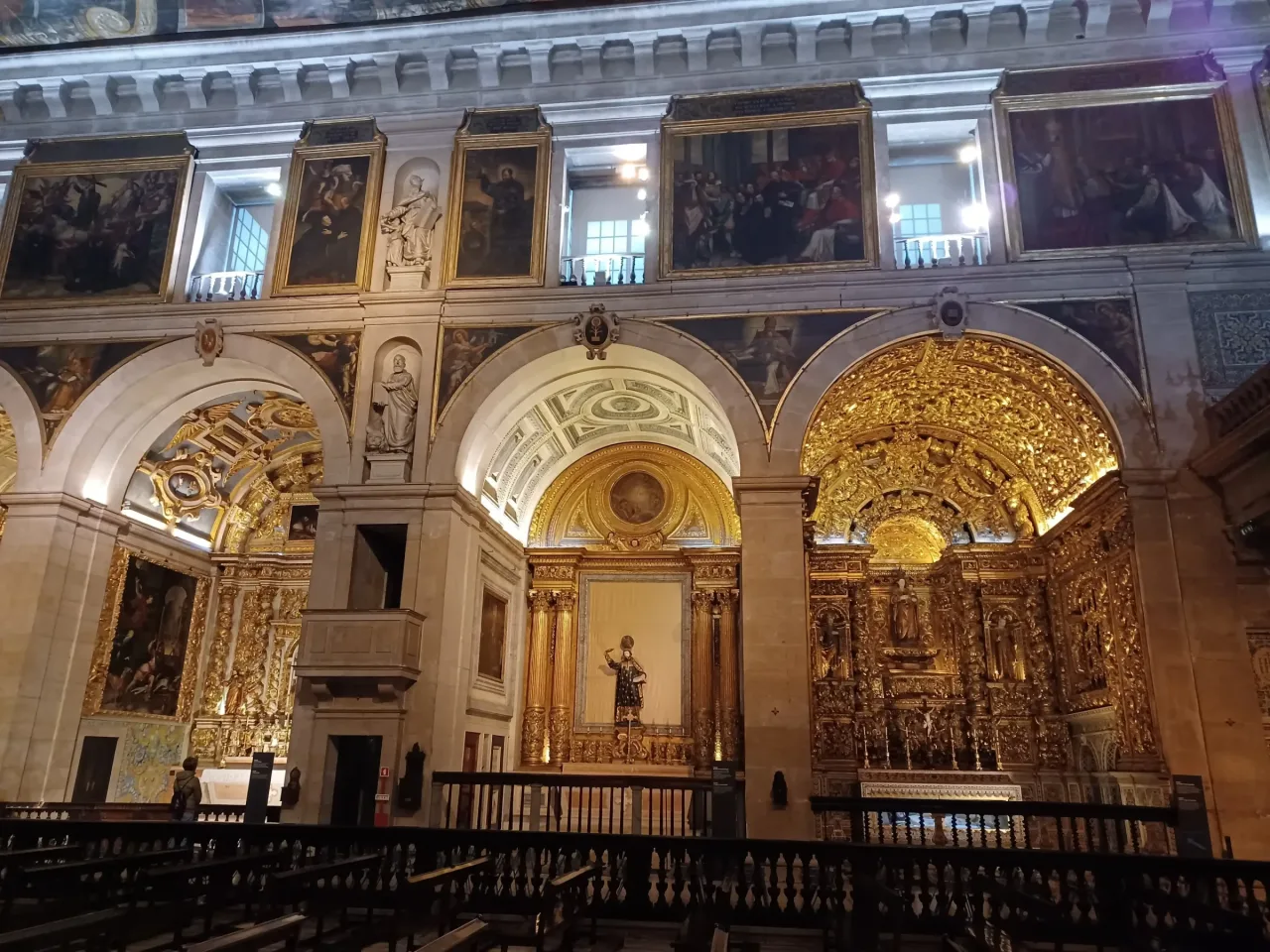
East toward the Bairro Alto, the Jesuit church with the Chapel of Saint John the Baptist.
-
Monastery
Jerónimos Monastery
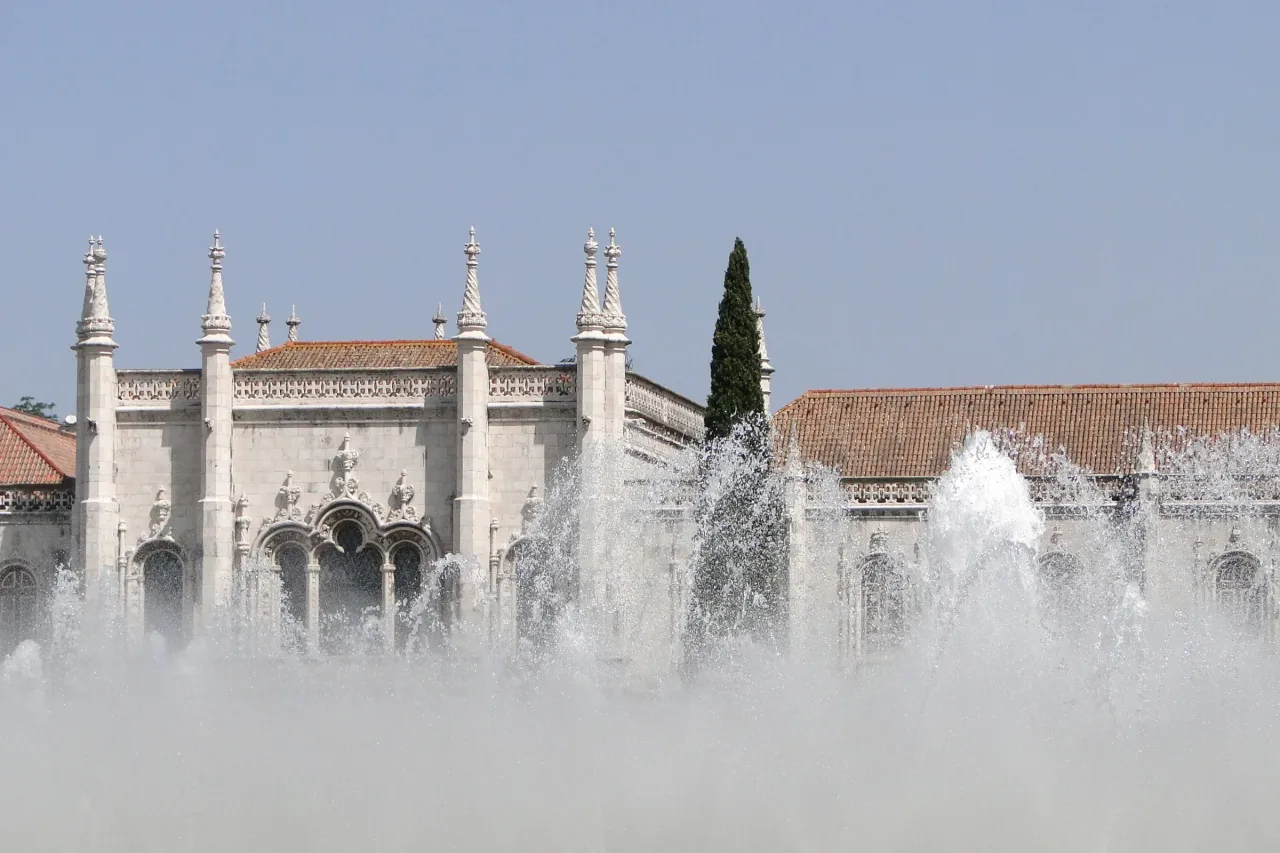
West along the river at Belém, the Manueline monastery of the Hieronymite friars.
Plan around this place.
Edited from the Patriarchate of Lisbon and the Wikimedia image provenance listed in the credits. No dedicated basilica or parish website resolved at the time of review, so the official link points to the diocese the basilica belongs to. Access to the dome and to the nativity scene varies through the year; confirm on the day.
August 4, 2026
Photo credits
- Hero. Photo: T meltzer, CC BY-SA 4.0, via Wikimedia Commons. Source. CC BY-SA 4.0.
- From the Garden. Photo: Sonse, CC BY 2.0, via Wikimedia Commons. Source. CC BY 2.0.