
Basilica and Convent of Santo Domingo
Santo Domingo is the Dominican basilica and convent of Lima, where the relics of Rose of Lima, Martin de Porres, and John Macias are venerated together around a tiled colonial cloister.
- Location
- Lima, Peru
- -12.0437° N · -77.0321° E
- Type
- Dominican basilica and convent in the historic centre of Lima
- A colonial Dominican complex with a Baroque church, a tiled main cloister, and chapter rooms rebuilt after earthquakes
- Dedication
- Saint Rose of Lima, Saint Martin de Porres, and Saint John Macias
Where Lima Keeps Its Saints Together
Come here to find the three Dominican saints of Lima in one place. Rose of Lima, Martin de Porres, and John Macias are venerated together in this church, close to the streets where they lived their hidden holiness.
The Dominican Heart of the City
The Dominicans were among the first religious orders in Lima, and their convent of the Holy Rosary became one of the great houses of the colonial city. It was here that Martin de Porres asked to serve, first as a servant and then as a lay brother, and here that he kept the infirmary and received the poor at the door. Rose of Lima, a lay Dominican, belonged to the same Dominican family and lived nearby, and John Macias was a lay brother in the order in the same generation. Over time the convent became the shared shrine of these three saints, and today Catholics venerate their relics together in the basilica.
The complex joins a Baroque church to a convent built around courtyards. The main cloister is lined with glazed tiles brought from Seville in the seventeenth century, one of the finest tiled interiors in Lima, and the chapter rooms and library recall a house tied to the first university of the Americas. Earthquakes have repaired and reshaped the buildings across the centuries, but the cloister keeps its colonial calm.
This is the one place where Lima keeps Rose of Lima, Martin de Porres, and John Macias together.
The tiled cloister is among the most beautiful colonial interiors in the city.
Martin de Porres served in this Dominican community, and the priory infirmary was the setting of his charity.
The convent's history runs alongside the founding of the first university in the Americas.
A place is significant when it is still used.
Santo Domingo is a pilgrimage church, not only a colonial monument. Pilgrims come to pray before the relics of the city's Dominican saints, and to sit in the cloister where the memory of Martin de Porres, who swept these floors and tended the sick, is close at hand.
What to notice, without rushing.
-
01
The shared shrine of the saints
The relics of Rose of Lima and Martin de Porres are venerated together, with John Macias honoured in the same church.
-
02
The tiled cloister
Seventeenth-century glazed tiles from Seville around one of Lima's most beautiful colonial courtyards.
-
03
The memory of Martin de Porres
The Dominican community he served, where he kept the infirmary and received the poor.
-
04
The link to San Marcos
A convent tied to the founding of the oldest university in the Americas.
See all 4 · 1 more
- The link to San Marcos A convent tied to the founding of the oldest university in the Americas.
Entering as a pilgrim, not a tourist.
Come from the cathedral a few blocks away, pray before the relics of the three saints, and take time in the tiled cloister. From here the sanctuary of Santa Rosa, close to Rose's own house, is a short walk.
Confirm convent hours and the guided cloister visit.
The basilica is generally open for prayer, while the convent, museum, and tiled cloister are usually seen on a paid visit with set hours. Confirm current times with the convent, and treat the historic centre with normal city awareness.
- Time needed
- About an hour for the basilica and cloister.
- Getting there
- A few blocks northwest of the Plaza Mayor, walkable from the cathedral.
- Best time
- Weekday mornings; the feasts of Martin de Porres (November 3) and Rose of Lima draw larger crowds.
Additional schedule notes
Veneration of the relics
- The shared shrine of Rose of Lima and Martin de Porres is within the basilica; ask on arrival where the relics are venerated.
The city's Dominican saints
- This is the place to pray to Rose of Lima, Martin de Porres, and John Macias together, close to where they lived.
What pilgrims come to venerate here.
Tomb and Burial
- The convent venerates the relics of Saint Rose of Lima, the first canonized saint of the Americas.
- It preserves the relics of Saint Martin de Porres, the Dominican lay brother of the priory infirmary.
- It keeps the relics of Saint John Macias, a Dominican lay brother and companion in the city's holiness.
Relics and Sacred Tradition
- The heads of Saint Rose of Lima and Saint Martin de Porres are venerated together in the basilica, a shared shrine to the Dominican saints of the city.
- Relics of Saint John Macias are honoured in the same church, so that Lima's three Dominican saints are remembered in one place.
Sacred Objects
- The main cloister, lined with seventeenth-century tiles brought from Seville.
- The Baroque basilica and its altars to the Dominican saints.
- The chapter room and library of a convent tied to the beginnings of the University of San Marcos, the oldest in the Americas.
How this place gathers the saints.
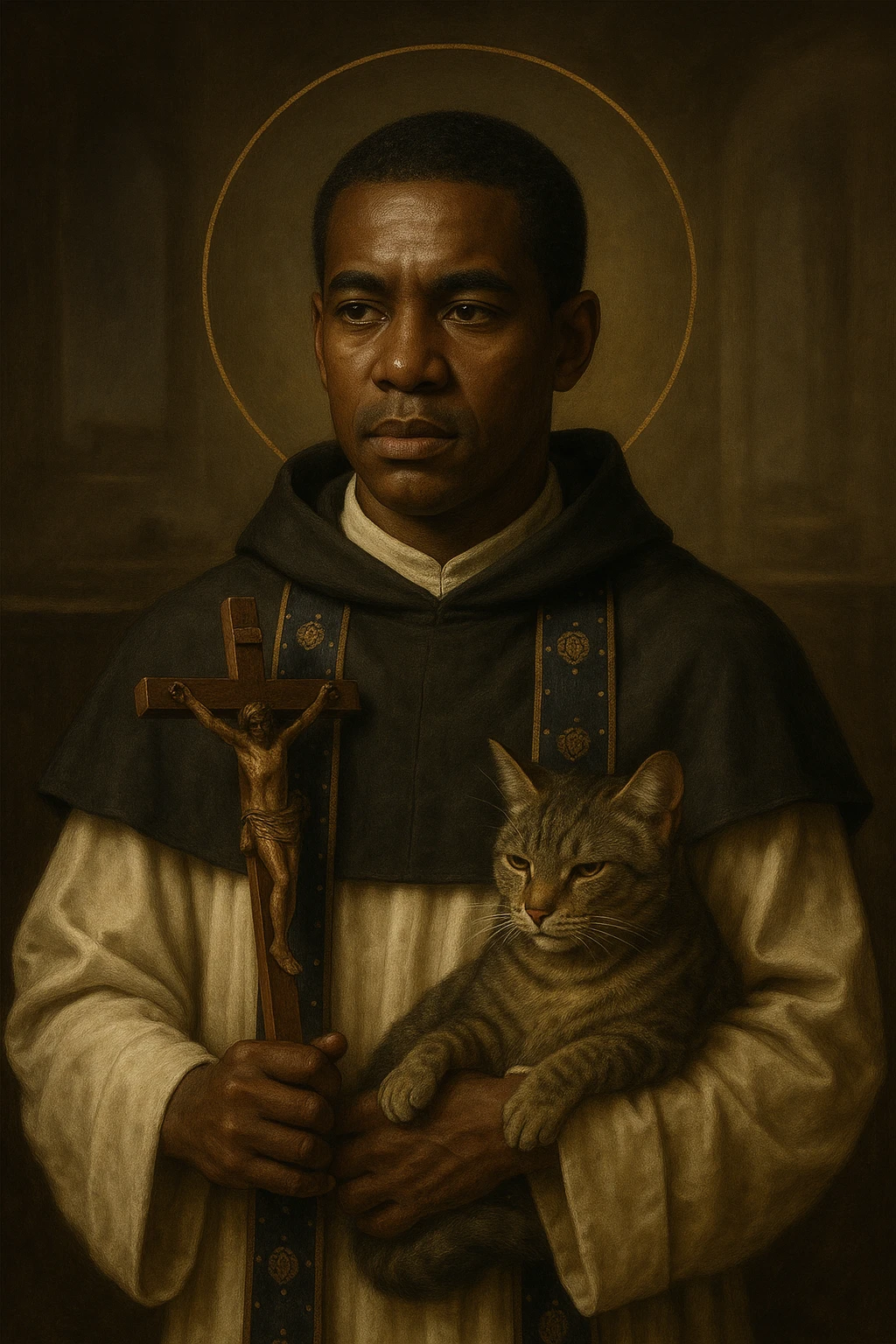
- Saint Martin de Porres Relics venerated The Dominican basilica where Martin served venerates his relics together with those of Rose of Lima and John Macias. He kept the infirmary of this community and received the poor at its door, and his head is venerated in the church.
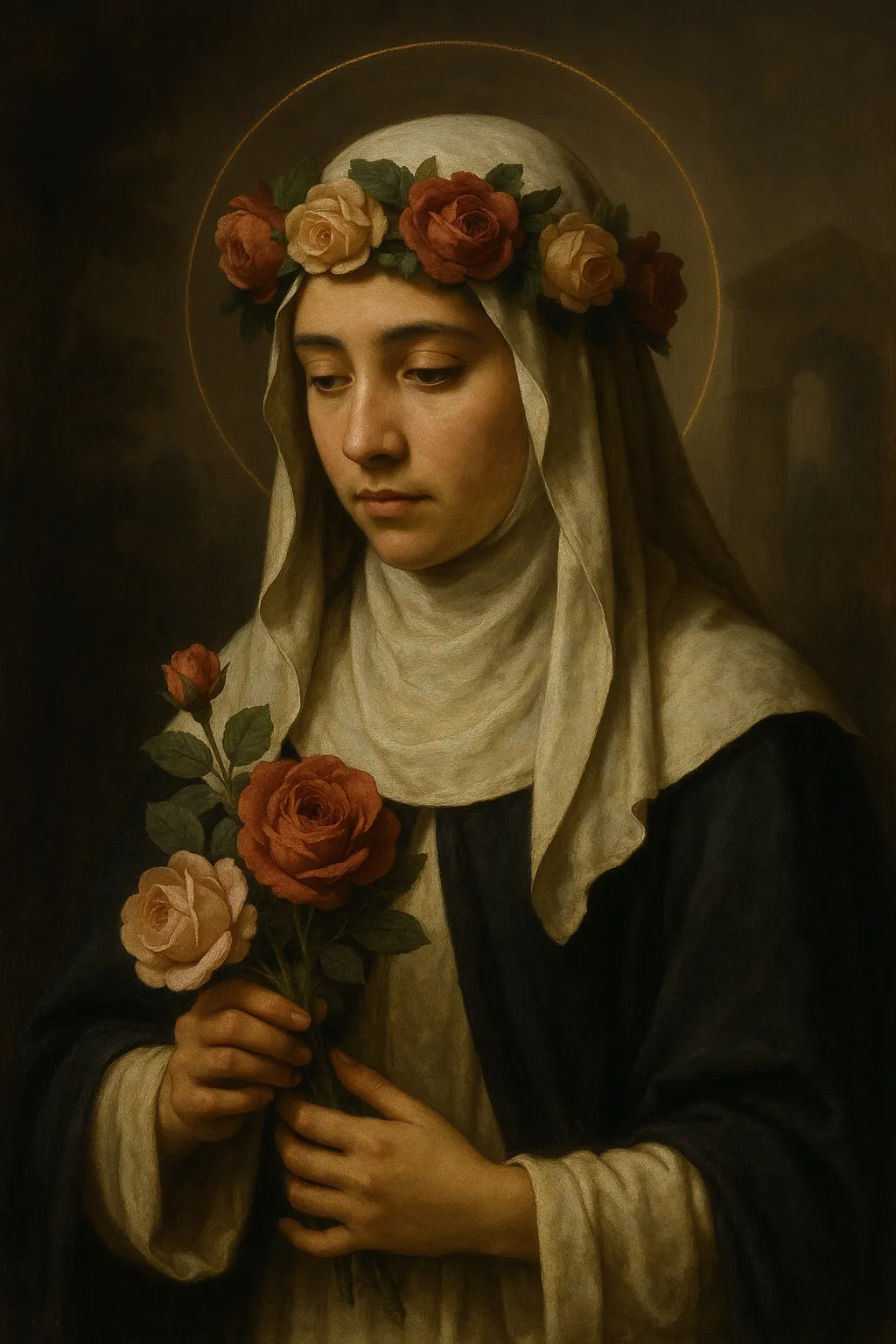
- Saint Rose of Lima Relics venerated The Dominican basilica venerates the relics of Rose of Lima together with those of Martin de Porres and John Macias, the three Dominican saints of the city. Her head is venerated in the church, close to the streets where she lived her hidden life.
Plan around this place.
Edited from official church sources, local image provenance, and Eternal Roam destination records.
Image credits
- Hero Schönitzer / Wikimedia Commons (CC BY-SA 4.0)
- The tiled cloister Silvia Alcocer / Wikimedia Commons (CC BY-SA 4.0)
July 21, 2026