The argument
The shape of these days
The saints of early Ireland are met best in their ground. This is not a city cluster to be walked in an afternoon; it is two distinct monastic landscapes, an hour and a half apart, each holding a founder and a form of the monastic life.
Day one belongs to Brigid at Kildare. Her monastery of the oak is gone, but its site is still marked by the cathedral, one of Ireland's tallest round towers, and the low walls of the fire temple, and her living pilgrimage still gathers at the well on the edge of town.
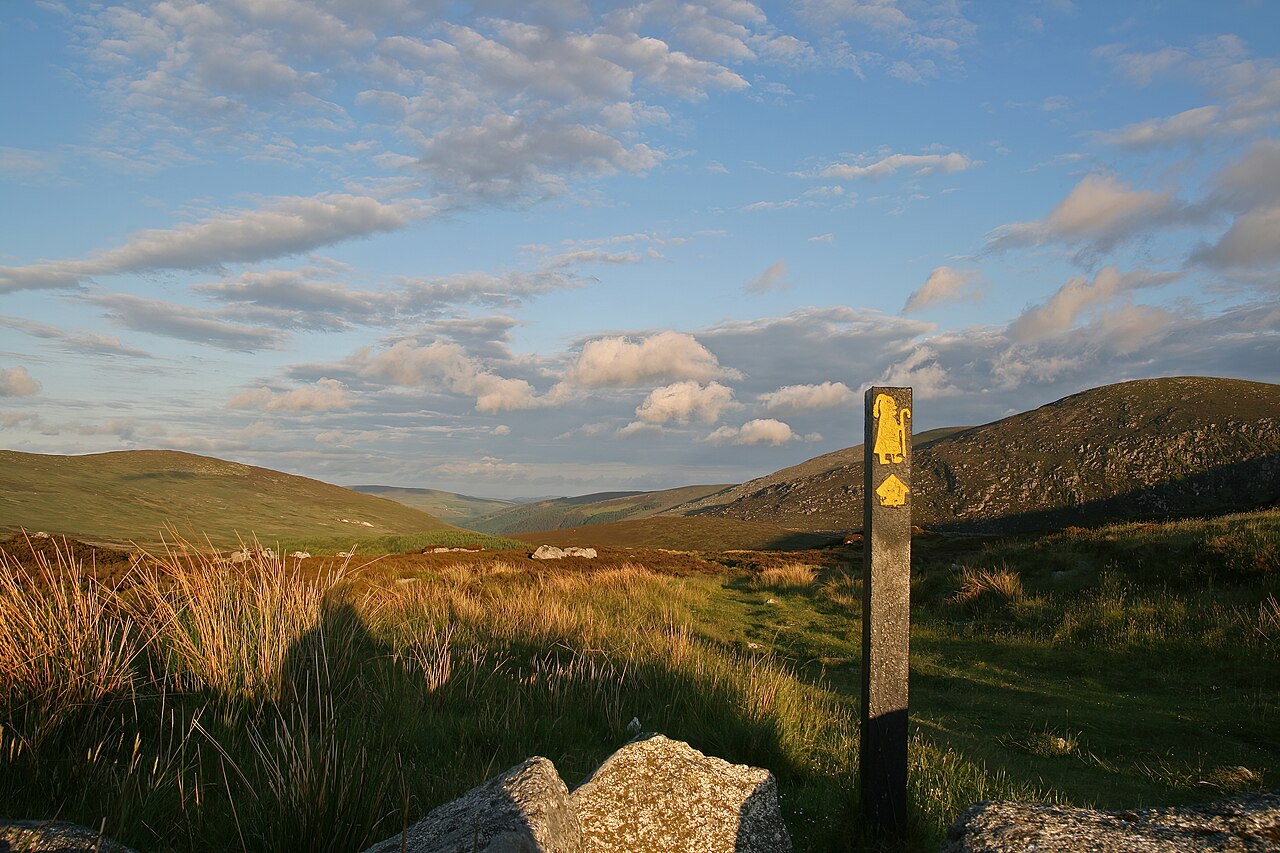
Day two belongs to Kevin at Glendalough, in the Wicklow hills. Here the shape of the life is different: a hermit's withdrawal to the Upper Lake that drew a community down into the valley, leaving the round tower, cathedral, and small churches among the graves. The two days together hold the founding and the flowering of Irish monasticism, and they ask for a slower pace than a monument tour.
What this guide leaves out, on purpose
-
Knock Shrine.
Ireland's national Marian shrine is in County Mayo, far to the west, and deserves its own visit with its own liturgical rhythm. Forcing it into an eastern two-day itinerary would misrepresent both the geography and the shrine.
-
Croagh Patrick.
The pilgrim mountain in the west is a real climb with genuine weather and safety demands. It is not a destination card to add lightly, and it belongs to a separate western pilgrimage rather than this eastern route.
-
Dublin's city churches.
This guide keeps to the monastic landscapes of the east. Dublin, where both Brigid and Kevin are honoured, is a natural gateway but a different kind of visit.