
St. John
of the Cross
A Spanish Carmelite reformer, poet, and mystic who taught the Church how God works in darkness.
Darkness is not absence when God is purifying love.
The Dark Night; The Ascent of Mount Carmel Traditional
The Life and Witness of John of the Cross.
John of the Cross is often remembered by one phrase: the dark night. But the phrase is not despair. It is his name for the hidden work by which God purifies love, strips away false securities, and draws the soul into union with himself.
Born Juan de Yepes in 1542 near Avila, John entered the Carmelites and was ordained a priest. When he met Teresa of Avila, he found in her reform the path his own heart had been seeking: a poorer, more contemplative Carmel given wholly to prayer.
The reform brought suffering. In 1577 opponents seized John and imprisoned him in Toledo. In a small, harsh cell he endured months of deprivation, but also began composing some of the poetry that would become the spiritual treasure of the Church.
After his escape, John continued the Carmelite reform, served as confessor and spiritual guide, and wrote works such as The Ascent of Mount Carmel, The Dark Night, The Spiritual Canticle, and The Living Flame of Love. He died at Ubeda in 1591, worn down but luminous in doctrine.
John is a mature Carmelite, contemplative, suffering-prayer witness, naturally linked to Teresa of Avila and Therese of Lisieux.
A life, in years and approximate ages.
-
c. 1542BirthBirth at FontiverosJuan de Yepes is born at Fontiveros in Spain, into poverty that will mark his early life.
-
c. 1563About 21Enters the CarmelitesJohn enters the Carmelite order and begins the religious life that will become the setting for his reform and doctrine.
-
c. 1567About 25Meets Teresa of AvilaJohn meets Teresa of Avila and commits himself to the reform of the Carmelite friars.
-
c. 1568About 26First Reformed Friars' HouseJohn helps begin the first house of the Discalced Carmelite friars at Duruelo, embracing poverty, prayer, and reform.
-
c. 1577About 35Imprisoned at ToledoOpponents of the reform imprison John in Toledo. In deprivation and darkness, he begins composing poetry that will become part of the Church's mystical inheritance.
-
c. 1580In his 40sWrites and Guides the ReformJohn writes, governs, and offers spiritual direction within the Carmelite reform, giving the Church The Ascent, The Dark Night, and the Spiritual Canticle tradition.
-
c. 1591About 49Death at UbedaJohn dies at Ubeda after illness and further humiliation. His principal relics are later venerated in Segovia.
-
1926After deathDeclared Doctor of the ChurchPope Pius XI declares John of the Cross a Doctor of the Church, recognizing his teaching on prayer and mystical theology.
Dates are approximate where the surviving record is traditional or incomplete.
6 places where this witness remains visible.
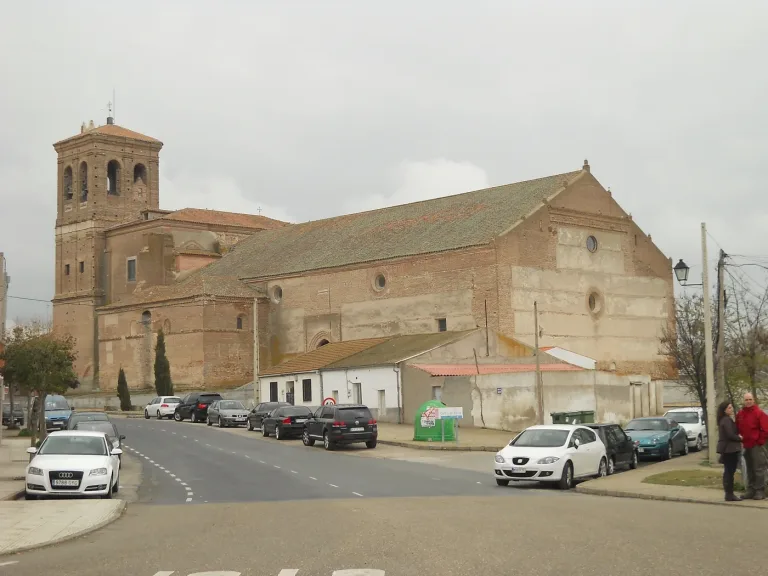
Fontiveros
Begin in the village where Juan de Yepes was born in 1542 into real poverty, and where his father died soon after. The parish church keeps his memory and the Carmelite convent stands on the site of the family house. A short visit, but the landscape explains a great deal about him.
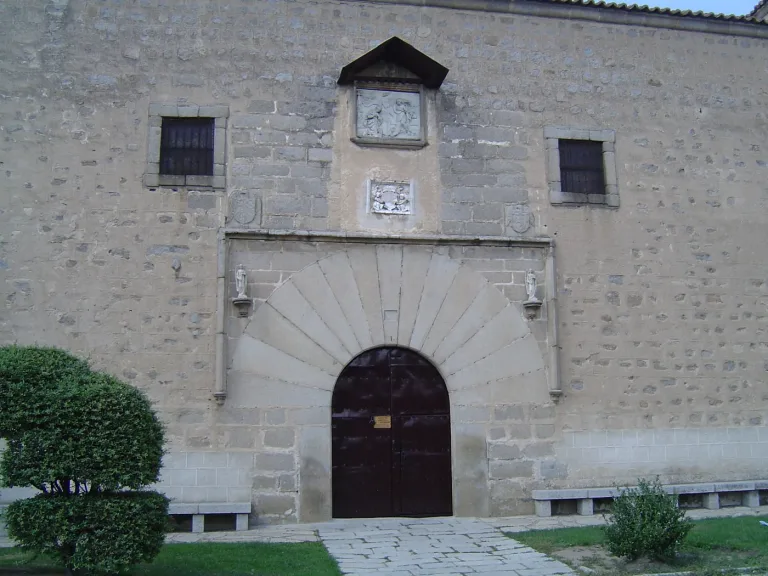
Convento de la Encarnacion, Avila
John served as confessor to the nuns here from 1572 to 1577, the years when he and Teresa of Avila were shaping the reform together. His small confessional room is preserved. This is the closest either of them comes to a shared address.
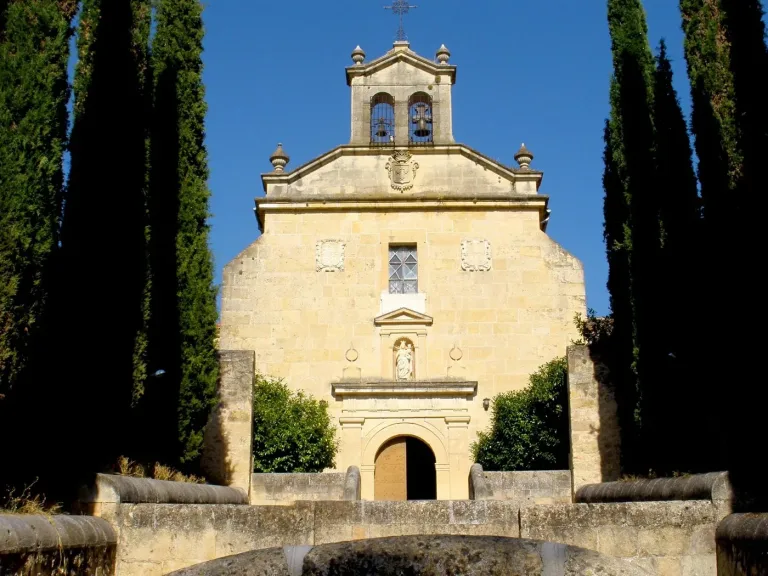
Convento de los Carmelitas Descalzos, Segovia
End at the friary he founded and where he was prior, below the city walls across the Eresma. His body was brought here in 1593 and has stayed, in a marble tomb raised in 1927. The garden he prayed in is still there.
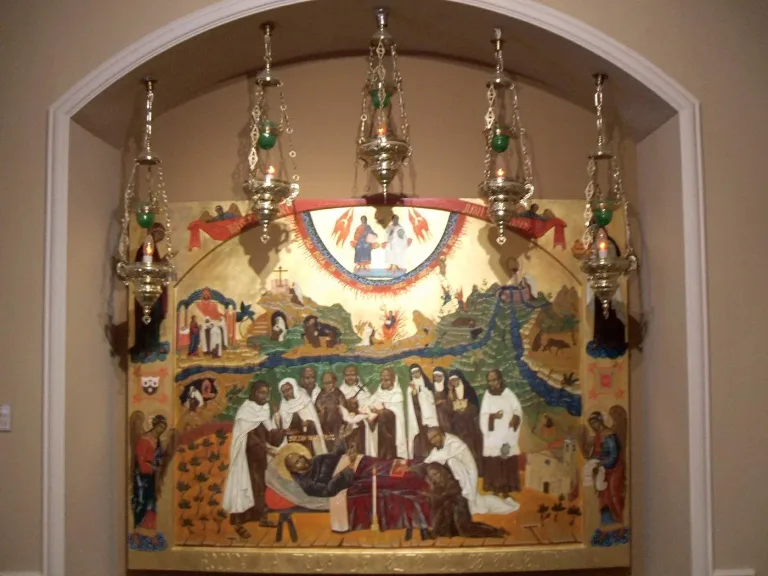
Oratorio de San Juan de la Cruz, Ubeda
John died in the Carmelite house at Ubeda on 14 December 1591, having asked to go where nobody knew him. When his body was taken to Segovia the town appealed to Rome, and the settlement left Ubeda a leg and an arm. A hand and a leg are shown in the reliquary of the oratory, which was built in 1627 on the site of the original friary.
Toledo, place of his imprisonment
Carmelites opposed to the reform seized John in December 1577 and held him for nine months in a cell in their Toledo priory, from which he escaped in August 1578. He composed most of the Spiritual Canticle there, in the dark, from memory. The priory itself no longer stands; what remains is the city and the stretch of the Tagus gorge below it that he climbed down to get away.
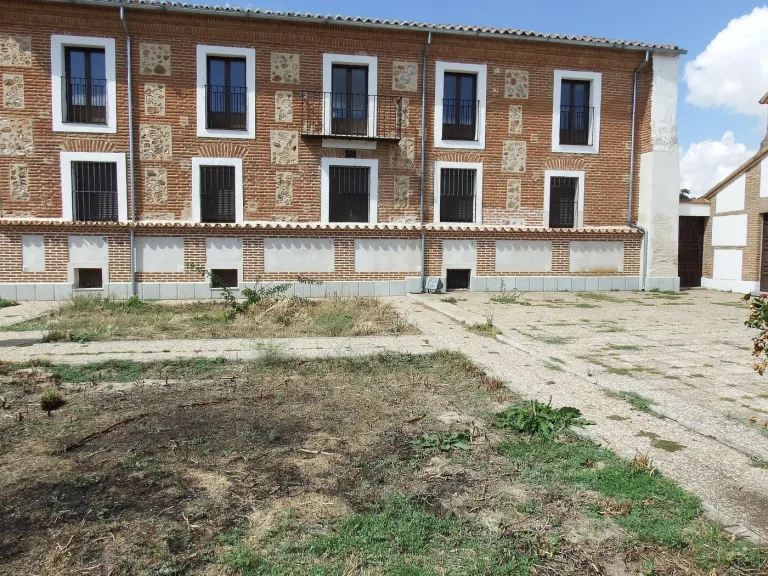
Duruelo
In November 1568 John and two companions began the first house of the Discalced reform in a broken-down farmhouse at Duruelo. Teresa described the conditions with something close to delight. A commemorative convent marks the site today; the hamlet remains as remote as it sounds.
John of the Cross in Castile · 3 stops.
Three places within an hour or two of each other hold his beginning, his years of formation with Teresa, and his tomb. Begin in the flat wheat country where he was born, spend the middle of the journey in Avila, and end at Segovia, where his body has rested since 1593. A car makes this easy; the Avila and Segovia legs also work by train from Madrid.
-
01 Birthplace · Childhood home
Fontiveros
Fontiveros, Avila, SpainBegin in the village where Juan de Yepes was born in 1542 into real poverty, and where his father died soon after. The parish church keeps his memory and the Carmelite convent stands on the site of the family house. A short visit, but the landscape explains a great deal about him.
-
02 Lived here · Ministry
Convento de la Encarnacion, Avila
Avila, SpainJohn served as confessor to the nuns here from 1572 to 1577, the years when he and Teresa of Avila were shaping the reform together. His small confessional room is preserved. This is the closest either of them comes to a shared address.
-
03 Tomb · Lived here · Founded here
Convento de los Carmelitas Descalzos, Segovia
Segovia, SpainEnd at the friary he founded and where he was prior, below the city walls across the Eresma. His body was brought here in 1593 and has stayed, in a marble tomb raised in 1927. The garden he prayed in is still there.
To see nearby places, open the location page or add this route to a journey.
How to encounter John.
Do not begin with darkness as a mood. Begin with love being purified until it can receive God without grasping.
John is dense because he is precise. His doctrine is best approached slowly, with prayer and humility.
He does not make pain pretty. He names a path through deprivation toward union with God.
The Carmelite reform gives the setting: prayer, poverty, opposition, and a Church renewed from within.
Where the body and relics are venerated.
A principal relic site is named, with other fragments or reliquaries noted separately.
Convento de los Carmelitas Descalzos, Segovia
John died at Ubeda in 1591, and the Segovia friary he had founded had his body brought north in 1593. After Ubeda appealed to Rome, the Discalced superiors settled the dispute by dividing the relics; the greater part remained at Segovia, where it rests in the marble tomb erected in 1927.
- The body of Saint John of the Cross, less the relics kept at Ubeda and Madrid
The tomb chapel is off the church on the right. The friary is a short walk down from the Alcazar, across the river.
Oratorio de San Juan de la Cruz, Ubeda
John died in the Carmelite house at Ubeda on 14 December 1591, having asked to go where nobody knew him. When his body was taken to Segovia the town appealed to Rome, and the settlement left Ubeda a leg and an arm. A hand and a leg are shown in the reliquary of the oratory, which was built in 1627 on the site of the original friary.
- Hand and leg of Saint John of the Cross, venerated in the oratory reliquary
Ubeda is in Andalusia, a long way south of the Castilian places. Treat it as its own journey rather than a day trip.
Saints Connected to John of the Cross
-
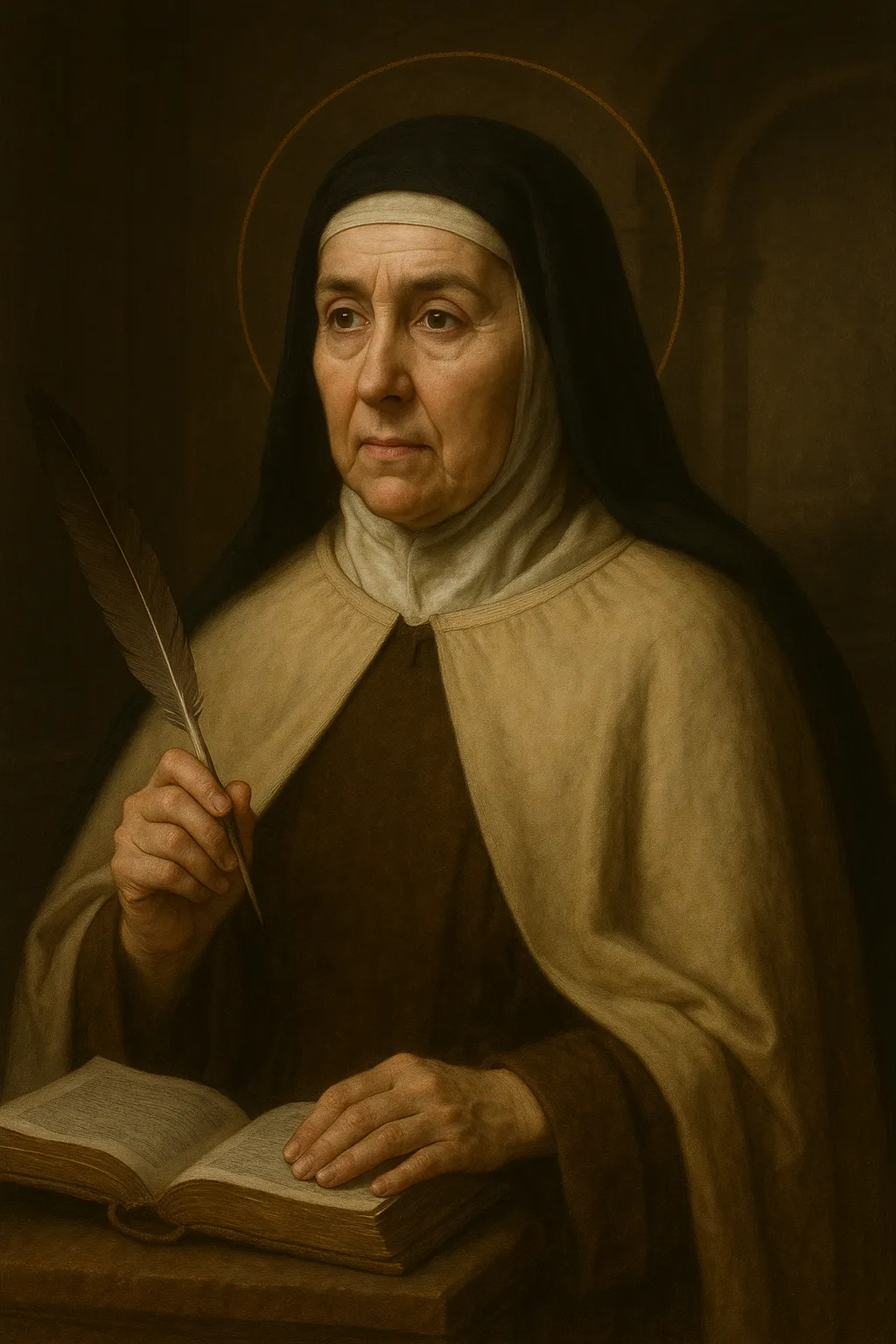
Saint Teresa of Ávila
His collaborator in the Discalced Carmelite reform and fellow Doctor of prayer. -
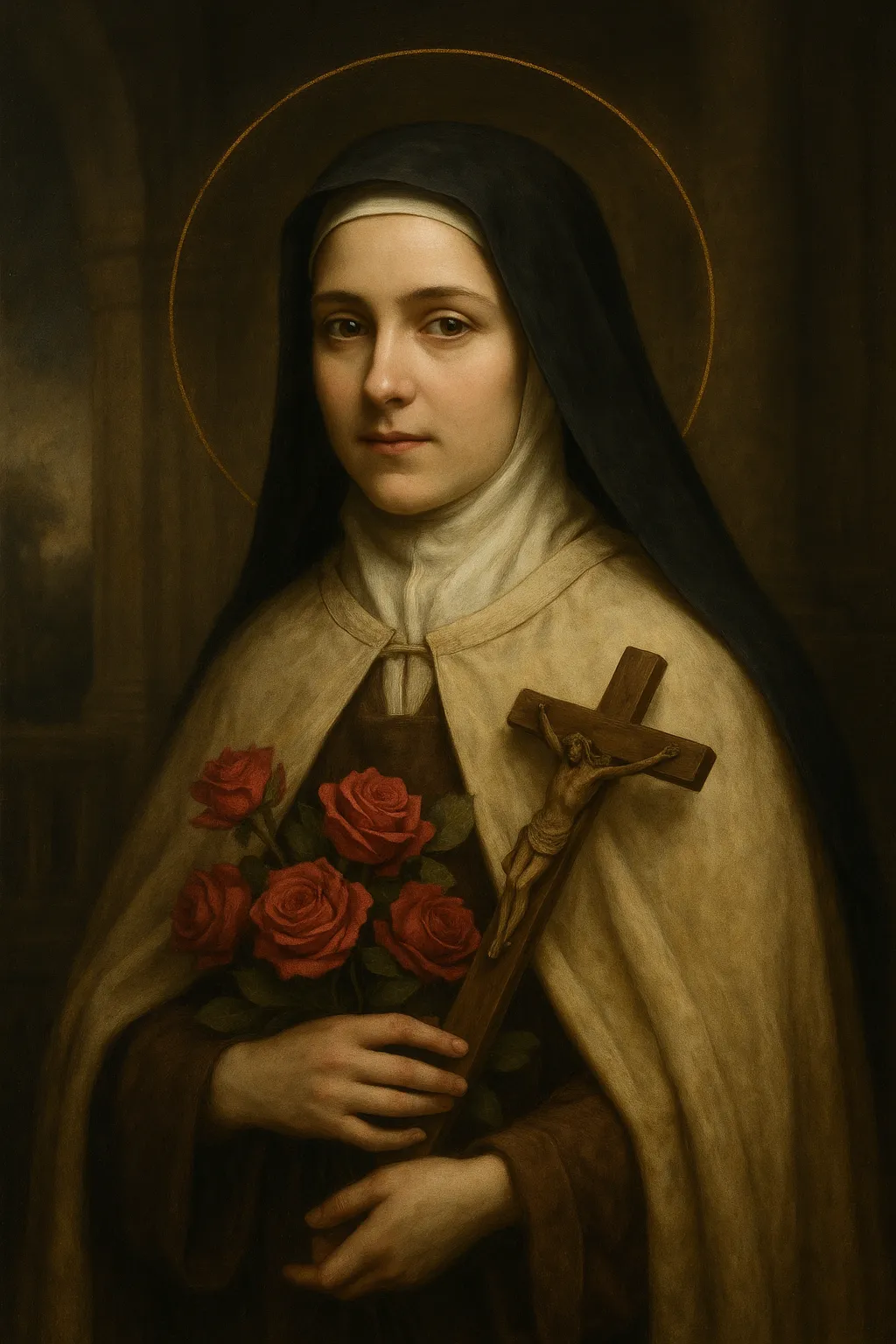
Saint Thérèse of Lisieux
A later Carmelite Doctor whose little way belongs to the same school of purified love. -
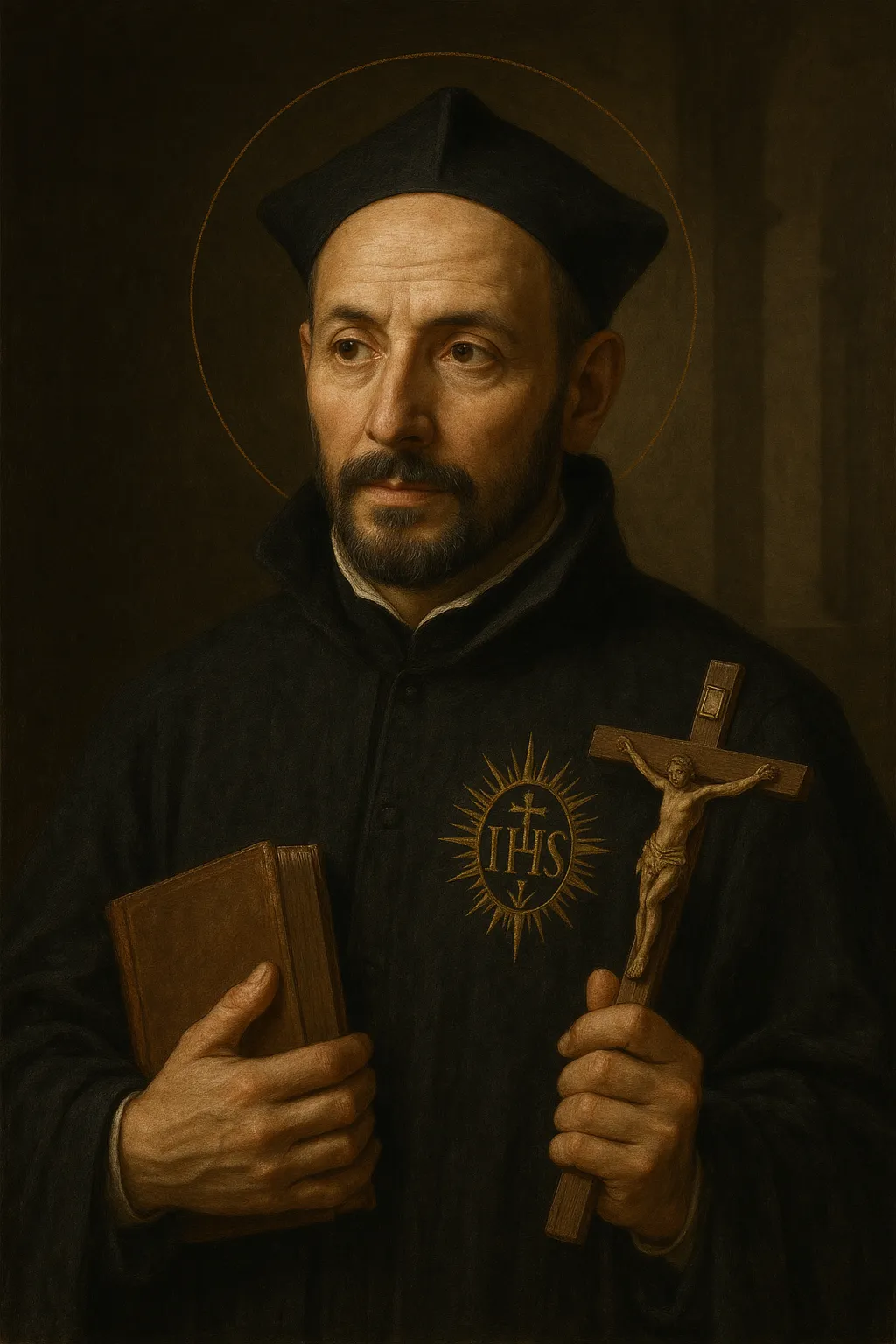
Saint Ignatius of Loyola
A Spanish contemporary of Catholic reform whose discernment pairs with John's interior doctrine.
Carmelite Spain, from reform to imprisonment to tomb.
John's geography is austere: small cells, hard roads, reformed houses, and the interior landscape of prayer.
Avila gives the meeting with Teresa and the beginning of a shared reform that asked Carmel to become poorer, quieter, and more wholly given to God.
Toledo gives the night in its concrete form: imprisonment, humiliation, silence, and the first flowering of poetry inside deprivation.
Segovia gives the tomb, but the real path is not only external. John teaches pilgrims how to walk when God seems hidden.
Photo credits
- Saint page. Public domain, via Wikimedia Commons. Converted to WebP by Eternal Roam. Source. Public Domain.
- Oratorio de San Juan de la Cruz, Ubeda. Zarateman, CC BY-SA 3.0, via Wikimedia Commons. Source. CC BY-SA 3.0.
- Duruelo. 19Tarrestnom65, CC BY-SA 4.0, via Wikimedia Commons. Source. CC BY-SA 4.0.
- Fontiveros. Cruccone, CC BY-SA 3.0, via Wikimedia Commons. Source. CC BY-SA 3.0.
- Convento de la Encarnacion, Avila. Elena F D, Public Domain, via Wikimedia Commons. Source. Public Domain.
- Convento de los Carmelitas Descalzos, Segovia. Zarateman, CC0, via Wikimedia Commons. Source. CC0.