
St. Magdalene
of Nagasaki
A Japanese laywoman who carried baptism, catechesis, and courage into a persecuted Church, then confessed Christ without retreat.
The Life and Witness of Magdalene of Nagasaki.
Magdalene was born near Nagasaki around 1611 into a Christian family living under intensifying persecution. Orphaned when members of her family were killed for the faith, she served missionary priests as an interpreter and catechist and joined the Augustinian Recollect lay fraternity.
When her Augustinian mentors were martyred, Magdalene continued to help the Christian community and later received spiritual direction from Dominican missionaries. The overlapping Augustinian and Dominican strands in her biography belong to the same persecuted Church; Eternal Roam does not force them into a single religious identity.
She withdrew into the hills as arrests spread, baptizing children, visiting the sick, and encouraging Christians tempted to abandon the faith. In September 1634 she presented herself to the authorities in her tertiary habit and openly professed that she was a Christian.
For thirteen days she endured the pit torture, suspended upside down. She died in October 1634 at about twenty-three. Her body was burned and the ashes scattered so that the Christian community could keep no bodily relics.
Pope John Paul II beatified the group in Manila in 1981 and canonized Magdalene with Lorenzo Ruiz and their companions in 1987. Nagasaki therefore holds both the wound of her death and the living Church that remembers her witness.
Her courage was not theatrical defiance. It grew from years of teaching, baptizing, visiting, translating, and keeping frightened believers near Christ.
A life, in years and approximate ages.
-
c. 1611BirthBorn near NagasakiMagdalene is born into a Japanese Christian family during the Tokugawa persecution.
-
c. 1620TeenagerServes the persecuted ChurchShe assists missionaries as interpreter and catechist and joins the Augustinian Recollect lay fraternity.
-
c. 1634About 23Confesses the faith publiclyAfter strengthening hidden Christians, she surrenders to the authorities and declares herself a Christian.
-
c. 1634About 23Martyred after thirteen daysShe dies under the pit torture; her body is burned and the ashes dispersed.
-
1987After deathCanonized with the martyrsPope John Paul II canonizes Lorenzo Ruiz, Magdalene, and their companions.
Dates are approximate where the surviving record is traditional or incomplete.
One place where this witness remains visible.
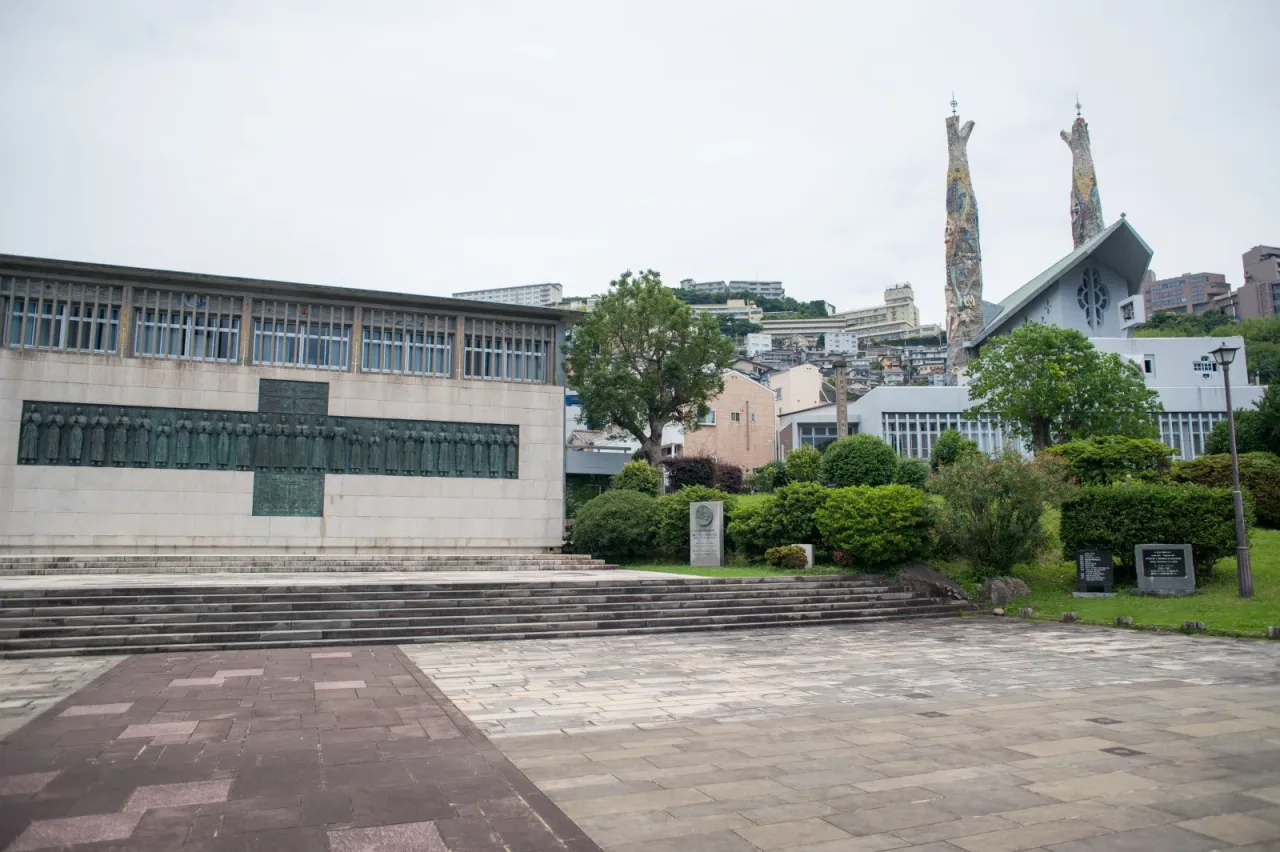
Twenty-Six Martyrs Museum and Monument
Use the museum to understand the successive persecutions and the Catholic community Magdalene served.
Go to Nagasaki as a pilgrim of the martyrs.
Her ashes were scattered and no bodily shrine survives. Nishizaka and the churches that preserve the memory of Japan’s martyrs are the honest places to pray.
At Nishizaka, distinguish Paul Miki’s 1597 companions from the later martyrs, including Magdalene, while receiving their shared witness.
Her body was burned and her ashes dispersed. Eternal Roam makes no surviving-relic claim.
Where the body is venerated.
No bodily relic context is expected for this figure.
Nishizaka Martyrs’ Shrine
The hill is the principal public place for encountering Nagasaki’s martyr history, while Magdalene belonged to the later seventeenth-century persecution.
- No surviving bodily relics of Magdalene are claimed
Pray for the hidden Christians and name the different martyr groups accurately.
Saints Connected to Magdalene of Nagasaki
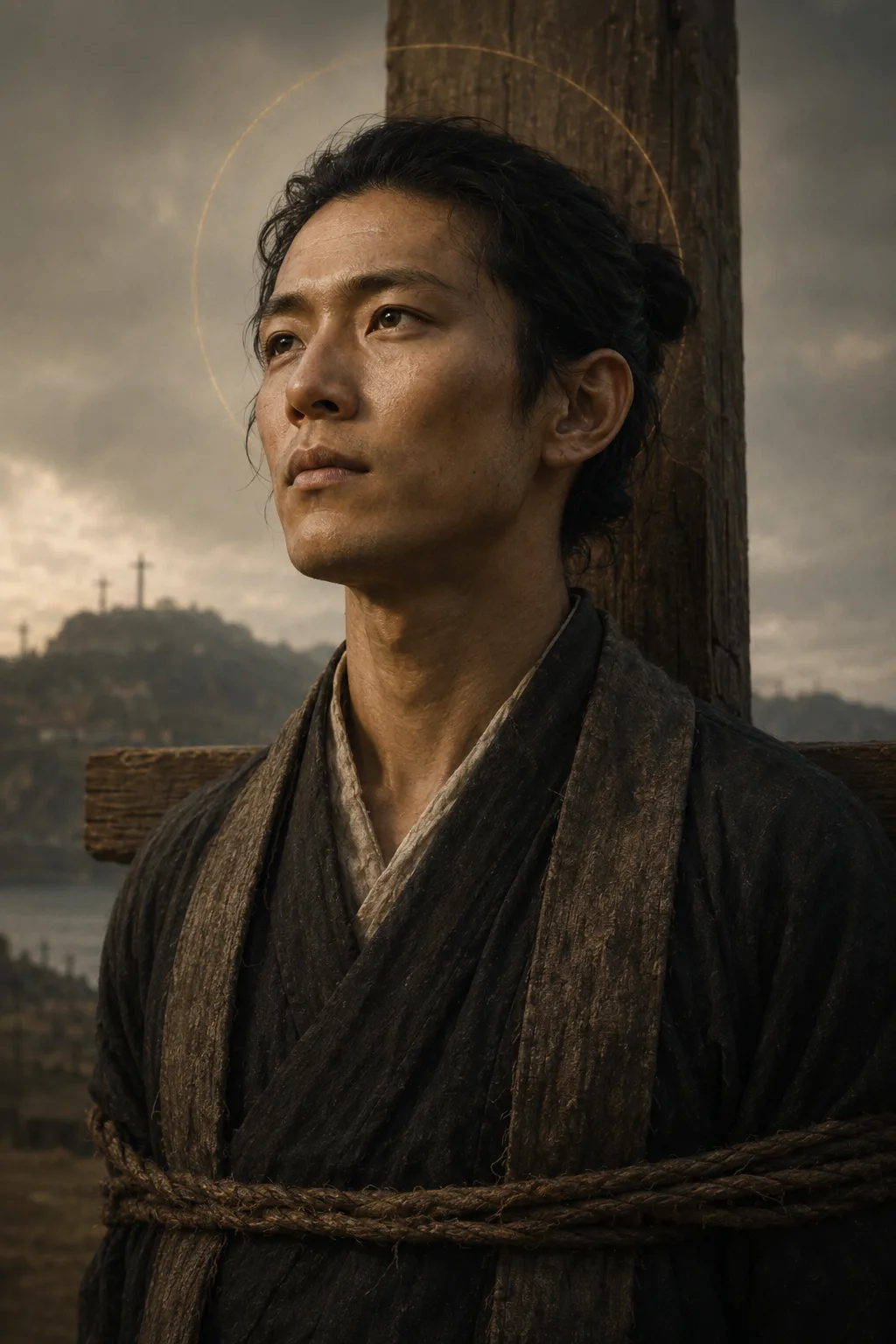
Photo credits
- Saint page. Eternal Roam devotional rendering. Source. Eternal Roam commissioned generation.
- Twenty-Six Martyrs Museum and Monument. BigCheddah / Wikimedia Commons. Source. CC BY-SA 4.0.