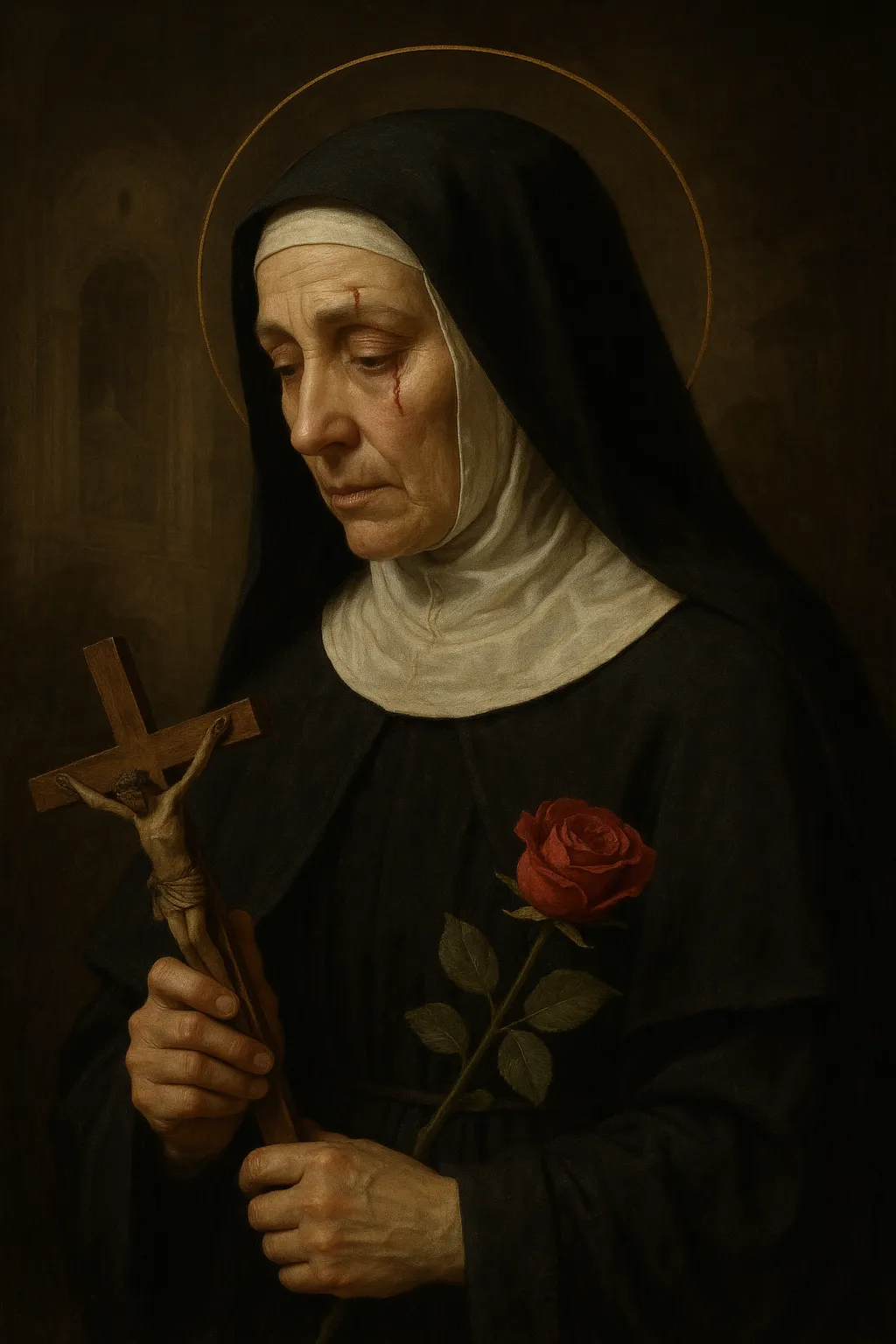
Body of Saint Rita in the basilica urn
Saint's body
Sanctuary of Saint Rita, official basilica page
Cascia's principal pilgrimage sanctuary, where Saint Rita's body is venerated beside the Augustinian monastery that keeps her life of prayer, forgiveness, and second vocation in view.
Pilgrims bring desperate prayers to Cascia, but the basilica gives them more than a devotional title. Rita was a wife, mother, widow, peacemaker, and Augustinian religious. Before her urn, conflict and bereavement are not denied. They are placed within the Passion of Christ and the hope that grace can open a faithful future after loss.
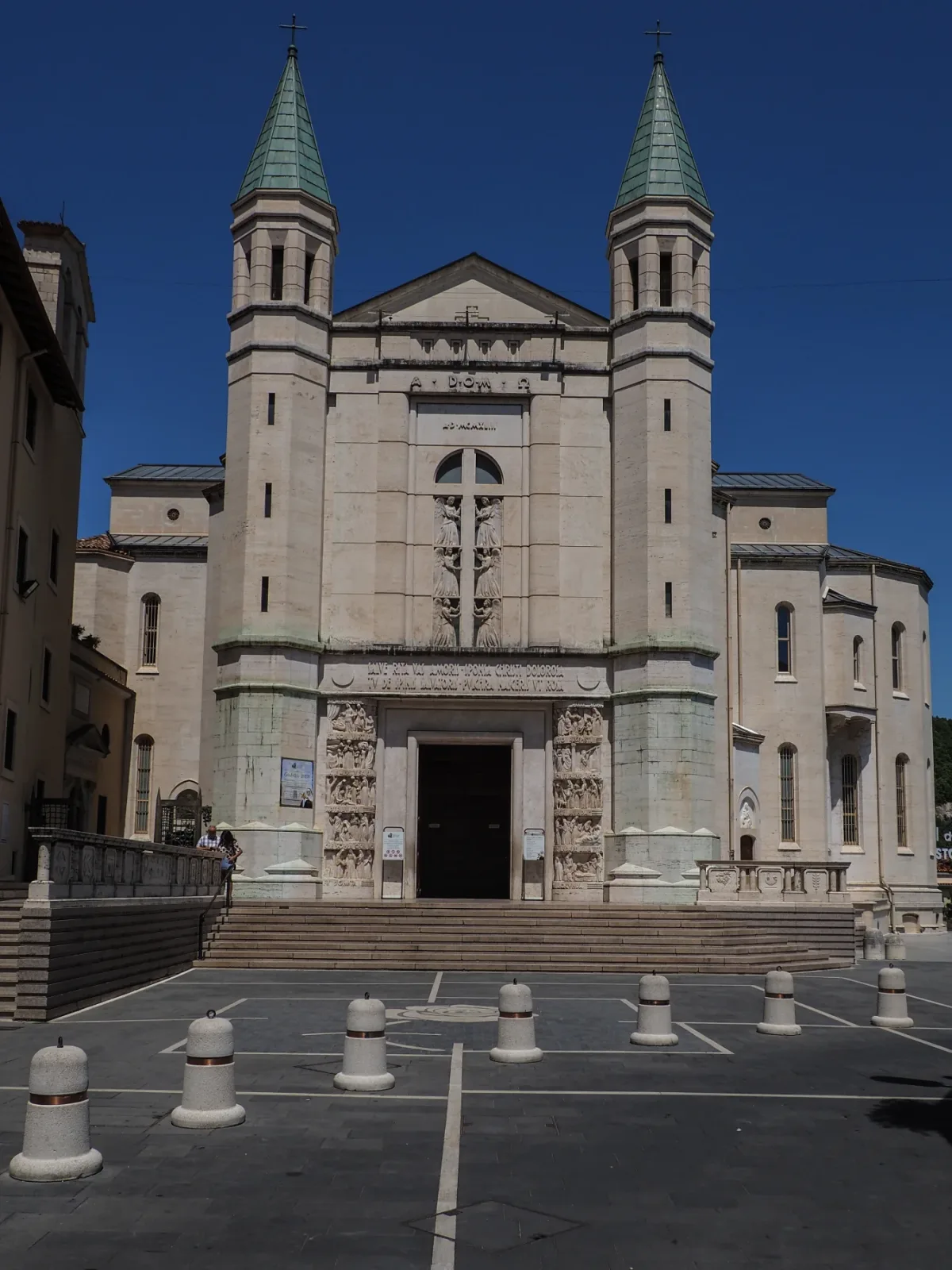
Rita lived and died in the Augustinian community at Cascia in the fifteenth century. Her local veneration began quickly, and the city recorded early favors attributed to her intercession. Pope Leo XIII canonized her in 1900. The present basilica grew from Blessed Maria Teresa Fasce's desire to receive pilgrims coming from around the world; construction began in 1937, and Rita's body was placed in the present urn in 1947.
The pale travertine facade rises above Cascia with twin towers and sculpted panels recounting Rita's received story. Inside, a central dome and four broad apses order the Greek-cross plan around liturgy and the saint's urn. The building is modern, but its purpose is inseparable from the older monastery beside it.
The basilica should be read together with the active Augustinian monastery.
Rita's memory joins marriage, motherhood, widowhood, reconciliation, and religious life rather than only 'impossible causes.'
This is an active Catholic sanctuary, not a museum of the impossible. Mass, Confession, the Rosary, Augustinian prayer, and the steady arrival of families form the place. The most truthful visit lets popular devotion mature into forgiveness, perseverance, and a willingness to begin again.
Enough only for focused prayer before the urn.
The better visit: liturgy, the urn, the basilica, and the monastery context.
Check the official sanctuary page for the current basilica, Mass, Confession, and monastery-visit schedule. Enter for prayer before photography, allow the liturgy and other pilgrims to set the pace, and treat monastery access as the hospitality of a living religious community.
The sanctuary publishes seasonal basilica, Mass, Confession, and guided monastery-visit times. Verify the live page shortly before travel.
Source note Traditional attributions are presented as tradition, with documentation named where it exists.
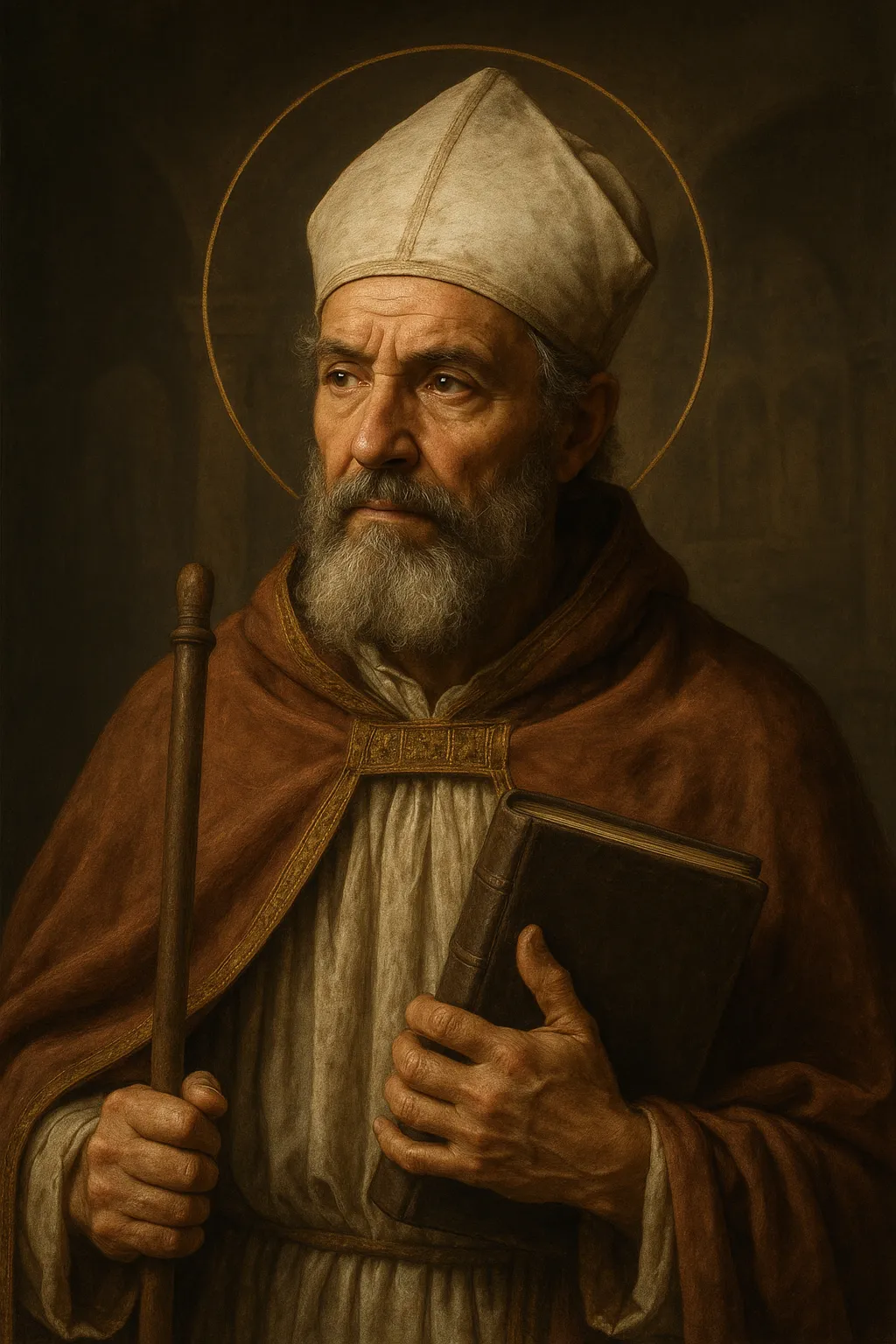
Rita is the reason for the pilgrimage; Augustine gives the monastery its spiritual family.
The page follows the official sanctuary and Augustinian Order. It names chronological uncertainty, avoids a medical claim about the body, and refuses to reduce Rita to transactional 'impossible causes' devotion.
July 29, 2026
Use this for corrections, broken links, missing places, and planning ideas.