Relics venerated as those of Saint Vincent of Saragossa
Relics of the city patronYes, in the cathedral
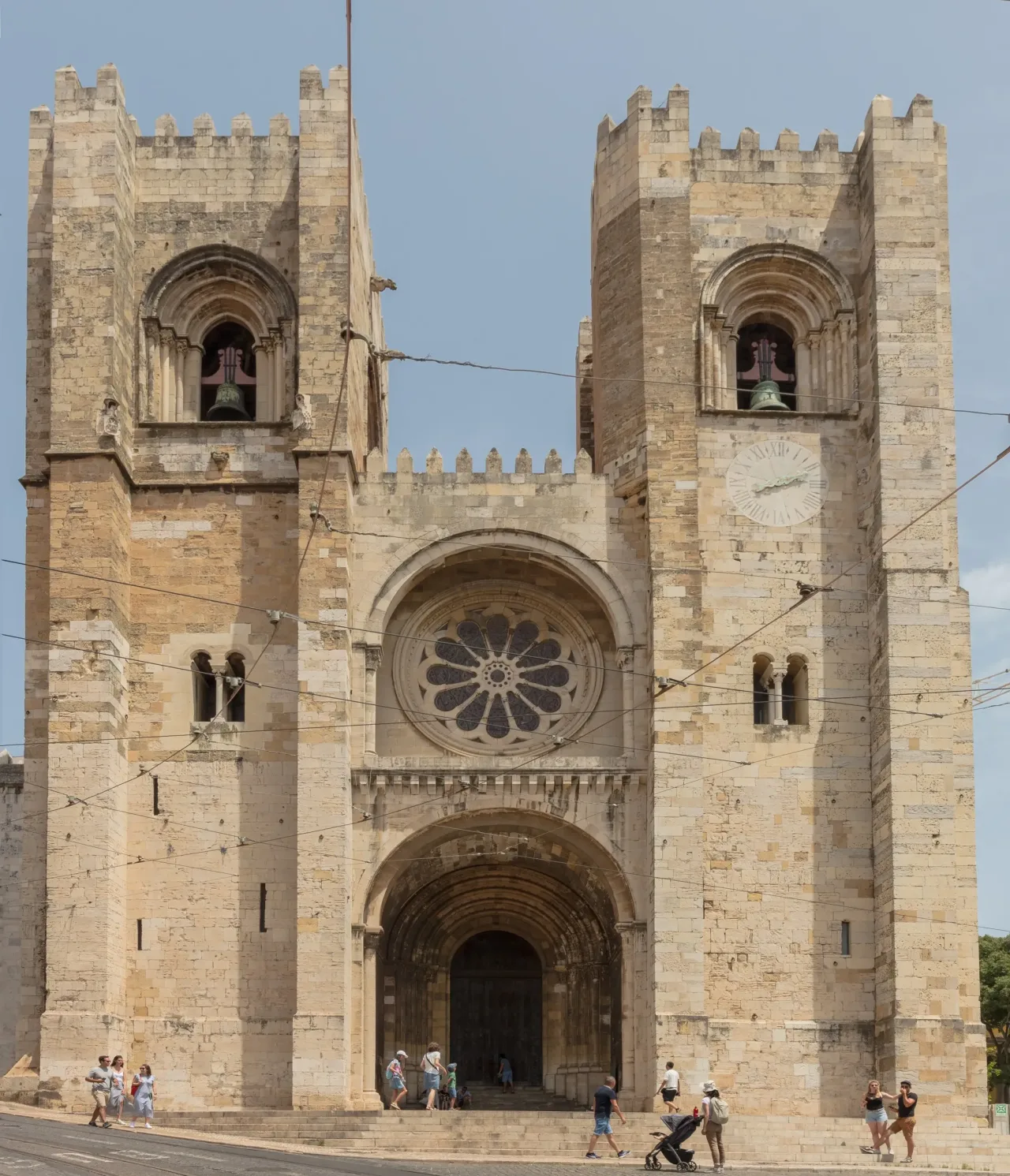
Patriarchate of Lisbon; long-standing local traditionLisbon Cathedral is the mother church of the city, begun in 1147 in the year Lisbon passed into Christian hands. Pilgrims come for the relics venerated as those of Saint Vincent, patron of the city, and for the font at which Saint Anthony was baptized.
Begin Catholic Lisbon here. The Sé is the city's mother church and the one building that carries the whole story: the twelfth-century foundation, the patron whose relics the city claims, and the font where its most famous son was baptized. It is also, simply, the oldest church in Lisbon, and the only one that has stood through every earthquake that levelled the rest.
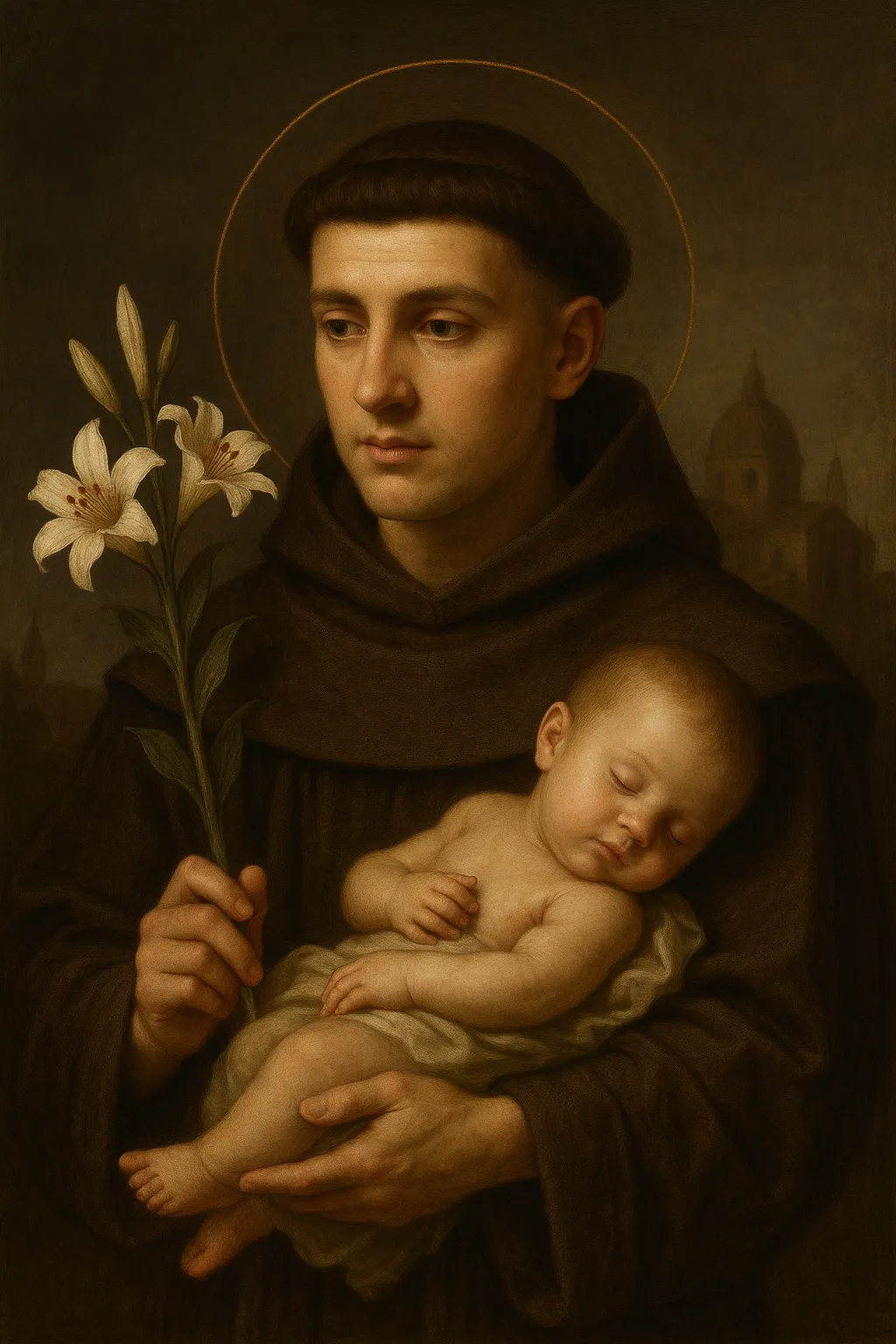
Lisbon passed from Muslim to Christian rule in 1147, and the cathedral was begun almost at once on the site of the city's principal mosque. Its first bishop was Gilbert, an English priest who had come with the crusading fleet that helped take the city. The building went up heavy and defensive, and the two squat towers of the west front still show it. In 1173 the relics venerated as those of Saint Vincent of Saragossa were brought here, according to long-standing tradition by sea from the cape in the Algarve that carries his name, and he has been the patron of Lisbon ever since. Around 1195 a boy named Fernando Martins de Bulhões was baptized at its font. He would leave Lisbon as an Augustinian, join the Franciscans, and die near Padua as Saint Anthony. The cathedral has been shaken and rebuilt many times, most severely in 1755, and what stands now is a record of that repair rather than a single medieval design.
Traditionally venerated as the font at which Fernando Martins de Bulhões, later Saint Anthony, was baptized around 1195. It stands in the first chapel on the left, inside the west door.
Catholics have venerated relics attributed to the deacon and martyr here for centuries. He is the patron of Lisbon, and the ship and ravens of his tradition remain on the city's arms.
Reconstructed in the twentieth century from surviving fragments. It carries the cathedral's one note of colour, and it is best read from inside the nave rather than from the square.
Built under King Afonso IV behind the high altar. After the heavy Romanesque nave it feels like a different building, which is exactly what it is.
Digging beneath the Gothic arcade has opened Roman, Visigothic and Islamic layers under the Christian church. Ticketed, and worth it if you have the extra half hour.
A short devotional path that keeps the two saints of Lisbon at the center: Anthony at the font, Vincent in the ambulatory.
The same path, slowed down, with the Gothic ambulatory, the cloister excavations, and the treasury.
Yes, in the cathedral
Patriarchate of Lisbon; long-standing local traditionYes, in the first chapel on the left
Long-standing local traditionSource note Traditional attributions are presented as tradition, with documentation named where it exists.
Two saints hold this cathedral: the patron whose relics the city venerates, and the boy baptized at its font.
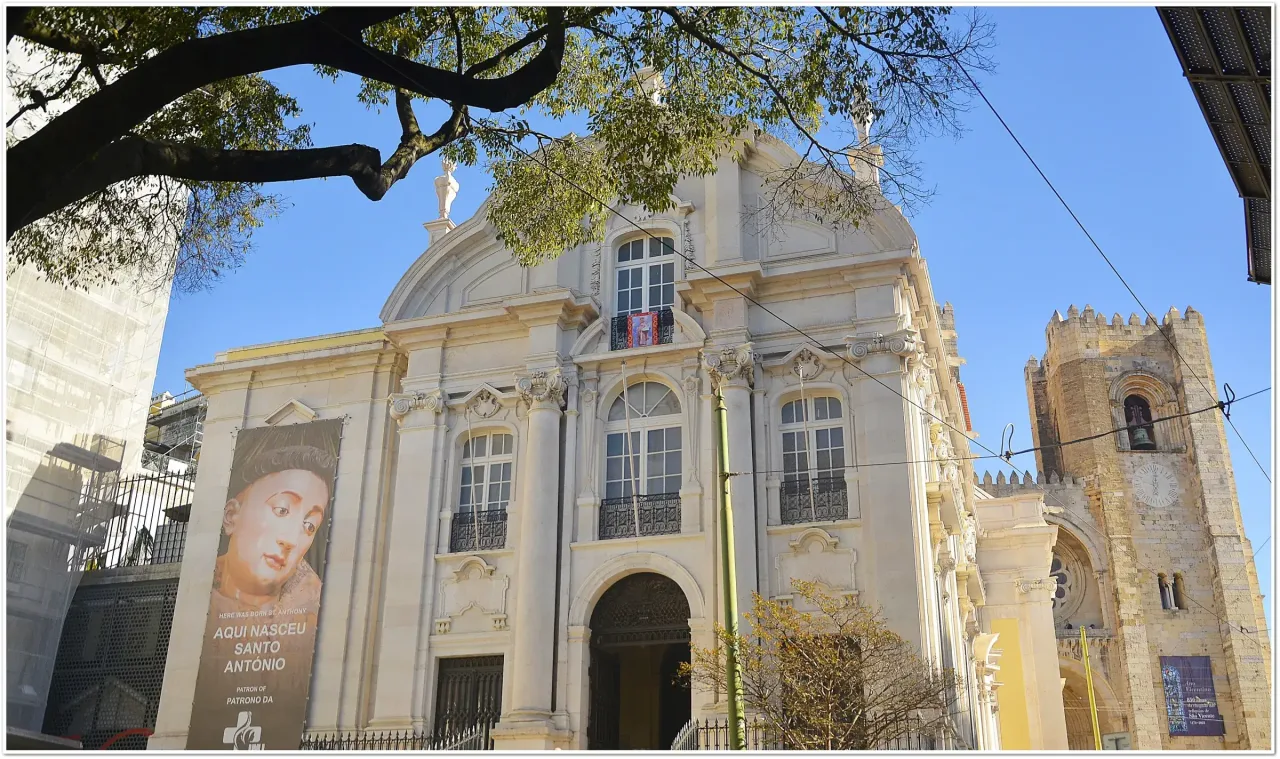
Sixty seconds downhill from the cathedral door, built over the house venerated as his birthplace.
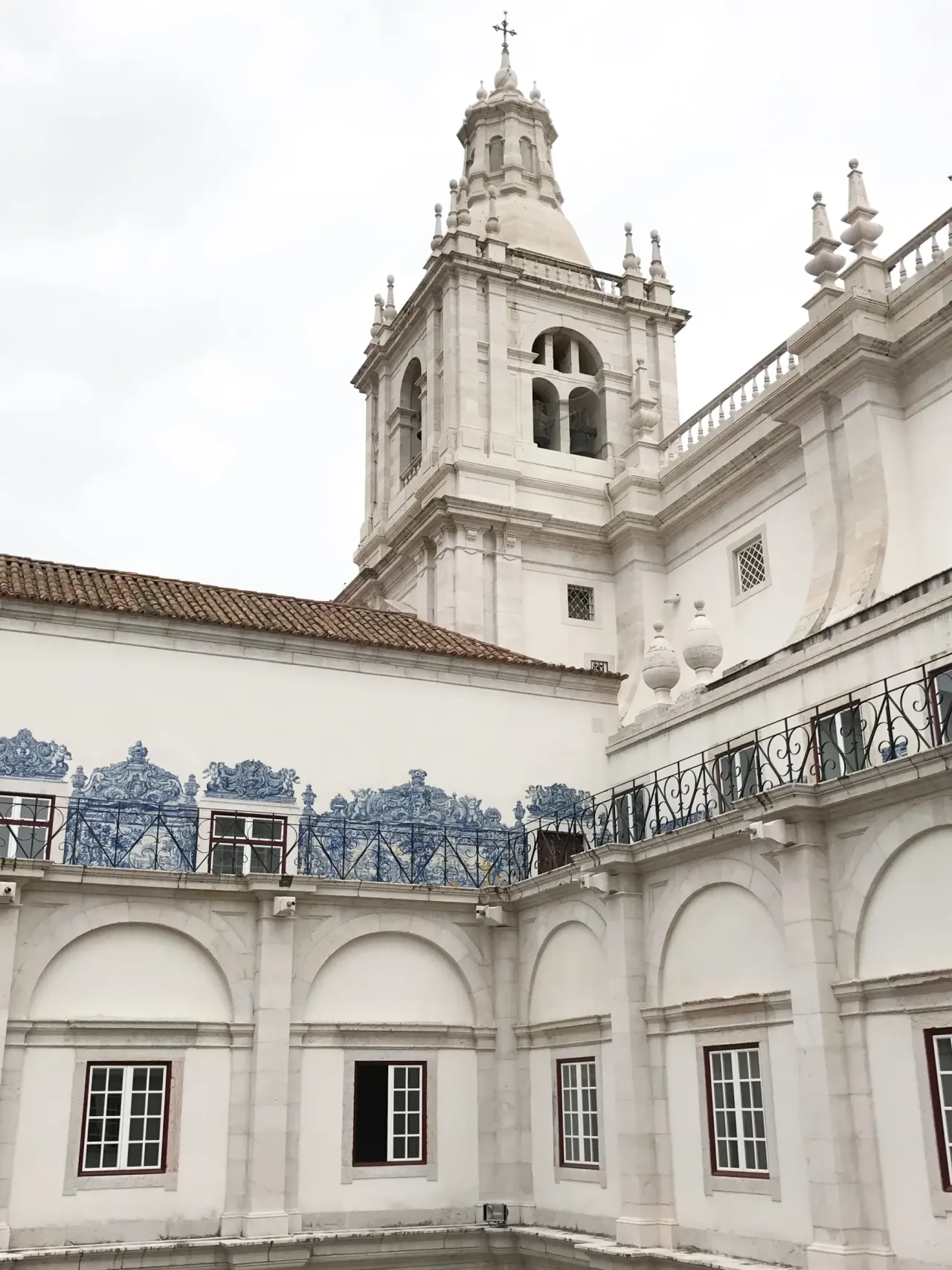
Fifteen minutes uphill through Alfama, the great house dedicated to the same patron whose relics the cathedral venerates.
Edited from the Patriarchate of Lisbon, the Wikimedia image provenance listed in the credits, and Eternal Roam destination records. The relics of Saint Vincent and the baptismal font are given in the language of long-standing local tradition. Confirm cathedral, cloister and treasury hours before visiting.
August 4, 2026
Use this for corrections, broken links, missing places, and planning ideas.