
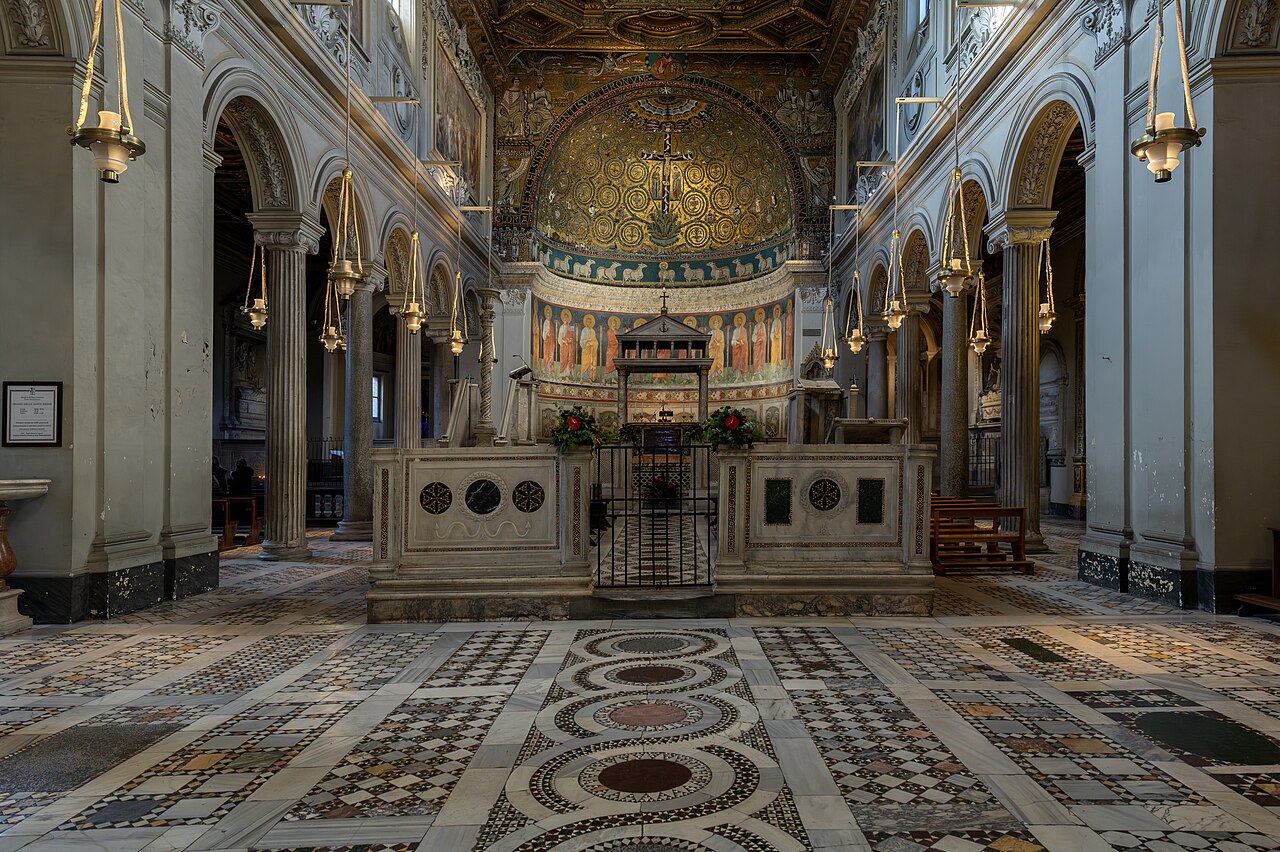
Basilica of San Clemente al Laterano, Rome
Three cities in one building: a living basilica, a buried church beneath it, and Roman rooms beneath that.
- Location
- Rome, Italy 41.8894° N · 12.4975° E
- Type
- Basilica and Dominican priory A twelfth-century basilica with a Cosmatesque floor and apse mosaic, built over a fourth-century church and first-century Roman buildings
- Dedication
- Saint Clement of Rome The relics venerated as Saint Clement's, and the tomb of Saint Cyril below
- Time Needed
- 1 hour to half a day
Christian Rome, Read Downwards
Most Roman churches ask you to imagine what stood there before. San Clemente lets you walk down into it. Beneath the twelfth-century basilica is the fourth-century church it replaced, and beneath that first-century Roman rooms including a temple of Mithras. The relics venerated as Saint Clement's are beneath the high altar at the top, and Saint Cyril is buried in the church below. Come for the saints and let the descent do the rest.
A Church That Kept Its Own Foundations
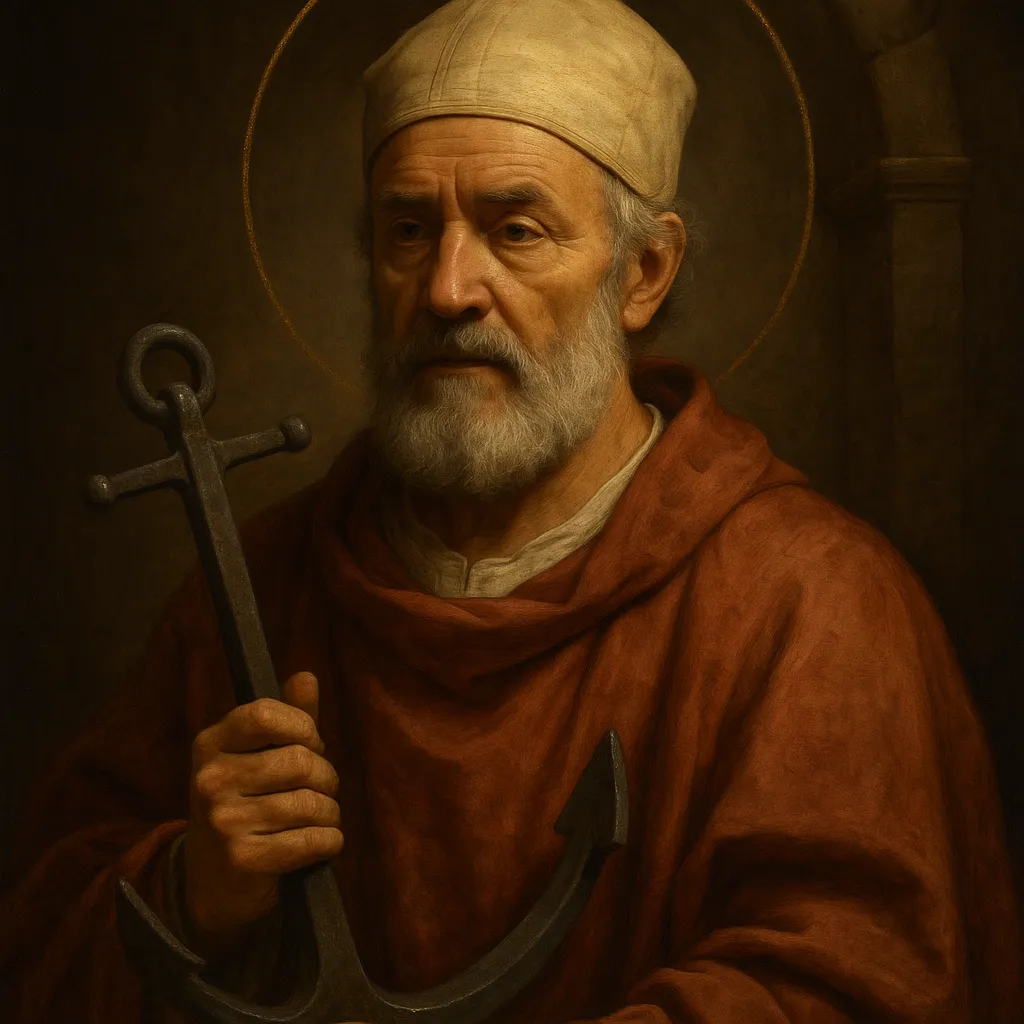
Clement was the third successor of Peter at Rome and wrote a letter to the Corinthians around the year 96 that the Church has never stopped reading. Tradition holds he was exiled to the Crimea under Trajan and drowned with an anchor tied to him. In 861 Saint Cyril, on his way to the Slavs, recovered a body venerated as Clement's near the Crimean coast, together with an anchor, and brought it to Rome.
Cyril died in Rome in 869 and was buried in the church that stood here then, the basilica of about the year 400. It was abandoned around 1100 as the street level of Rome rose, and the present church was built above it. For seven and a half centuries the lower church was simply gone, until Joseph Mullooly began digging in 1857.
The upper basilica is a complete twelfth-century interior: a Cosmatesque floor, an enclosed schola cantorum reassembled from the church below, and an apse mosaic in which the cross grows into a vine across the whole vault. Below it are the fourth-century basilica and, beneath that, first-century Roman rooms turned into a temple of Mithras.
The fourth-century lower basilica, abandoned about the year 1100 and rediscovered in 1857
The first-century Roman rooms, including a brick house and part of the imperial mint
The Mithraeum, made from those rooms at the end of the second century
The spring still running audibly through the lowest level
This is a Dominican priory church. The Irish Dominicans were given San Clemente in 1677, when persecution at home meant the Irish province needed houses abroad where young friars could study, and they have administered it ever since. That continuity is the reason the excavation happened at all: it was begun by the prior, in his own church, and it has never been handed over to anyone else.
The upper basilica is a church in ordinary use. The levels below are ticketed and quieter, and the tomb of Cyril in the lower basilica is a place of prayer for Slavic pilgrims in particular.
What to notice.
-
The apse mosaic
Twelfth century, and the reason to stand still in the upper basilica. The cross becomes a vine that runs out across the entire vault, gathering in birds, animals, doctors of the Church and ordinary people going about their work.
-
The high altar
The relics venerated as Saint Clement's are reserved beneath it. They are exposed for veneration each 23 November. This is the devotional centre of the upper church.
-
The tomb of Saint Cyril
In the lower basilica, where he was buried in 869. Slavic pilgrims come here specifically, and the plaques and offerings around the tomb are worth reading as a record of who still claims him.
-
The frescoes of the lower basilica
Painted between the eighth and eleventh centuries and left in the dark when the church was abandoned around 1100. Among them are inscriptions counted as some of the earliest written Italian.
-
The Mithraeum
Made at the end of the second century out of rooms in the Roman building above the mint. The dining room of the cult survives with its benches. A rival to the Church, in the same street, at the same time.
- The relics beneath the high altar are venerated as Clement's on the strength of what Cyril brought from the Crimea in 861. The basilica identifies them as his; their history before the ninth century cannot be documented, and Eternal Roam does not press the claim further than the custodian does.
- The lower basilica was not destroyed. It was abandoned around 1100 because the ground level of Rome had risen, and the new church was built on top using stone carried up from it.
- Joseph Mullooly began excavating in 1857 as prior of the house, not as an archaeologist visiting a site. The discovery of the first-century level was accidental and went deeper than anyone expected.
- You can hear water at the lowest level. An ancient channel still runs beneath the basilica, which is part of why the Roman rooms are as damp as they are.
- Cyril and Methodius are patrons of Europe. That a Byzantine missionary to the Slavs is buried in a Roman basilica now kept by Irish friars is not a curiosity; it is what the early Church actually looked like.
How much time, and what to do with it.
-
The upper basilica, the apse mosaic and the high altar, then one level down to the tomb of Saint Cyril.
-
All three levels without rushing, including the frescoes of the lower basilica and the Mithraeum, and time back in the upper church at the end.
-
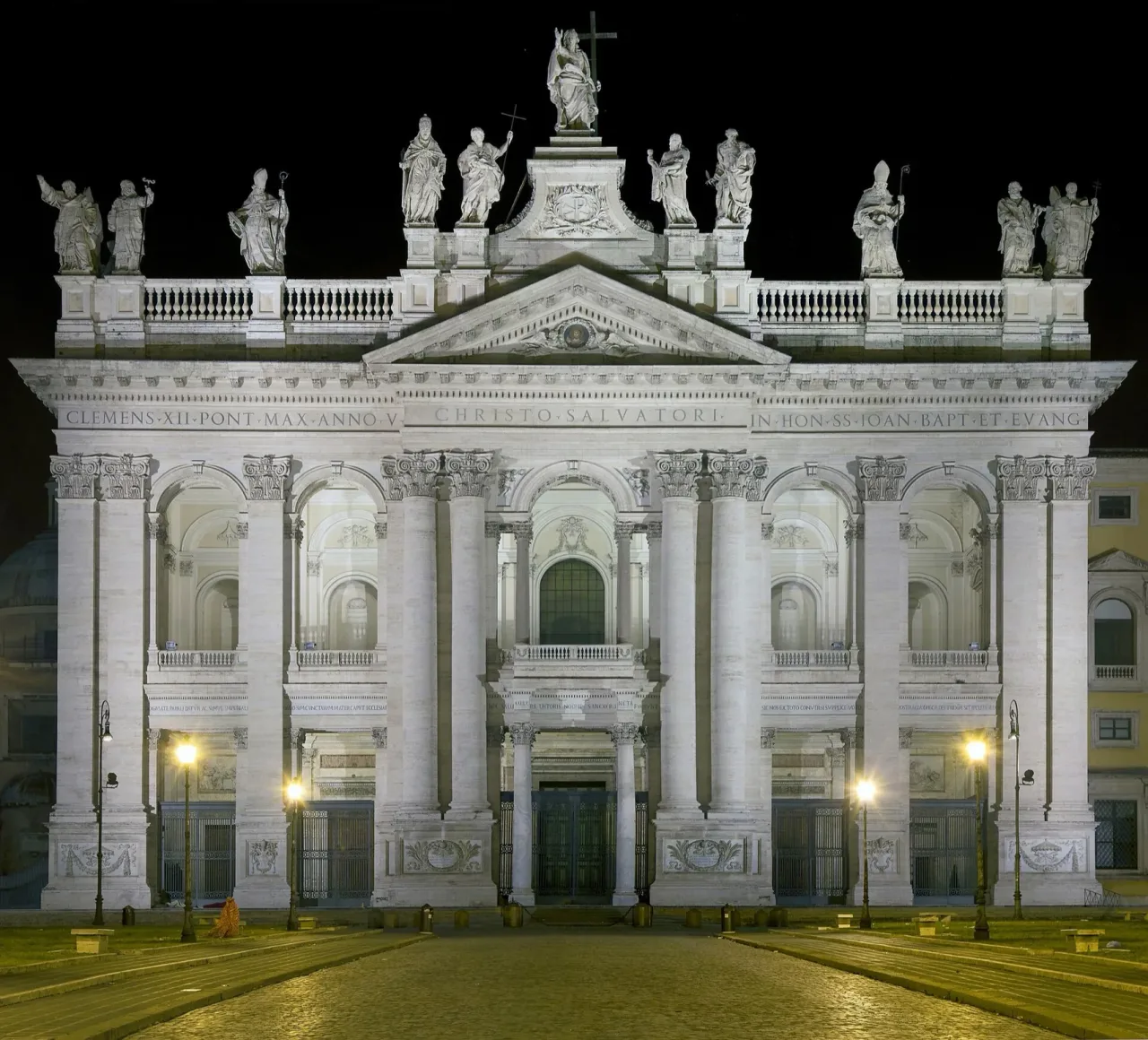
As above, paired with San Giovanni in Laterano or the Colosseum, both a short walk away.
Pray at the high altar first, where the relics are. Then descend, level by level, and take the same route back up. The ascent is what makes the point: you return to a working church having seen everything it was built on.
How to visit well.
Begin in the upper basilica and stay long enough to actually look at the apse mosaic. The relics venerated as Saint Clement's are beneath the high altar in front of you. They are exposed for veneration once a year, on 23 November, but the altar is the place to pray whether or not they are visible.
Then buy the ticket and go down. In the fourth-century basilica, find the tomb of Saint Cyril: this is a place of pilgrimage for Slavic Christians, and the modern plaques and flowers around it are the living end of a story that starts in the Crimea in 861. The chapel of Saints Cyril and Methodius, added in 1880, holds a fragment of his relics placed there by Paul VI.
Go down again to the Roman level. It is damp, narrow and loud with running water, and it contains a temple of Mithras. Do not treat this as the climax. Walk back up through the same three levels in reverse, because the ascent is the part that changes how the upper church reads: the basilica you started in is the newest thing in the building, and it is still in use.
- Dominican conventual life in the adjoining priory
- Veneration of the relics of Saint Clement, exposed each 23 November
- Prayer at the tomb of Saint Cyril in the lower basilica
- A working parish and priory church rather than a museum with a chapel attached
What pilgrims come to venerate here.
Tomb and Burial
- Saint Cyril, apostle to the Slavs, who died in Rome in 869 and was buried in the church that then stood here. His tomb is in the lower basilica.
- The chapel of Saints Cyril and Methodius, added in 1880, holds a fragment of Cyril's relics recovered by the Irish Dominicans in the 1960s and placed here by Pope Paul VI
Relics and Sacred Tradition
- The relics venerated as Saint Clement's, reserved beneath the high altar of the upper basilica and exposed for veneration each 23 November
- A fragment of the relics of Saint Cyril, in the chapel of Saints Cyril and Methodius
Sacred Objects
- The twelfth-century apse mosaic, in which the cross grows as a tree of life across the whole vault
- The Cosmatesque floor and the enclosed schola cantorum of the upper church, reassembled with material carried up from the basilica below
- The medieval frescoes of the lower basilica, painted between the eighth and eleventh centuries
Within walking distance.
Plan your visit.
Written against the basilica's own history and key-figures pages. The upper church and the excavations below have different hours and the lower levels are ticketed and often require booking; check the basilica's site before travelling. The relics beneath the high altar are presented as the basilica presents them, venerated as Saint Clement's, with the ninth-century translation from the Crimea named as the source of the tradition.
August 12, 2026
Photo credits
- Hero. Ninfamania / Wikimedia Commons (CC BY 4.0). Source. CC BY 4.0.
- One level down. Palickap / Wikimedia Commons. Source. CC BY-SA 4.0.