The papal cathedra
Cathedra of the Bishop of RomeVisible in the apse
Basilica documentationThe cathedral of Rome and the seat of the Pope as Bishop of Rome: the oldest of the four papal basilicas, mother and head of all the churches of the city and the world, with the papal cathedra, the medieval baldachin, and the Constantinian baptistery.
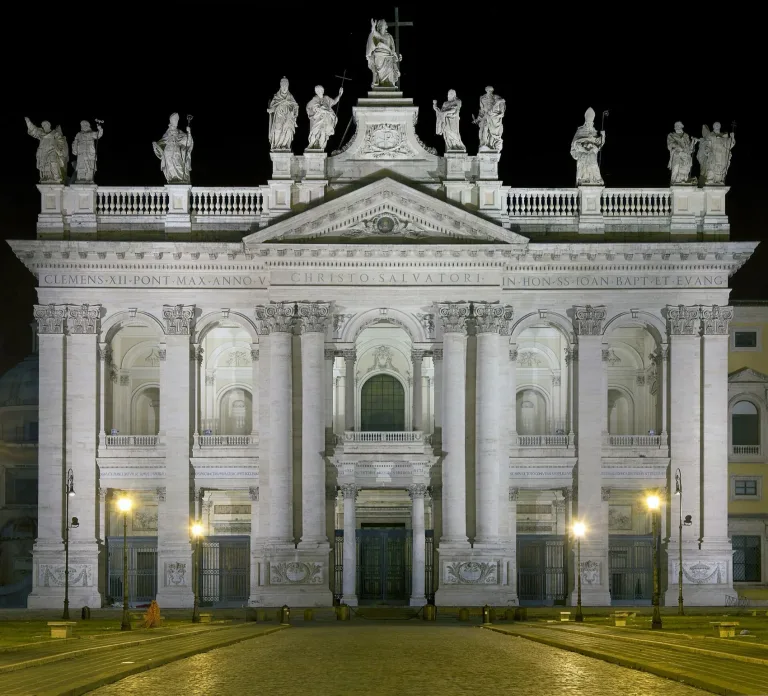
Come here for the cathedral of Rome. Saint John Lateran, not Saint Peter's, is the cathedral of the city and the seat of the Pope as Bishop of Rome, and its facade carries the title of the mother and head of all the churches of the City and of the world. It is the oldest of the four major papal basilicas and the first public basilica of Rome, founded by Constantine in the early fourth century. The cathedra in the apse, the papal altar under its medieval baldachin, and the adjoining Constantinian baptistery make this the place where the office of the Bishop of Rome is most clearly read.
In the early fourth century, after Constantine granted the Church freedom, the first public basilica of Rome was raised on the Lateran estate and dedicated under Pope Sylvester I. It was the cathedral of the Bishop of Rome from the beginning, and the adjoining palace served the popes for about a thousand years. Five ecumenical councils were held here between 1123 and 1517. Fires, earthquake, and rebuilding changed the fabric, but not the identity: this remains the cathedral of Rome.
The Lateran gathers many ages without losing its central axis. Borromini's Baroque nave encloses the older basilica rhythm and leads toward the papal altar, Gothic baldachin, cathedra, and apse mosaic. Beside the basilica, the Cosmatesque cloister and Constantinian baptistery complete the visit as cathedral, not only monument.
Saint John Lateran is the cathedral of Rome and the seat of the Pope as Bishop of Rome.
It is the oldest major papal basilica and the first public basilica of the city, founded in the Constantinian age.
The cathedra, papal altar, adjoining baptistery, and mother-church title explain the visit more directly than the facade alone.
What gives the Lateran its weight is not its art alone but its office. This is the cathedral of Rome, and the cathedra in its apse is the seat of the Pope as Bishop of Rome. The four other patriarchal and major basilicas, Saint Peter's among them, are great shrines and places of pilgrimage; the Lateran is the cathedral from which the bishop governs his local Church, and through that Church the communion of all the churches. The title written across the facade, mother and head of all the churches of the City and of the world, states the claim plainly. A Catholic visit reads the basilica as the seat of an office: the cathedra, the papal altar reserved to the Pope, the baptistery where the city's faith began, and the long line of councils and popes who have made the Lateran the cathedral of the Church of Rome.
At the crossing, the altar reserved to the Pope stands under the Gothic baldachin of 1369, which shelters the reliquary busts venerated by long-standing tradition as the heads of Saints Peter and Paul. This is the liturgical centre of the cathedral.
In the apse stands the cathedra, the seat of the Pope as Bishop of Rome. From this throne the basilica takes its rank as the cathedral of the city and of the world.
Walk Borromini's nave under the colossal statues of the Twelve Apostles, carved in the early eighteenth century within the niches he designed for the Jubilee of 1650. Read them as the company that surrounds the cathedra of Peter's successor.
At the head of the basilica, the gold-ground mosaic shows the bust of Christ above the jewelled cross on the hill of paradise, with the rivers of living water. The medieval composition was recomposed when Leo XIII rebuilt the apse.
Beside the basilica stands the baptistery raised under Constantine, the oldest in Christendom and the octagonal model from which baptisteries across the West were built. Reached separately from the basilica.
Galilei's facade and the title of the mother church, Borromini's nave under the statues of the Apostles, the papal altar and baldachin, the cathedra, and a first reading of the apse mosaic.
As above, with the Cosmatesque cloister of the canons and the Constantinian baptistery beside the basilica.
Add the Holy Stairs and the Sancta Sanctorum across the piazza, and a walk toward Santa Croce in Gerusalemme among the relics of the Passion.
Saint John Lateran rewards a visit that reads it as the cathedral of Rome rather than as one more basilica. Pause before Galilei's facade and the title of the mother church, then walk Borromini's nave under the statues of the Apostles toward the papal altar and its Gothic baldachin. Pray before the altar and the cathedra in the apse, and read the apse mosaic. Visit the Cosmatesque cloister and the Constantinian baptistery beside the basilica. If time allows, cross the piazza to the Holy Stairs. If a Mass is offered while you are there, join it; the liturgy kept in the cathedral of the Bishop of Rome is itself the reason the basilica exists.
Entry to the basilica is free for prayer year-round. The Cosmatesque cloister is ticketed, and the Constantinian baptistery and the historical complex are reached separately. The Holy Stairs and the Sancta Sanctorum stand in a distinct building across the piazza and keep their own arrangements. Confirm current opening days, ticket arrangements, Mass times, and liturgical schedule on the official basilica site before planning around the visit. The basilica is reached from central Rome by Metro Line A to San Giovanni station, a short walk from the piazza.
Visible in the apse
Basilica documentationYes, within the baldachin over the papal altar
Basilica traditionEnclosed within the papal altar
Basilica traditionVisited as the baptistery of the cathedral of Rome
Basilica documentationVisible in the apse
Basilica documentationSource note Traditional attributions are presented as tradition, with documentation named where it exists.
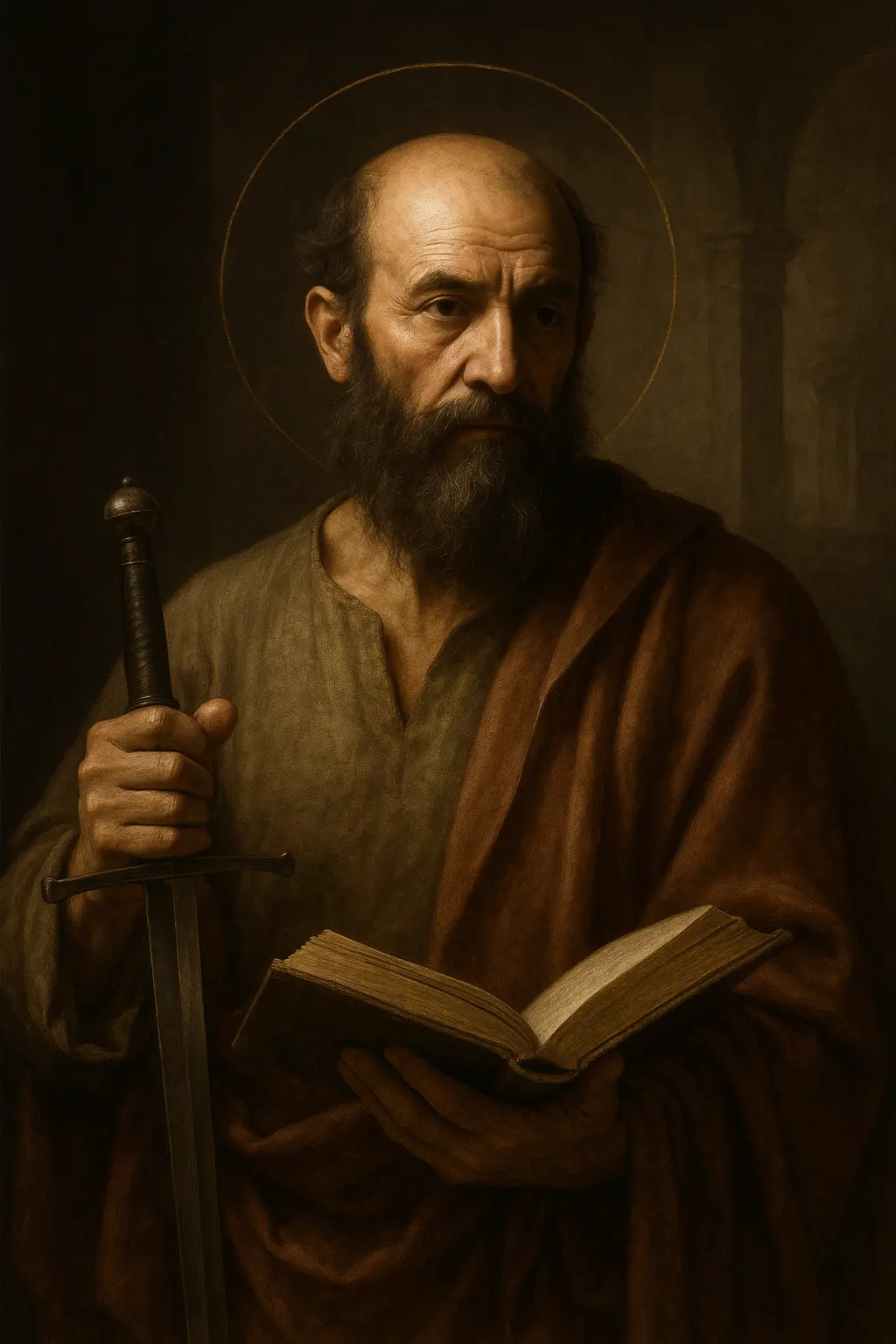
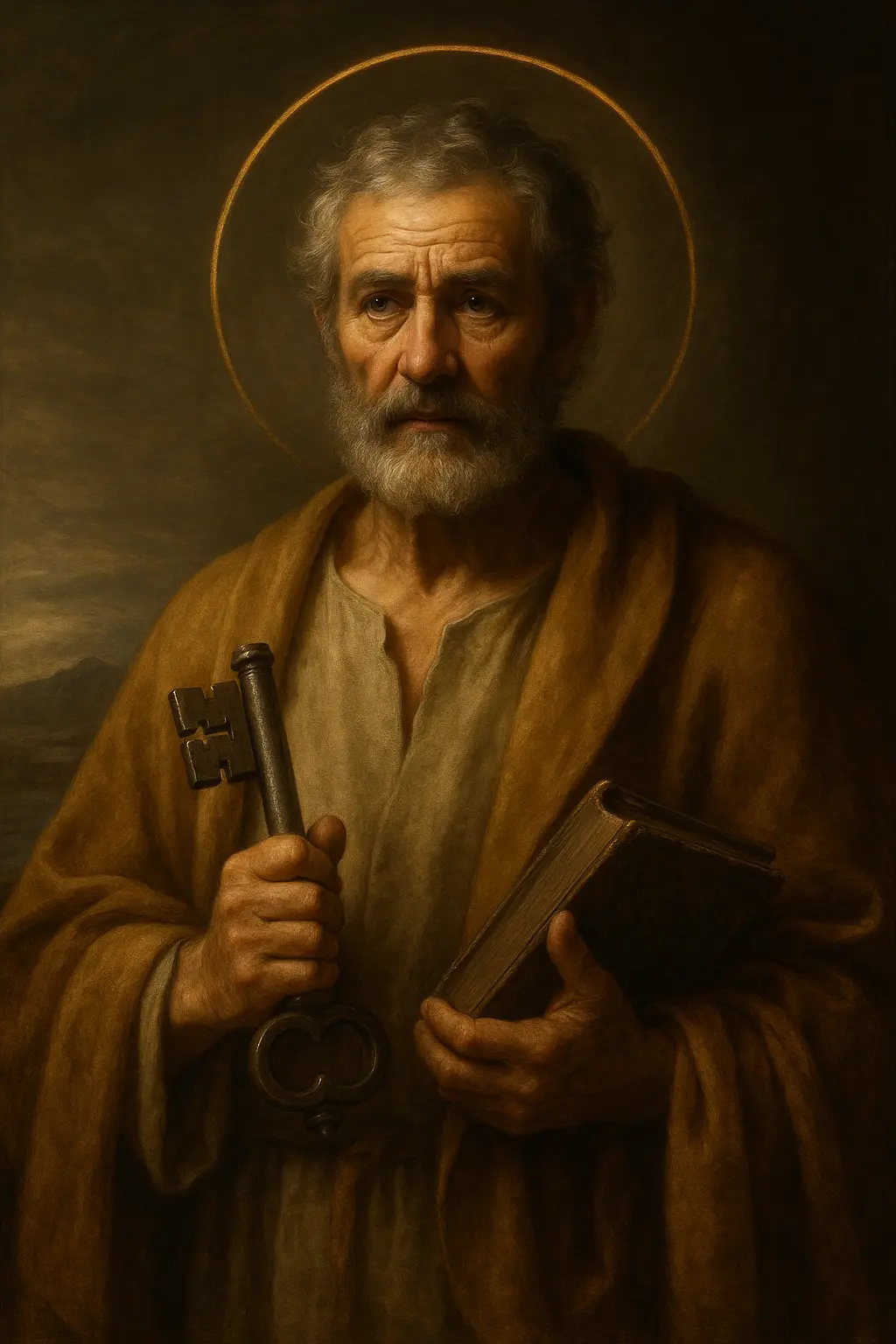
These saints are connected to the basilica in different ways. The Lateran is dedicated to Christ the Saviour and to Saints John the Baptist and John the Evangelist, whose two titles give the basilica its common name. The reliquary busts above the papal altar are venerated by tradition as the heads of Saints Peter and Paul, whose own tombs lie at the other two apostolic basilicas of Rome, and the basilica was dedicated under Pope Saint Sylvester I.
Raised under Constantine beside the basilica, the octagonal baptistery is the oldest in Christendom and the model from which baptisteries across the West were built. Reached separately from the basilica.
Across the piazza in a separate building, the Holy Stairs are climbed by pilgrims on their knees, leading to the Sancta Sanctorum, the old private chapel of the popes. A distinct site, naturally visited with the basilica.
One of the seven traditional pilgrim churches of Rome, raised by Saint Helena to enshrine the relics of the Passion she is said to have brought from Jerusalem. A natural continuation of a Lateran pilgrimage.
Rome's cathedral belongs to the pilgrimage of the four papal basilicas that hold the city's apostolic, cathedral, and Marian memory.
Move north toward the Esquiline, where the great Marian basilica gathers the Crib relic tradition, early mosaics, and the prayer of the city.
The four papal basilicas hold Rome's apostolic, cathedral, and Marian memory in a single pilgrimage through the city.
Connections are curated from Eternal Roam's saint, place, relic, route, and Rome records. Traditional attributions are identified in context.
Saint John Lateran is the cathedral of the Diocese of Rome and the seat of the Pope as Bishop of Rome, the oldest of the four major papal basilicas, and is honoured as the mother and head of all the churches of the city and the world. The basilica is dedicated to Christ the Saviour and to Saints John the Baptist and John the Evangelist; it should not be presented as a church of a single Saint John. Entry is free for prayer; the cloister, baptistery, and historical complex are ticketed and reached separately. The reliquary busts above the papal altar are venerated by long-standing tradition as the heads of Saints Peter and Paul and are presented here as objects of veneration, not as verified relics. The Holy Stairs and the Sancta Sanctorum across the piazza are a distinct site, kept separate on this page rather than collapsed into the basilica.
July 9, 2026
Use this for corrections, broken links, missing places, and planning ideas.