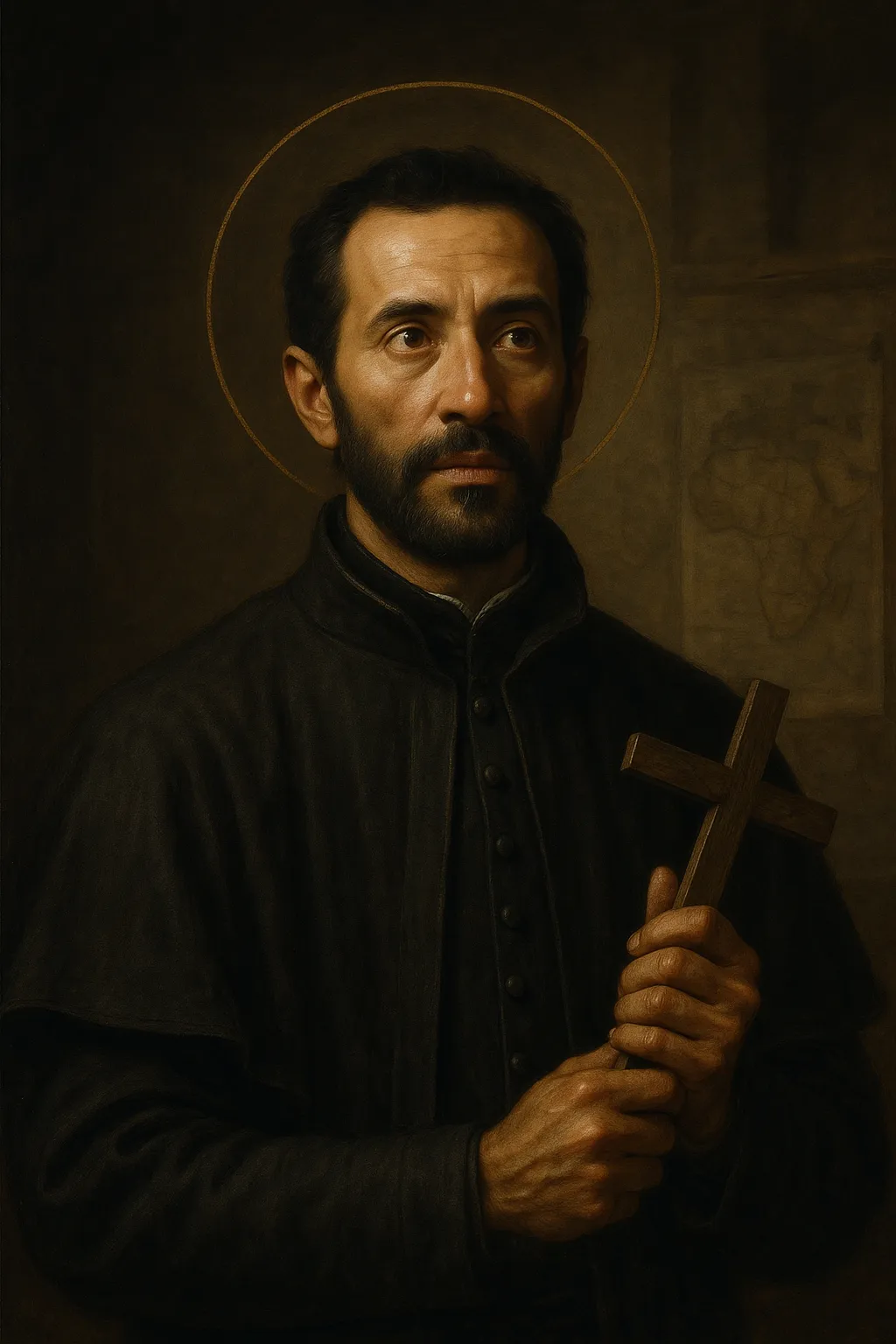
Reliquary collection of São Roque
Relic collectionDisplayed in the museum
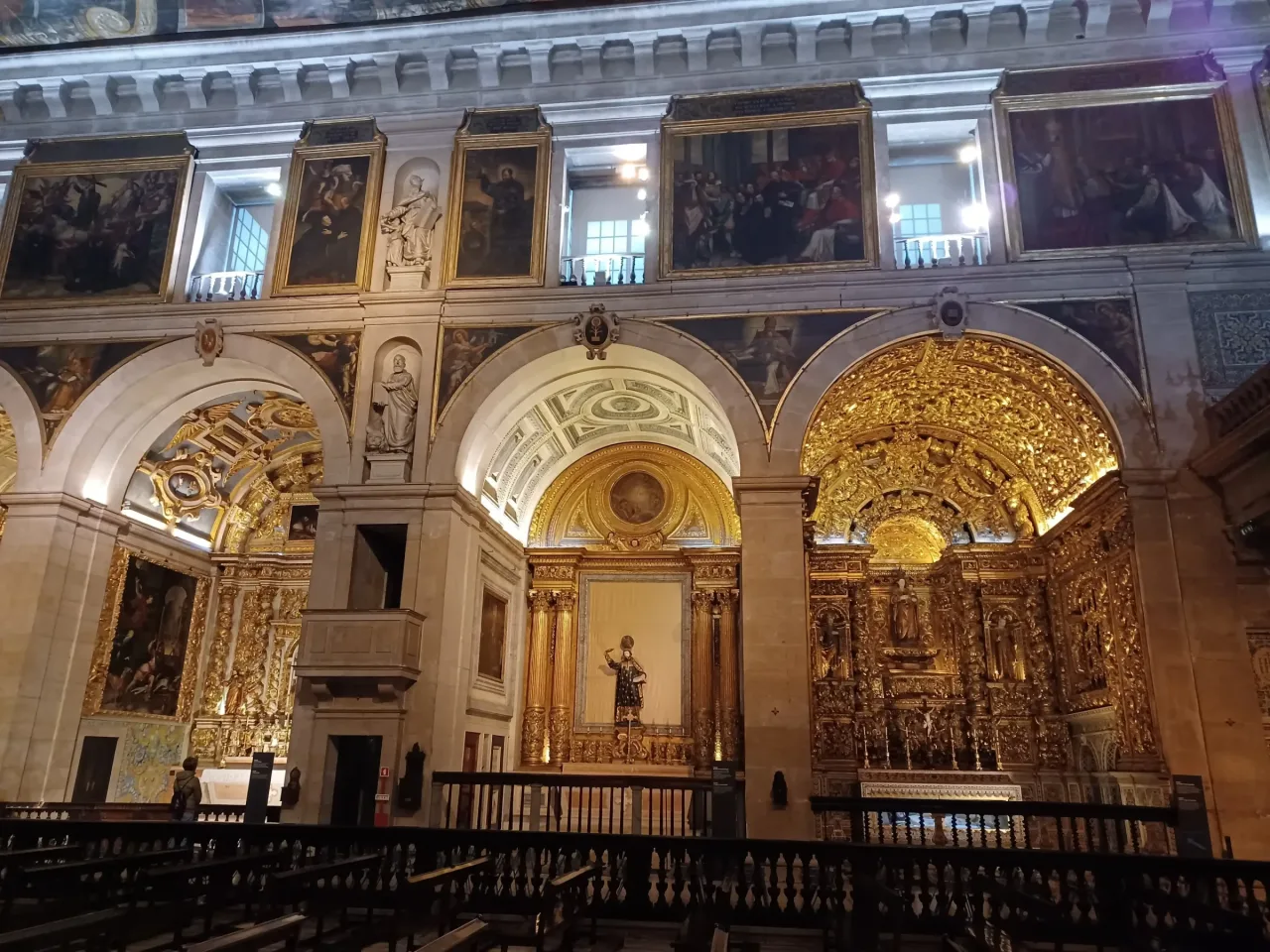
Museu de São Roque, Santa Casa da Misericórdia de LisboaSão Roque is one of the earliest Jesuit churches in the world, plain outside and extraordinarily rich within. It holds the Chapel of Saint John the Baptist, built in Rome and shipped to Lisbon, and one of the great reliquary collections of Portugal.
Come for the interior, and for what it says about the Church that made it. São Roque was built for the Society of Jesus as a preaching church, and it became the place where Lisbon spent its wealth on worship. The Chapel of Saint John the Baptist was made in Rome and carried here by sea. The church survived the 1755 earthquake almost untouched while the quarter around it fell, which is why so much sixteenth and seventeenth-century work is still standing.
The Society of Jesus was given this ground in 1553, beside a cemetery for plague dead where a shrine to Saint Roch already stood. The church was built from the 1560s as one of the first purpose-built Jesuit churches anywhere: one wide nave, no aisles, everything arranged so that a preacher could be heard. Lisbon was then the port from which the Jesuit missions sailed east, and the church stood at the centre of that traffic of men and letters. In the eighteenth century King João V commissioned a chapel in Rome dedicated to Saint John the Baptist, had it blessed by Pope Benedict XIV, and shipped it to Lisbon in pieces. When the Jesuits were expelled from Portugal in 1759 the church passed to the Santa Casa da Misericórdia de Lisboa, the city's charitable brotherhood, which holds it still.
Commissioned by King João V, built in Rome between 1742 and 1747 from lapis lazuli, amethyst, alabaster and gold, blessed by Pope Benedict XIV, then taken apart and shipped to Lisbon.
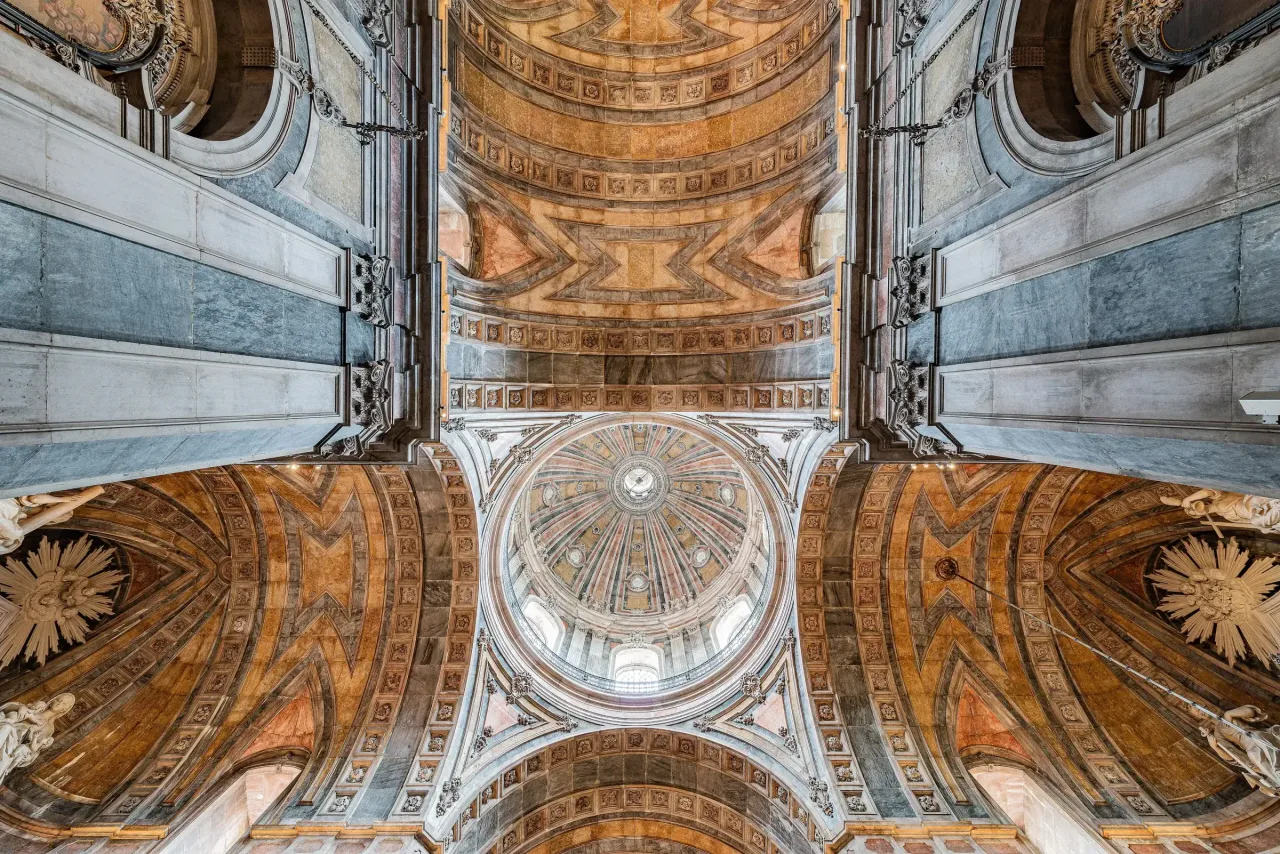
Unusual in a church of this scale, and a survivor of 1755 when the quarter around it fell. Look up before you look anywhere else.
Held in the adjoining museum, among the most significant collections of its kind in Portugal, gathered chiefly in the sixteenth and seventeenth centuries.
Kept for prayer rather than for looking, and the quietest place to stop in a church that can be busy.
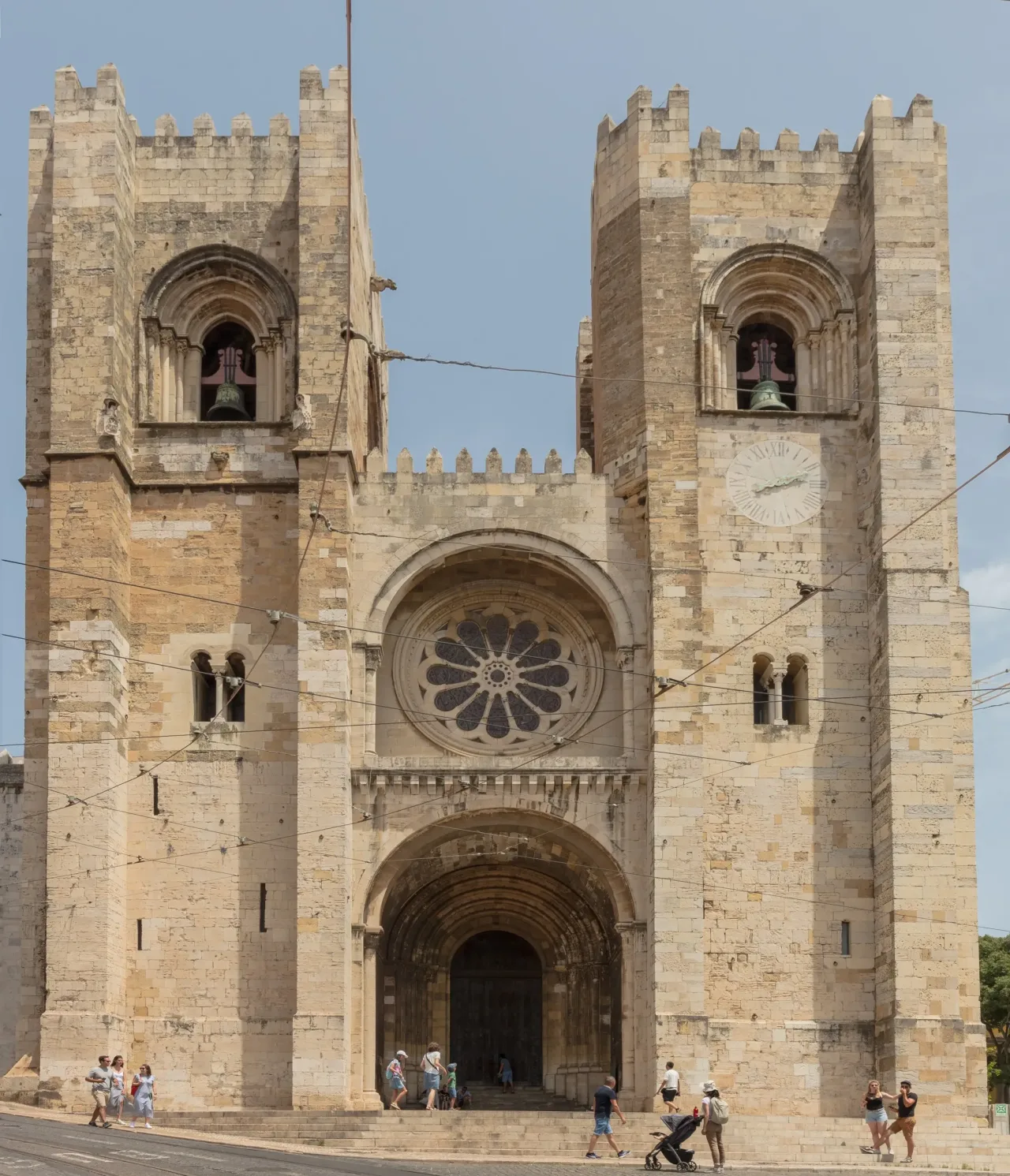
It gives nothing away. The contrast between the street front and the interior is the first thing this church says.
A short visit that takes the two things São Roque is known for and does not rush either.
The church followed by the museum, where the relic collection and the Jesuit missionary story are kept.
Displayed in the museum
Museu de São Roque, Santa Casa da Misericórdia de LisboaIn the church, on the left of the nave
Museu de São Roque, Santa Casa da Misericórdia de LisboaSource note Traditional attributions are presented as tradition, with documentation named where it exists.
A Jesuit church keeps Jesuit company, and Lisbon was where those journeys began.
About twenty minutes downhill and east, the mother church of the city.
West of the centre, the great Sacred Heart church raised by Queen Maria I.
Edited from the Museu de São Roque and the Santa Casa da Misericórdia de Lisboa, with the Wikimedia image provenance listed in the credits. The church and its museum are described together because the reliquary collection is read as part of the same visit. Confirm opening days before visiting; both close one day a week.
August 4, 2026
Use this for corrections, broken links, missing places, and planning ideas.