
Tomb of St. Catherine of Siena in Rome
The body of Catherine of Siena, without her head, lies beneath the high altar of the Dominican basilica of Santa Maria sopra Minerva, a few steps from the Pantheon and from the room in which she died.
Why pilgrims come
The woman who dragged the papacy back to Rome is buried in Rome.
Catherine of Siena spent her last years arguing, in letters of extraordinary bluntness, that the pope belonged in Rome and not in Avignon. She won that argument, came to Rome herself, and died here in 1380 at thirty-three, worn out. She is buried under the high altar of the Dominican basilica behind the Pantheon, in the only Gothic church interior in the city, beneath a vault painted a deep blue and gold.
There is one thing to know before you come, because it surprises people. Her body is here. Her head is not. It was taken to Siena, where it is venerated in the Dominican basilica of San Domenico, and the division has stood for six centuries. This is not a rivalry between two shrines telling the same story. It is one story with two addresses, and a pilgrim who wants Catherine whole has to go to both.
The basilica gives you more than the tomb. The room in which she died was taken apart and rebuilt inside the church, so the walls that were around her at the end are still around a visitor now. Michelangelo's Risen Christ stands beside the altar, and Fra Angelico is buried a few metres away. It is an astonishingly dense church, and most people walking past it are on their way to the Pantheon.
She is under the altar of the church of the order she never formally entered, in the city she refused to let the papacy abandon.
What is venerated here
Catherine's relics are divided, and the objects in this basilica are of different orders. The page separates them.
Her remains lie beneath the high altar, under a recumbent effigy. The head is not here: it was taken to Siena and is venerated at San Domenico. Both places hold genuine relics of the same saint.
The present arrangement beneath a neo-Gothic high altar dates from the nineteenth century and was restored in 2000. Her remains have been moved and re-housed several times since 1380.
The walls of the room in which she died in 1380 were dismantled and reconstructed as a chapel within the basilica complex, so the space itself is preserved as a relic.
Fra Angelico is buried in the same basilica, and Michelangelo's Risen Christ stands beside the altar. They are not part of Catherine's cult, and the page does not fold them into it.
What a pilgrim can actually see
Stated honestly, with access caveats. Nothing here promises more than the shrine ordinarily offers.
The tomb beneath the high altar
Open hoursThe sarcophagus and recumbent effigy are set beneath the high altar and visible from the sanctuary steps during ordinary opening hours.
·Access is restricted during Mass at the high altar. The remains are not exposed.
The chapel of her death
Not always openThe reconstructed room in which she died, within the basilica complex.
·Not reliably open to casual visitors. Ask at the sacristy rather than assuming access.
The Risen Christ of Michelangelo
Usually visibleStanding to the left of the high altar, a few steps from the tomb.
The tomb of Fra Angelico
Usually visibleThe Dominican painter's grave slab lies in the same church.
How to visit
A short, practical posture. The shrine will guide you the rest of the way.
It is behind the Pantheon, and easy to miss
The facade is plain and the piazza is dominated by Bernini's elephant obelisk. Most people photograph the elephant and walk on. The Gothic interior is through the doors behind it.
Understand the division before you arrive
The head is in Siena. If Catherine is the reason for your journey, plan both cities. Rome holds the body and the room where she died; Siena holds the head and the house where she grew up.
Ask about the cell, do not assume it
The reconstructed room of her death is not part of the ordinary visitor circuit and is not always open. Enquire at the sacristy.
Check hours at the source
The basilica is a working Dominican church with a full liturgical schedule that closes the sanctuary. Its own published hours are the authority. Access details on this page were last reviewed on 11 August 2026.
Connected saints & places
Every relic belongs to a saint, a church, and a city. Follow the connections outward: each one names its relationship to what is kept here.
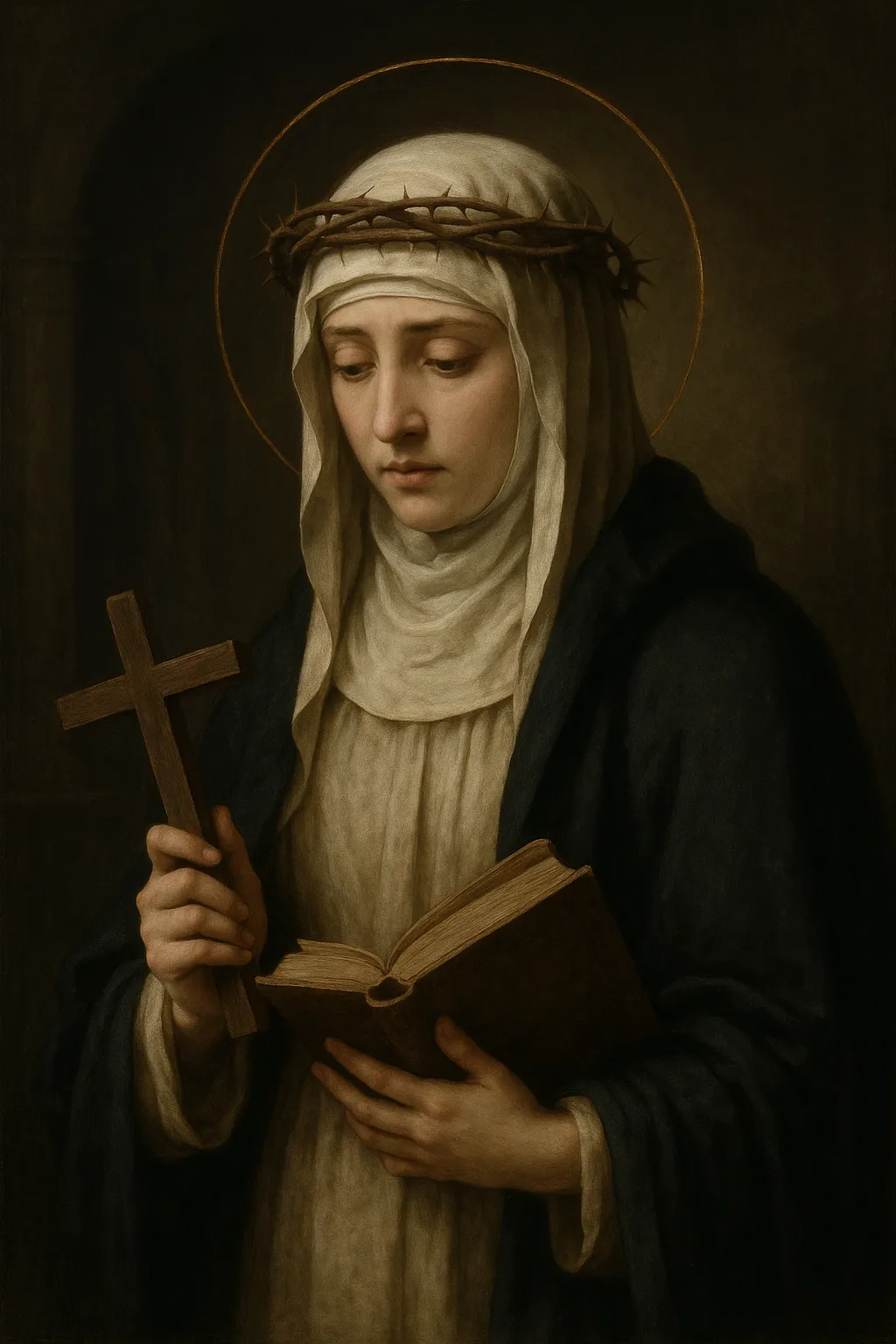
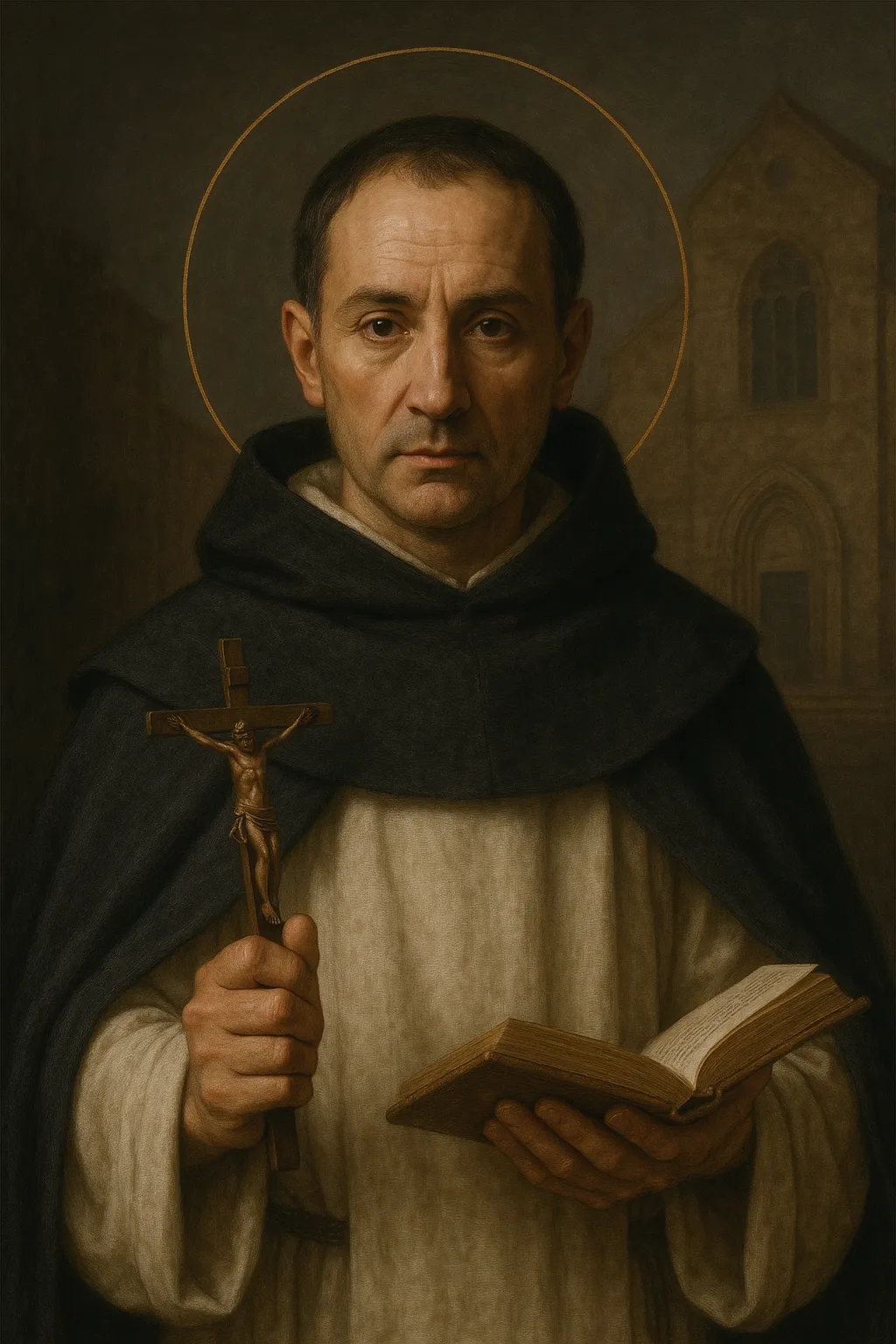
Nearby sacred places
Each carries an honest travel cost. "Nearby" means reachable on the same pilgrimage, not merely thematically linked.
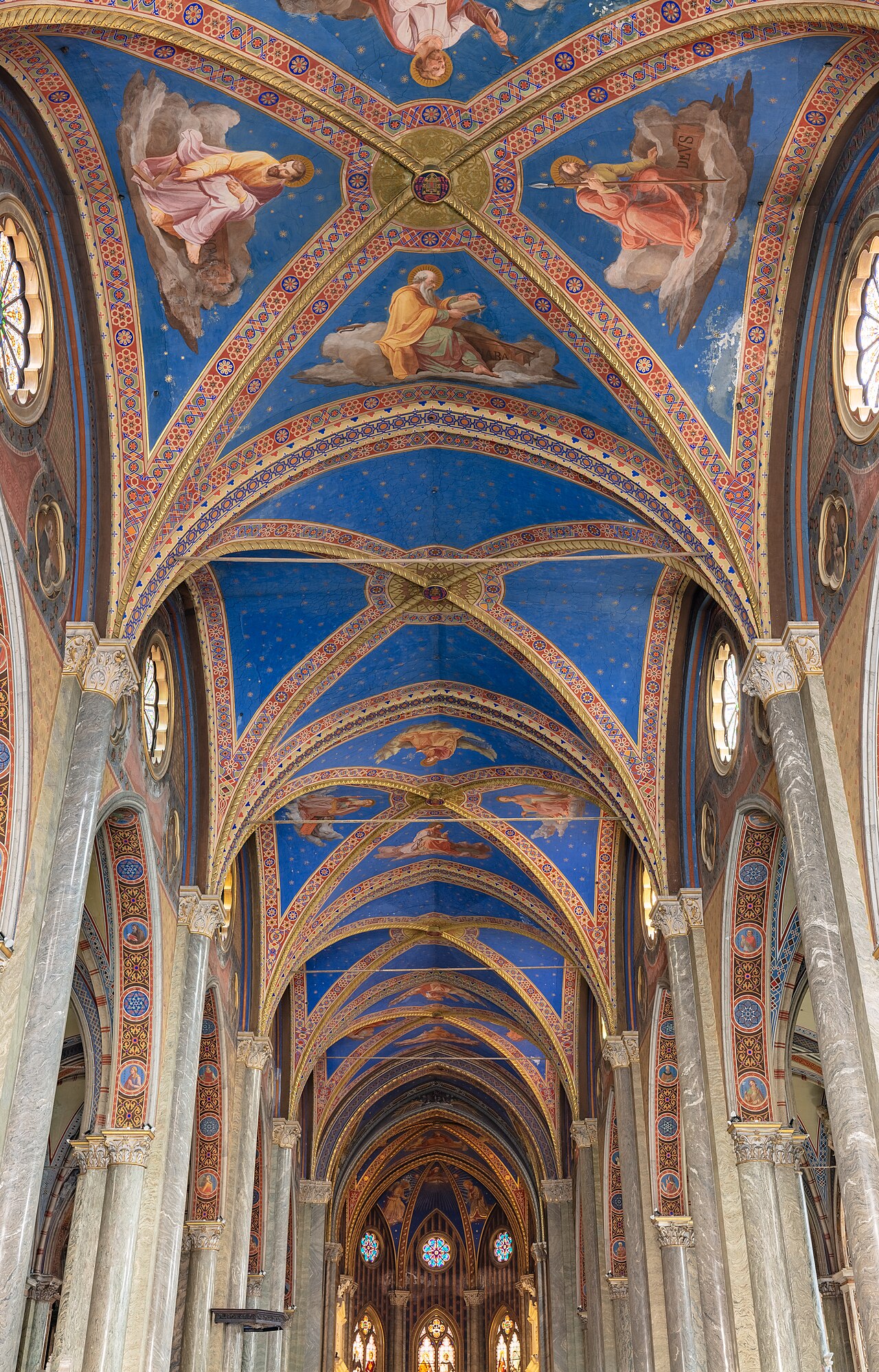
Santa Maria sopra Minerva
The basilica itself, Rome's only Gothic interior, with Michelangelo's Risen Christ and the grave of Fra Angelico.
Tomb of St. Peter
Across the river, the apostolic grave at the centre of the argument she spent her life making.
How we hold this record
An undisputed burial, a divided set of relics, and a tomb that has been rebuilt more than once.
- Historical Catherine died in Rome in 1380 and was buried at Santa Maria sopra Minerva, the Dominican basilica, where her body remains.
- Historical Her head was taken to Siena and is venerated at the Dominican basilica of San Domenico. The relics have been divided between the two cities for six centuries.
- Historical Her remains have been translated several times; the present tomb beneath a neo-Gothic high altar dates from the nineteenth century and was restored in 2000.
- Historical The room in which she died was dismantled and reconstructed as a chapel within the basilica complex.
- Careful note The custodians' own site was not read directly for this record. The division of the relics is not in dispute, but access wording should be confirmed with the Dominican community before this page is made indexable.
The remains are not exposed.
Public access varies with liturgy, security, and (where noted) reservation requirements. The official sources above should be consulted for current access before planning around it.