
St. Andrew the Apostle
A fisherman of Galilee, the brother who brought Peter to Jesus, and an apostle whose later cult made St Andrews the medieval pilgrimage heart of Scotland.
We have found the Messiah.
John 1:41 Documented
The Life and Witness of Andrew the Apostle.
Andrew was a fisherman from Bethsaida and the brother of Simon Peter. In John’s Gospel he first follows Jesus after hearing John the Baptist name the Lamb of God, then goes to find his brother and brings him to Christ. The Gospels preserve only a few further scenes, but each shows the same apostolic instinct: Andrew notices, asks, and brings another person toward Jesus.
Matthew and Mark remember Andrew and Peter leaving their nets at the Sea of Galilee when Jesus calls them to become fishers of men. John preserves an earlier encounter near the Jordan and calls Andrew one of the first two disciples to follow. The traditions are not competing biographies; together they place his discipleship between John the Baptist’s witness and Christ’s summons in Galilee.
At the feeding of the multitude, Andrew points out the boy carrying five barley loaves and two fish. Later, when Greeks ask to see Jesus, Philip goes first to Andrew and the two bring the request to the Lord. Andrew does not dominate either scene. His apostolic character is disclosed in the act of bringing what he has found—his brother, a small offering, strangers seeking Christ.
After Pentecost the New Testament gives no itinerary for Andrew. Early Christian and later ecclesial traditions place his preaching in parts of the Greek and Black Sea worlds and his martyrdom by crucifixion at Patras. The diagonal cross belongs to later tradition and iconography, not to the Gospel record. Patras remains the principal martyr tradition, and Pope Paul VI returned the relic of Andrew’s head from Saint Peter’s Basilica to the city in 1964.
Andrew’s importance to Scotland is much later than his apostolic life. Medieval St Andrews grew around a cult of relics said to have been brought there, while the story of Saint Rule carrying them to Fife survives in later and differing forms. Whatever cannot now be authenticated about those bones, the pilgrimage history is clear: by about 1100 St Andrews was Scotland’s leading pilgrimage centre, and the cathedral later housed the national shrine before the Reformation.
Andrew belongs first to the Gospel and the apostolic Church. Scotland received him centuries later as patron and pilgrim saint; that national devotion is real without requiring the Saint Rule legend to be narrated as eyewitness history.
A life, in years and approximate ages.
-
early 1st century ADBirthBorn at BethsaidaAndrew is born in the fishing town of Bethsaida and later works the Sea of Galilee with his brother Simon Peter.
-
c. 28 ADAdultFollows Jesus and brings PeterAfter hearing John the Baptist identify Jesus as the Lamb of God, Andrew follows him, then finds Simon and brings his brother to Jesus.
-
c. 28–30 ADAdultServes among the TwelveAndrew follows Christ through the public ministry, points out the boy with loaves and fish, and helps bring Greek seekers to Jesus.
-
c. 30 ADAdultWitness after the AscensionActs names Andrew among the apostles gathered in Jerusalem after the Ascension, awaiting the Holy Spirit.
-
traditionally c. 60 ADUnknownMartyrdom remembered at PatrasLater tradition holds that Andrew is crucified at Patras after preaching in Achaea; the diagonal cross becomes his familiar symbol in later centuries.
-
1100After deathSt Andrews becomes Scotland’s pilgrimage centreThe Fife church associated with Andrew’s relic cult becomes Scotland’s leading pilgrimage centre and later the seat of its greatest medieval cathedral.
-
1964After deathThe head relic returns to PatrasPope Paul VI returns the relic of Andrew’s head from Saint Peter’s Basilica to the Orthodox metropolitan of Patras as a sign of apostolic fraternity.
Dates are approximate where the surviving record is traditional or incomplete.
3 places where this witness remains visible.
Bethsaida and the Sea of Galilee
Begin with Andrew as the fisherman and brother named in the Gospels. Archaeological debates about the precise site of Bethsaida should not be forced into certainty.
Basilica of Saint Andrew, Patras
The city preserves the ancient tradition of Andrew’s crucifixion and received the head relic returned by Pope Paul VI in 1964.
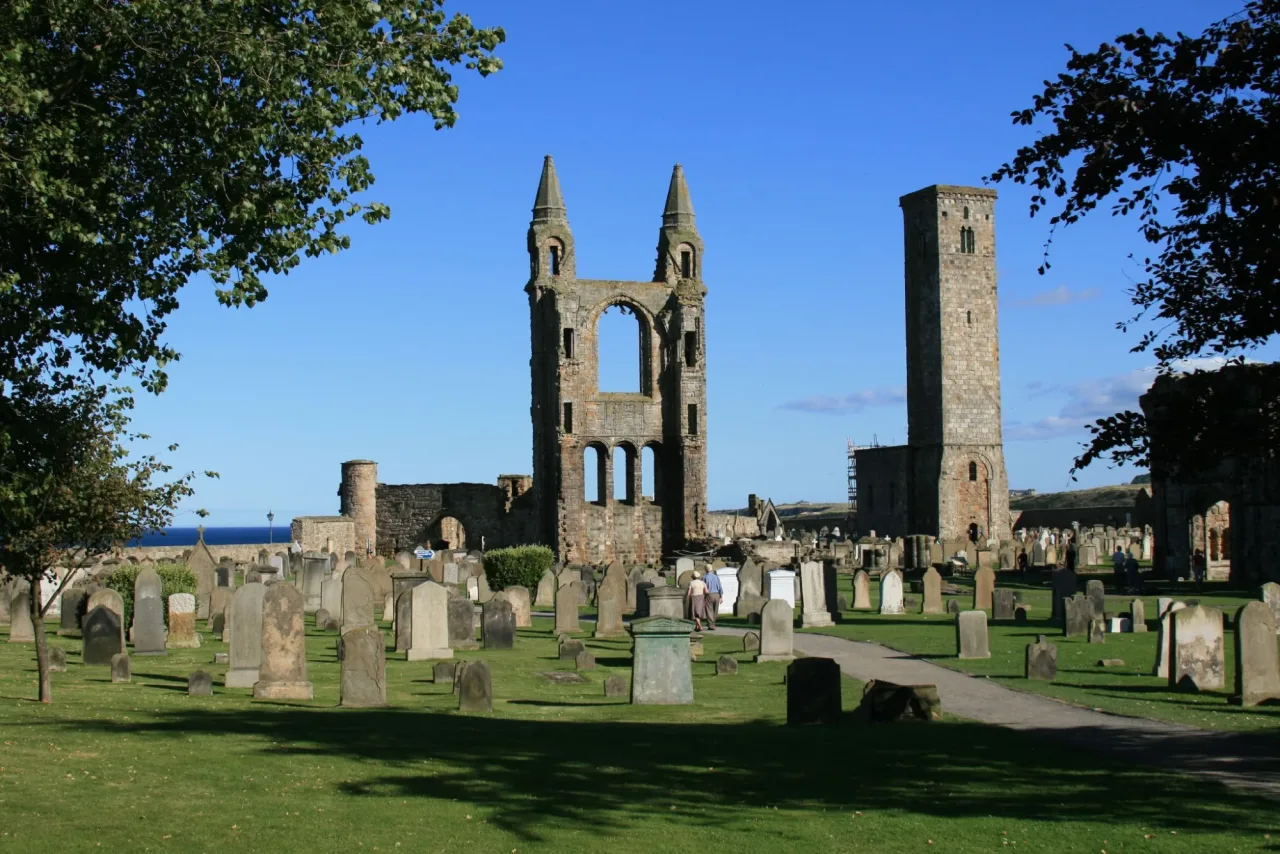
St Andrews Cathedral and Saint Andrew’s Shrine
The cathedral ruins preserve the place where medieval Scotland venerated relics attributed to Andrew. The shrine history is documented; the Saint Rule arrival story remains legend.
Saint Andrew from Galilee to Patras and Scotland · 3 stops.
These places belong to different layers of Andrew’s memory. Galilee is Gospel ground; Patras is the ancient martyr and relic tradition; St Andrews is the medieval Scottish cult that made him the nation’s patron.
-
01 Birthplace · Ministry
Bethsaida and the Sea of Galilee
GalileeBegin with Andrew as the fisherman and brother named in the Gospels. Archaeological debates about the precise site of Bethsaida should not be forced into certainty.
-
02 Publicly venerated relic · Place of martyrdom
Basilica of Saint Andrew, Patras
Patras, GreeceThe city preserves the ancient tradition of Andrew’s crucifixion and received the head relic returned by Pope Paul VI in 1964.
-
03 Later devotional association
St Andrews Cathedral and Saint Andrew’s Shrine
St Andrews, Fife, ScotlandThe cathedral ruins preserve the place where medieval Scotland venerated relics attributed to Andrew. The shrine history is documented; the Saint Rule arrival story remains legend.
This is a transnational pilgrimage thread, not a single itinerary. St Andrews now provides the canonical Scottish destination and national-guide entry point.
Continue with Six Days across Sacred Scotland
Keep the apostle ahead of the national symbol.
Andrew’s Scottish importance is profound, but it begins centuries after the Gospel. Read Galilee, Patras, and St Andrews in their proper historical layers.
Read John 1, John 6, John 12, and the call narratives before following later itineraries. The secure Andrew is the brother who brings others to Christ.
The martyrdom is ancient tradition rather than New Testament report. The 1964 return of the head relic is documented by the Holy See and belongs to modern Catholic-Orthodox reconciliation.
The cathedral and pilgrimage cult are historical. The story that Saint Rule carried Andrew’s bones to Fife comes from later, differing accounts and should remain explicitly legendary.
A living Patras custody and a lost Scottish shrine
Patras venerates the head relic returned from Saint Peter’s Basilica in 1964. Other relic traditions are dispersed across several churches and require local custodian verification.
Medieval St Andrews claimed relics of the Apostle and built Scotland’s principal shrine around them. The shrine was dismantled at the Reformation; Eternal Roam does not claim that those Scottish relics survive in an identifiable public reliquary.
Saints Connected to Andrew the Apostle
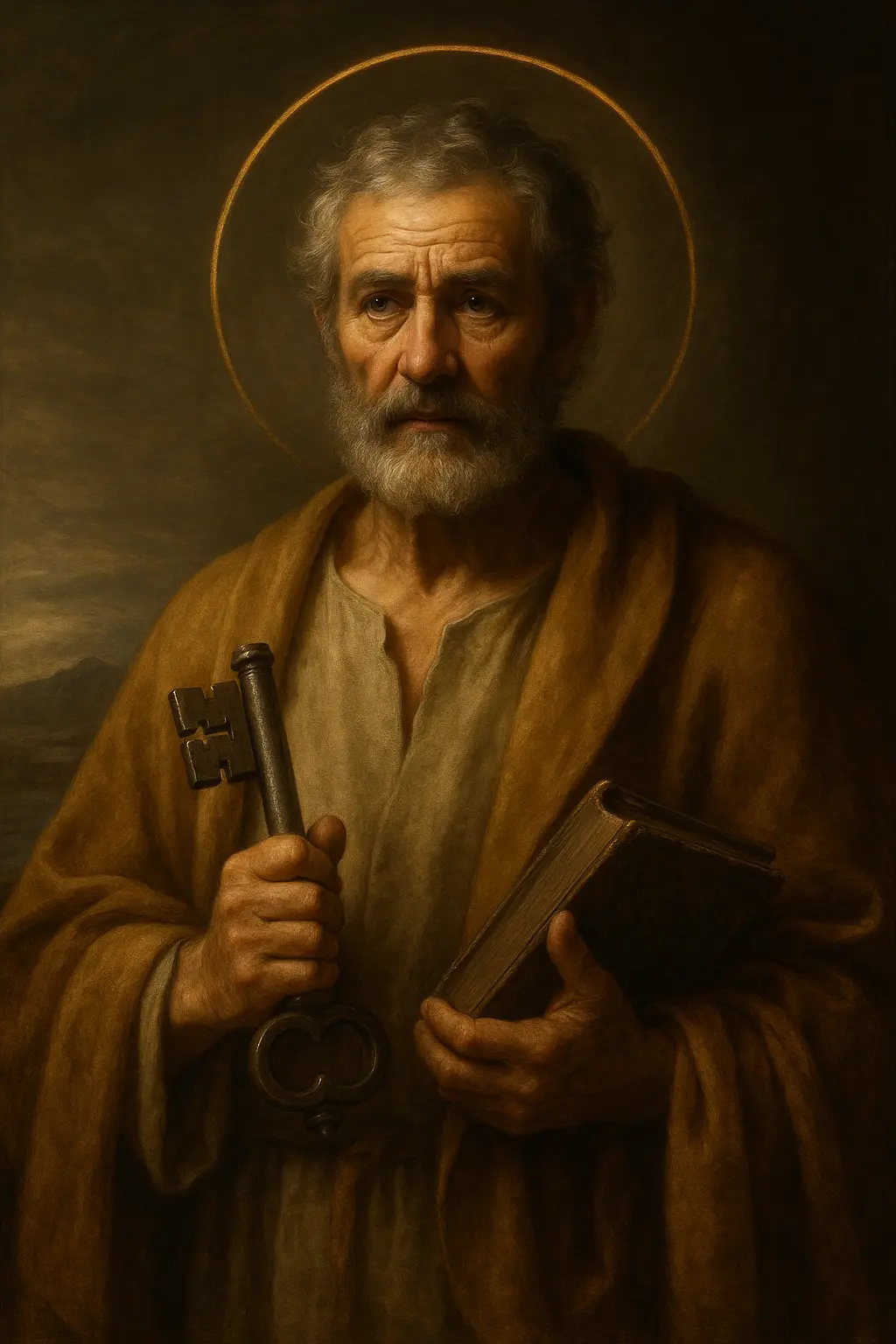
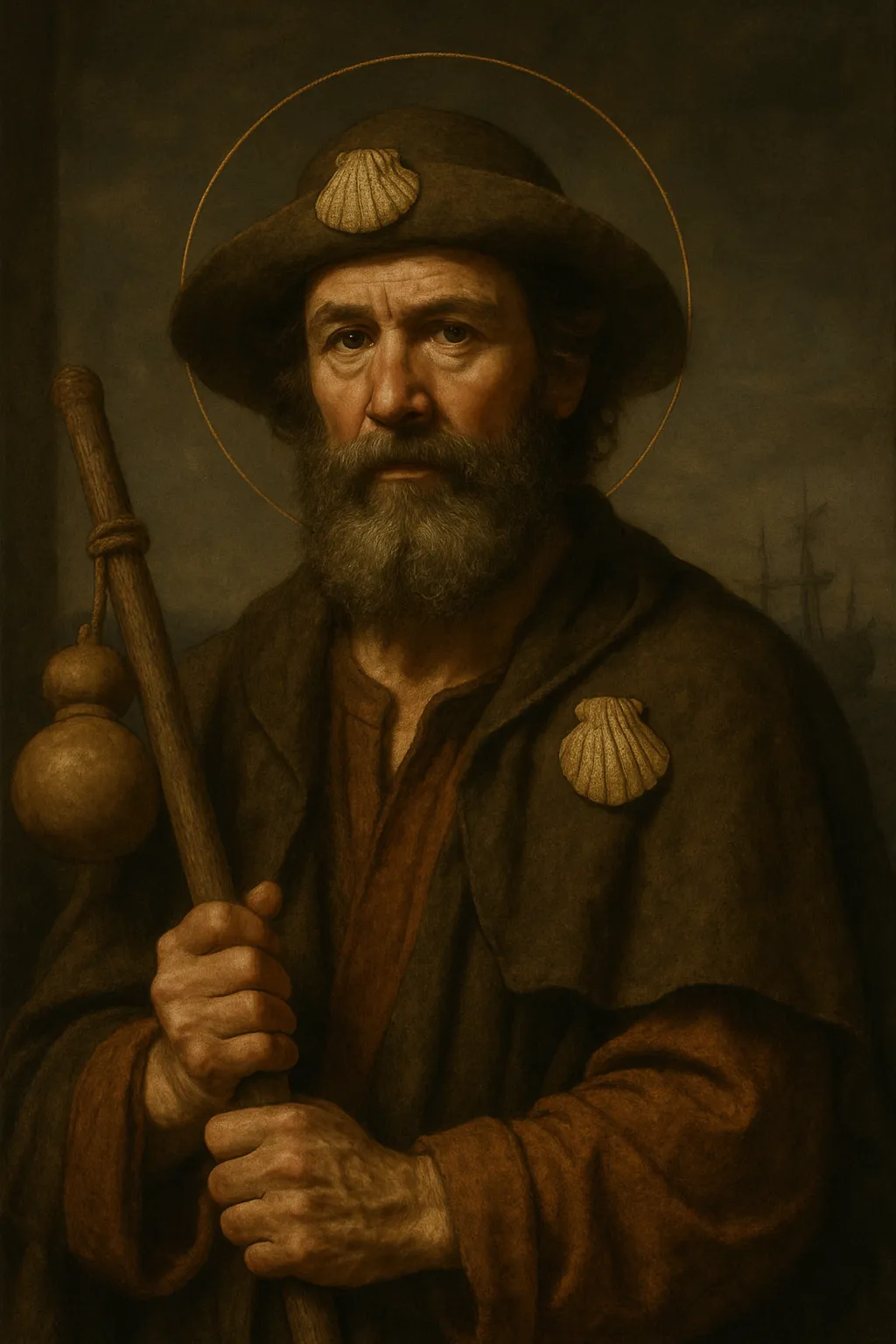
Photo credits
- Saint page. Eternal Roam devotional rendering. Source. Eternal Roam commissioned generation.
- St Andrews Cathedral and Saint Andrew’s Shrine. Andy Hawkins / Wikimedia Commons. Source. CC BY-SA 2.0.