
St. Brigid
of Kildare
The abbess whose monastery of the oak shaped Irish Christian life, remembered on February 1.
At Kildare, the church of the oak became a monastery whose memory Ireland has never let go.
Cogitosus, Life of Saint Brigid (7th century) Traditional
Foundress of Kildare and secondary patron of Ireland
Saint Brigid founded the monastery of Kildare in the late fifth century and became, with Patrick and Columba, one of the three patrons of Ireland. Her life reaches us through early tradition; her foundation, her feast, and the living pilgrimage of Kildare remain vivid.
Brigid is remembered as an early abbess of Leinster who established a monastery at Cill Dara, the church of the oak, from which the town of Kildare takes its name. Long-standing tradition holds that she governed a community of women and men there, an arrangement unusual in early Ireland, and that Kildare grew into one of the great monastic centres of the island.
Much of what is told of Brigid comes down through hagiography written generations after her death, and the earliest life by Cogitosus already presents her within a settled tradition of holiness and hospitality. Eternal Roam keeps those stories in that register: warm, ancient, and formative, without pressing them as documentary biography.
What is not in doubt is the endurance of her memory. Her feast on February 1 became a national public holiday in Ireland in 2023, and in 2024 the 1500th anniversary of her death drew pilgrims to Kildare, where a relic traditionally associated with her was received into the Catholic parish church.
Brigid’s pilgrimage geography is Kildare: the cathedral and round tower on the site of her monastery, the fire tradition, her well, and the living ministry that keeps her memory.
A life, in years and approximate ages.
-
c. 451BirthBirth in LeinsterTradition places Brigid’s birth in the region of Leinster in the mid-fifth century, into the world of newly Christian Ireland.
-
c. 480Adult lifeFoundation of the monastery of KildareBrigid establishes her monastery at Cill Dara, the church of the oak. Tradition holds it became a double community of women and men and a leading centre of Irish monastic life.
-
c. 525According to traditionDeath at KildareBrigid dies at Kildare and is buried there. Her tomb became a focus of devotion until her relics were later dispersed during centuries of invasion.
-
2024AnniversaryFifteen hundredth anniversary at KildareIreland marks the 1500th anniversary of Brigid’s death. A relic traditionally associated with her, long kept in Portugal, is received into the Catholic parish church of Kildare.
Dates are approximate where the surviving record is traditional or incomplete.
2 places where this witness remains visible.
Prefer a ready-made pilgrimage? See the Brigid's Kildare.
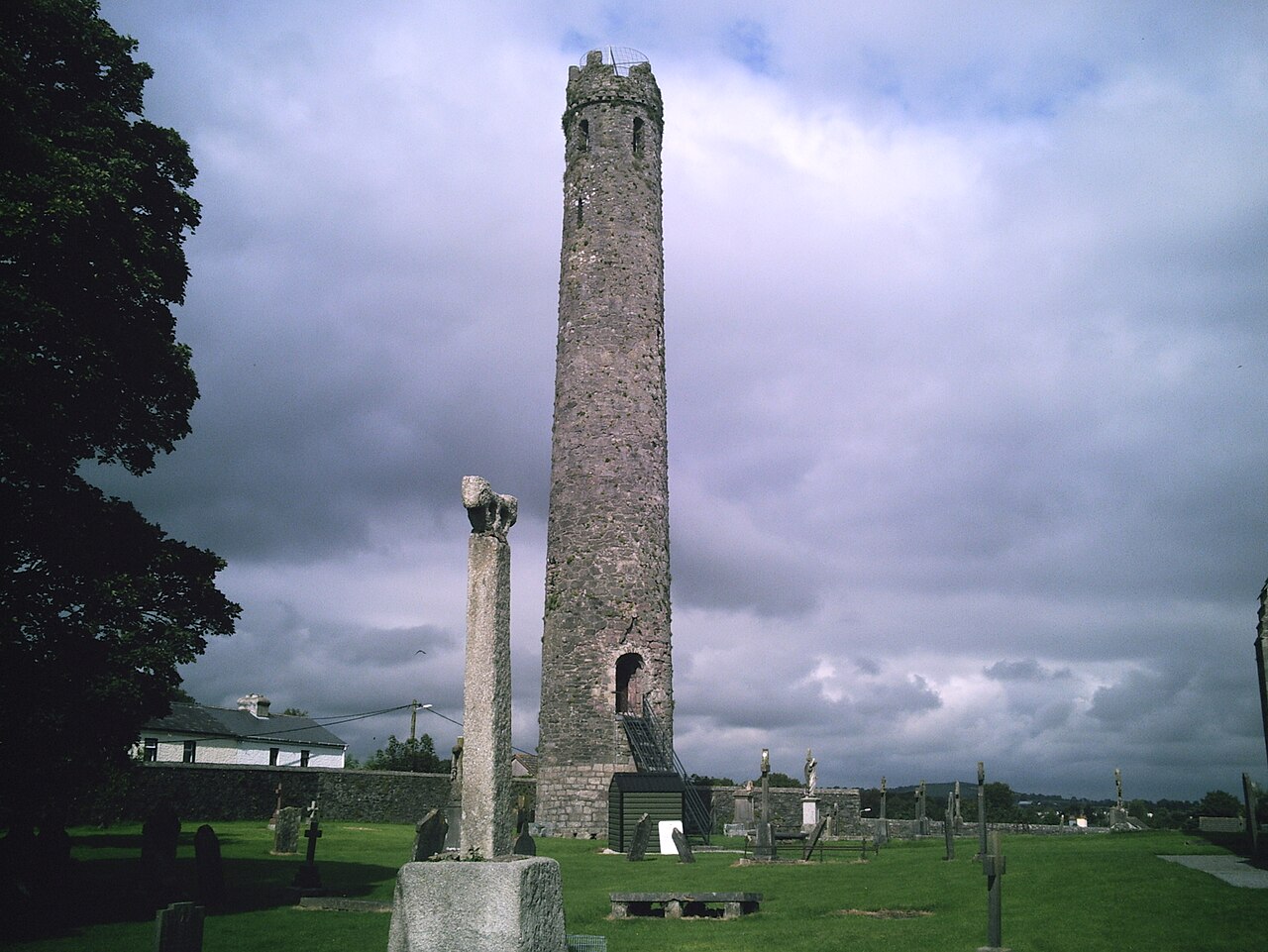
St. Brigid’s Cathedral and Round Tower
The site of Brigid’s monastery, with the medieval cathedral, one of Ireland’s tallest round towers, and the remains of the fire temple in the churchyard.
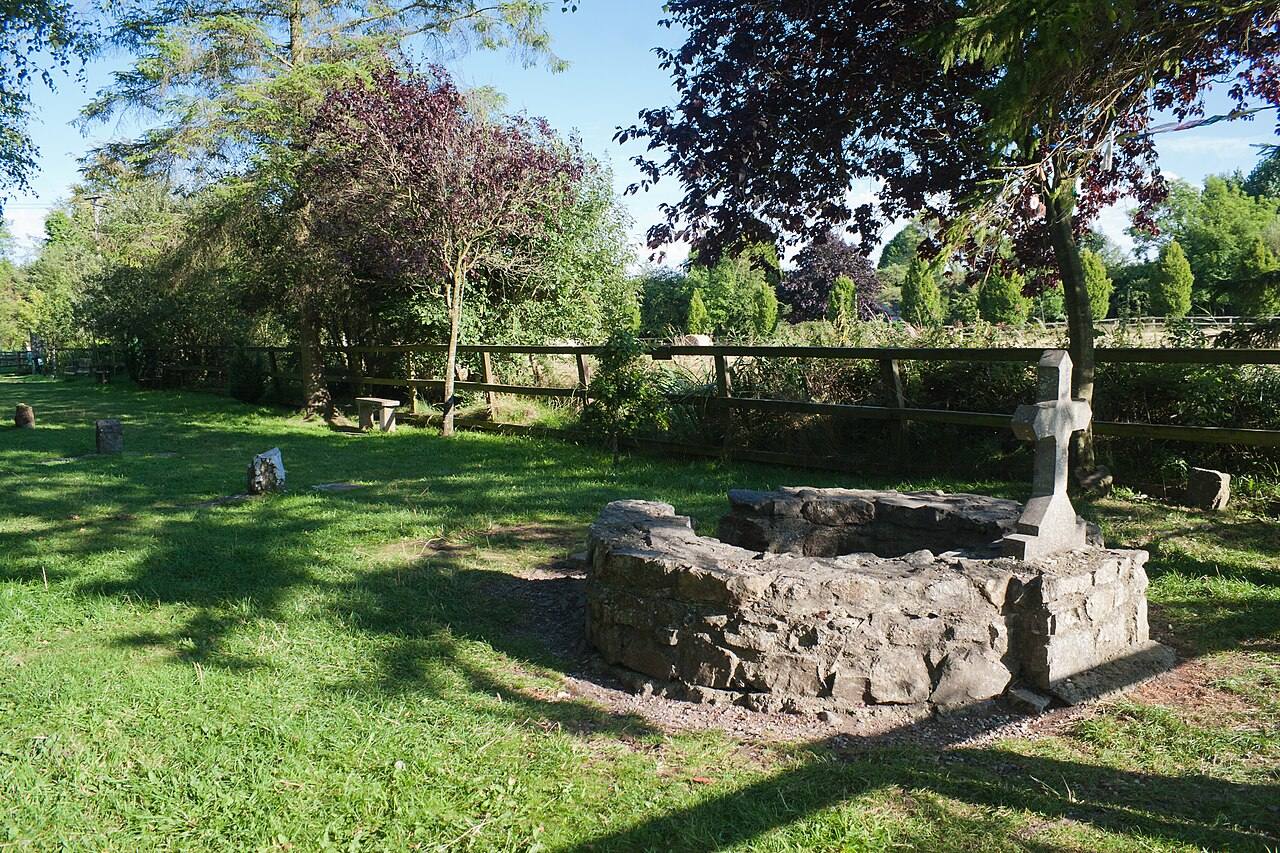
St. Brigid’s Well and Solas Bhríde
The living heart of the Kildare pilgrimage, on the edge of town, tended by the Solas Bhríde ministry that keeps Brigid’s memory through the year.
Where the body is venerated.
Brigid’s original tomb at Kildare did not survive centuries of invasion, and relics attributed to her were dispersed. A fragment traditionally venerated as part of her skull was kept in Lumiar, Portugal, from the thirteenth century; in 2024 a relic associated with her was received into the Catholic parish church of Kildare for the 1500th anniversary of her death. The tradition surrounding these relics is ancient and warmly held rather than forensically established.
Significant relics are venerated in more than one place.
How to encounter Brigid at Kildare.
Follow Brigid across one Kildare landscape: the site of her monastery, the fire tradition, her well, and a living pilgrimage ministry.
St. Brigid’s Cathedral stands on the site of her monastery, beside one of Ireland’s tallest round towers and the remains of the fire temple. Start where the foundation itself once stood.
St. Brigid’s Well, on the edge of the town, is the quiet heart of the living pilgrimage. The Solas Bhríde ministry keeps her memory in prayer here through the year.
Brigid’s life reaches us through early tradition, and the Kildare relic is traditionally, not forensically, associated with her. Received warmly, both still shape a real and living devotion.
Brigid's Kildare · 2 stops.
Brigid's Kildare holds together in a single morning: the cathedral on the site of her monastery, then the holy well a short walk out at Tully. Take them in that order, so the well reads as the older devotion it is.
-
01 Founded here · Monastery of the saint
St. Brigid’s Cathedral and Round Tower
Kildare, IrelandThe site of Brigid’s monastery, with the medieval cathedral, one of Ireland’s tallest round towers, and the remains of the fire temple in the churchyard.
-
02 Holy well
St. Brigid’s Well and Solas Bhríde
Tully, Kildare, IrelandThe living heart of the Kildare pilgrimage, on the edge of town, tended by the Solas Bhríde ministry that keeps Brigid’s memory through the year.
Where this leads next.
Kept on February 1.
February 1, long kept as the first day of the Irish spring, remembers Brigid across Ireland and wherever Irish devotion has traveled.
In Kildare the feast is kept with Féile Bríde, a several-day gathering that includes a candlelight pilgrimage to St. Brigid’s Well on the eve of the feast.
Photo credits
- St. Brigid’s Well and Solas Bhríde. Andreas F. Borchert / Wikimedia Commons (CC BY-SA 4.0). Source. CC BY-SA 4.0.
- St. Brigid’s Cathedral and Round Tower. GothmogLord / Wikimedia Commons (CC BY-SA 3.0). Source. CC BY-SA 3.0.