
St. Jerome
of Stridon
A scholar, priest, ascetic, and Doctor of the Church whose life was spent in the hard labor of Scripture.
The Word of God deserved his whole mind.
Jerome's biblical scholarship and correspondence Traditional
The Life and Witness of Jerome.
Jerome was not a gentle scholar in the sentimental sense. He was brilliant, severe, repentant, sometimes difficult, and wholly seized by the Word of God. The Church remembers him because he gave his gifts to Scripture with a discipline that still humbles readers.
Born in the fourth century at Stridon, Jerome received a classical education in Rome and was baptized there as a young man. His learning was never merely decorative. The same mind trained on Latin literature would later bend itself to Hebrew, Greek, commentary, translation, and controversy for the sake of the Church.
After years of study, ascetic experiment, and travel, Jerome served Pope Damasus in Rome and began the work that would become his lasting gift: a Latin biblical text shaped by careful return to the original languages. After Damasus died, Jerome left Rome and settled near Bethlehem.
In Bethlehem he lived the rest of his life in prayer, study, correspondence, and translation, supported by a circle that included Saint Paula and her daughter Eustochium. His Vulgate would become the ordinary Bible of the Latin Church for centuries, not because it made Scripture easy, but because it made the Church return to the text with seriousness.
Jerome strengthens the Doctor of the Church spine with a serious Scripture, translation, study, repentance, and Bethlehem-facing witness.
A life, in years and approximate ages.
-
c. 347BirthBirth at StridonJerome is born at Stridon, on the border region of Dalmatia and Pannonia, into the late Roman world.
-
c. 360Young adultStudy and Baptism in RomeJerome studies classical literature in Rome and is baptized there, bringing a formidable literary training into Christian life.
-
c. 370In his 20s and 30sAscetic Study in the EastJerome spends years in study, ascetic discipline, and travel in the eastern Mediterranean, deepening his knowledge of Greek and Hebrew.
-
c. 382About 35-38Service to Pope DamasusJerome serves Pope Damasus in Rome and begins the biblical revision and translation work that will become his central legacy.
-
c. 386About 39Settles at BethlehemJerome settles near Bethlehem, where he will live in study, translation, correspondence, and monastic discipline for the rest of his life.
-
c. 390Mature yearsThe Vulgate Takes ShapeJerome translates and revises biblical books in Latin, drawing from Hebrew and Greek sources and giving the Western Church a scriptural text of lasting authority.
-
c. 420About 73Death at BethlehemJerome dies at Bethlehem after decades of biblical labor, prayer, and correspondence. Catholics remember him as a Doctor of the Church.
Dates are approximate where the surviving record is traditional or incomplete.
3 places where this witness remains visible.
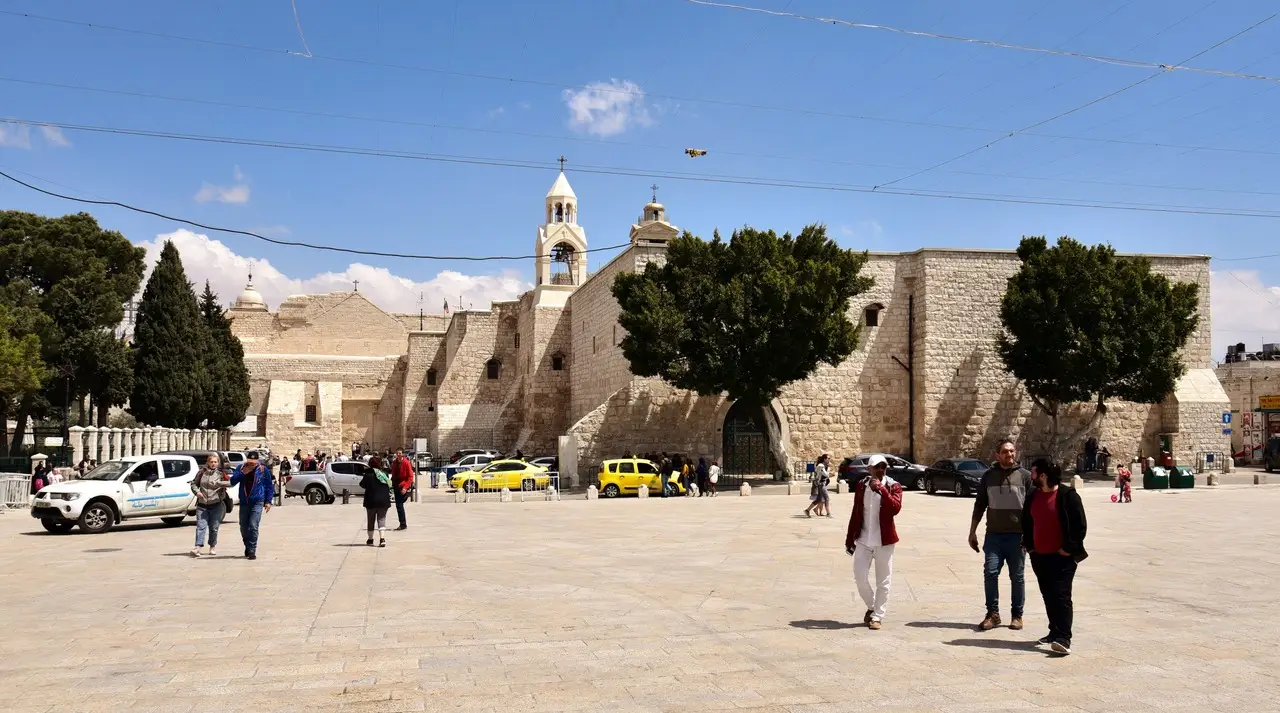
The Grotto of Saint Jerome, Church of the Nativity
Jerome settled at Bethlehem in 386 and spent his last decades in the caves beside the Grotto of the Nativity, translating the scriptures into the Latin that the Western Church would read for a thousand years. He died here in 420 and was buried in these caves. The tomb is still shown, reached from the adjoining Church of Saint Catherine.
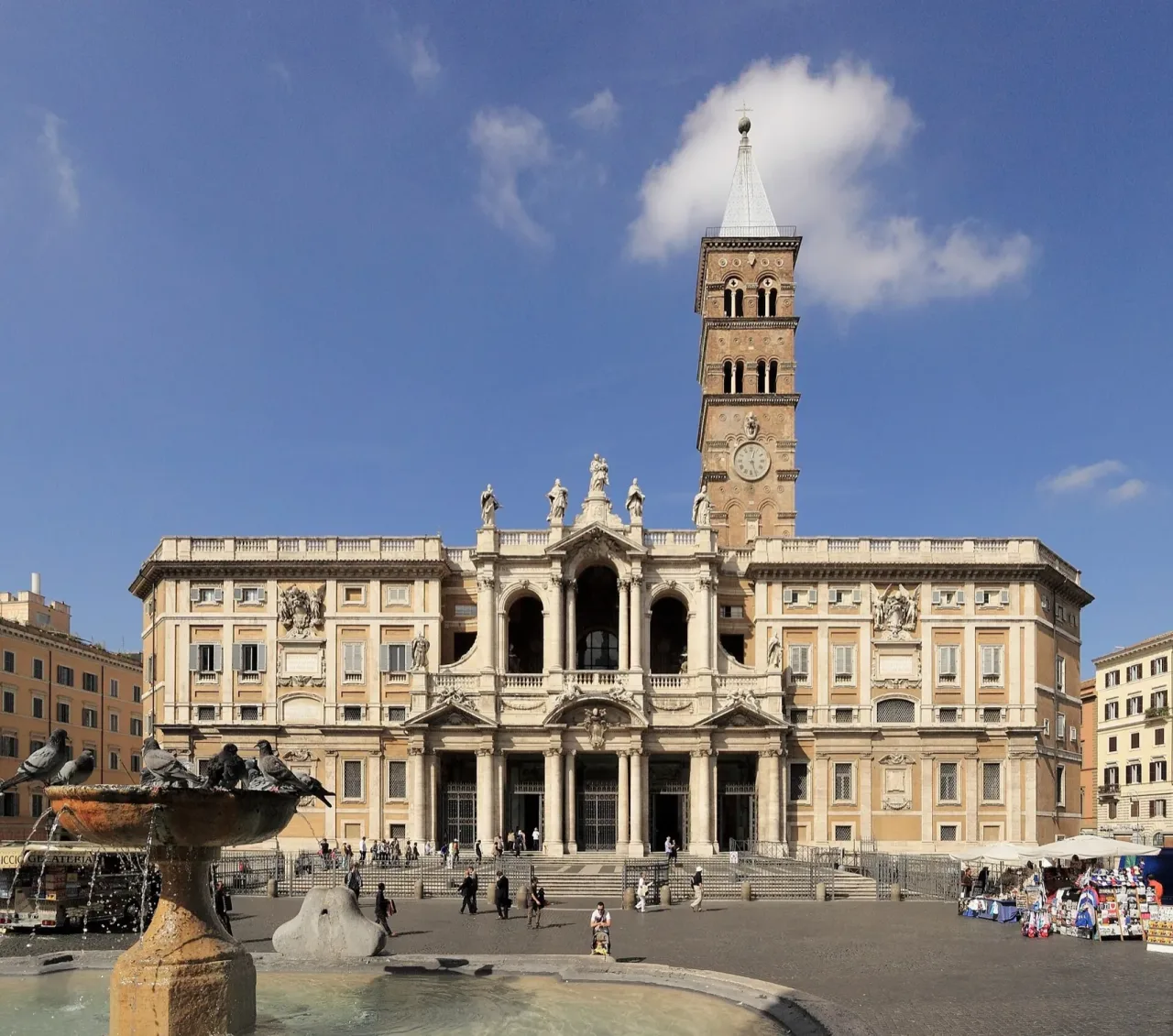
Basilica of Santa Maria Maggiore
Catholics have venerated relics of Jerome at Santa Maria Maggiore for centuries, near the relics of the Holy Crib that give the basilica its name as the Bethlehem of the West. The tradition that his remains were carried here from Bethlehem is medieval rather than ancient, and Bethlehem still shows his tomb. The veneration is long-standing and real; the translation itself is not settled.
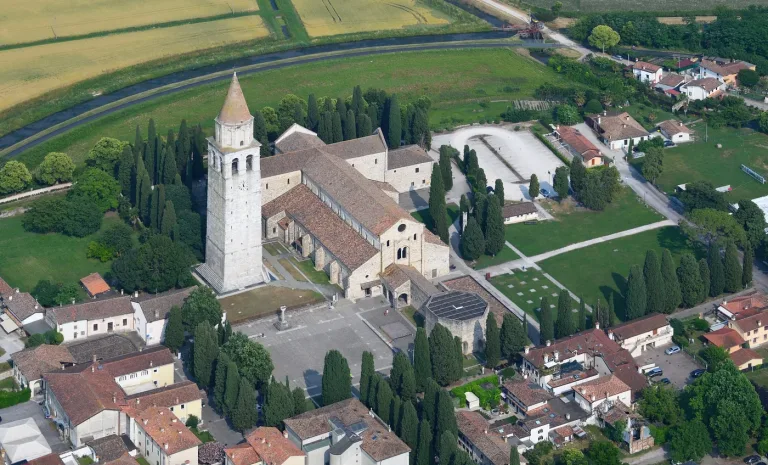
Basilica of Aquileia
Before Rome and before Bethlehem, Jerome belonged to the ascetic circle of young clerics at Aquileia in the early 370s, among them Rufinus, who would later become his fiercest opponent. The basilica keeps one of the great fourth-century mosaic floors in Europe, laid within a generation of the years he spent here.
How to encounter Jerome.
Begin with the Bible open. Jerome is not a patron of cleverness for its own sake. He is a saint for those willing to let Scripture correct them.
His learning was immense, but the real lesson is obedience to the Word of God.
The cave, monastery, and scholarly life at Bethlehem matter deeply. Hold them as sacred geography, not as decorative background.
Jerome's sharpness and discipline belong to a converted life, not a tidy temperament.
Where the body and relics are venerated.
Significant relics are venerated in more than one place.
The Grotto of Saint Jerome, Church of the Nativity
Jerome settled at Bethlehem in 386 and spent his last decades in the caves beside the Grotto of the Nativity, translating the scriptures into the Latin that the Western Church would read for a thousand years. He died here in 420 and was buried in these caves. The tomb is still shown, reached from the adjoining Church of Saint Catherine.
- The tomb traditionally venerated as Saint Jerome's, in the caves beside the Grotto of the Nativity
Enter through Saint Catherine's rather than the Nativity itself; the stair to the caves is on the right of the nave.
Basilica of Santa Maria Maggiore
Catholics have venerated relics of Jerome at Santa Maria Maggiore for centuries, near the relics of the Holy Crib that give the basilica its name as the Bethlehem of the West. The tradition that his remains were carried here from Bethlehem is medieval rather than ancient, and Bethlehem still shows his tomb. The veneration is long-standing and real; the translation itself is not settled.
- Relics venerated at the basilica as Saint Jerome's
The association with the Crib relics in the confessio is the point of the visit. Pray here for translators, scholars, and anyone working with difficult texts.
Saints Connected to Jerome
-
Saint Augustine of Hippo
A fellow Western Doctor and correspondent whose theology shaped the same Latin Church Jerome served through Scripture. -
Saint Ambrose
Another Western Doctor, bishop, and teacher of the late fourth-century Church. -
Saint Gregory the Great
The fourth great Western Doctor, joining Jerome in the Latin Church's pastoral and biblical inheritance. -
Saint Thomas Aquinas
A later Doctor whose theology depends upon the scriptural seriousness Jerome helped preserve.
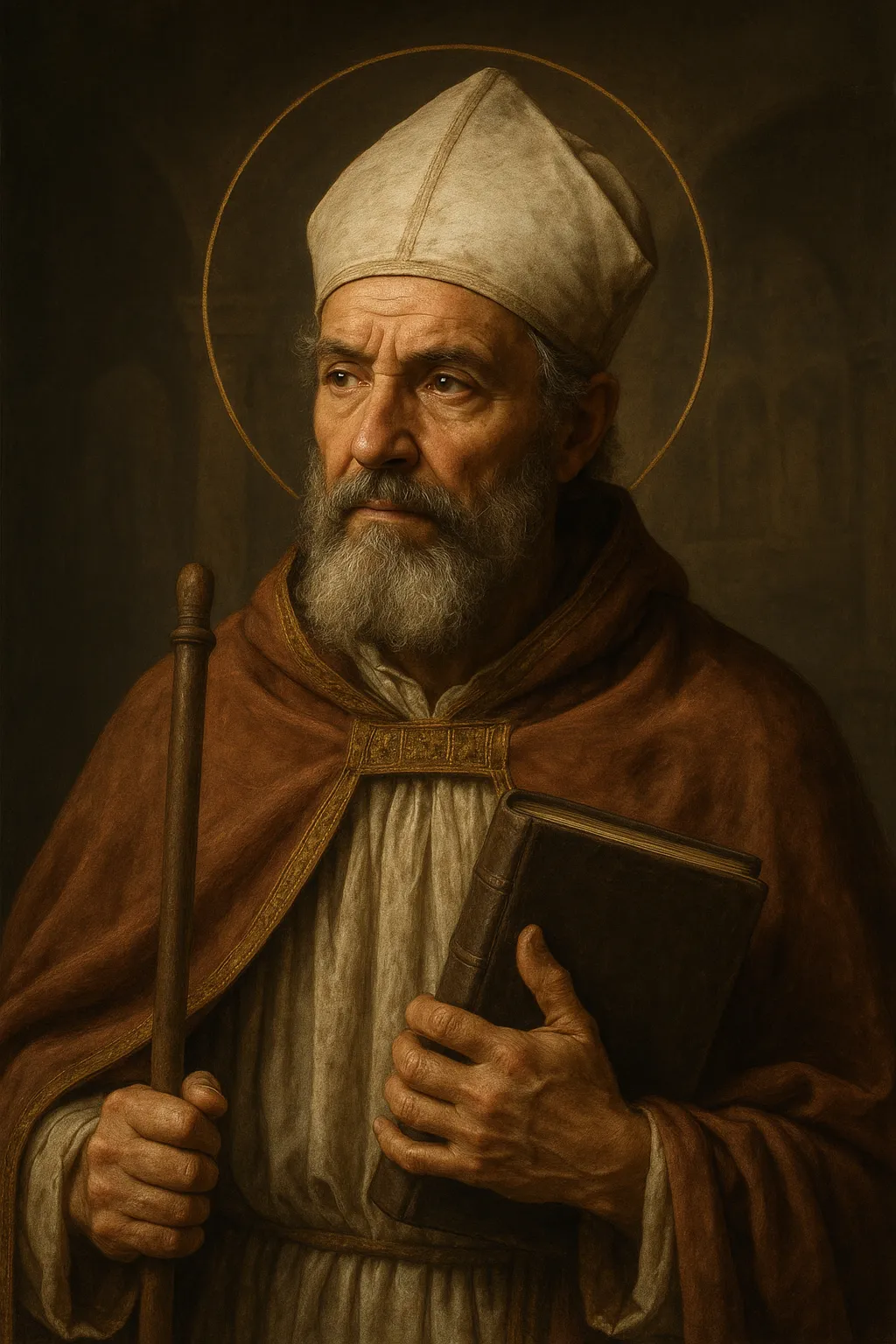


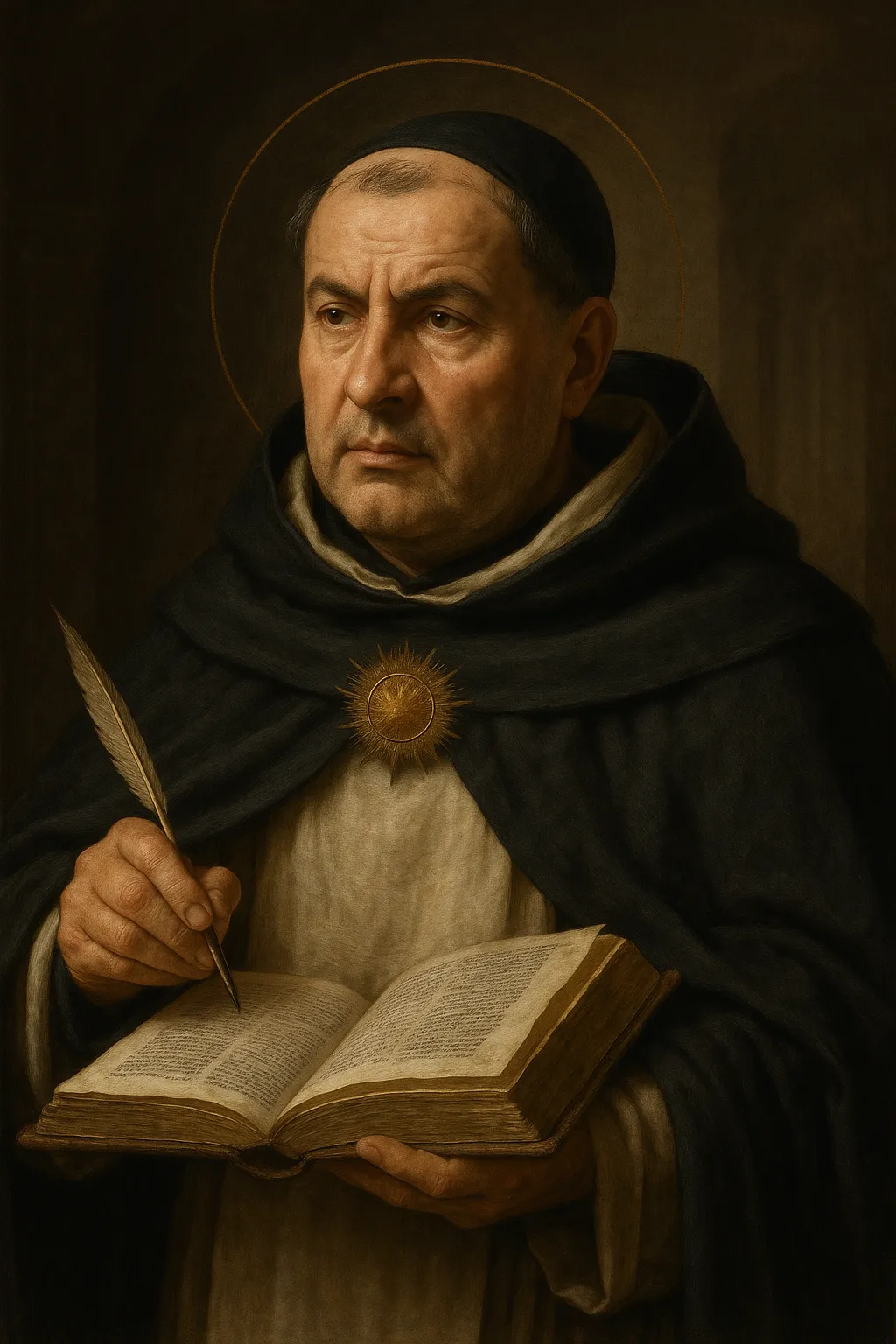
Rome, Bethlehem, and the hard labor of Scripture.
Jerome's geography is a scholar's pilgrimage: Rome gives baptism, service, and controversy; Bethlehem gives long obedience to the Word.
Rome formed Jerome in classical learning and ecclesial service. Under Pope Damasus, his gifts were turned toward the biblical text and the needs of the Latin Church.
Bethlehem gave him a quieter but not softer life. Near the place of the Nativity, Jerome studied, translated, wrote letters, and carried on the work that would outlast him.
The result is not a romantic scholar-saint. It is a converted intelligence made useful to the Church.
Photo credits
- Basilica of Aquileia. Carsten Steger, CC BY-SA 4.0, via Wikimedia Commons. Source. CC BY-SA 4.0.
- The Grotto of Saint Jerome, Church of the Nativity. Bahnfrend / Wikimedia Commons (CC BY-SA 4.0). Source. CC BY-SA 4.0.
- Basilica of Santa Maria Maggiore. Martin Falbisoner / Wikimedia Commons (CC BY-SA 3.0). Source. CC BY-SA 3.0.