
St. Jude Thaddeus
Before he became the saint of desperate causes, Jude was one of the Twelve: called by Christ, sent with the Gospel, and remembered in the prayer of the Church.
Keep yourselves in the love of God; wait for the mercy of our Lord Jesus Christ unto eternal life.
Letter of Jude 21 Traditional
The Apostle who asks Christ the honest question and becomes a companion in causes that seem lost
The New Testament names Jude among the Twelve, distinguishing him from Judas Iscariot. Luke calls him “Judas of James”; Matthew and Mark preserve the name Thaddaeus in the apostolic lists. At the Last Supper, Jude asks Jesus why he will reveal himself to the disciples and not to the world. Christ answers by speaking of love, obedience, and the indwelling of the Father and the Son.
That brief question in John’s Gospel is Jude’s clearest personal moment. He does not receive a strategy for worldly display. He receives the mystery of God making a dwelling with those who love Christ and keep his word. This makes Jude a fitting patron of hope: Christian hope begins in communion with God, not in control of outcomes.
The short Letter of Jude presents itself as written by “Jude, a servant of Jesus Christ and brother of James.” Ancient tradition commonly identifies the author with the Apostle, though modern scholarship does not treat that identification as certain. The letter urges believers to contend for the faith while showing mercy, and ends in praise of the God who can keep them from falling.
Later traditions place Jude’s mission in regions east of the Roman Empire and join his martyrdom to Simon the Zealot. The details vary and cannot be narrated as documentary biography. The Roman Church has long venerated relics attributed to Simon and Jude together in Saint Peter’s Basilica, beneath the altar of Saint Joseph in the left transept.
Devotion to Jude as patron of desperate causes expanded strongly in the modern period. It does not promise a magical solution. Jude leads the desperate person back to apostolic faith: pray, persevere, receive mercy, and entrust the impossible to God.
Jude’s witness is small in documentary footprint and immense in pastoral reach. He teaches that desperate prayer is not abandoned prayer, and that hope remains theological even when circumstances do not immediately change.
A life, in years and approximate ages.
-
c. 30AdultCalled among the TwelveJude is named among the Apostles chosen and sent by Jesus.
-
c. 30AdultQuestions Jesus at the Last SupperJude asks how Christ will reveal himself to the disciples and not to the world.
-
c. 30AdultWitnesses the apostolic beginningWith the apostolic community, Jude belongs to the Church sent after the Resurrection and Pentecost.
-
1st centuryAdultMission beyond JudeaLater traditions send Jude eastward; the exact geography and sequence cannot be established.
-
1st centuryUnknownMartyrdom traditionTradition joins Jude’s martyrdom to Simon, while accounts disagree on place and manner.
-
medieval and laterAfter deathRelics venerated in Saint Peter’sRelics attributed to Simon and Jude are venerated beneath an altar in Saint Peter’s Basilica.
Dates are approximate where the surviving record is traditional or incomplete.
One place where this witness remains visible.
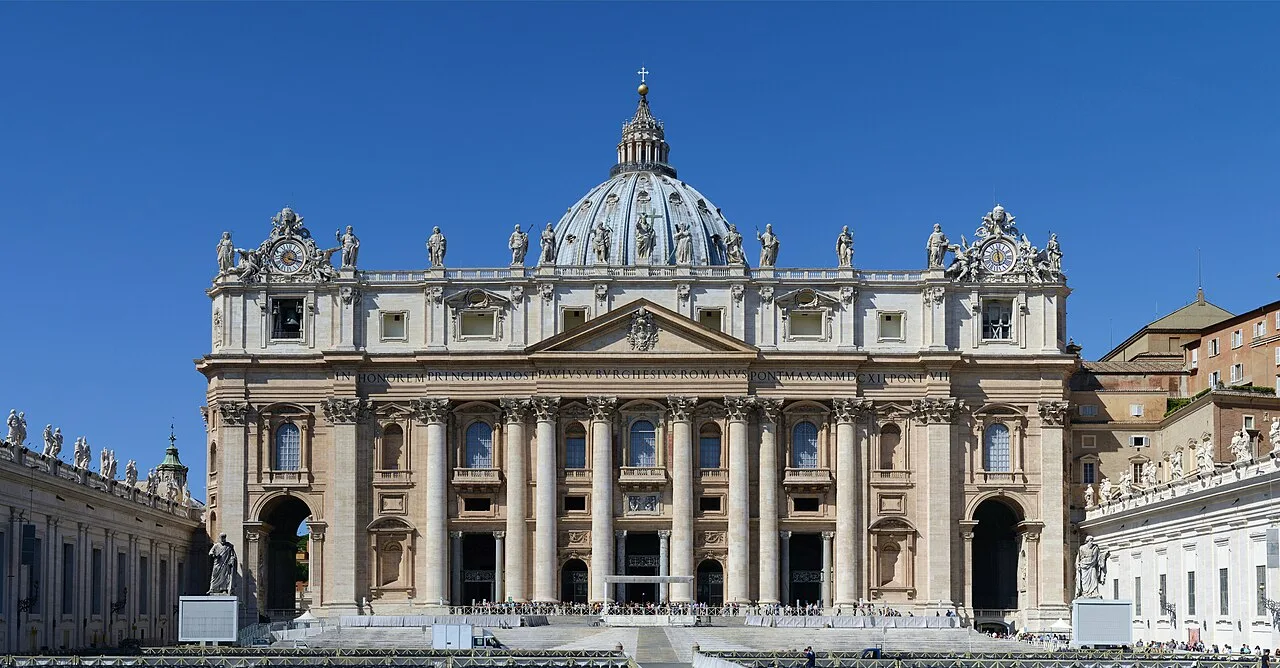
St. Peter’s Basilica
Find the altar of Saint Joseph in the left transept and pray within the wider apostolic witness of the basilica.
Where the body is venerated.
A principal relic site is named, with other fragments or reliquaries noted separately.
Traditional relic site
Relics traditionally attributed to Saints Simon and Jude are kept together beneath the altar in the left transept.
- Relics traditionally attributed to Saints Simon and Jude
Bring the cause that feels impossible, but ask first for the grace to remain in the love of God.
Kindred witnesses

Where this leads next.
Photo credits
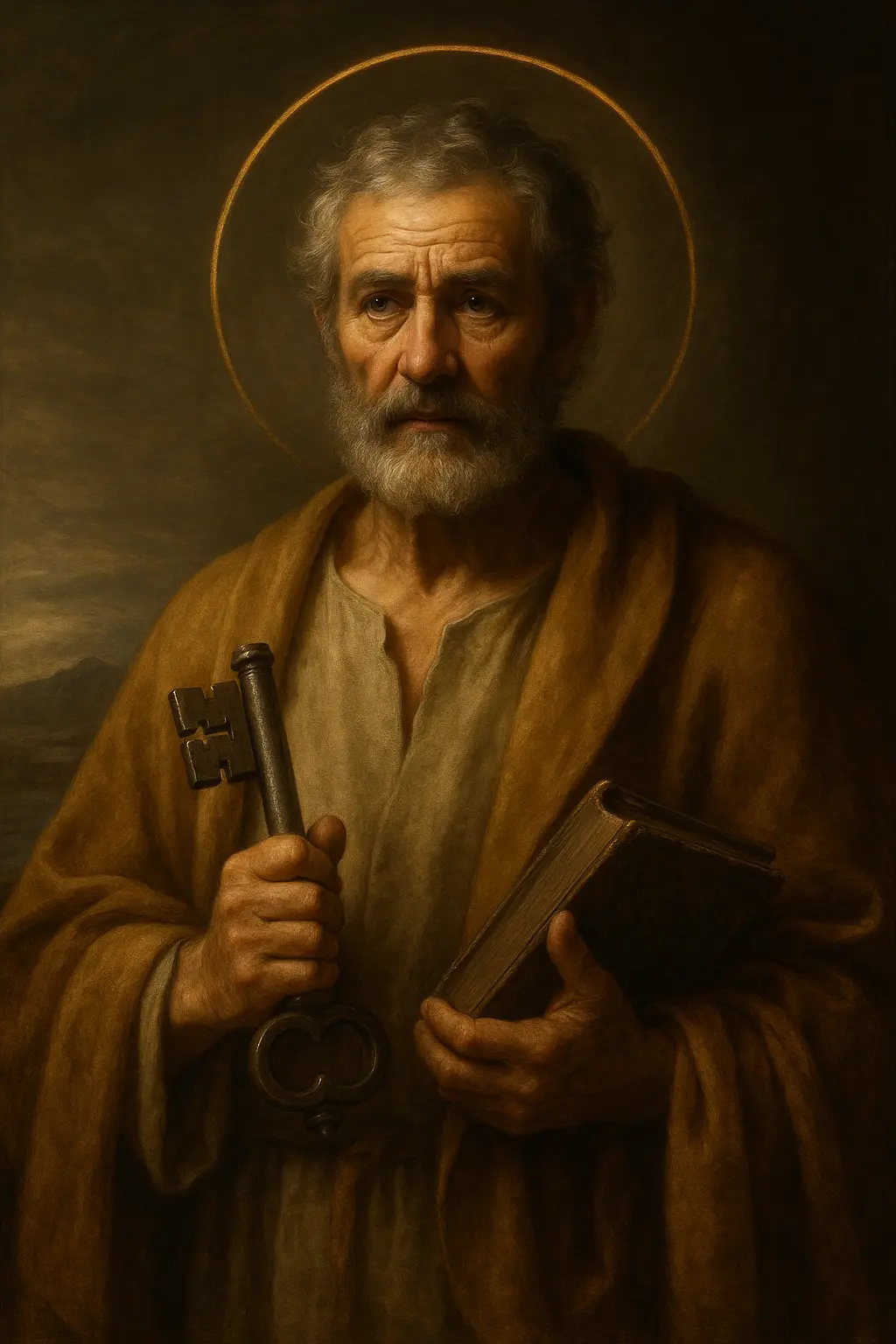
- Saint page. Eternal Roam devotional rendering. Source. Eternal Roam commissioned generation.
- St. Peter’s Basilica. Alvesgaspar / Wikimedia Commons (CC BY-SA 4.0). Source. CC BY-SA 4.0.