
St. Teresa
of Calcutta
She crossed from the shelter of the convent school into the streets of Calcutta, carrying no program greater than the command to love Christ in one person at a time.
The words of Christ in Matthew 25—receiving service to the least as service offered to him—stood at the center of Mother Teresa’s vocation and the Missionaries of Charity.
Matthew 25:40 and the Holy See biography for her 2003 beatification Well-attested
The woman who met Christ in the distressing disguise of the poorest and stayed when love became costly
Agnes Gonxha Bojaxhiu was born in Skopje in 1910, entered the Sisters of Loreto, and came to India as a young religious. As Sister Mary Teresa she taught for years in Calcutta. On a train to Darjeeling on 10 September 1946, she experienced what she later called a “call within a call”: a summons to leave the convent school and serve Christ among the poorest of the poor.
After ecclesial discernment and permission, she left Loreto in 1948, received basic medical training, and began in the slums. In 1950 the Archdiocese of Calcutta recognized the Missionaries of Charity. Their white sari with blue border became familiar, but the work remained concrete: homes for the dying, children, people with leprosy, and those abandoned by family or society.
The public honors came later, including the 1979 Nobel Peace Prize. Teresa used attention to insist on the dignity of unwanted human life, but fame could not replace the hidden work. Her language was deliberately small: one person, one wound, one act of love.
Published private writings revealed that much of her mature life unfolded amid an acute interior darkness. This does not negate her faith; it prevents her charity from being reduced to temperament or spiritual consolation. She continued to pray and serve when God felt absent.
Teresa died at the Mother House in Kolkata on 5 September 1997. Her tomb remains there. She was beatified in 2003 and canonized by Pope Francis in 2016. Serious remembrance also hears criticisms of institutions associated with her name and avoids pretending that heroic charity removes the need for sound medical standards or accountable care.
Teresa’s enduring challenge is not that everyone must imitate her exact work. It is that no Christian may treat an inconvenient person as disposable, and no darkness excuses us from the next faithful act of love.
A life, in years and approximate ages.
-
c. 1910BirthBorn in SkopjeAgnes Gonxha Bojaxhiu is born into an Albanian Catholic family.
-
c. 192818Leaves for religious lifeShe joins the Sisters of Loreto and begins formation before traveling to India.
-
c. 193726Makes final vowsSister Teresa makes perpetual profession and continues teaching in Calcutta.
-
c. 194636Receives the call within a callOn a train to Darjeeling, she experiences a summons to serve Christ among the poorest.
-
c. 195040Missionaries of Charity establishedThe new congregation receives diocesan recognition in Calcutta.
-
c. 197969Receives Nobel Peace PrizeShe accepts the prize as a platform for the dignity of the poor and unwanted.
-
c. 199787Dies at the Mother HouseTeresa dies in Kolkata and is later buried at the congregation’s Mother House.
-
2016After deathCanonizedPope Francis canonizes Teresa of Calcutta.
Dates are approximate where the surviving record is traditional or incomplete.
One place where this witness remains visible.
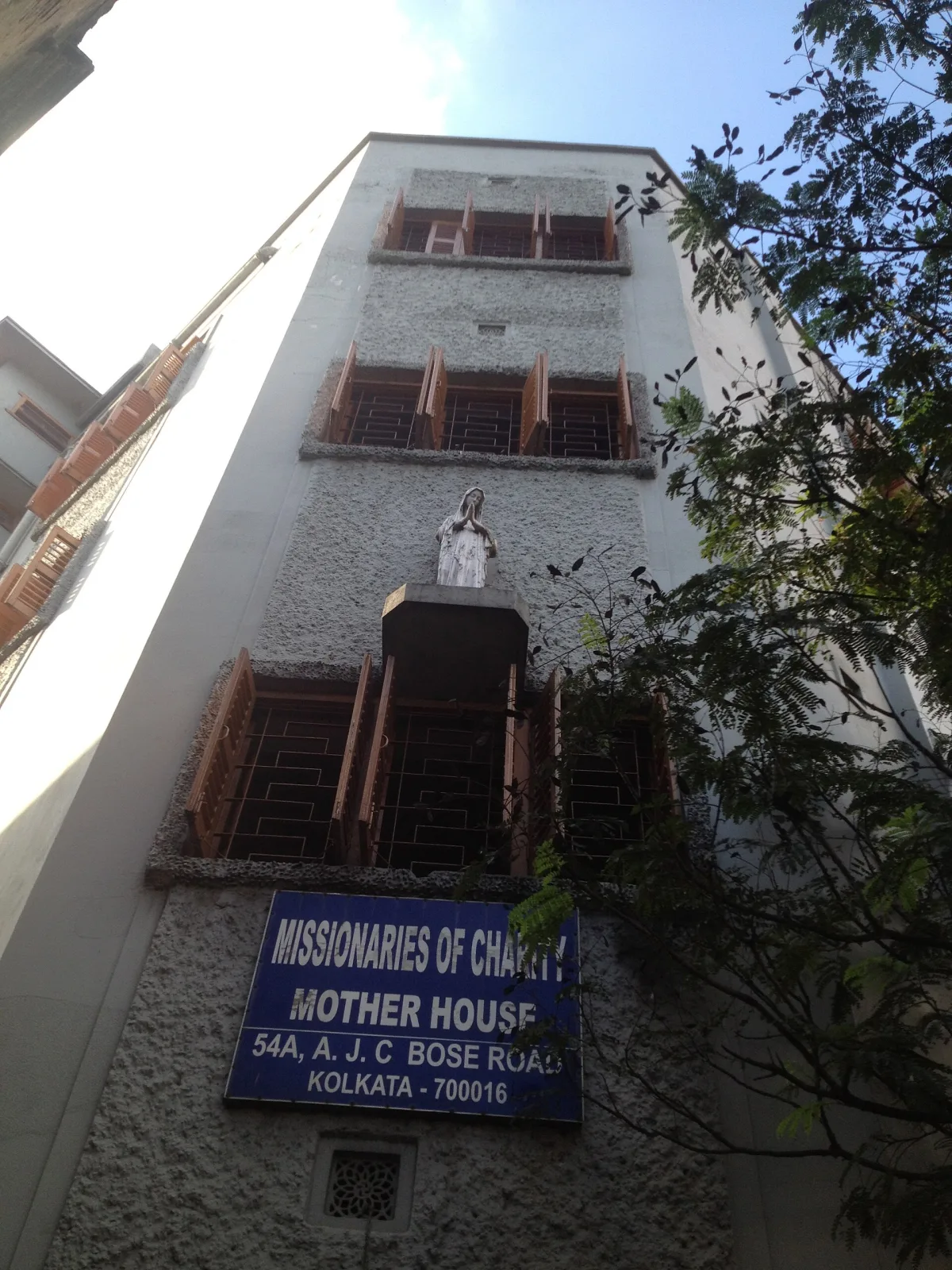
Missionaries of Charity Mother House
Pray at the tomb and receive the house as the center of a living congregation rather than a museum.
Where the body is venerated.
The saint is publicly venerated at a named tomb.
Tomb and motherhouse
Her tomb and preserved room are within the congregation’s working Mother House.
- Tomb of Saint Teresa of Calcutta
Follow current community guidance, dress and speak quietly, and let the sisters’ life of prayer set the meaning of the visit.
Kindred witnesses
-
Saint Francis of Assisi
Like Francis, she embraced evangelical poverty as a way of recognizing Christ in those cast aside. -
Saint Vincent de Paul
A predecessor in organized Catholic charity whose love became practical service. -
Saint Thérèse of Lisieux
She took the name Teresa after Thérèse and shared the conviction that small acts offered with love can become a complete vocation.
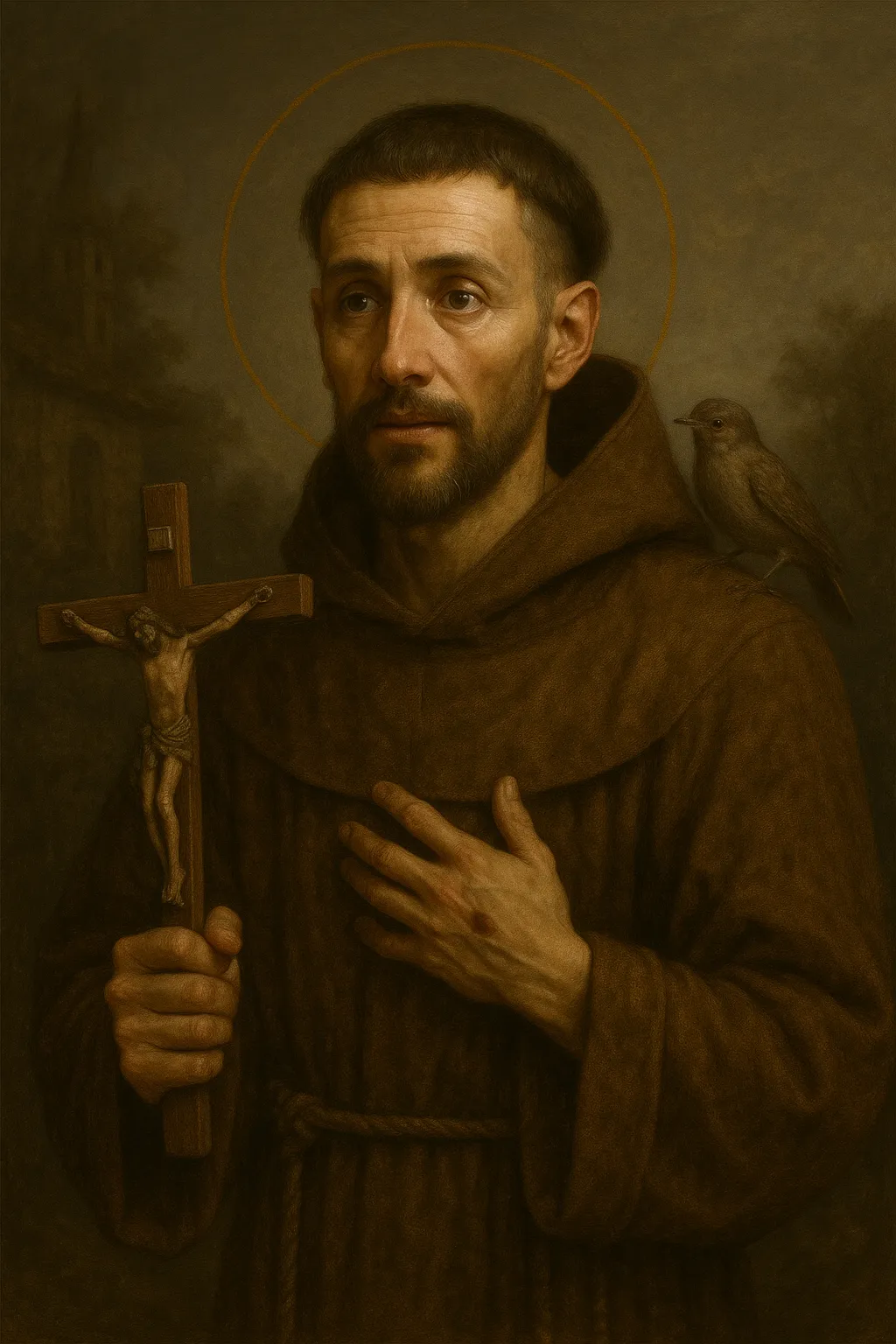
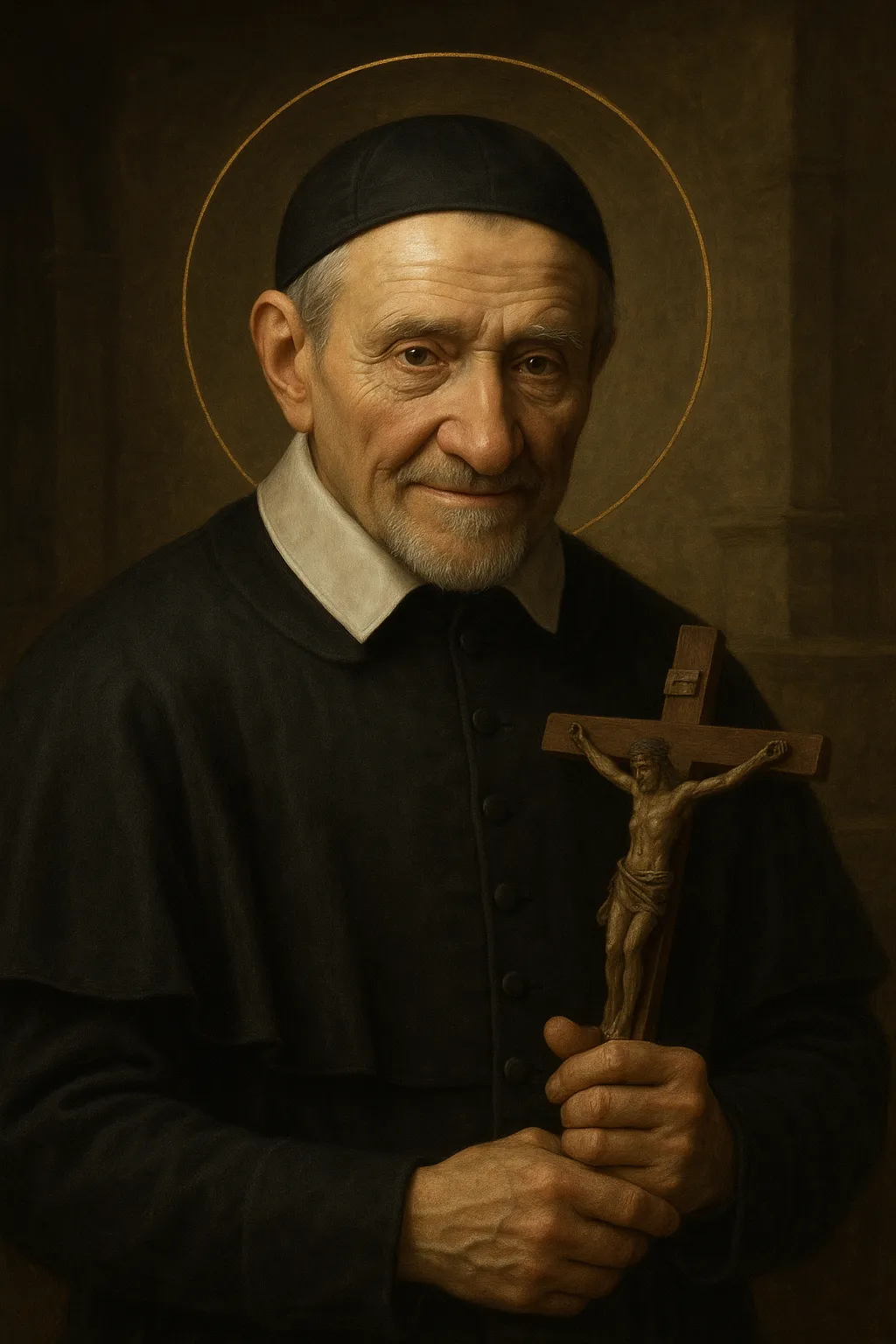
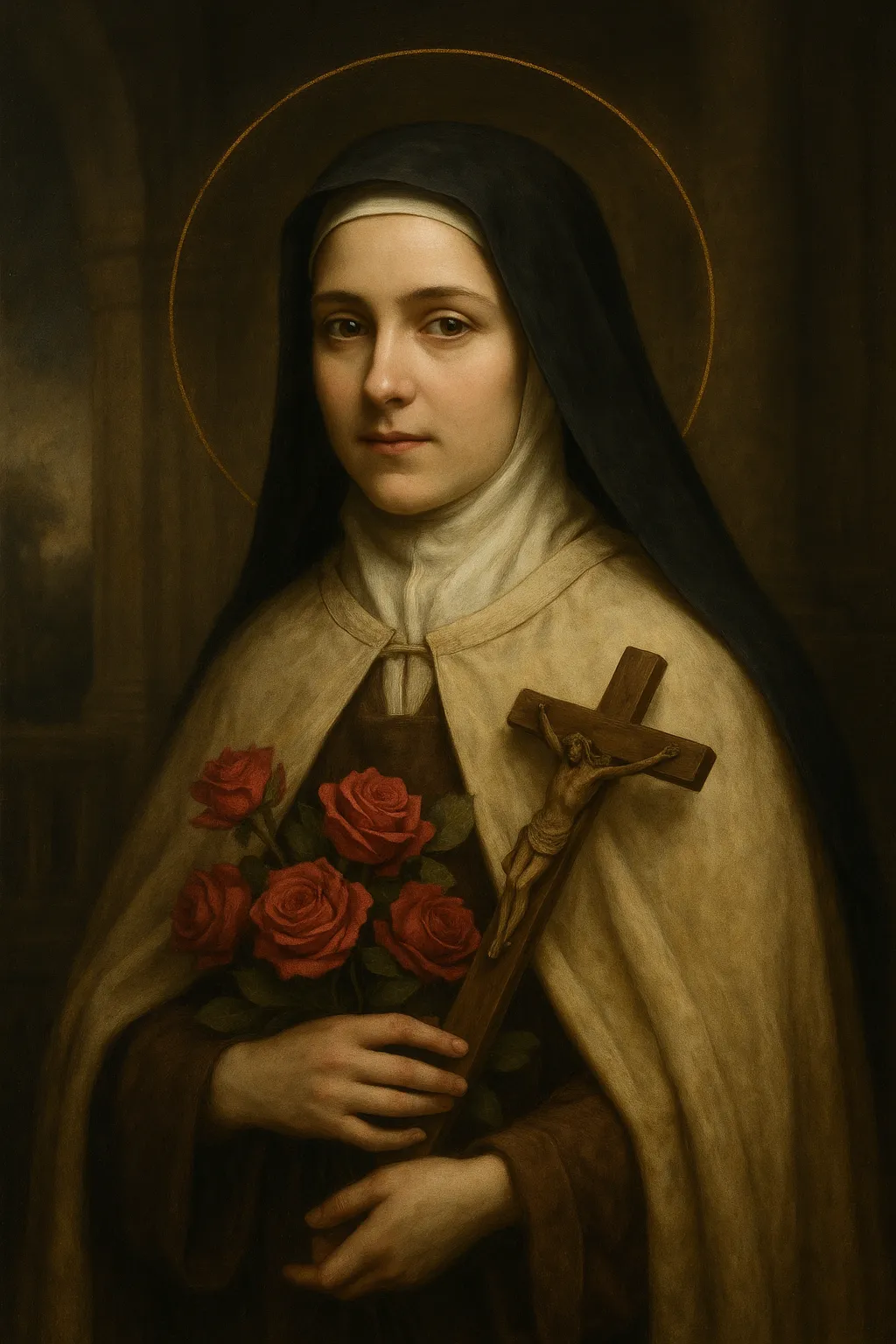
Photo credits
- Saint page. Eternal Roam devotional rendering. Source. Eternal Roam original.
- Missionaries of Charity Mother House. flowcomm / Wikimedia Commons (CC BY 2.0). Source. CC BY 2.0.