
St. Turibius of Mogrovejo
A jurist made bishop whose long visitations, councils, and demand for ministry in Indigenous languages reshaped the Church in colonial Peru.
The Life and Witness of Turibius of Mogrovejo.
Turibius of Mogrovejo gave the Lima saint network a pastoral and institutional dimension no other figure can supply. As the second archbishop of Lima, he crossed an immense diocese, confronted clerical disorder, organized the Third Council of Lima, and insisted that the Gospel be taught in languages people understood.
Born in Spain in 1538, Toribio Alfonso de Mogrovejo trained in law and served as a professor and inquisitorial judge before King Philip II nominated him to the archbishopric of Lima. He was still a layman when the nomination began; ordination and episcopal consecration followed before he sailed for Peru.
He reached Lima in 1581 and quickly discovered that governing from the capital would not be enough. His pastoral visitations carried him over mountains and across distances that made the archdiocese almost continental in scale. He sought reform among clergy, established parishes and institutions, and defended the need to preach and catechize in Indigenous languages.
The Third Council of Lima of 1582–1583 gave lasting form to that work, including a catechism in Spanish, Quechua, and Aymara. Turibius remained a churchman of the colonial order and had earlier served the Spanish Inquisition; a serious page should hold that context beside his documented pastoral labor rather than turning him into a simple modern reformer.
He died in 1606 during a visitation at Saña. His relics are venerated in Lima Cathedral, the mother church of the see he governed. From there a pilgrim can walk toward Rose, Martin, and John Macías and see how episcopal leadership, Dominican holiness, and the religious life of the city met in one generation.
Turibius is patron of the Latin American episcopate. In Lima, his principal pilgrimage meaning is concrete: his relics rest in the cathedral, and his ministry forms the ecclesial setting in which Rose of Lima, Martin de Porres, and John Macías lived.
A life, in years and approximate ages.
-
c. 1538BirthBorn in MayorgaToribio Alfonso de Mogrovejo is born on November 16 in the Crown of Castile.
-
c. 157940–41Named archbishop of LimaThe trained jurist and inquisitorial judge is nominated to the see of Lima and prepares for ordination and episcopal consecration.
-
c. 158142Takes possession of the seeTuribius reaches Lima and begins the work of reform and pastoral visitation.
-
c. 158243–44Presides over the Third Council of LimaThe council gives lasting pastoral form to the Church in South America and supports catechesis in Spanish, Quechua, and Aymara.
-
c. 159152–53Founds the Lima seminaryHe establishes a seminary to form clergy for the archdiocese.
-
c. 160667Dies during visitationTuribius dies on March 23 at Saña while away from Lima on pastoral work.
-
1726After deathCanonizedPope Benedict XIII canonizes Turibius of Mogrovejo.
Dates are approximate where the surviving record is traditional or incomplete.
2 places where this witness remains visible.
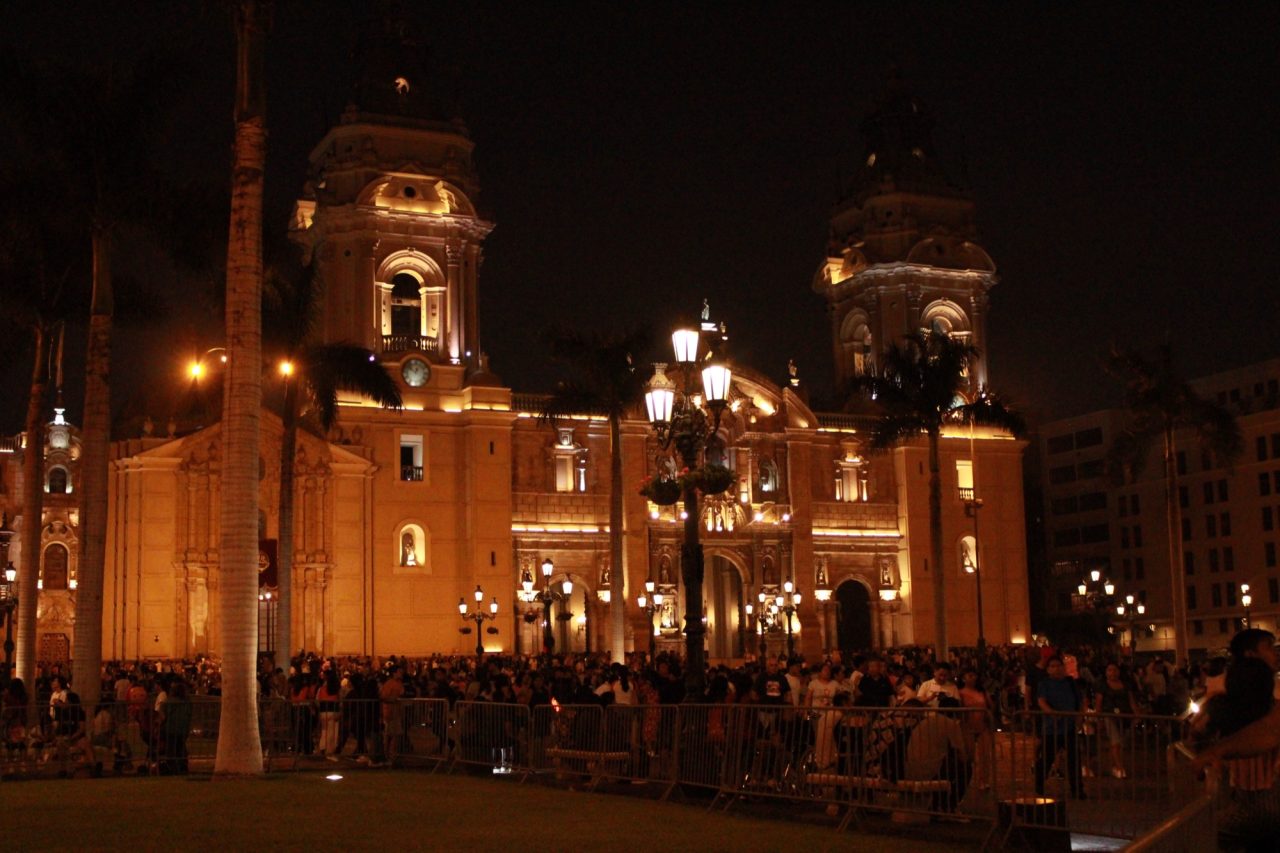
Lima Cathedral
Pray before Turibius’s relics and read the cathedral as the centre from which he governed and departed on visitation.
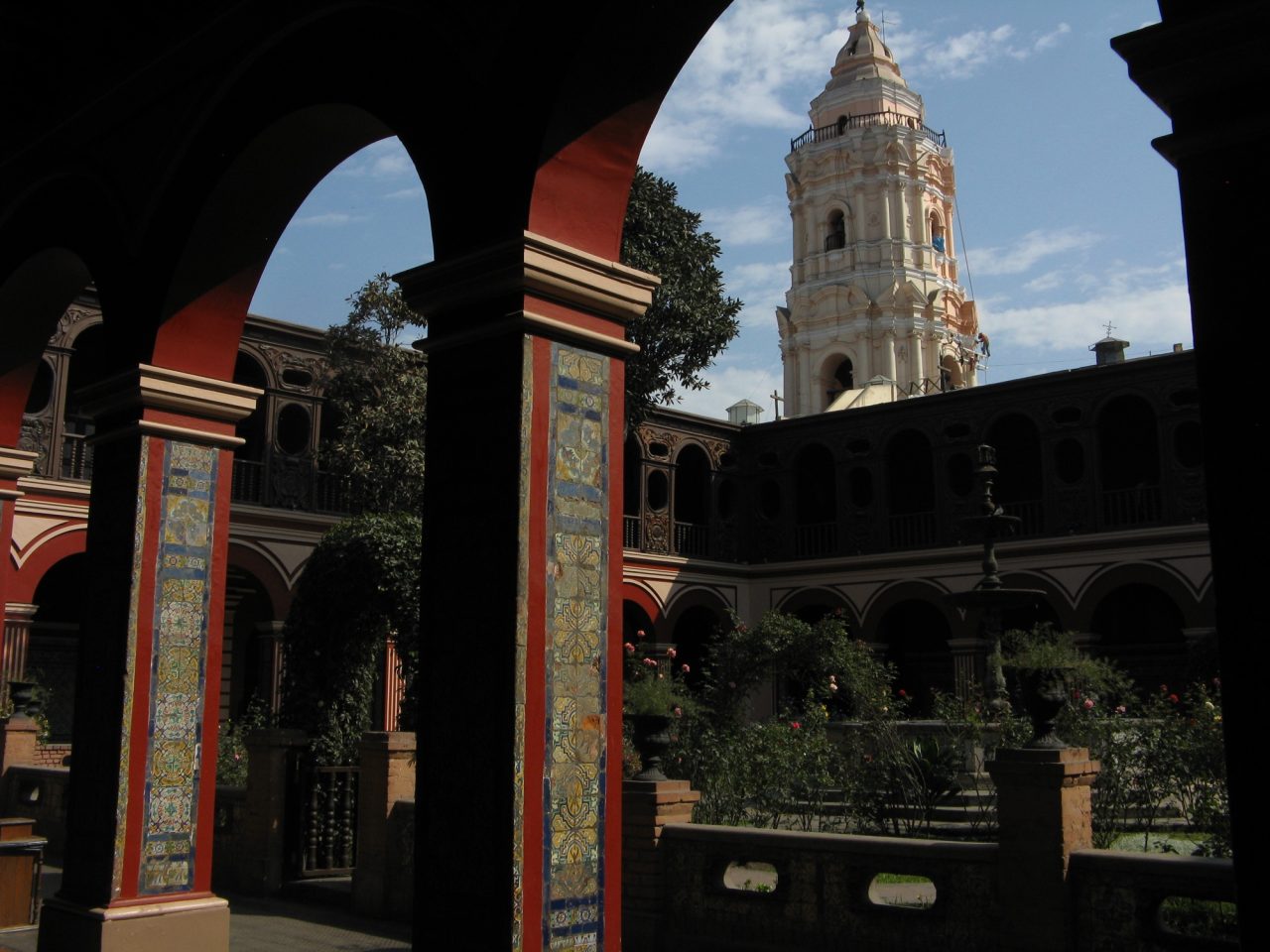
Basilica and Convent of Santo Domingo
Continue to Rose, Martin, and John Macías, keeping their distinct vocations within the same Catholic city.
Turibius’s Lima · 2 stops.
Begin with the archbishop at his cathedral, then walk to the Dominican saints whose lives unfolded within the Church of Lima.
-
01 Principal relic site
Lima Cathedral
Plaza Mayor, LimaPray before Turibius’s relics and read the cathedral as the centre from which he governed and departed on visitation.
-
02 Later devotional association
Basilica and Convent of Santo Domingo
Historic centre, LimaContinue to Rose, Martin, and John Macías, keeping their distinct vocations within the same Catholic city.
Both principal stops are already joined in the existing two-day Lima guide.
Continue with Lima · Two Days in Catholic Lima
Read the bishop through his see and his roads.
Begin at the cathedral, then carry his pastoral horizon into the wider city.
The cathedral explains his responsibility: worship, teaching, governance, and the reform of a vast colonial archdiocese.
His defense of pastoral care in Indigenous languages belongs inside a Church and empire marked by coercion, hierarchy, and contested power.
Continue from the cathedral to Santo Domingo and Rose’s sanctuary to see how his episcopate touched the city’s holy lives.
Where the body is venerated.
The relics of Saint Turibius are venerated in Lima Cathedral. His death occurred at Saña during a visitation; the cathedral is the principal public place where pilgrims encounter his memory and remains.
A principal relic site is named, with other fragments or reliquaries noted separately.
Lima Cathedral
The cathedral of his see keeps his relics and gives his episcopal ministry a public, visitable centre.
- Relics of Saint Turibius of Mogrovejo
Confirm access around Mass and museum hours, and approach the relic chapel as part of a living cathedral.
Saints Connected to Turibius of Mogrovejo
-
Saint Rose of Lima
Turibius confirmed Rose and governed the Church of Lima during her youth. -
Saint Martin de Porres
Martin’s Dominican service unfolded in Lima during the closing years of Turibius’s episcopate. -
Saint John Macías
John arrived after Turibius’s death, but entered the ecclesial city and Dominican network his episcopate helped order.
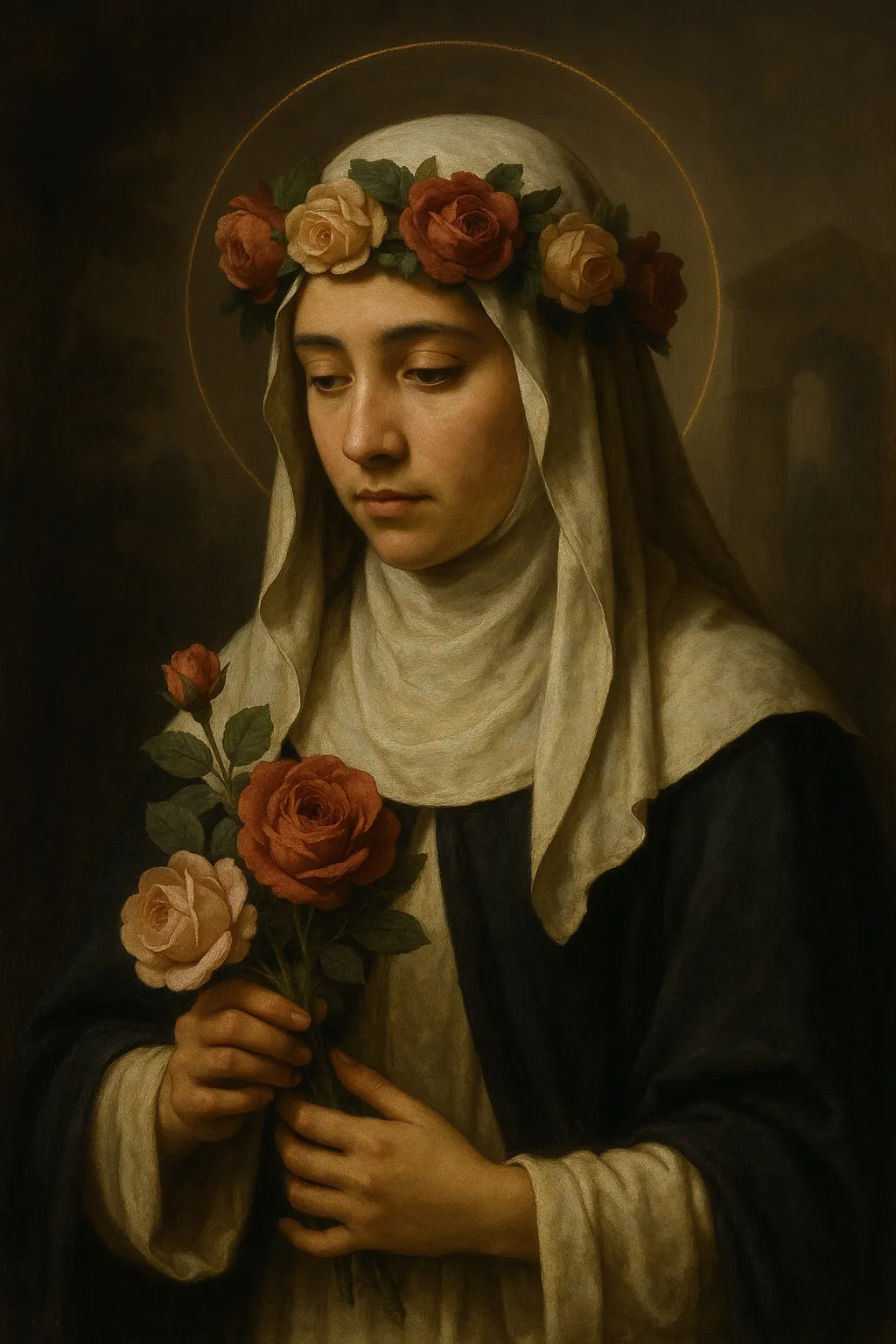
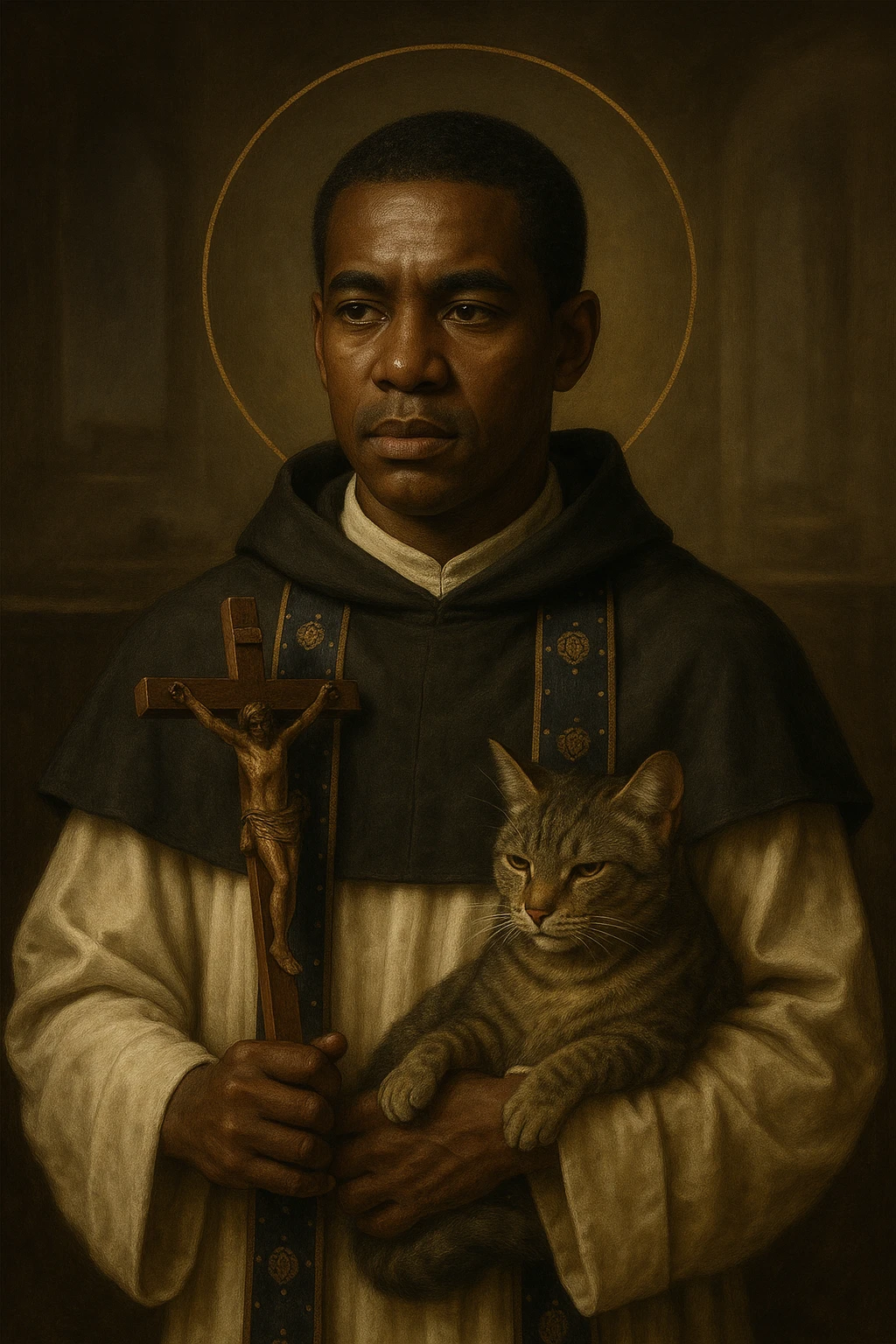
Photo credits
- Lima Cathedral. Bhonyx07 / Wikimedia Commons (CC BY-SA 4.0). Source. CC BY-SA 4.0.
- Basilica and Convent of Santo Domingo. Schönitzer / Wikimedia Commons (CC BY-SA 4.0). Source. CC BY-SA 4.0.