
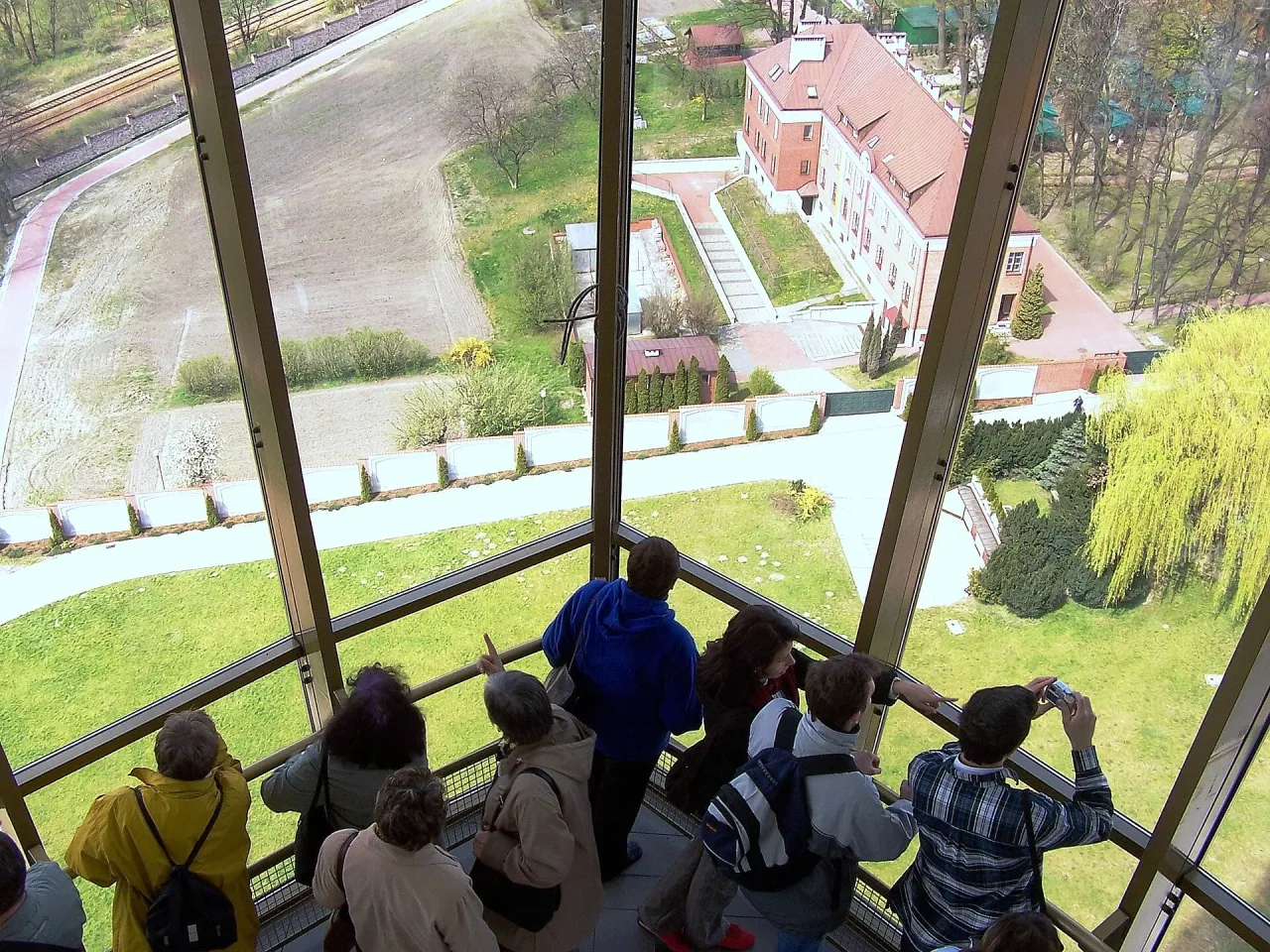
Divine Mercy Sanctuary, Kraków-Łagiewniki
A Catholic pilgrimage to the tomb of Saint Faustina and the shrine where Divine Mercy is prayed through the Eucharist, Confession, Easter faith, and works of mercy.
- Location
- Kraków, Poland 50.0200° N · 19.9375° E
- Type
- International Catholic shrine, minor basilica, convent chapel, and saint tomb Historic convent chapel and modern basilica complex
- Dedication
- Divine Mercy
- Time Needed
- 1 hour to half a day
Begin in the chapel, not with the crowds
Łagiewniki is where Faustina's hidden religious life, illness, death, and burial become tangible. Pilgrims come to entrust sin and suffering to Christ's mercy, but the place continually returns that trust to the sacraments and to mercy toward other people.
A hidden convent becomes an international shrine
Faustina lived and died in the convent of the Sisters of Our Lady of Mercy. After her death in 1938, devotion spread, underwent serious ecclesial scrutiny, and was later approved. Her beatification, canonization, and the establishment of Divine Mercy Sunday drew the world to Łagiewniki. The modern basilica answers that scale; the convent chapel preserves the human center.
The sanctuary joins two very different spaces. The historic convent chapel is intimate and devotional. The modern basilica is broad, light-filled, and built for international liturgy. Their contrast can serve the pilgrimage if the chapel is not treated as a prelude to the larger building.
The original convent chapel is the spiritual center of the visit
Private revelation is presented within Church discernment and the Easter Gospel
The modern basilica serves international pilgrim crowds without replacing the smaller chapel
Divine Mercy is not a promise that suffering will disappear or that private revelation adds a new Gospel. It is confidence in the crucified and risen Christ, received through the Church's prayer, sacraments, and works of mercy.
What to notice.
-
The convent chapel and tomb
Begin here. It is the place most closely joined to Faustina's actual religious life and death.
-
The Divine Mercy image
Read the inscription as a call to trust Christ and practice mercy, not as a talisman.
-
The modern basilica
Let its scale reveal the worldwide reception of the devotion without losing the chapel's hiddenness.
- The difference between the historic convent chapel and the modern international basilica
- How the shrine keeps prayer, Confession, Eucharist, and mercy together
- The explicit boundary between private revelation and the deposit of faith
How much time, and what to do with it.
-
Convent chapel, tomb, and modern basilica.
-
Add liturgy or Confession and the nearby Saint John Paul II Centre.
Entering as a pilgrim, not a tourist.
Use the official sanctuary and congregation sites for current Mass, Confession, Hour of Mercy, language, and access information. Major feast periods change the scale and movement of the entire complex.
- Daily Mass and the sacraments according to current shrine schedules
- Prayer at the Hour of Mercy
- Divine Mercy Sunday pilgrimage liturgies
Use the shrine's current schedule.
Masses, Confession, language provision, pilgrim services, and major-feast access change. Verify them at the official source.
What pilgrims come to venerate here.
Tomb and Burial
- Saint Faustina Kowalska in the convent chapel
Relics and Sacred Tradition
- The tomb and bodily relics of Saint Faustina under the custody of her congregation
Sacred Objects
- The Divine Mercy image venerated in the convent chapel
- The tomb of Saint Faustina
- The historic convent spaces associated with her final years
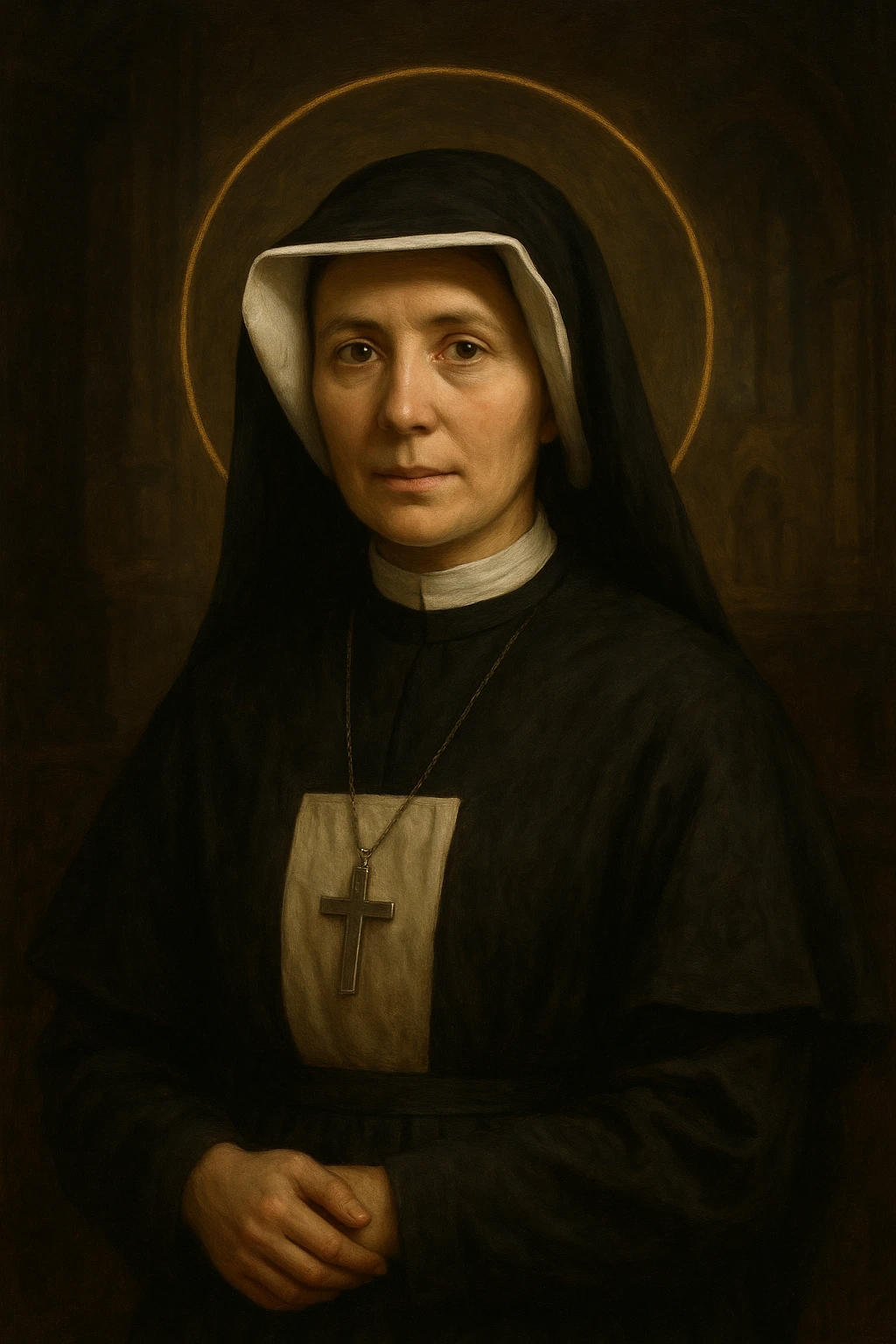
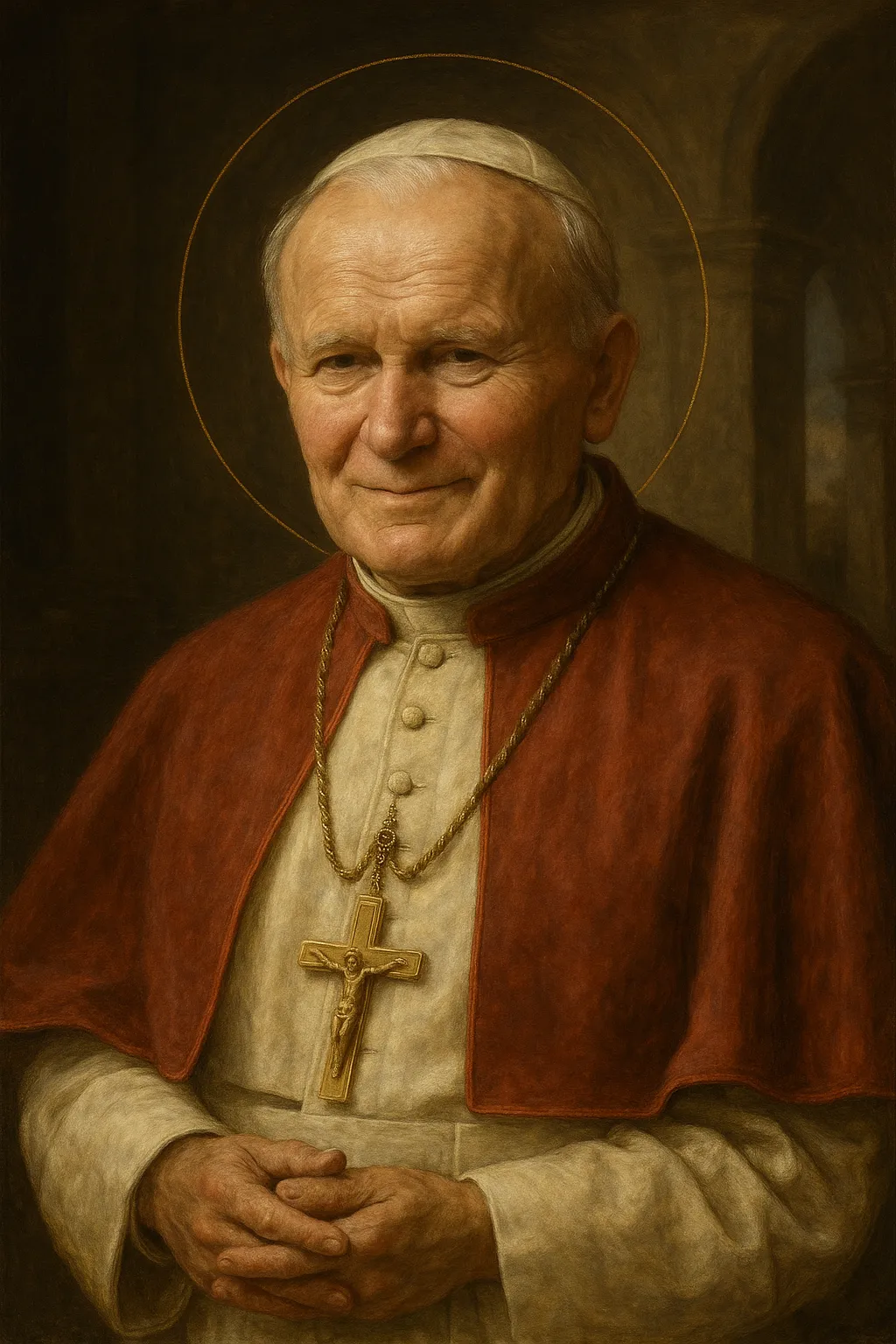
How this place gathers the saints.
Within walking distance.
-
Catholic shrine and museum
Saint John Paul II Centre
A natural continuation for the Kraków story of Faustina's cause, canonization, and Divine Mercy Sunday.
-
Cathedral
Wawel Cathedral
The cathedral of Kraków gives the wider ecclesial and national setting in which Karol Wojtyła served as archbishop.
Plan around this place.
Faustina's Diary is treated as a record of reported private revelation, not an addition to public revelation. Current schedules are delegated to the official sanctuary. The tomb claim is documented by the custodian congregation.
August 1, 2026
Photo credits
- Hero. Lowdown / Wikimedia Commons (CC BY-SA 3.0). Source. CC BY-SA 3.0.