
St. John Paul II
A son of Wadowice, formed under occupation and persecution, who crossed the world telling frightened hearts to open the doors to Christ.
Do not be afraid. Open wide the doors for Christ.
Homily at the inauguration of his pontificate, 22 October 1978 Documented
The Polish pope who carried the courage of Christ across borders and into the wounds of the modern world
Karol Józef Wojtyła was born in Wadowice in 1920. He lost his mother, brother, and father while still a young man; survived the Nazi occupation while laboring in a quarry and chemical plant; entered a clandestine seminary; and became a priest, bishop, cardinal, and in 1978 the first Polish pope. His long pontificate joined fearless public witness to an intensely personal school of prayer.
The public scale of John Paul II can hide the losses beneath it. The boy who served Mass in Wadowice entered adulthood with his immediate family gone. Under German occupation he worked at the Solvay plant and studied secretly for the priesthood under Archbishop Adam Stefan Sapieha. The experience did not make suffering sacred in itself; it taught him that every person bears a dignity no regime may erase.
As priest and bishop in Kraków, Wojtyła accompanied young people, studied the human person, defended religious freedom under communism, and took part in the Second Vatican Council. Elected pope on 16 October 1978, he opened his ministry with the summons not to be afraid and to open the doors to Christ.
He became a pilgrim pope, visiting local Churches on every inhabited continent. His teaching ranged from the dignity of human work and family life to mercy, freedom, suffering, and the vocation to holiness. After the assassination attempt of 13 May 1981, he forgave his attacker. His bond with Fátima was personal and ecclesial: he attributed his survival to Our Lady’s maternal protection and later placed the bullet in the crown of the image.
His final years made frailty visible. Parkinson’s disease narrowed his speech and movement, yet he remained before the Church rather than hiding decline. He died on 2 April 2005. Beatified in 2011 and canonized in 2014, his body now rests beneath the altar in the Chapel of Saint Sebastian in Saint Peter’s Basilica—not in the Vatican Grottoes, where he was first buried.
John Paul II’s legacy is not a slogan or a crowd count. It is the Christian claim that freedom finds its truth in love, that mercy is stronger than sin, and that no human life is expendable.
A life, in years and approximate ages.
-
c. 1920BirthBorn in WadowiceKarol Józef Wojtyła is born and baptized in the parish church of Wadowice.
-
c. 194222Enters the clandestine seminaryWhile working under occupation, he begins secret formation for the priesthood in Kraków.
-
c. 194626Ordained a priestArchbishop Adam Stefan Sapieha ordains him in Kraków.
-
c. 197858Elected popeThe conclave elects Cardinal Wojtyła as Bishop of Rome; he takes the name John Paul II.
-
c. 198160Survives an assassination attemptShot in Saint Peter’s Square, he survives surgery and later forgives the gunman.
-
c. 200079Canonizes FaustinaHe canonizes Saint Faustina Kowalska and proclaims Divine Mercy Sunday for the universal Church.
-
c. 200584Dies in the Apostolic PalaceAfter a long public illness, John Paul II dies on the vigil of Divine Mercy Sunday.
-
2014After deathCanonizedPope Francis canonizes John Paul II in Saint Peter’s Square.
Dates are approximate where the surviving record is traditional or incomplete.
2 places where this witness remains visible.
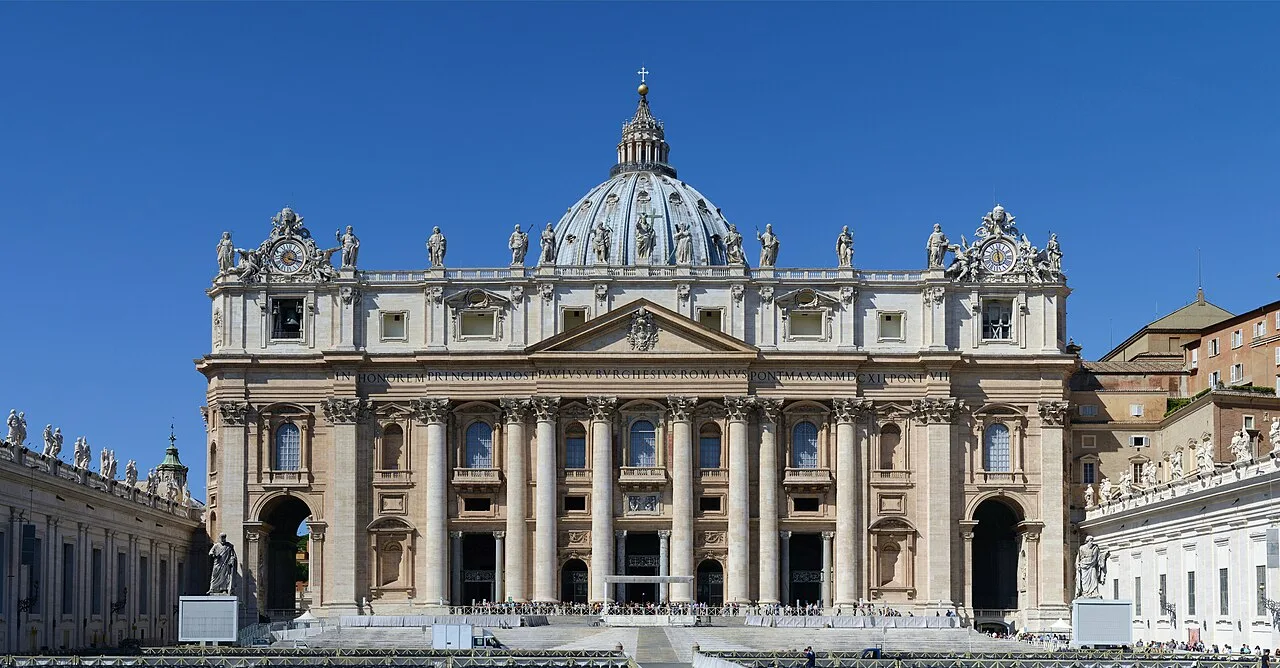
St. Peter’s Basilica
Pray at the Chapel of Saint Sebastian, then continue toward Peter’s tomb beneath the high altar.
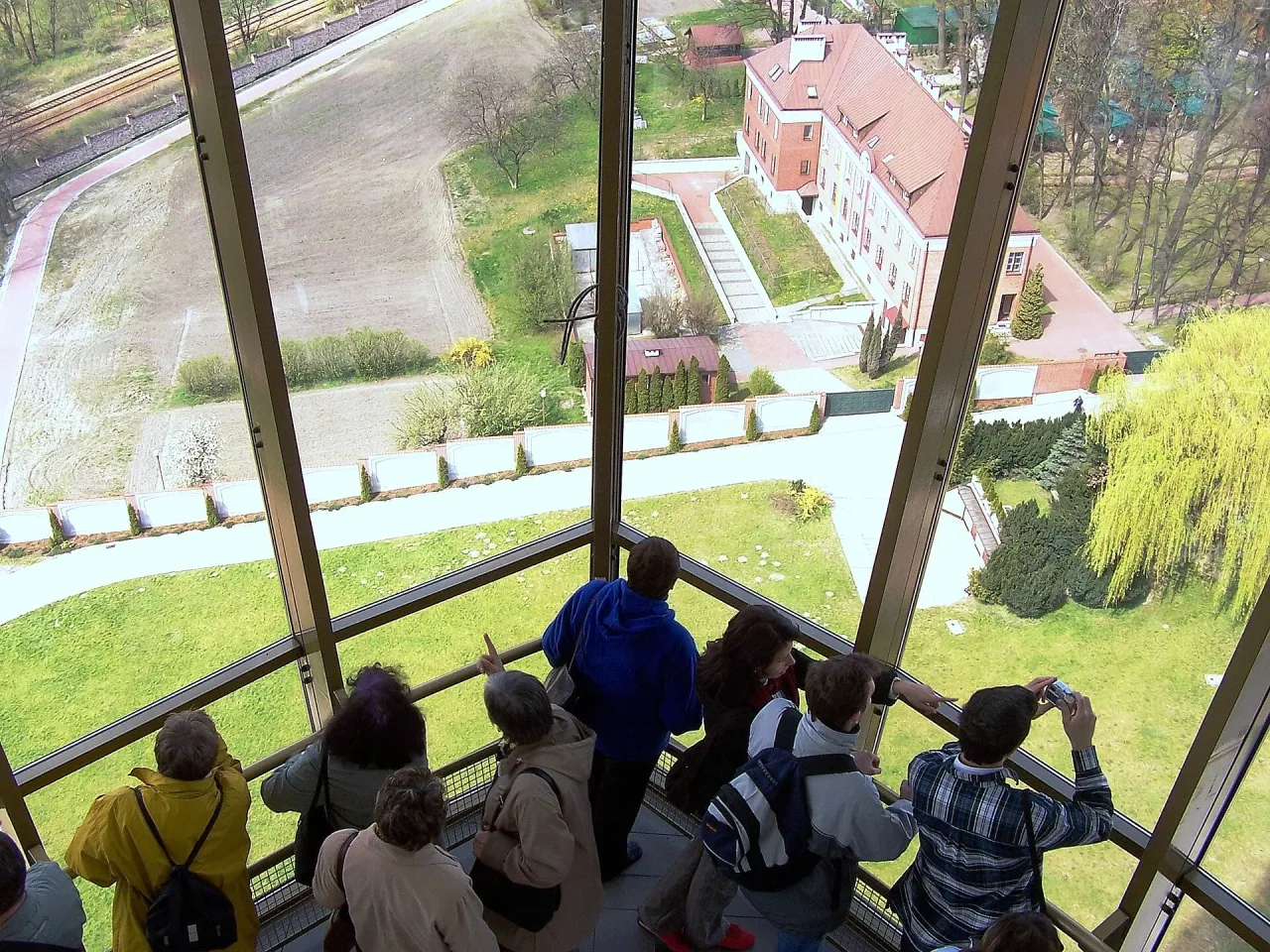
Divine Mercy Sanctuary, Kraków
Read his ministry beside Faustina’s witness and the message of Divine Mercy.
Where the body is venerated.
The saint is publicly venerated at a named tomb.
Tomb and place of veneration
His body rests beneath the chapel altar inside Saint Peter’s Basilica.
- Body of Saint John Paul II beneath the altar
Come for prayer rather than a photograph; the chapel remains part of the basilica’s living liturgical space.
Kindred witnesses
-
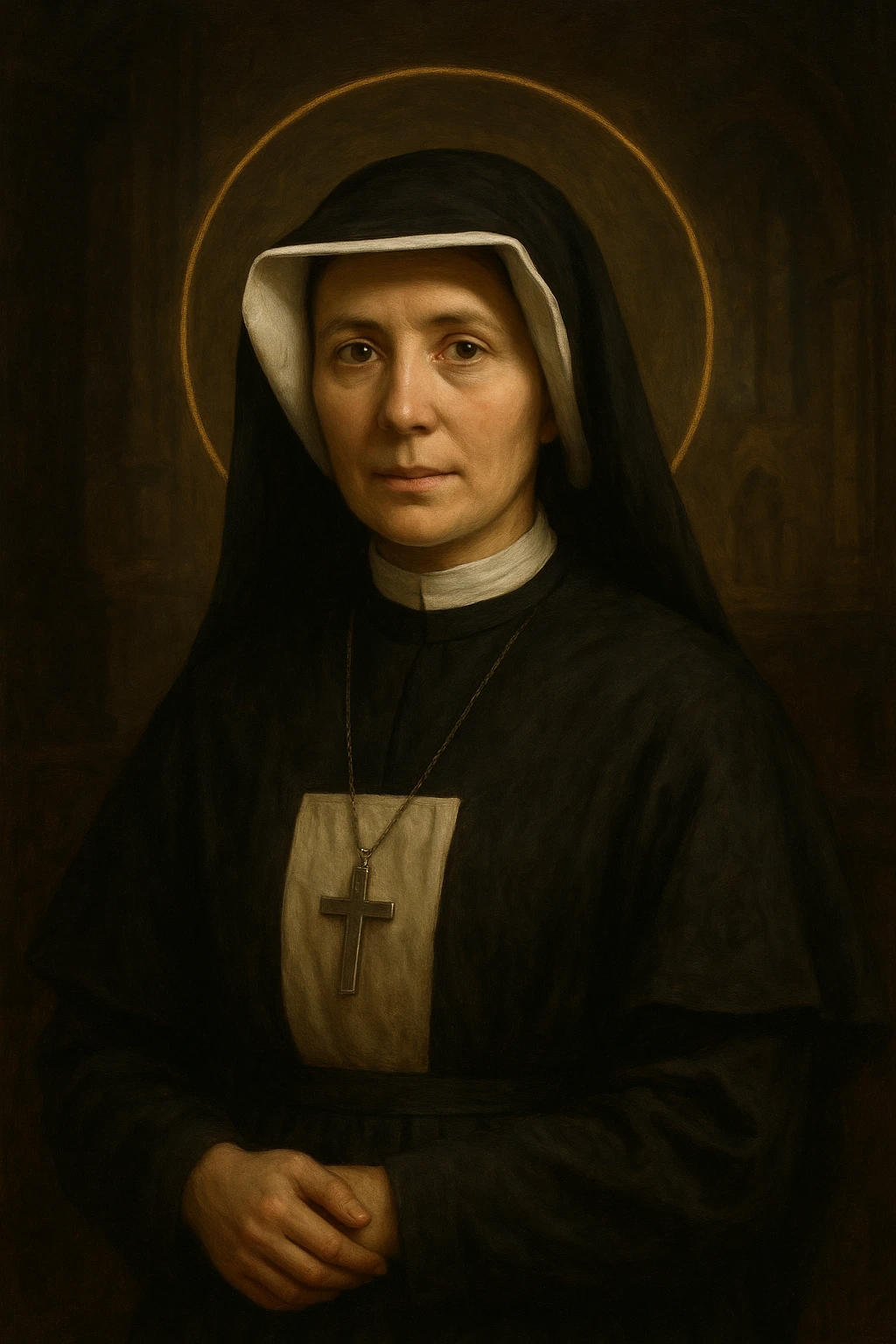
Saint Faustina Kowalska
He advanced her cause in Kraków, canonized her, and established Divine Mercy Sunday for the universal Church. -
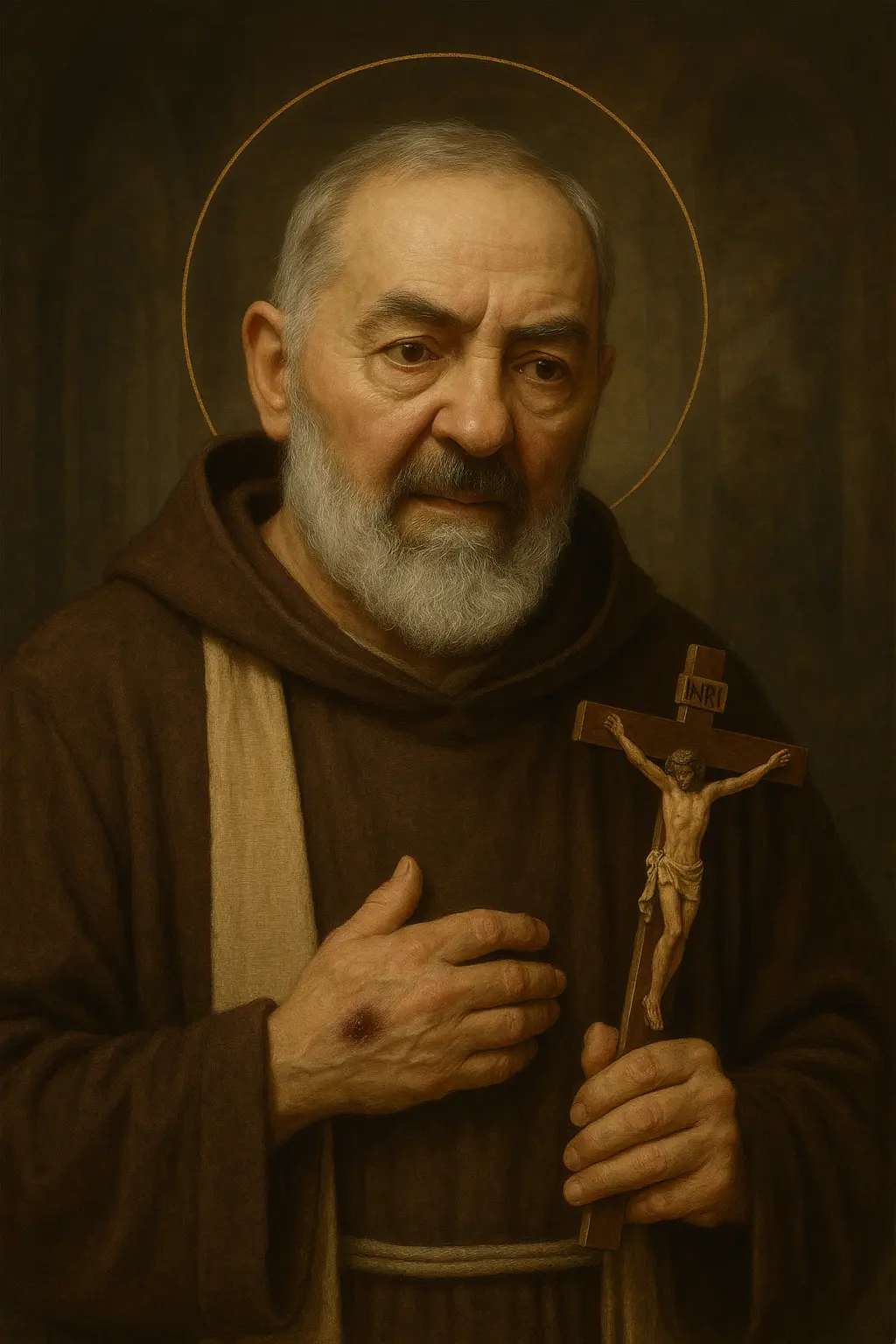
Saint Padre Pio of Pietrelcina
He visited Padre Pio as a young priest and later beatified and canonized him. -
Saint Juan Diego
He canonized Juan Diego at Guadalupe in 2002 and carried a deep Marian devotion to the Americas.
Where this leads next.
Photo credits
- Saint page. Eternal Roam devotional rendering. Source. Eternal Roam original.
- St. Peter’s Basilica. Alvesgaspar / Wikimedia Commons (CC BY-SA 4.0). Source. CC BY-SA 4.0.
- Divine Mercy Sanctuary, Kraków. Lowdown / Wikimedia Commons (CC BY-SA 3.0). Source. CC BY-SA 3.0.