
St. Faustina Kowalska
She spent her life in kitchens, gardens, and convent doors—and carried from that hiddenness a call to trust the mercy of Christ.
The sentence placed beneath the Divine Mercy image—“Jesus, I trust in You”—is not an escape from suffering. In Faustina’s life it was practiced through illness, obedience, hidden work, confession, and mercy toward others.
The Diary of Saint Maria Faustina Kowalska and the Church’s approved Divine Mercy devotion Well-attested
The Polish sister whose hidden life placed trust in Christ’s mercy before a wounded century
Helena Kowalska was born in 1905 to a poor Catholic family in Głogowiec, Poland. In 1925 she entered the Congregation of the Sisters of Our Lady of Mercy and received the name Sister Maria Faustina. Her Diary records reported private revelations centered on the mercy of Christ, the image inscribed “Jesus, I trust in You,” and prayer for the dying and for sinners. She died at Kraków-Łagiewniki in 1938 and was canonized in 2000.
Faustina’s outward life was deliberately ordinary. With little formal education, she worked as a housekeeper before entering religious life. In the convent she served as cook, gardener, porter, and sacristan. Her sanctity cannot be reduced to visions: obedience, difficult community life, tuberculosis, and quiet service are the human frame in which the Diary must be read.
Beginning in the 1930s, Faustina recorded experiences she understood as encounters with Jesus. Under obedience to her confessors, especially Blessed Michał Sopoćko, she wrote a Diary and helped commission the first image of the Divine Mercy in Vilnius. The message emphasizes trust in God’s mercy and merciful action toward neighbors. Because these are private revelations, Catholics are not required to accept them as part of the deposit of faith; the Church’s approval means the devotion may be embraced as consonant with the Gospel.
After Faustina’s death, the devotion spread rapidly but not without correction. In 1959 the Holy Office prohibited the images and writings in forms then circulating, citing inaccurate translations and insufficient access to the originals. In 1978 the Congregation for the Doctrine of the Faith withdrew that prohibition after examining the original documents and changed circumstances. This history should not be hidden: the Church’s caution and later judgment belong to the devotion’s honest record.
Pope John Paul II beatified Faustina in 1993 and canonized her on 30 April 2000. At the canonization he established the Second Sunday of Easter as Divine Mercy Sunday for the universal Church. Her tomb and the original convent chapel at Łagiewniki now stand within a much larger international shrine, but the most faithful visit begins in the small chapel where she prayed and was buried.
Faustina’s legacy is a disciplined confidence that no misery is greater than God’s mercy. Her Diary belongs inside the Church’s sacramental and doctrinal life, not beside it: the devotion sends the sinner toward confession, the Eucharist, works of mercy, and trust in the Paschal Christ.
A life, in years and approximate ages.
-
c. 1905BirthBorn Helena KowalskaHelena is born at Głogowiec, the third of ten children in a poor Catholic farming family.
-
c. 192519Enters religious lifeHelena enters the Congregation of the Sisters of Our Lady of Mercy in Warsaw and later receives the name Sister Maria Faustina.
-
c. 193125The Divine Mercy image requestedAt Płock, Faustina records a vision of Christ and an instruction to paint an image with the inscription “Jesus, I trust in You.”
-
c. 193428–30Vilnius, the Diary, and the first imageWith the guidance of Father Michał Sopoćko, Faustina writes under obedience and works with artist Eugeniusz Kazimirowski on the first Divine Mercy image.
-
c. 193730–33Final illness at ŁagiewnikiTuberculosis increasingly limits Faustina’s strength. She continues convent work, correspondence, and prayer while receiving medical treatment.
-
c. 193833Death at ŁagiewnikiFaustina dies in the convent at Kraków-Łagiewniki and is buried in the community cemetery.
-
1966After deathHer remains brought into the convent chapelAs the diocesan process for her cause opens under Archbishop Karol Wojtyła, Faustina’s remains are moved from the sisters’ cemetery into the convent chapel at Łagiewniki, where the tomb is venerated today.
-
1978After deathRestriction reviewed and withdrawnThe Holy Office’s 1959 prohibition, issued amid faulty translations and incomplete documentation, is withdrawn by the Congregation for the Doctrine of the Faith in 1978 after study of the originals.
-
1993After deathBeatified in RomePope John Paul II beatifies Faustina in Saint Peter’s Square, fifteen years after the withdrawal of the earlier restriction on the devotion.
-
2000After deathCanonization and Divine Mercy SundayPope John Paul II canonizes Faustina and announces the Second Sunday of Easter as Divine Mercy Sunday throughout the Church.
Dates are approximate where the surviving record is traditional or incomplete.
One place where this witness remains visible.
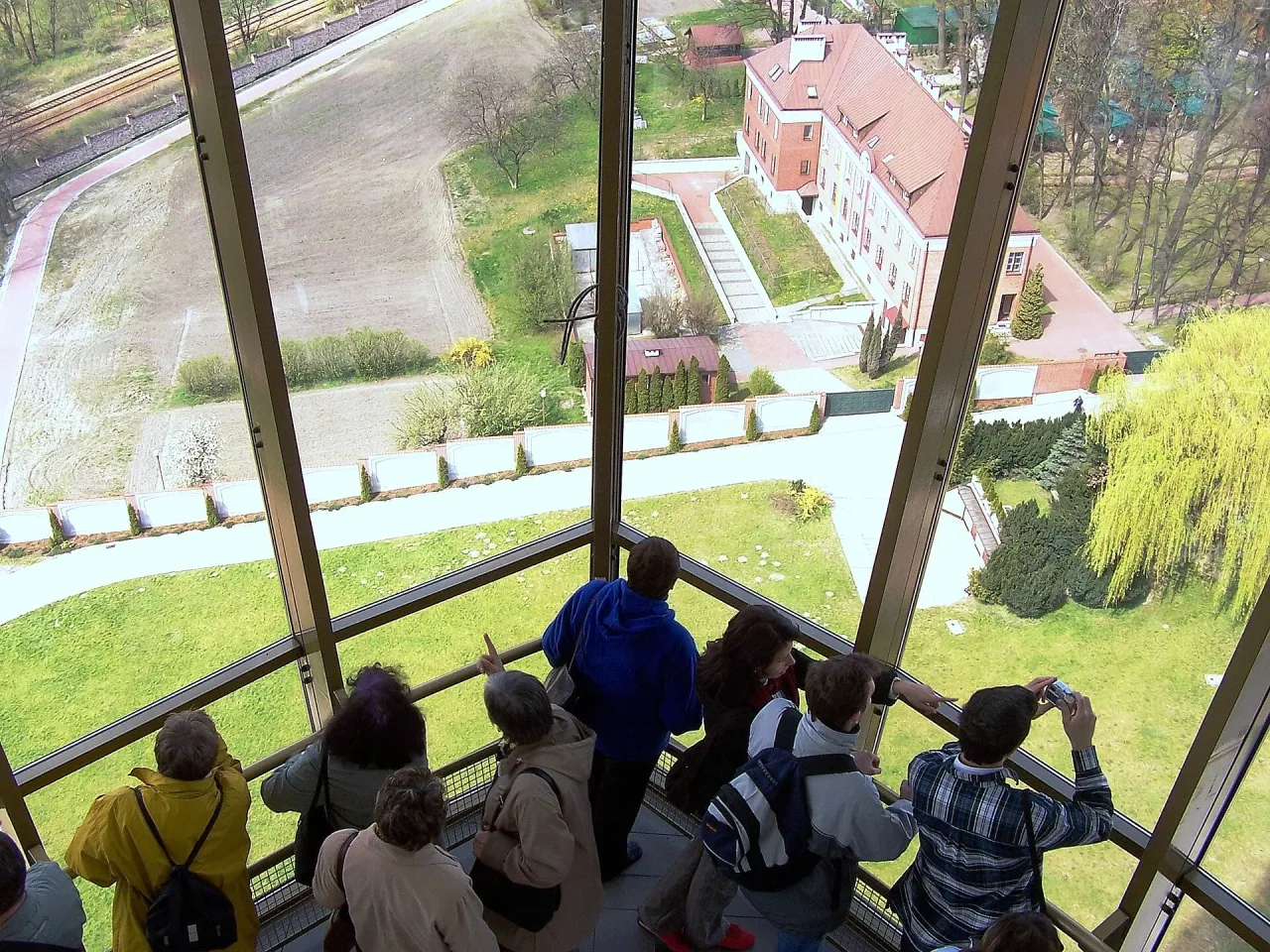
Divine Mercy Sanctuary, Kraków-Łagiewniki
End in the convent chapel at her tomb, then enter the wider sanctuary and the Easter theology of mercy it serves. Płock, Vilnius, and her birthplace remain in the prose geography until complete public records exist.
Where the body is venerated.
The saint is publicly venerated at a named tomb.
Tomb and principal shrine
The original convent chapel holds Faustina’s tomb and remains the spiritual heart of the larger international sanctuary.
- Tomb and bodily relics of Saint Faustina
Begin in the convent chapel before the modern basilica. The scale is smaller, the silence closer, and the connection to her actual religious life more immediate.
Kindred witnesses
-
Saint John Paul II
As Archbishop of Kraków he advanced the investigation of her writings; as Pope he beatified and canonized her and established Divine Mercy Sunday. -
Saint Catherine Labouré
Another religious sister whose reported private revelations gave the Church an image and devotion, under ecclesial discernment. -
Saint Thérèse of Lisieux
A modern Carmelite witness to confident trust in merciful love, close in spiritual emphasis though different in vocation and expression.
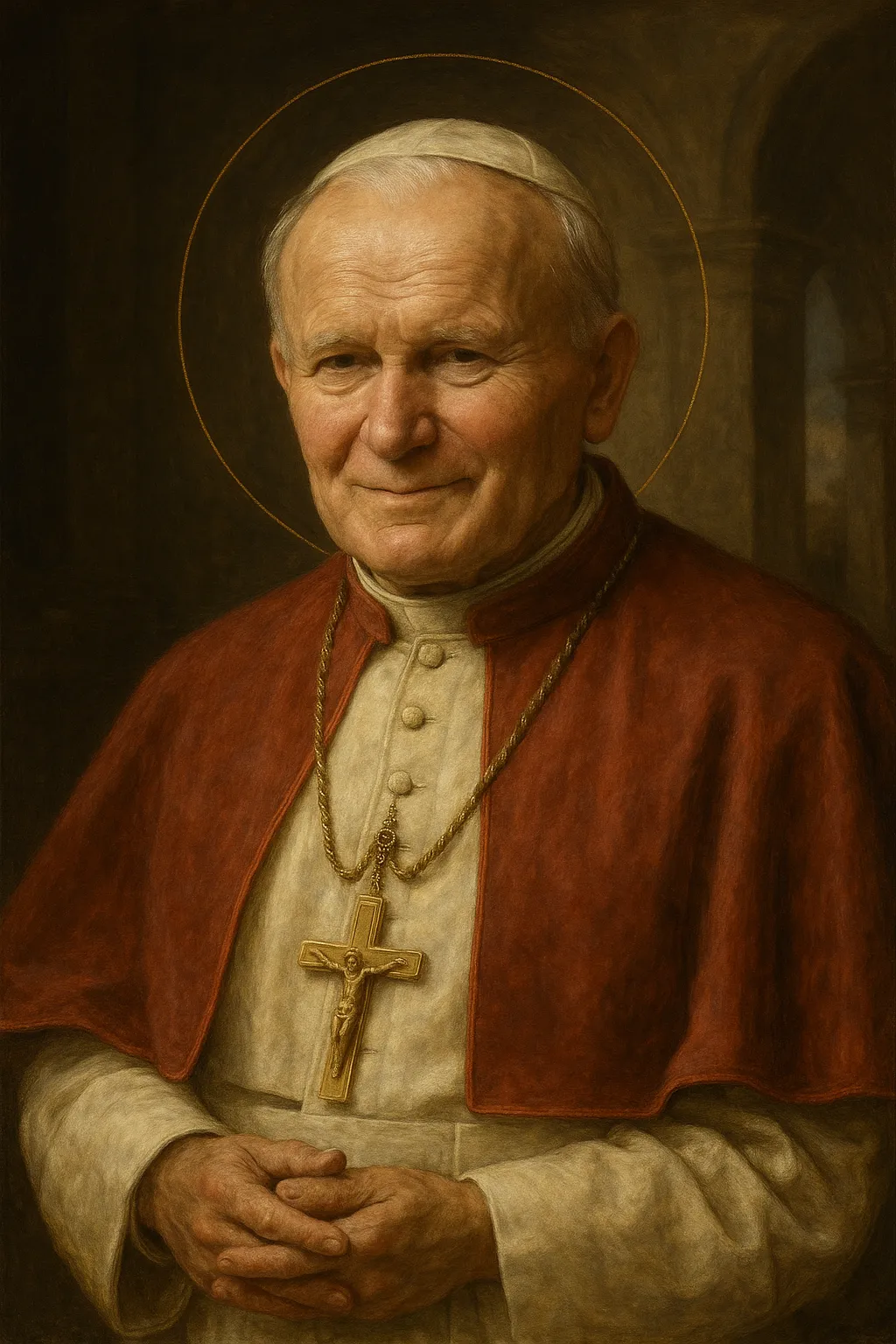
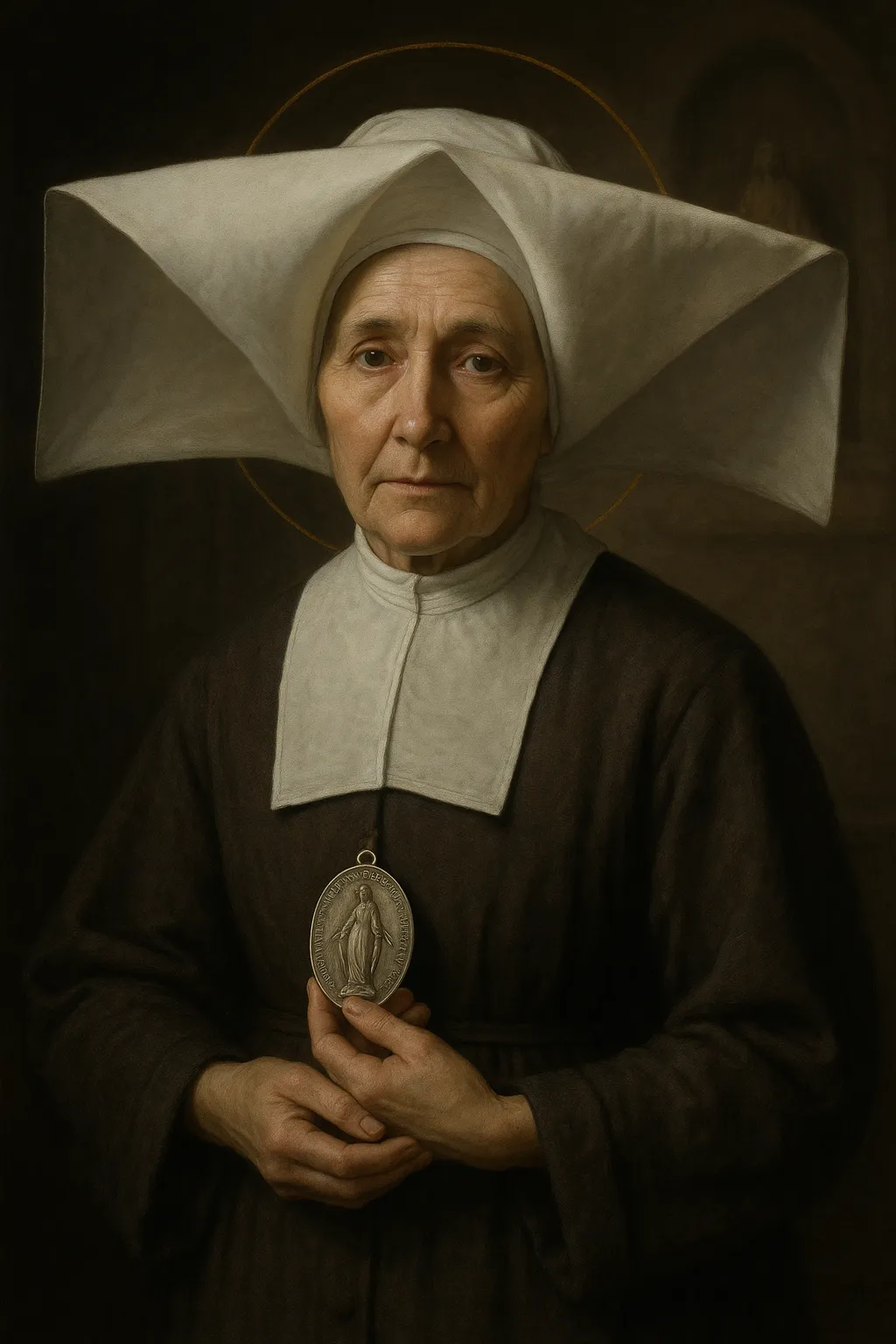
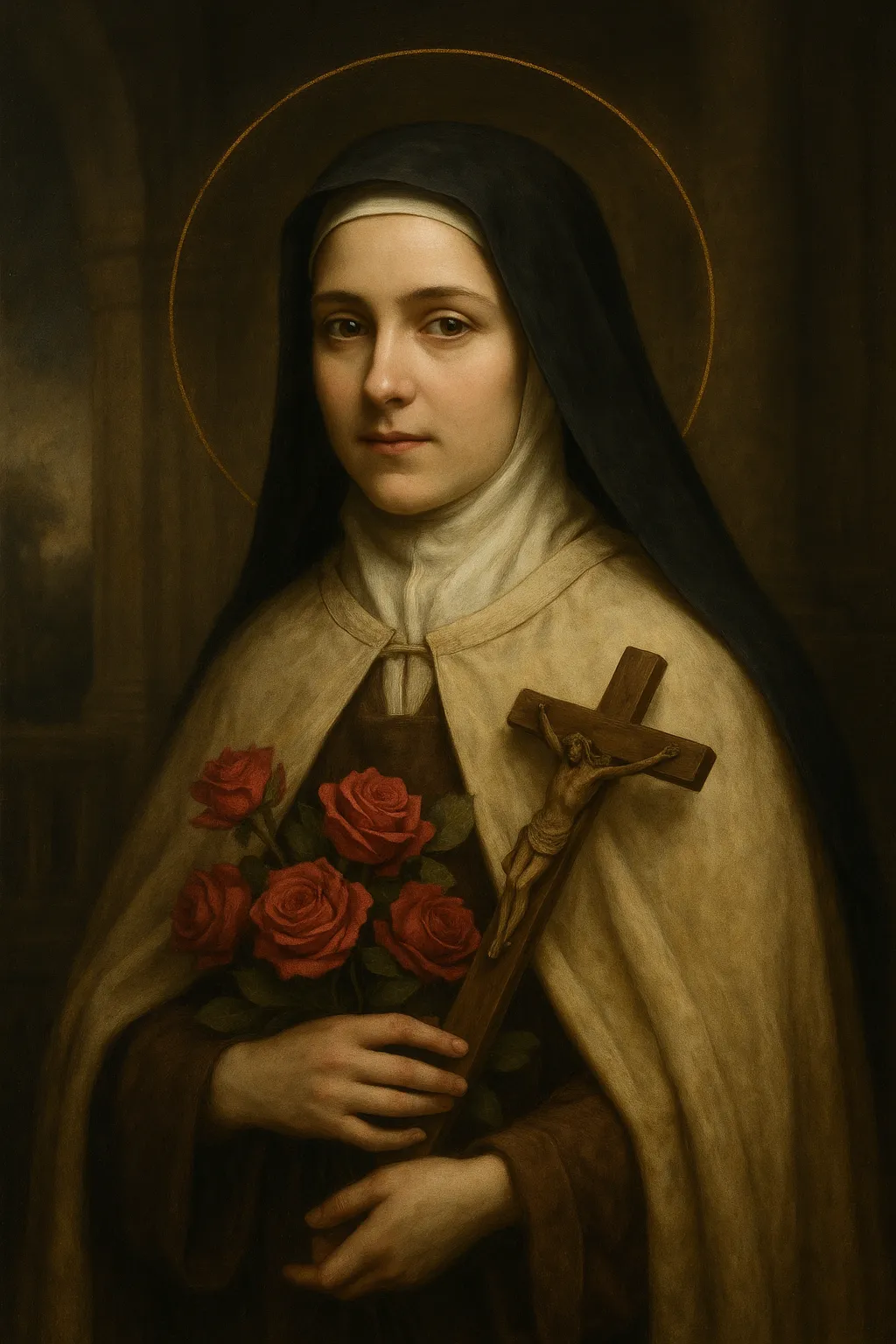
Photo credits
- Divine Mercy Sanctuary, Kraków-Łagiewniki. Photo: Lowdown, CC BY-SA 3.0, via Wikimedia Commons. Source. CC BY-SA 3.0.