
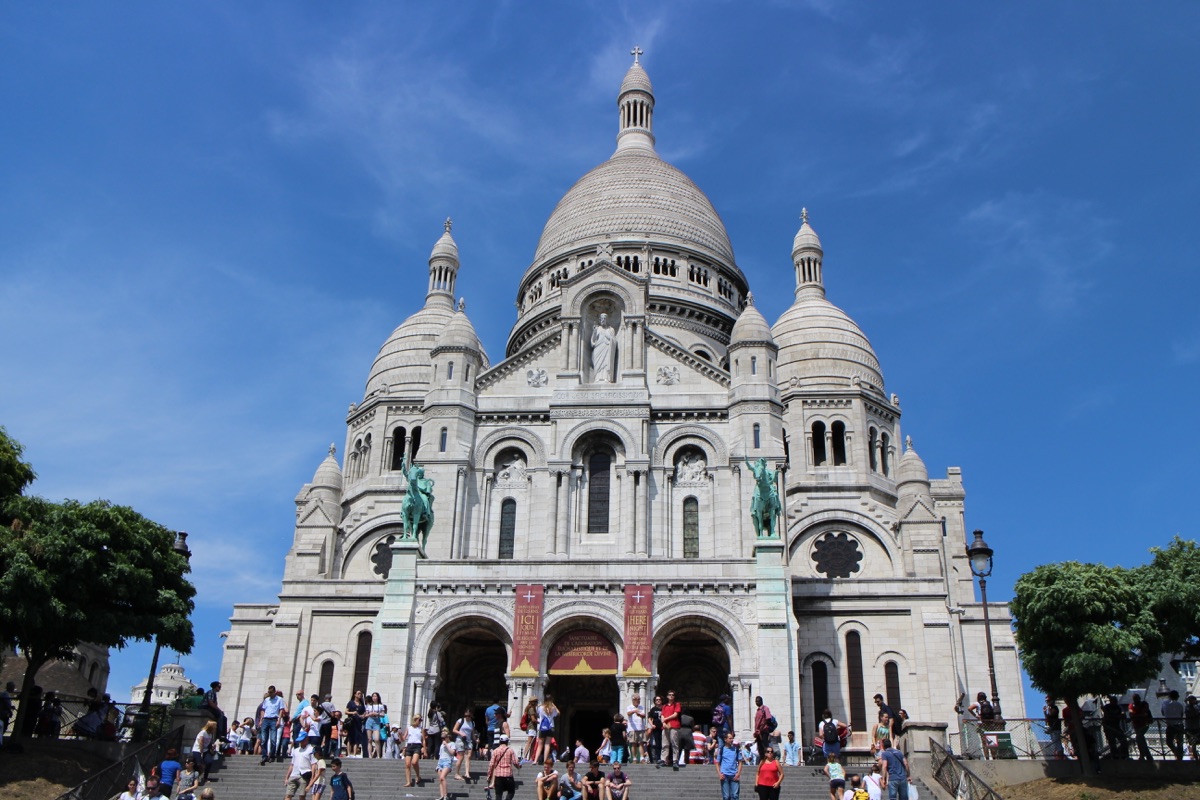
Sacré-Cœur, Montmartre
A basilica of the Sacred Heart and a sanctuary of adoration above Paris, where the Montmartre climb should end in prayer before it becomes a city view.
FRANCE · PARIS
48.8867° N · 2.3431° E
- Location
- Paris, France 48.8867° N · 2.3431° E
- Type
- Minor basilica / adoration sanctuary Roman-Byzantine basilica by Paul Abadie, built of pale travertine on the Butte Montmartre
- Dedication
- Sacred Heart of Jesus
- Time Needed
- 30 minutes to 2 hours
Why Go
A Sanctuary Above Paris
Come to Sacré-Cœur when you want Montmartre to become more than a terrace over the city. The basilica belongs to the devotion to the Sacred Heart and to Eucharistic adoration. Its white stone, long climb, mosaic, chapels, and silence ask the visitor to let prayer come before the view.
The Hill, the Vow, and the Sacred Heart
The basilica rose after the upheavals of the 19th century, when French Catholics pledged a national votive church dedicated to the Sacred Heart of Jesus. Construction began in 1875 under Paul Abadie, and the basilica was consecrated in 1919 after the First World War. Its history has political shadows and public controversy, but a Catholic visit should not reduce the place to that argument. The living fact is simpler and deeper: a sanctuary of prayer has kept watch on Montmartre for generations.
Sacré-Cœur is built as a Roman-Byzantine basilica, pale and massive on the summit of the hill. From the square the domes and campanile dominate the approach; inside, the visitor is drawn toward the choir and the great mosaic of Christ with his Heart visible. The building is not subtle, but its order is clear. Ascent, threshold, nave, Blessed Sacrament, mosaic, and then the city beyond.
Sacré-Cœur is often entered as a viewpoint. Eternal Roam treats it first as a sanctuary.
The hill matters because the basilica gathers prayer above Paris, not because the view replaces prayer.
The official basilica asks visitors to remain silent and notes that photos are not allowed in the nave.
Spiritual Significance
The spiritual point of Sacré-Cœur is adoration. The basilica itself describes its vocation through Eucharistic adoration and Divine Mercy, and the official visitor guidance asks for silence before the exposed Blessed Sacrament. That makes the page belong to Catholic Paris in a precise way: not as scenery, not as nostalgia, but as public prayer over the city.
What to notice.
-
The Blessed Sacrament
Begin with prayer. The official basilica guidance treats the central nave with special silence because of the exposed Blessed Sacrament.
-
The Christ in Majesty mosaic
Let the Sacred Heart image explain the basilica before the viewpoint does.
-
The chapels of the ambulatory
Move slowly around the church so the visit is not reduced to a single glance at the choir.
-
The Montmartre approach
The ascent is part of the place. Make the climb a transition into prayer, not only a way to reach a panorama.
-
The view after prayer
See Paris after the church has set the order of the visit.
What to notice
- How the climb changes the pace before the threshold.
- How the basilica holds a tension between public crowds and interior silence.
- How the Sacred Heart devotion gives the building its Catholic center.
- How Montmartre connects Sacré-Cœur to the older martyr memory of Saint Denis.
How much time, and what to do with it.
-
Prayer before the view
5 ordered stopsClimb to the basilica, enter quietly, pause before the Blessed Sacrament, read the mosaic, then step outside for the view.
- Approach the basilica from Montmartre.
- Enter quietly and keep the central nave prayerful.
- Pause before the Blessed Sacrament.
- Read the Sacred Heart mosaic.
- Leave the view until the end.
-
Adoration, chapels, and Montmartre
5 ordered stopsGive Sacré-Cœur enough time to be a sanctuary. Walk the chapels, check whether Confession or adoration access fits the day, and let Montmartre become a place of prayer rather than a crowd scene.
- Check the official site for the day.
- Spend time in silent prayer.
- Walk the ambulatory chapels.
- Consider Confession or a longer period of adoration if available.
- Pair the visit with Saint-Denis if following Saint Denis through Paris.
How to Visit
Treat the basilica as a sanctuary before a viewpoint.
Arrive willing to slow down. The official site says entry to the basilica is free and that the church is open daily, but pilgrims should verify access before planning around a specific hour, liturgy, or dome visit. Keep silence in the nave, do not treat the Blessed Sacrament as a photo stop, and leave the view until after prayer.
- Check the official site Use the basilica site for access, liturgy, Confession, adoration, and dome information before planning around a specific hour.
- Keep silence in the nave The official guidance asks visitors to remain silent and notes that photos are not allowed in the nave.
- Let prayer come first The view is real, but the basilica is ordered around the Sacred Heart and the Blessed Sacrament.
- Pair it with Saint-Denis For a deeper day, connect Montmartre with the Basilica Cathedral of Saint-Denis and read the memory of Paris through Saint Denis.
Verify access, prayer, and conduct before you go.
Sacré-Cœur is an active basilica and sanctuary. The official site gives access guidance, prayer context, and visitor conduct notes that matter for a Catholic visit.
- Opening and entry
- The official site says the basilica is open every day and that admission is free, while noting visitor queues at busy hours. Opening hours and access
- Prayer and adoration
- The basilica identifies itself as a sanctuary of Eucharistic adoration and Divine Mercy, with perpetual adoration central to its vocation. Sacré-Cœur official home page
- Visitor conduct
- The official guidance asks visitors to dress appropriately, remain silent, avoid phone calls, and refrain from taking photos in the nave. Opening hours and access
This section records official-source guidance, not a promise that schedules will remain unchanged. Check the basilica site before arranging the day.
What pilgrims come to venerate here.
Relics and Sacred Tradition
- The basilica is not primarily a relic shrine. Its sacred center is Eucharistic adoration and devotion to the Sacred Heart of Jesus.
- Montmartre is also traditionally associated with the martyrdom of Saint Denis and his companions, which makes the hill more than a viewpoint in Catholic Paris.
Sacred Objects
- The exposed Blessed Sacrament, before which the basilica asks visitors to keep silence and respect prayer.
- The Christ in Majesty mosaic above the choir, where the Sacred Heart devotion becomes the visual center of the church.
- The chapels around the ambulatory, which let a crowded visit become slower and more prayerful.
- The dome and hilltop approach, which should be treated as context for prayer rather than as the main reason for the visit.
Sacred Heart devotion on the Mount of Martyrs.
The basilica is not a dense saint-shrine page. Its stronger saint context is devotional and geographical: the Sacred Heart tradition, the martyr memory of Montmartre, and the nearby Jesuit beginnings.
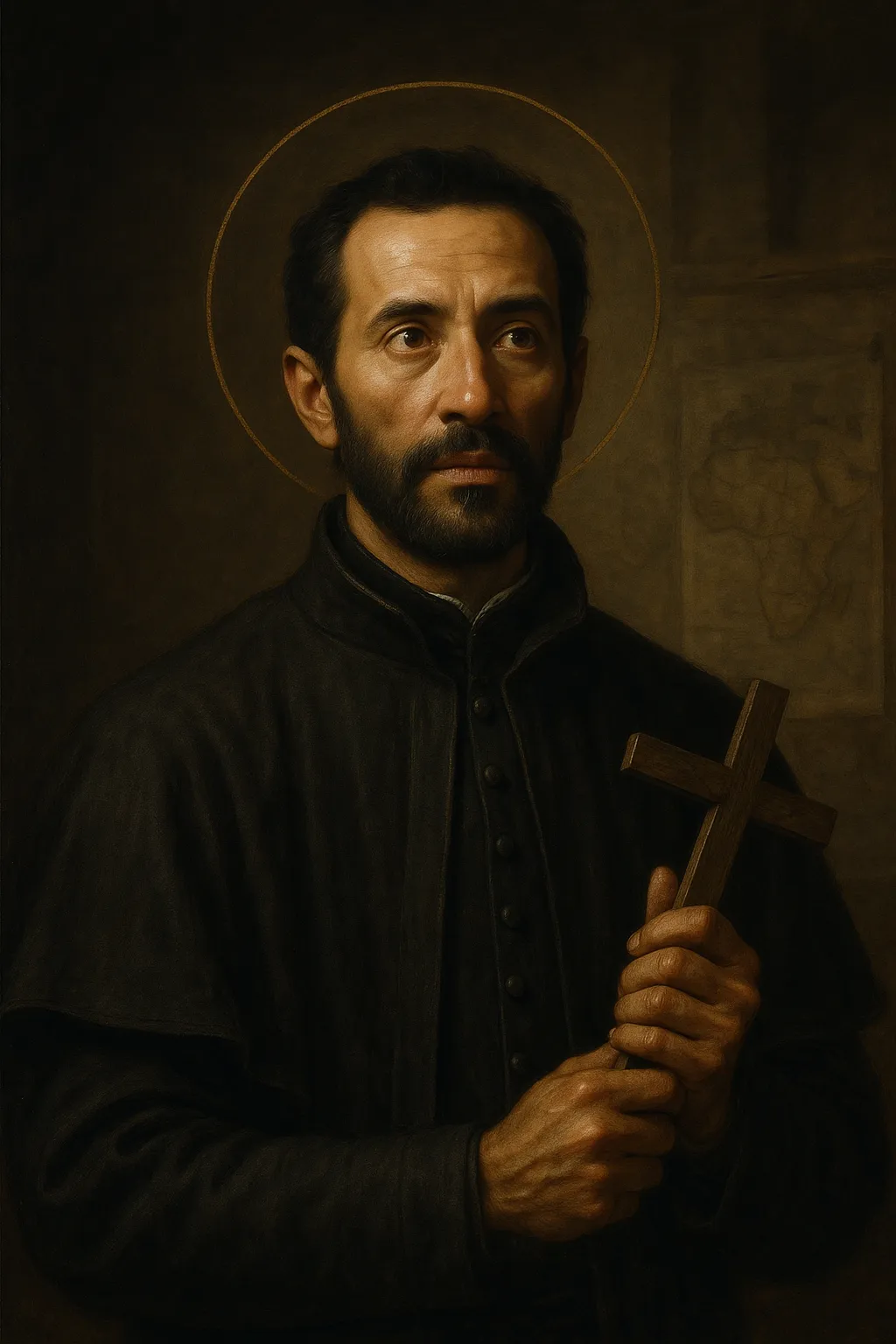
Saint Francis Xavier
Nearby Montmartre context
Remembered with Ignatius and the first companions in the broader Montmartre geography of Catholic Paris.
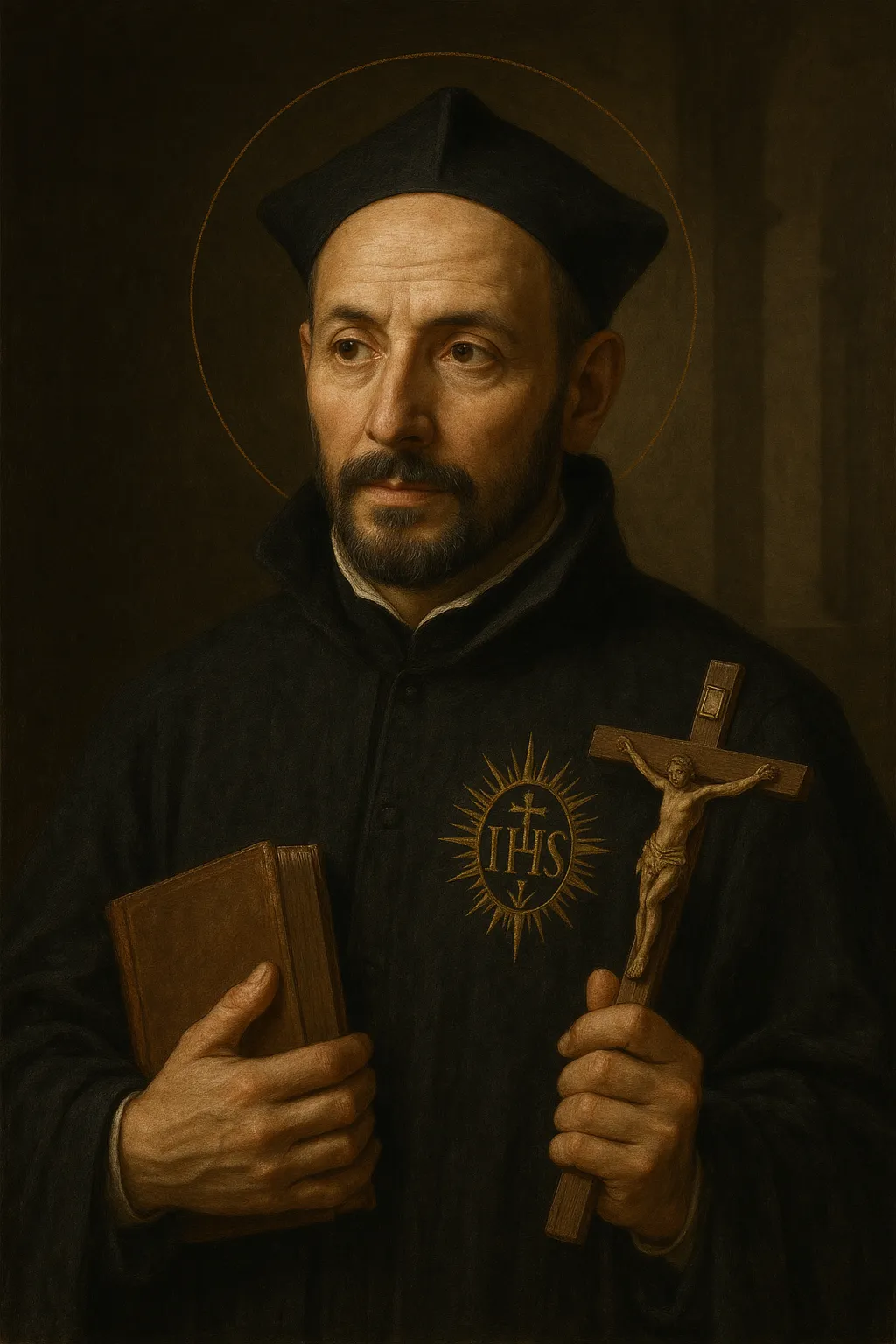
Saint Ignatius of Loyola
Nearby Montmartre context
The early Society of Jesus belongs to the wider Catholic memory of Montmartre, though Sacré-Cœur itself is centered on the Sacred Heart and adoration.
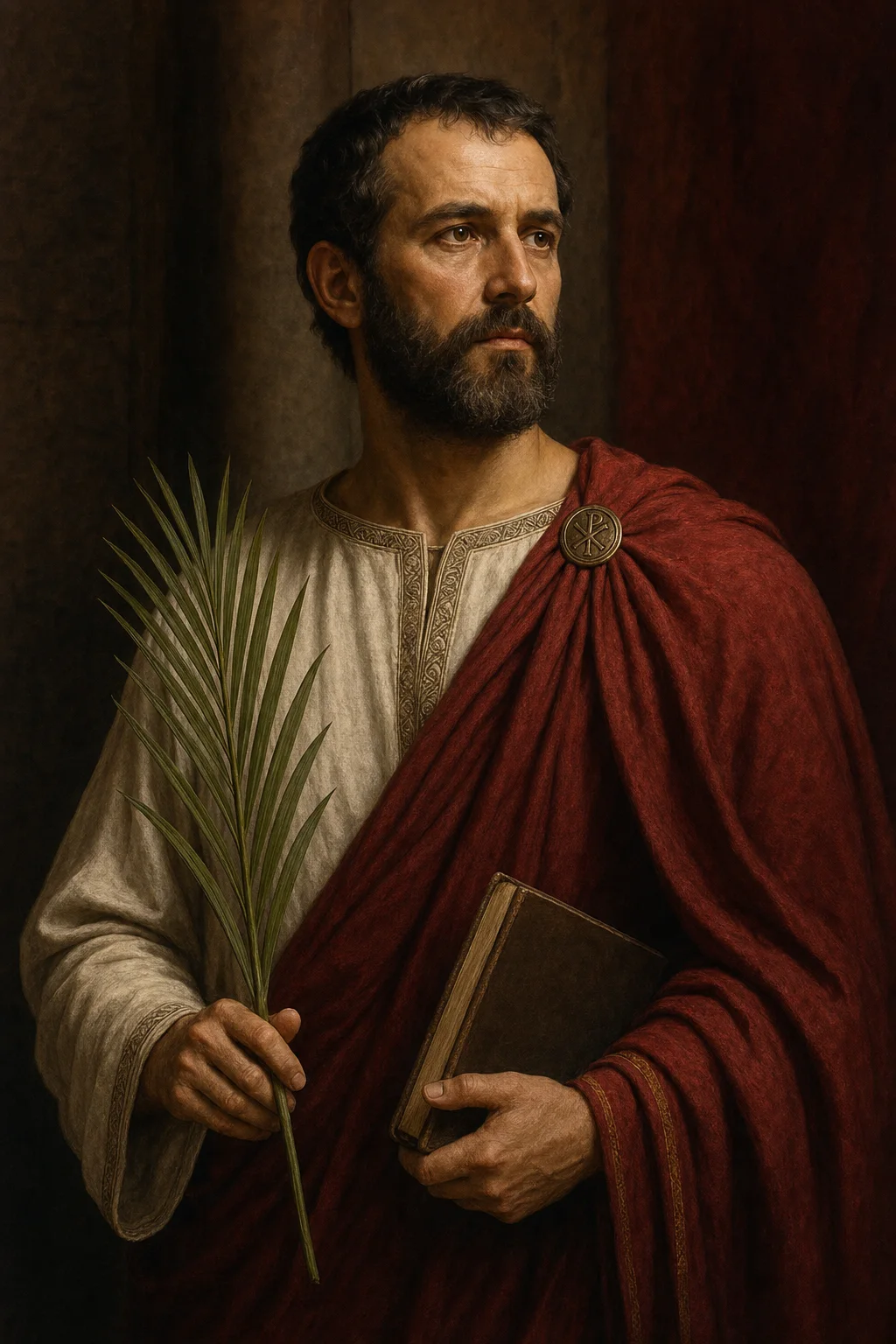
Saint Denis of Paris
Sacré-Cœur, Montmartre
The traditional landscape of his martyrdom.
Saint Margaret Mary Alacoque
Sacred Heart devotion
Her visions and witness shaped the wider Catholic devotion to the Sacred Heart, the dedication at the center of this basilica.
Show all connected saints (5) Show fewer saints
Within walking distance.
-
City hub
Paris
Where this church sits within the wider Catholic geography of Paris.
-
Cathedral basilica
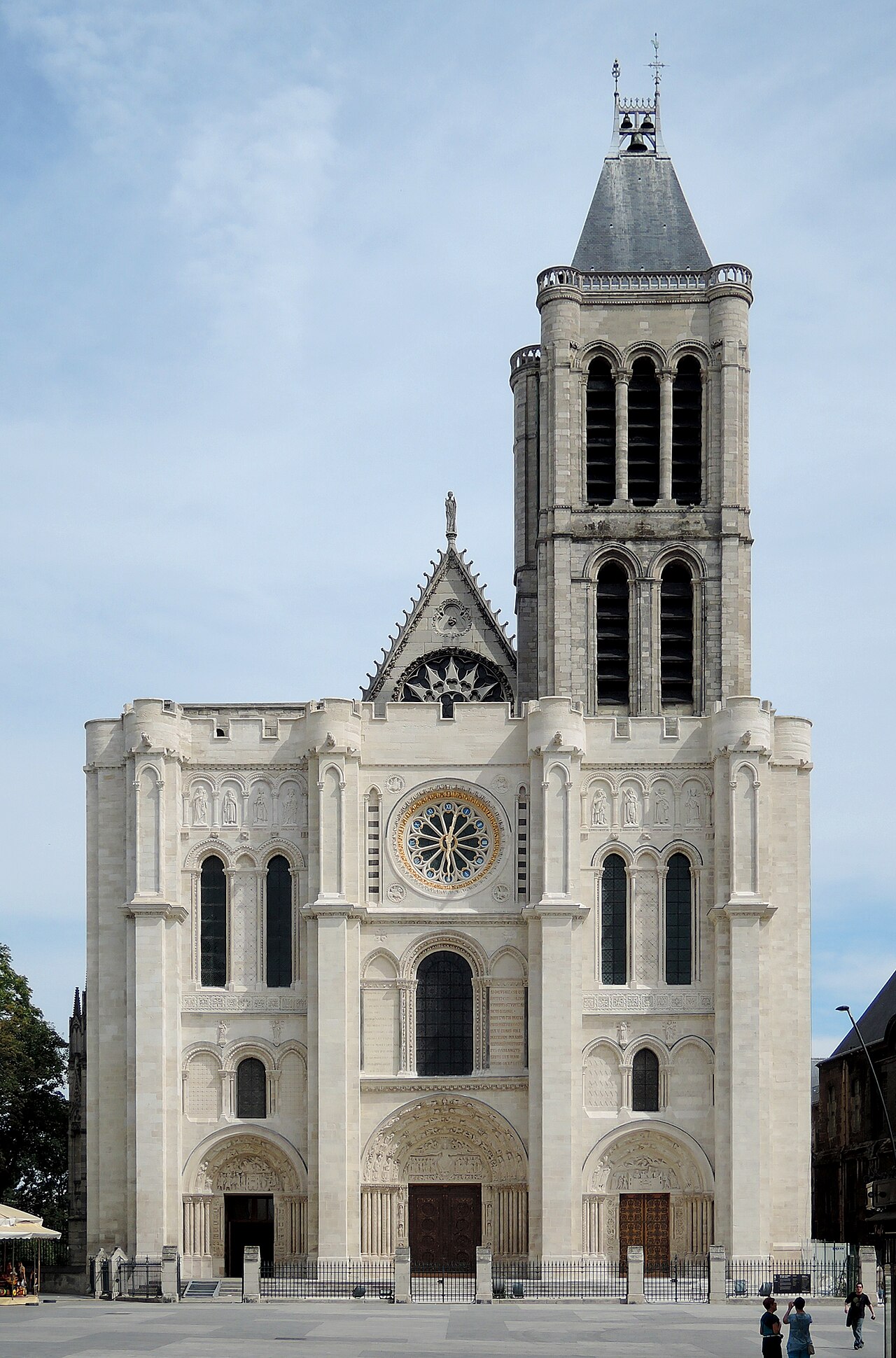
Basilica Cathedral of Saint-Denis
Pair it with Sacré-Cœur to read the memory of Saint Denis from Montmartre to the royal abbey and cathedral north of Paris.
-
Cathedral
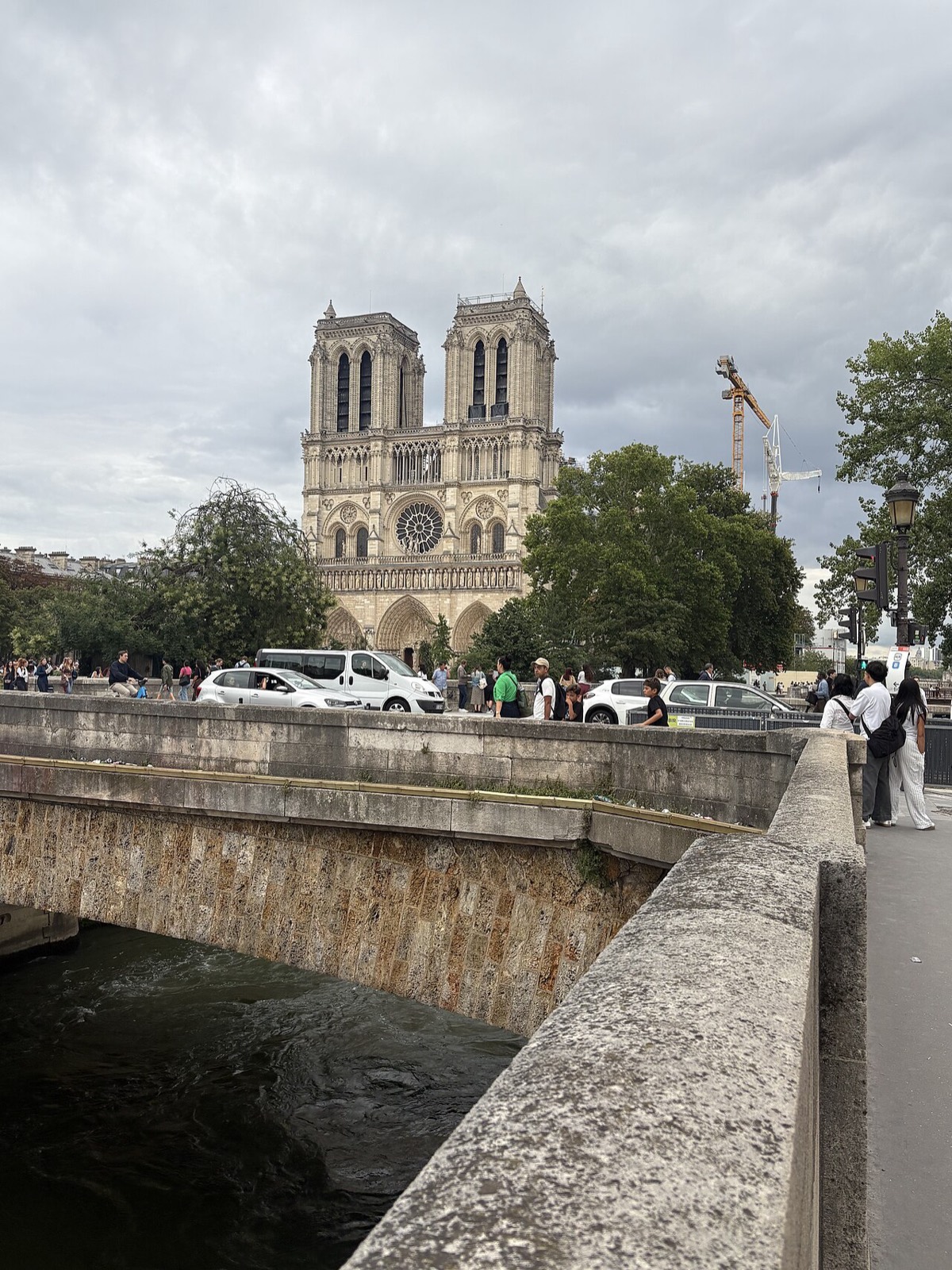
Notre-Dame de Paris
A stronger city-center continuation for pilgrims who want Sacré-Cœur to sit within the whole Catholic geography of Paris.
Plan your visit.
Editorial sources
Official basilica guidance asks visitors not to take photographs inside the nave. The imagery here keeps to exterior and permitted views in keeping with that request, which pilgrims are asked to observe during a visit.
Official
Last reviewed
July 7, 2026
Photo credits
- Hero. Suicasmo / Wikimedia Commons (CC BY-SA 4.0). Source. CC BY-SA 4.0.