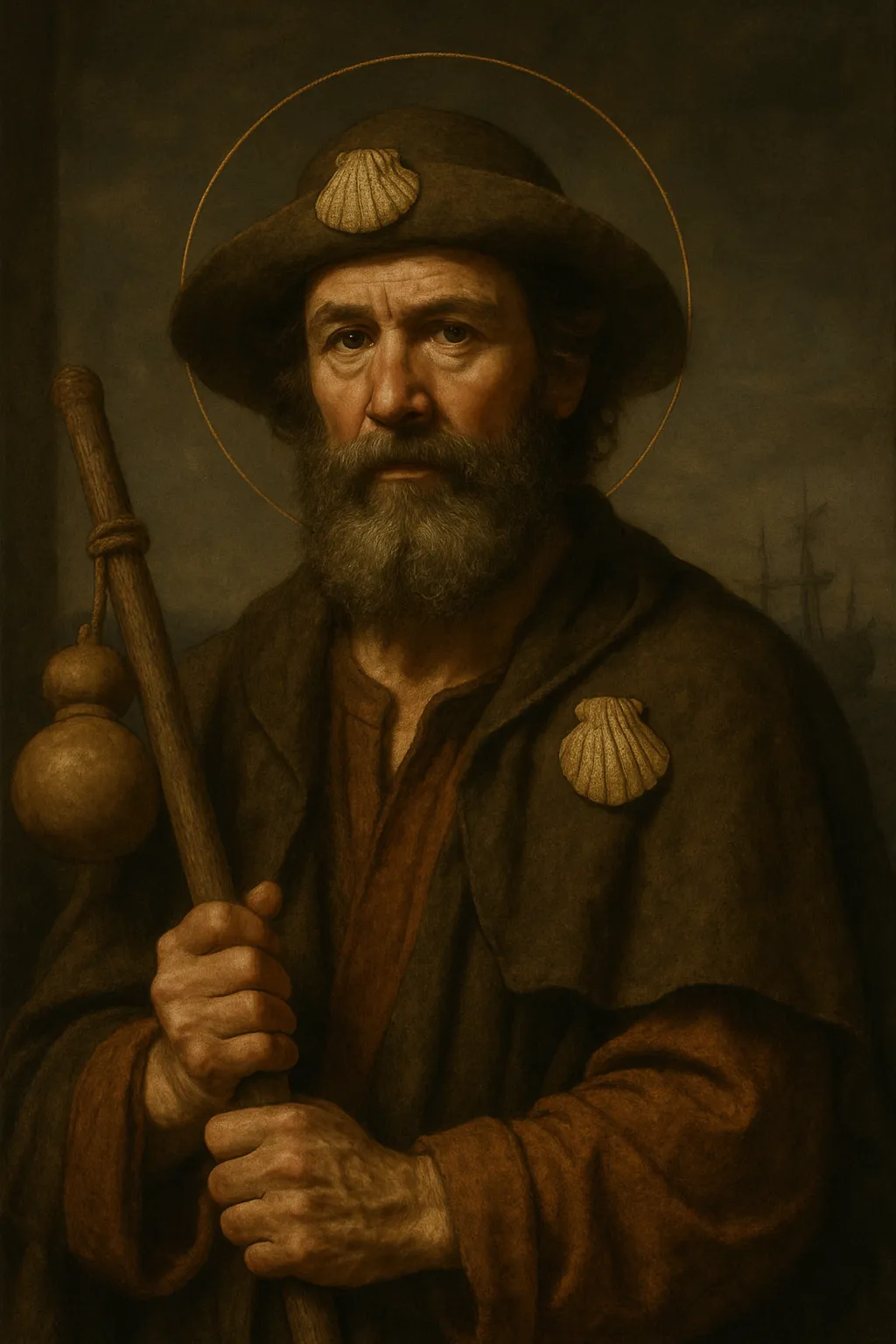
Tomb of Saint James the Greater
Apostolic burial siteYes, at the silver urn in the crypt beneath the high altar
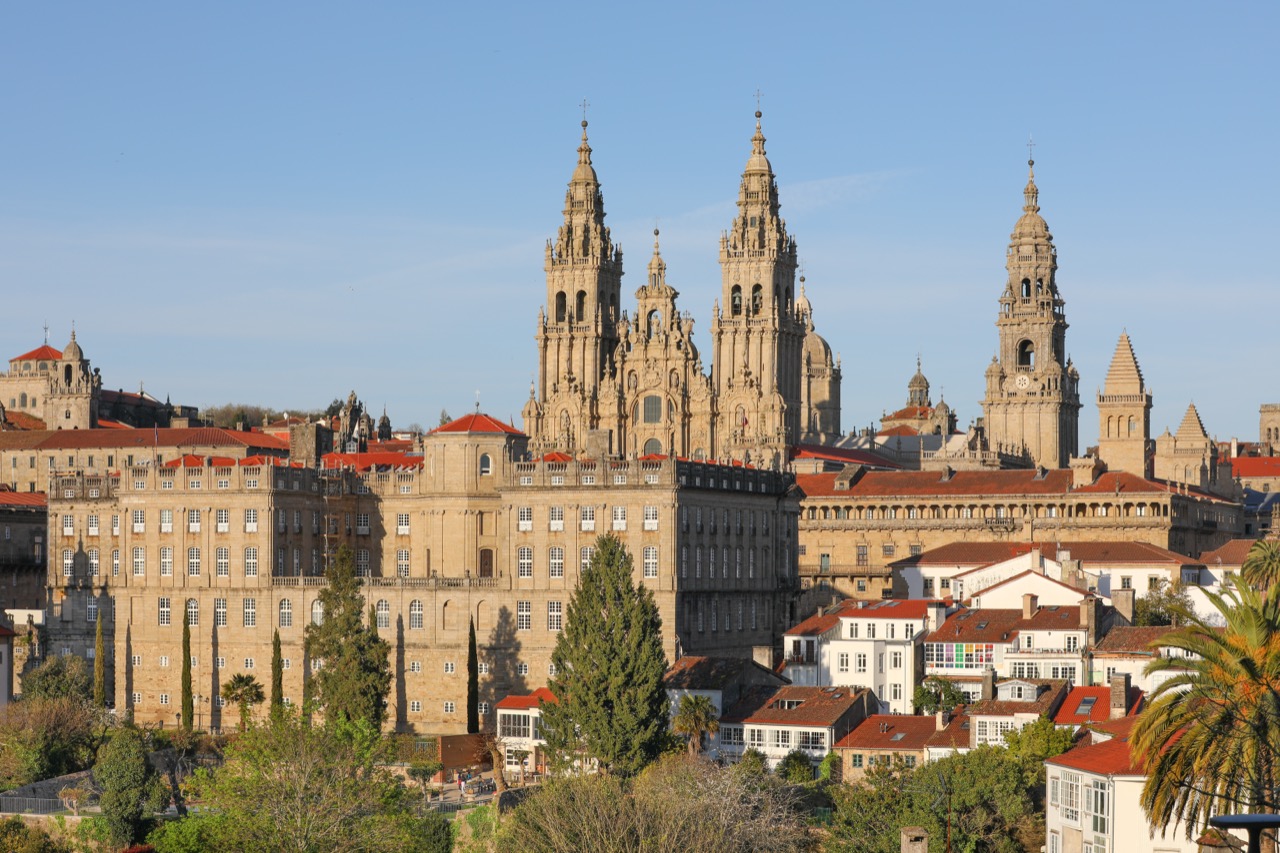
Cathedral of Santiago de CompostelaSantiago de Compostela Cathedral is the great pilgrimage church at the end of the Camino, built around the tomb traditionally venerated as that of Saint James the Greater.
Come here because the cathedral is not just a destination; it is the arrival point of centuries of pilgrimage. The tomb of Saint James, Pilgrim Mass, confession, Botafumeiro, Portico of Glory, and final Compostela stamp all belong to one pilgrim rhythm.
The tradition of Saint James’s tomb made Compostela a major Christian pilgrimage destination. The present cathedral, consecrated in the medieval period and expanded across centuries, became the sacred goal of routes that cross Spain and Europe.
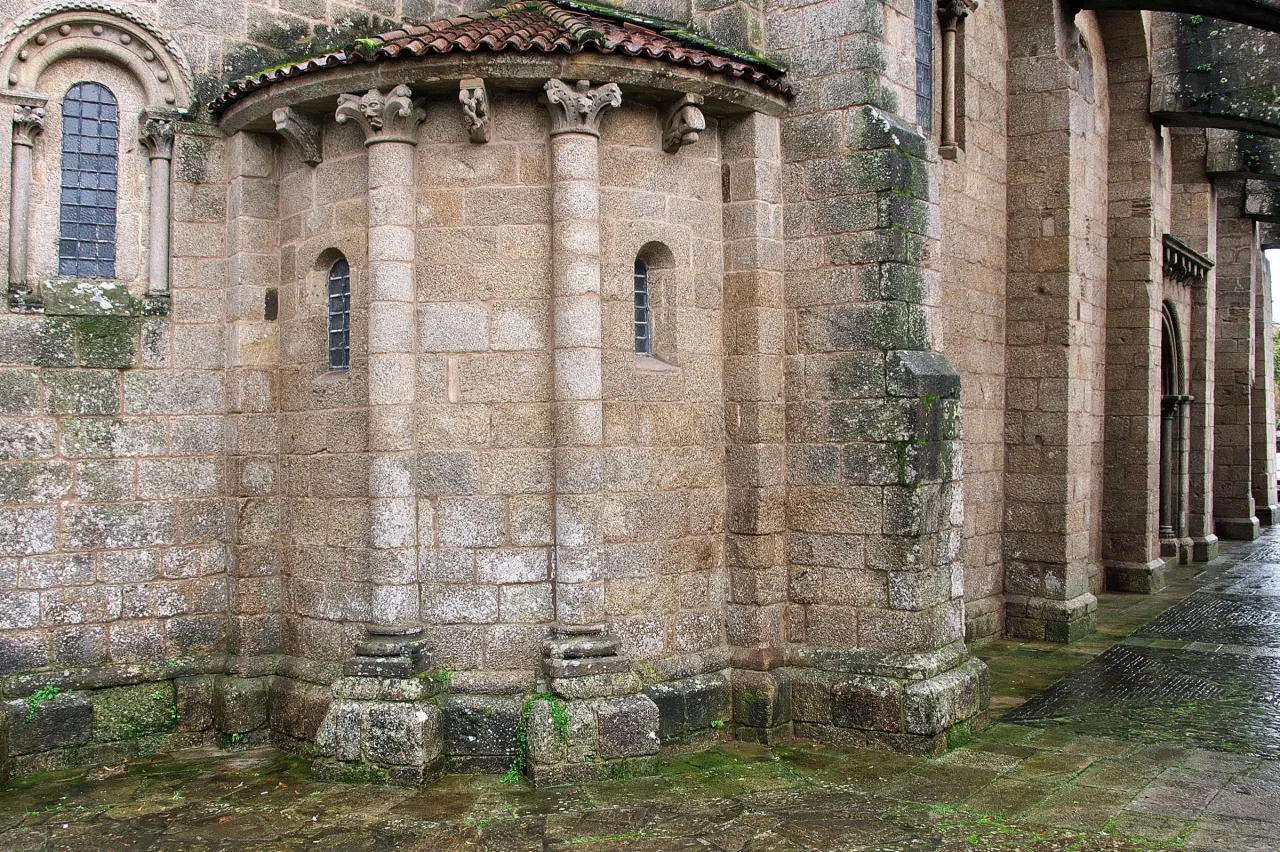
Santiago is layered like the pilgrimage itself: Romanesque core, Portico of Glory, Baroque Obradoiro facade, crypt, chapels, towers, and liturgical spaces shaped by arriving pilgrims rather than by tourism alone.
The cathedral is the mother church of the Archdiocese of Santiago de Compostela.
The tomb of Saint James made Santiago one of the major pilgrimage destinations of Christendom from the ninth century onward.
The Pilgrim Office issues the Compostela and final cathedral stamp for eligible pilgrims.
The Botafumeiro is used on liturgical solemnities and by special arrangement, not at every Mass.
Current visitor routes, museum access, and security rules should be checked through the official cathedral site.
The cathedral is best understood from the body of a pilgrim: arrival, thanksgiving, confession, Mass, tomb, prayer, and then the city beyond the square.
The silver urn in the crypt beneath the high altar. This is the goal of the whole pilgrimage; reach it before anything else.
By tradition pilgrims climb the stair behind the high altar to embrace the seated statue of Saint James above it.
Master Mateo's carved Romanesque portal of 1188, the medieval threshold into the cathedral. Access is by timed ticket; book ahead.
Celebrated several times a day at the high altar, gathering the pilgrims who arrived that morning. The Botafumeiro is used on the cathedral's published solemnities and by prior arrangement, not at every Mass.
Walled up outside a Holy Year and opened for it. The bronze leaves are by Suso León, 2004. The next Compostelan Holy Year is 2027.
Stop in the Obradoiro square, go down to the tomb of Saint James in the crypt, and make the traditional embrace of the Apostle behind the high altar.
As above, plus the Pilgrim Mass, time in the nave and chapels, and the Pilgrim Office for the Compostela if you walked an eligible stretch of the Camino.
Add the Pórtico da Gloria by timed ticket, the Cathedral Museum and cloister, and the roof tour over the old town. Close with a return to the tomb.
Receive the arrival in the Obradoiro square before going in, then move straight to the tomb. The cathedral reads as the end of a journey rather than a monument when the tomb comes first.
Begin with the tomb of Saint James, attend Mass if possible, and check the current cathedral schedule for the Pilgrim Mass, confession, museum, Portico of Glory, and Botafumeiro. If you completed the Camino, visit the Pilgrim Office for the Compostela process.
Yes, at the silver urn in the crypt beneath the high altar
Cathedral of Santiago de CompostelaYes, by the stair behind the high altar
Cathedral of Santiago de CompostelaVisited as the pilgrim's threshold into the cathedral
Cathedral of Santiago de Compostela · Cathedral MuseumUsed during solemn liturgies
Cathedral of Santiago de CompostelaEntered by pilgrims during a Holy Year
Cathedral of Santiago de Compostela · Archdiocese of Santiago de CompostelaSource note Traditional attributions are presented as tradition, with documentation named where it exists.
Santiago gathers everything around a single Apostle. The cathedral exists because of the tradition of his tomb, and the Camino exists because of the cathedral.
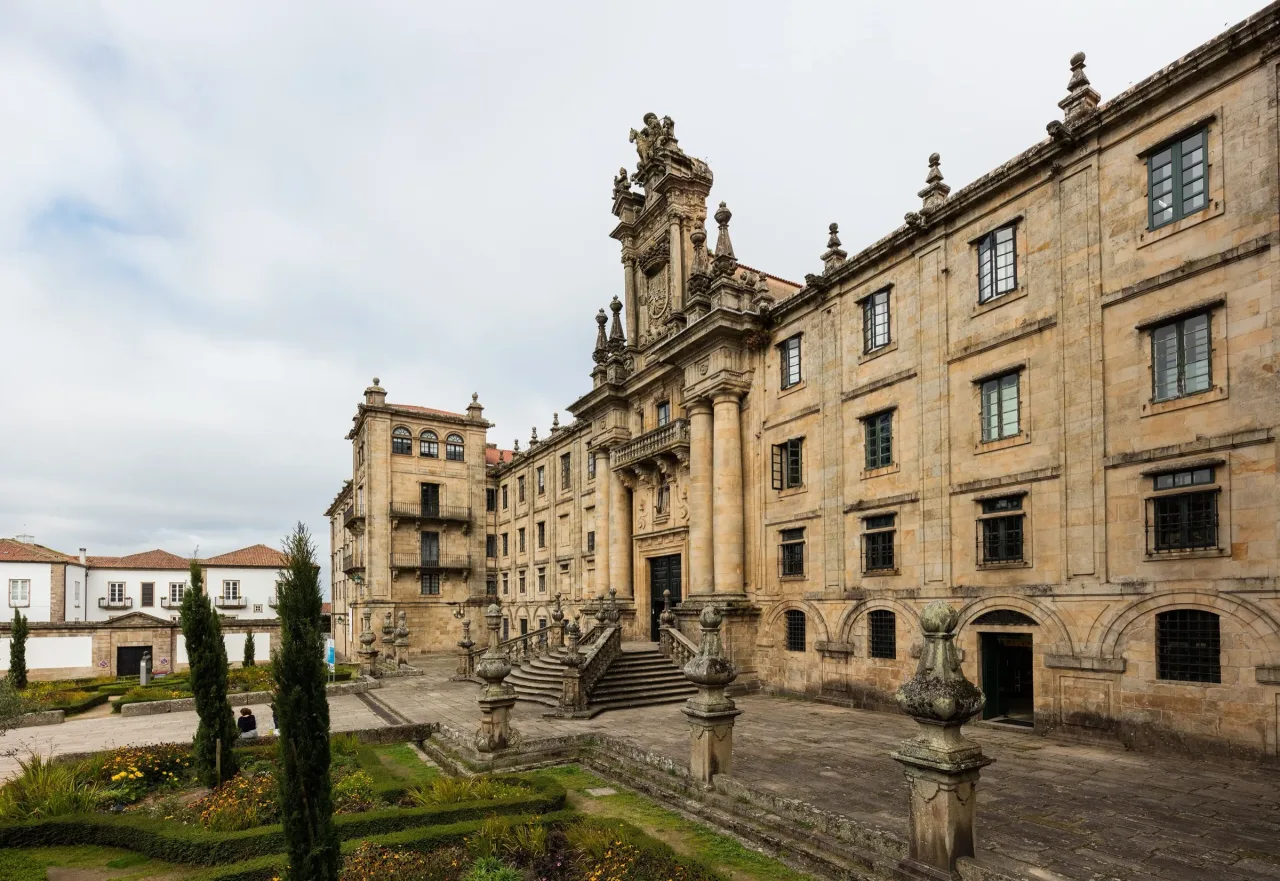
The great Benedictine monastery facing the cathedral across the Praza da Inmaculada, with one of the most elaborate Baroque altarpieces in Galicia.
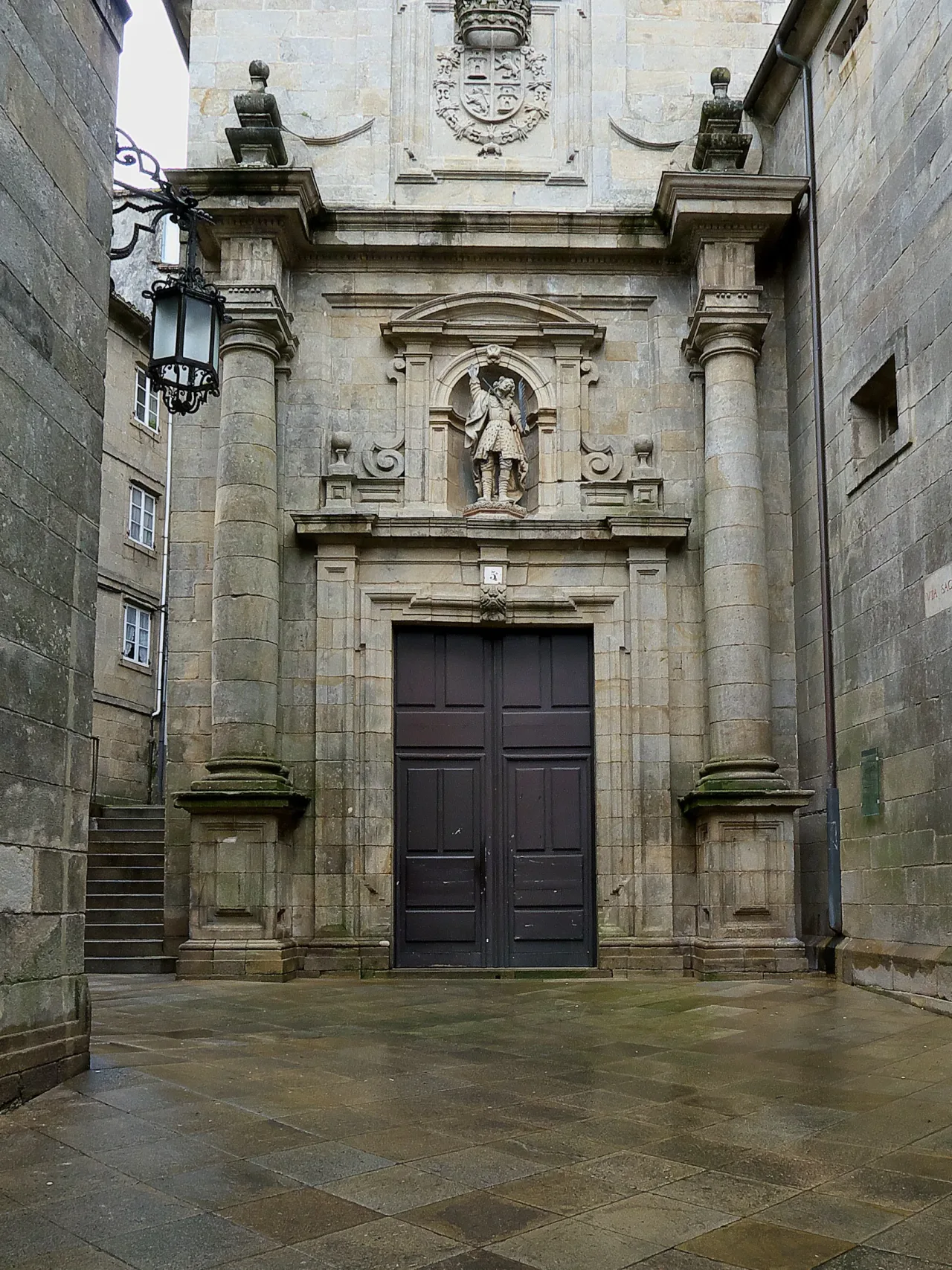
The living Benedictine house closing the Praza da Quintana, founded to keep watch over the newly identified tomb.
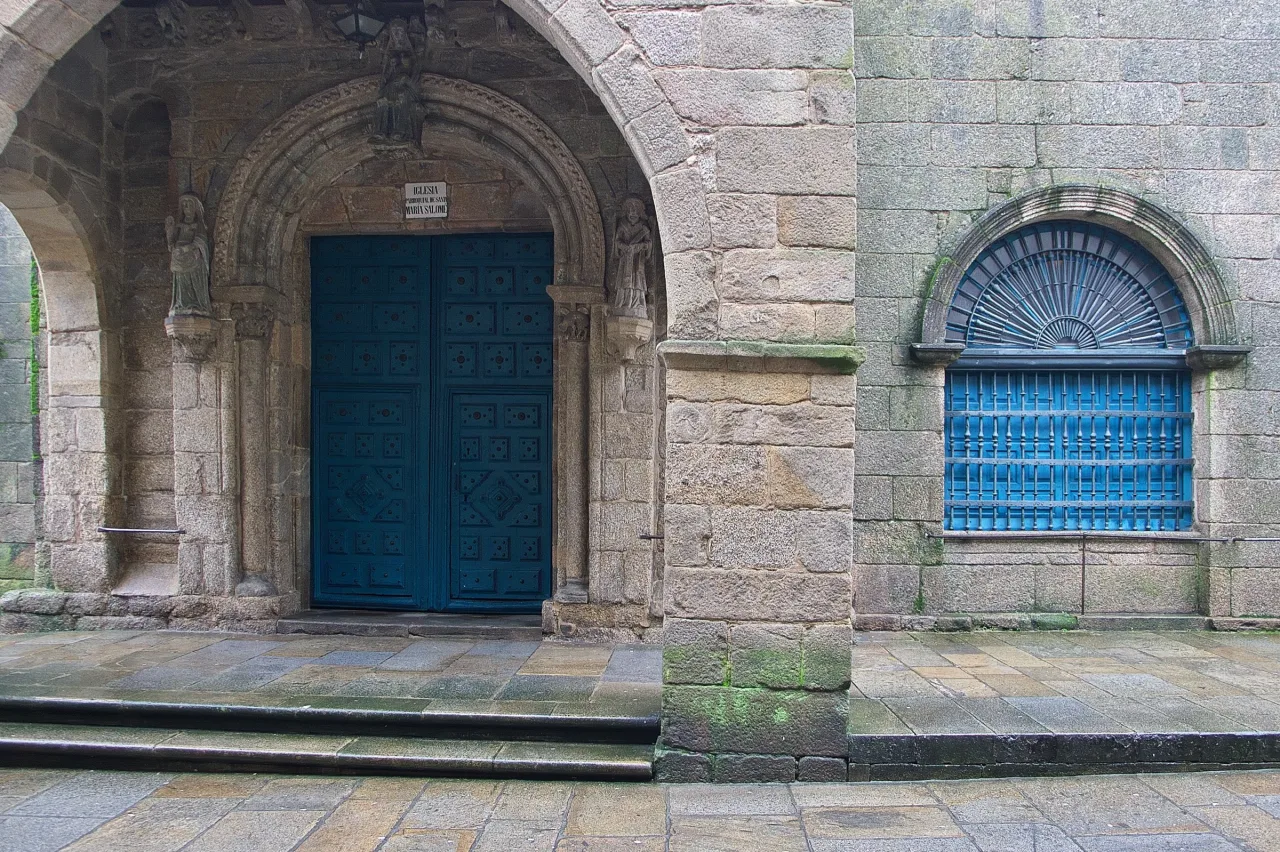
On the Rúa Nova, traditionally the only church in Spain dedicated to the mother of Saint James.
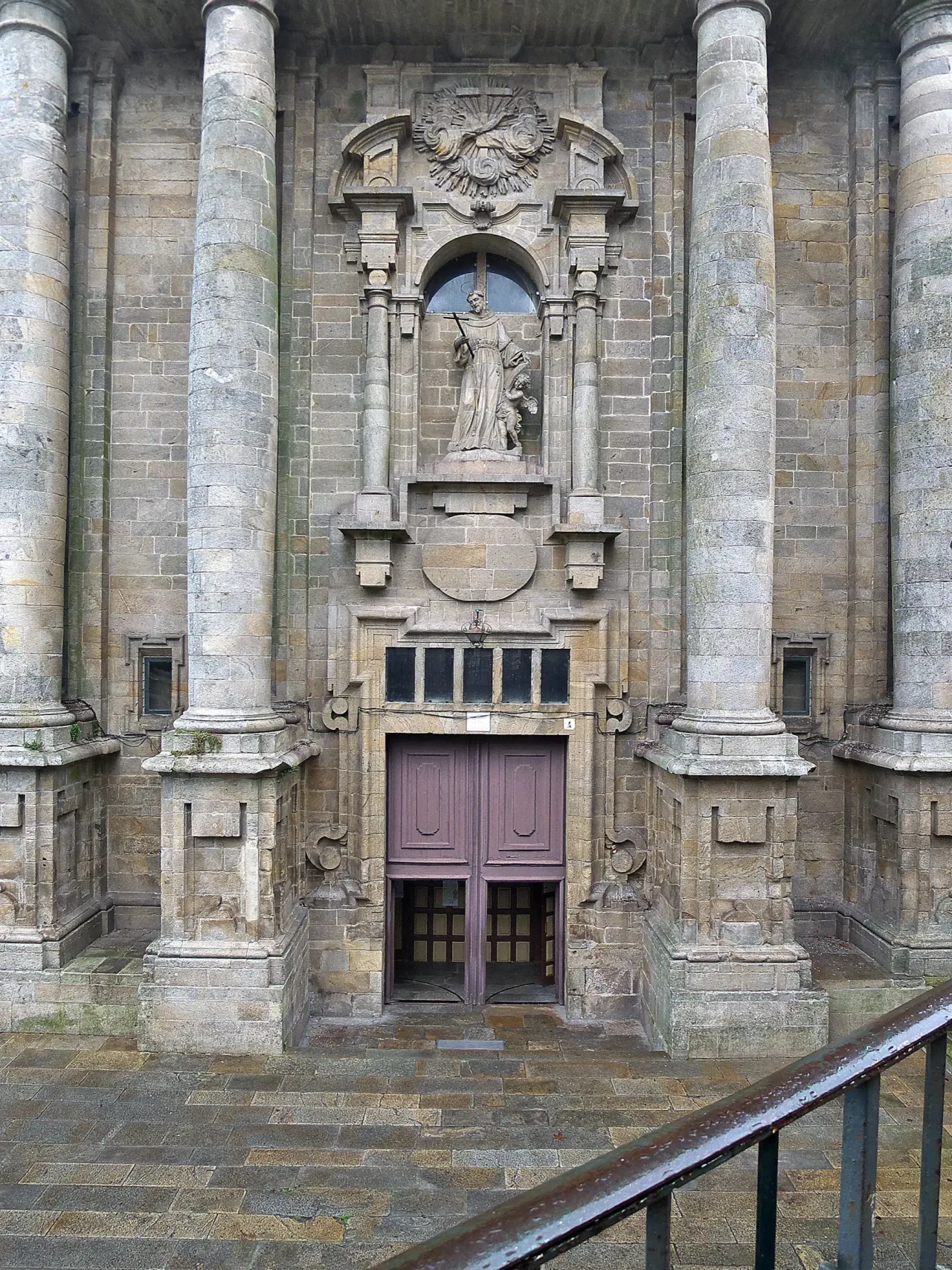
The Franciscan house north of the cathedral, with the Museum of the Holy Land in one of its cloisters.
A Romanesque collegiate church a short walk south of the old town, known for the dramatic lean of its nave piers.
Edited from official church sources, local image provenance, and Eternal Roam destination records.
Pending review.
Use this for corrections, broken links, missing places, and planning ideas.