
Montserrat
One mountain carrying three histories at once: a Benedictine abbey, a Marian sanctuary, and the place Ignatius stopped being a soldier.
- Location
- Monistrol de Montserrat, Spain
- 41.5936° N · 1.8376° E
- Type
- Benedictine abbey and Marian sanctuary
- A monastery and basilica set on a shelf of the serrated massif, rebuilt repeatedly after destruction, with hermitages scattered across the mountain
- Monastic Tradition
- Benedictine abbey
- A living Benedictine community keeping the sanctuary of Our Lady of Montserrat
- Time Needed
- 2 hours to a full day
Three Histories on One Mountain
Montserrat is usually sold as a view, and the view is extraordinary, but it is the least interesting thing here. Benedictines have prayed on this mountain for a thousand years and still do. The image of Our Lady of Montserrat has drawn Catalan pilgrims for longer than Catalonia has had its present shape. And in 1522 a wounded Basque soldier walked up, kept vigil before that image, and came down without his sword. The three do not sit side by side. They occupy the same ground.
Hermits, an Abbot, and a Man Who Left His Sword
People were praying on this mountain before there was a monastery. The abbey's own record notes four chapels standing at the end of the ninth century, probably inhabited by hermits; only the remains of Sant Iscle survive, in the monastery garden. A document of 945 records the monastery of Santa Cecilia on the same massif. Oliba, abbot of Ripoll and bishop of Vic, founded Montserrat itself in 1025.
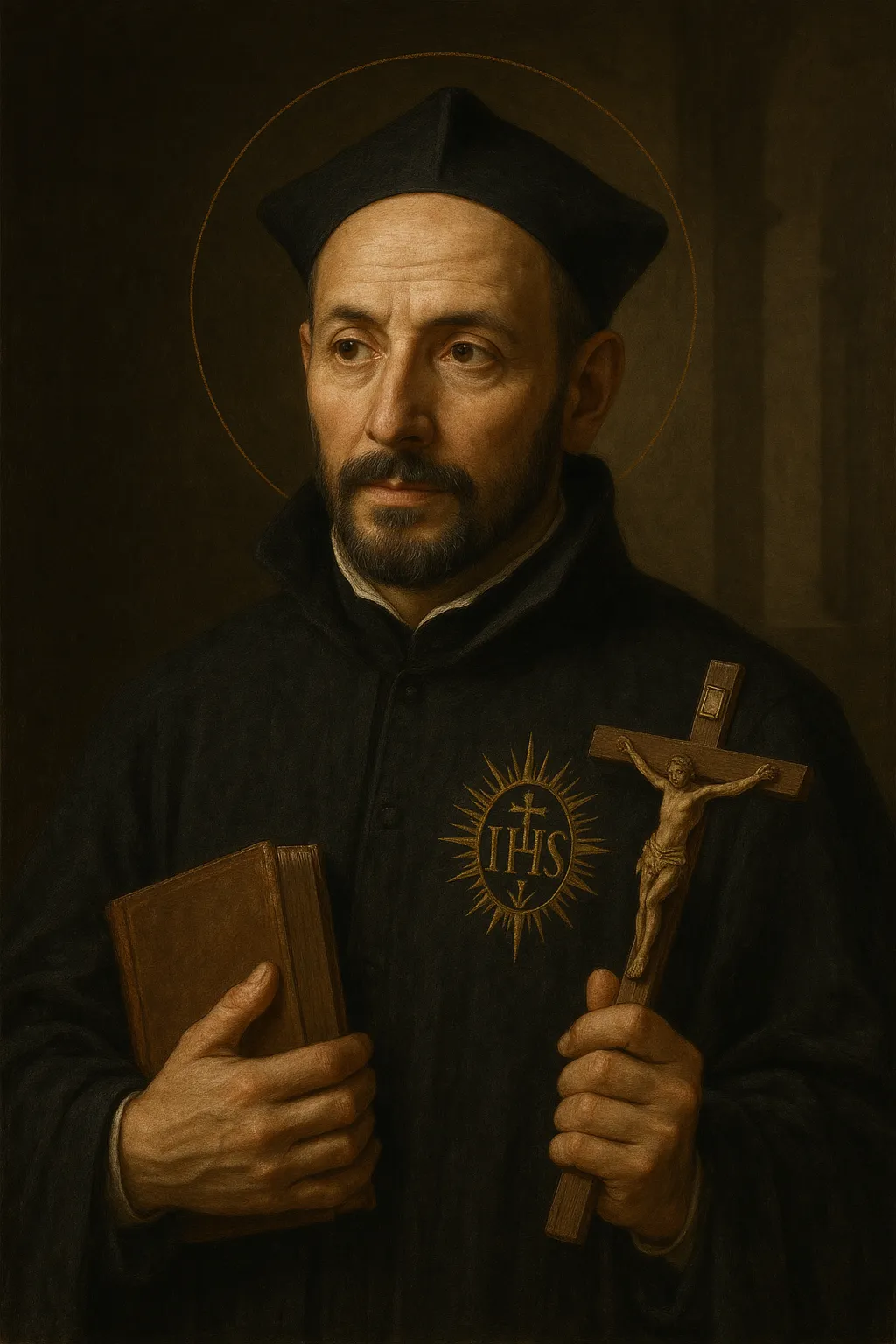
In 1522 Ignatius of Loyola made his pilgrimage here. By his own account he confessed over three days, gave away his fine clothes, and left his sword before the altar of Our Lady, keeping vigil through the night. He went down the mountain to Manresa, and to the Spiritual Exercises.
The buildings are pinned to a shelf on a mountain of vertical rock fingers, and almost nothing here is old, because almost everything has been destroyed and rebuilt. The basilica is the centre; the image sits above and behind the high altar, reached by a staircase that carries a slow queue. The hermitages scattered across the massif above are the oldest layer of all.
The Escolania, a boys' choir first attested here in 1223 and among the oldest in Europe
The mountain hermitages, inhabited long before the monastery was founded
The monastery of Santa Cecilia on the same massif, recorded as early as 945
A monastery is best understood by the life it was built to sustain.
Montserrat receives an enormous number of visitors and remains a monastery underneath the traffic. The community keeps the Benedictine round of prayer and work, and the Escolania, a boys' choir attested here since 1223, sings in the basilica. The most striking thing on an ordinary day is the difference between the crowd in the square and the silence in the queue behind the altar.
- Three histories occupy the same ground here and none of them is a footnote to the others. The monastery is not a setting for the Madonna, and the Madonna is not a setting for the Ignatius story.
- The abbey's own record dates the finding of the image to 880 according to long-standing tradition, while dating the carving venerated today to the twelfth or thirteenth century. Both are worth holding at once, and the custodian does.
- Ignatius arrived here in 1522 as a convalescent soldier and left his sword before the altar. By his own account the vigil was the hinge; Manresa, where he wrote the Exercises, came directly afterwards.
- Almost nothing standing at Montserrat is medieval. Napoleon's army destroyed the monastery in 1811 and 1812, twenty-three monks were killed between 1936 and 1939, and rebuilding has run from 1858 to the basilica restoration of 1995 and 1996.
- Hermits were on this mountain before the abbey existed. Four chapels stood here at the end of the ninth century and the monastery of Santa Cecília is recorded in 945, eighty years before Oliba founded Montserrat itself.
What to notice.
-
01
The image of Our Lady of Montserrat
A Romanesque carving of the twelfth or thirteenth century, above and behind the high altar, reached by a staircase. The queue is the devotion; join it rather than photographing it from the nave.
-
02
The Escolania
A boys' choir attested at Montserrat since 1223 and among the oldest in Europe. They sing in the basilica at set times on most days, but not year round. Worth building the visit around.
-
03
The basilica
Restored in 1995 and 1996 after two centuries in which the monastery was destroyed by Napoleon's troops and then gutted again during the Civil War. Sit here before joining the queue.
-
04
The mountain paths and hermitages
Chapels and hermit cells are scattered across the massif, and hermits were here before the abbey was founded in 1025. Half an hour out from the buildings changes the whole visit.
-
05
The remains of Sant Iscle
In the monastery garden, the only survivor of the four chapels standing on this mountain at the end of the ninth century. The oldest thing on the site and easy to walk past.
See all 5 · 2 more
- The mountain paths and hermitages Chapels and hermit cells are scattered across the massif, and hermits were here before the abbey was founded in 1025. Half an hour out from the buildings changes the whole visit.
- The remains of Sant Iscle In the monastery garden, the only survivor of the four chapels standing on this mountain at the end of the ninth century. The oldest thing on the site and easy to walk past.
How much time, and what to do with it.
-
2 Hours
The basilica, the queue to the image, and the Escolania if they are singing. The devotional core of the visit.
-
Half Day
The same with time on the mountain paths towards the hermitages, which is where the reason people first came here becomes obvious.
-
Full Day
As above, unhurried, with Mass and a walk far enough out that the monastery is out of sight, or continuing down to Manresa on the Ignatian road.
Sit in the basilica before you queue. Go up to the image slowly and in the line rather than around it. Then walk out onto the mountain far enough that the buildings disappear, because the hermits were here first and the silence is the oldest thing on the site.
How to visit without rushing.
-
The Benedictine round of prayer and work kept by the community
-
The Escolania singing in the basilica, a boys' choir attested here since 1223
-
Veneration of the image of Our Lady of Montserrat above the high altar
-
Hermitages and chapels across the mountain, some in use since the ninth century
See all 4 · 1 more
- Hermitages and chapels across the mountain, some in use since the ninth century
What pilgrims come to notice and venerate.
Tomb and Burial
- No saint is buried here. Montserrat is a Marian sanctuary and a monastic house, not a tomb church.
Relics and Sacred Tradition
- The image of Our Lady of Montserrat, a Romanesque carving of the twelfth to thirteenth centuries, venerated above the high altar of the basilica
Sacred Objects
- The image of Our Lady of Montserrat, known in Catalan as La Moreneta, the little dark one
- The basilica, restored in 1995 and 1996 after two centuries of destruction and rebuilding
- The remains of the chapel of Sant Iscle in the monastery garden, the only survivor of the four chapels that stood on the mountain at the end of the ninth century
The lives remembered here.
- Saint Ignatius of Loyola Kept vigil here in 1522 and left his sword before the altar Made his pilgrimage to Montserrat in 1522, which the abbey records in its own history. By his own account he made a general confession over three days, gave away his clothes and left his sword before the altar of Our Lady, keeping vigil through the night. He went on to Manresa and the Spiritual Exercises.
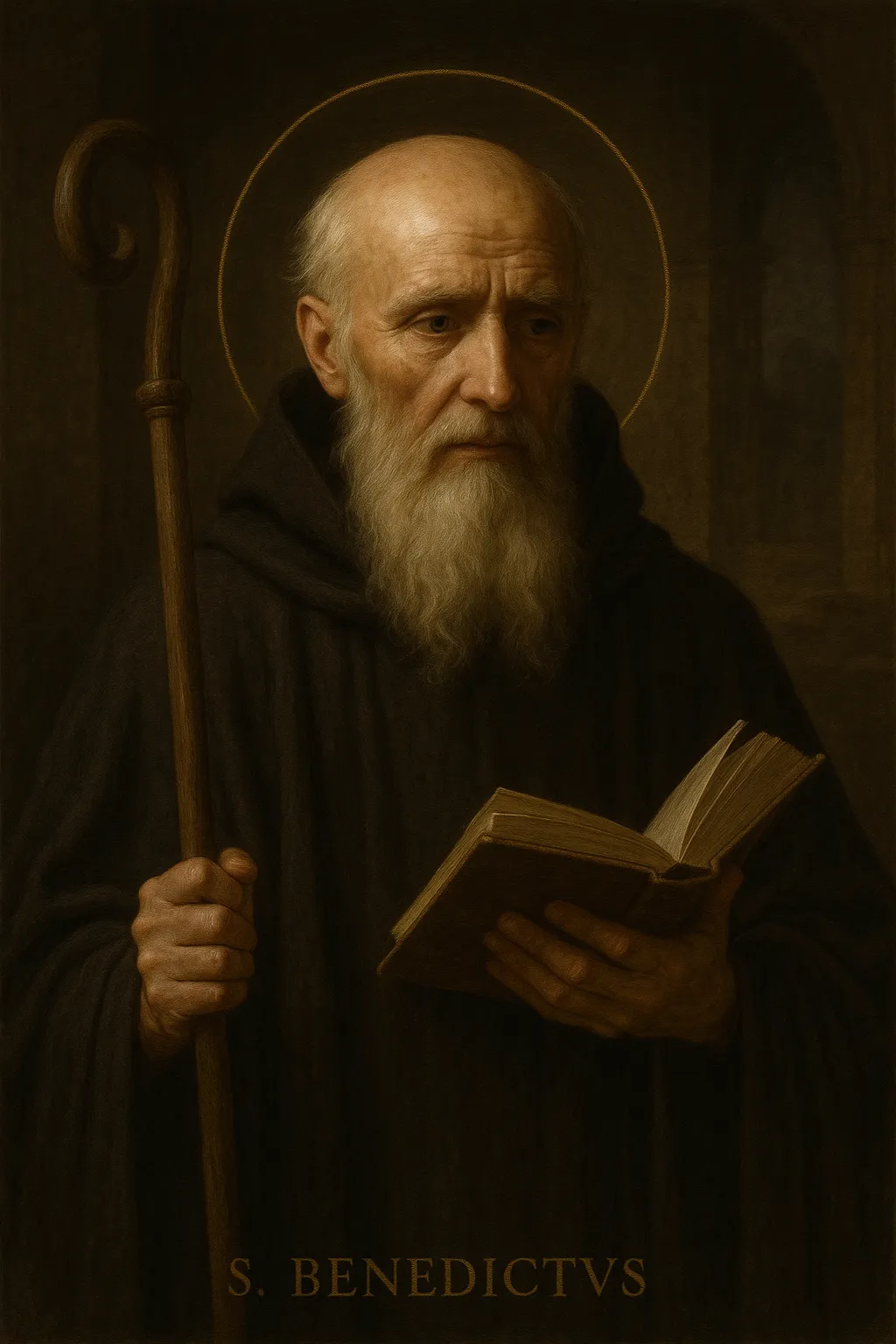
- Saint Benedict His Rule · the life the community here has kept since 1025 Montserrat has been a Benedictine house since Abbot Oliba founded it in 1025, and the community still lives by his Rule. The prayer and work that shape an ordinary day on the mountain are his.
Within walking distance.
-
Pilgrimage route
The Ignatian Way
The Camino Ignaciano follows the 1522 journey that brought Ignatius here. Montserrat is its turning point, and Manresa comes next.
-
Mother church of the Society of Jesus
Church of the Gesù
Where Ignatius is buried. What began with a vigil on this mountain ends beneath an altar in Rome.
Plan your visit.
Written against the Abbey of Montserrat's own history, which supplies the 1025 foundation by Abbot Oliba, the ninth-century chapels, the 945 record of Santa Cecilia, the dating of the image, the 1223 attestation of the Escolania, and Ignatius's pilgrimage of 1522. The abbey gives the finding of the image in 880 as long-standing tradition and dates the carving venerated today to the twelfth or thirteenth century; both are reported as the custodian reports them. Details of Ignatius's vigil come from his own account. Escolania singing times, the hours of the queue to the image, and mountain transport all change through the year; check the sanctuary before travelling.
August 12, 2026
Photo credits
- Hero. Mike McBey / Wikimedia Commons (CC BY 2.0). Source. CC BY-SA 2.0.
- La Moreneta. Jean Robert Thibault / Wikimedia Commons. Source. CC BY-SA 2.0.