Guide · Fátima

Two Days in Fátima: A Catholic Pilgrimage Itinerary

Fátima is two places, and the visit works only when they are kept distinct. Give the first day to the Cova da Iria, where the apparitions were reported and where the Church has answered them with basilicas, sacraments, and unbroken prayer. Give the second to the fields two kilometres south, where three children lived before any of it began.

  • 2 days
  • Two unhurried days, with the sanctuary schedule rather than a checklist setting the shape of each afternoon
  • Reviewed July 2026

The argument

The shape of these days

Most visitors see the Sanctuary of Fátima and leave. That is half a pilgrimage. The esplanade is vast and modern, and it can leave the impression that Fátima is an institution rather than an event that happened to particular children in a particular field. The correction lies two kilometres south, in a hamlet of low stone houses, on a rocky outcrop above it, and in a clearing among olive trees. Two days are enough to hold both, and fewer than two will flatten one into the other.

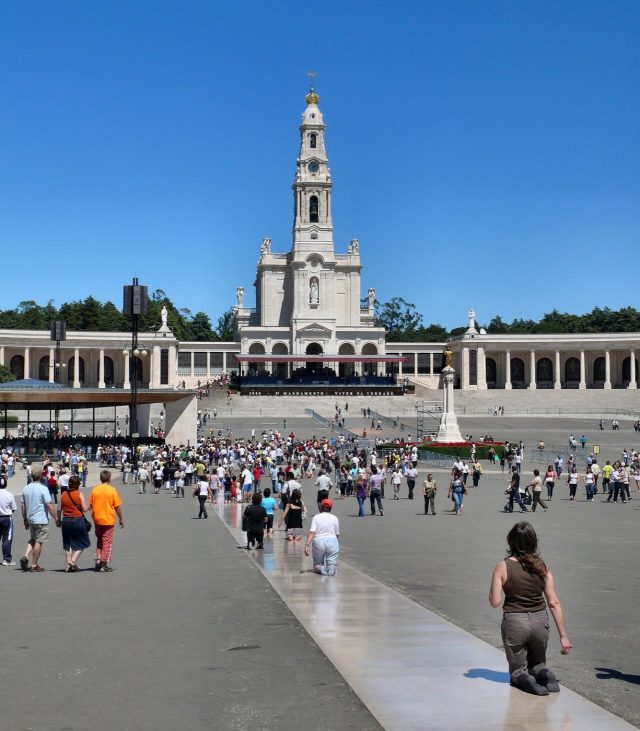
The first day belongs to the Cova da Iria. Begin at the Chapel of the Apparitions, which stands on the spot where the children reported seeing Our Lady on six occasions in 1917, five of them here. The small open chapel is the devotional centre of the whole sanctuary, and it is easy to walk past it toward the larger buildings. Do not. From there the day widens outward: the Basilica of Our Lady of the Rosary, where Saint Francisco Marto, Saint Jacinta Marto, and Venerable Lúcia dos Santos are buried, and then the working sanctuary itself, with its Masses, confessions, adoration, and the evening prayer that gathers the day.

The second day crosses into the country the children actually came from. Aljustrel holds the two family homes and the well where the second apparition of the Angel of Peace is placed in 1916, the year before Our Lady came. The Loca do Cabeço, a short uneven climb above the village, is where the first and third of those angel apparitions are placed. Valinhos, in the olives, is where the fourth apparition of Our Lady was given on 19 August 1917, after the children had been detained on the 13th and could not reach the Cova.

Keep the 1916 and 1917 accounts distinct as you walk. The apparitions of the angel come to us through the memoirs Sister Lúcia wrote decades later and are received within the approved Fátima account. The apparitions of Our Lady in 1917 are the ones the Bishop of Leiria declared worthy of belief in 1930. Holding that difference is not scepticism. It is the ordinary care the Church takes with its own memory, and it makes the second day more interesting rather than less.

End back at the Cova. The return is the point of the structure. On the first morning the Capelinha is where something is reported to have happened. On the second evening it is also the field that three children walked to from houses you have now stood inside.

What this guide leaves out, on purpose

  • The Parish Church of Fátima. The parish church of the children's home village sits west of the sanctuary and would turn the second afternoon into a transport exercise. It has no public page here yet, and the two days do not depend on it.
  • The wax museums and devotional shopping streets. They occupy the approach to the sanctuary and are hard to miss, but they explain nothing about 1916, 1917, or the children, and the two days give their attention elsewhere.
  • A day trip to Santarém, Batalha, or Alcobaça. Each deserves its own visit. Adding one here would cost the shepherd country its day, which is the part of Fátima most visitors never see.

Day 1

The Cova da Iria and the Sanctuary

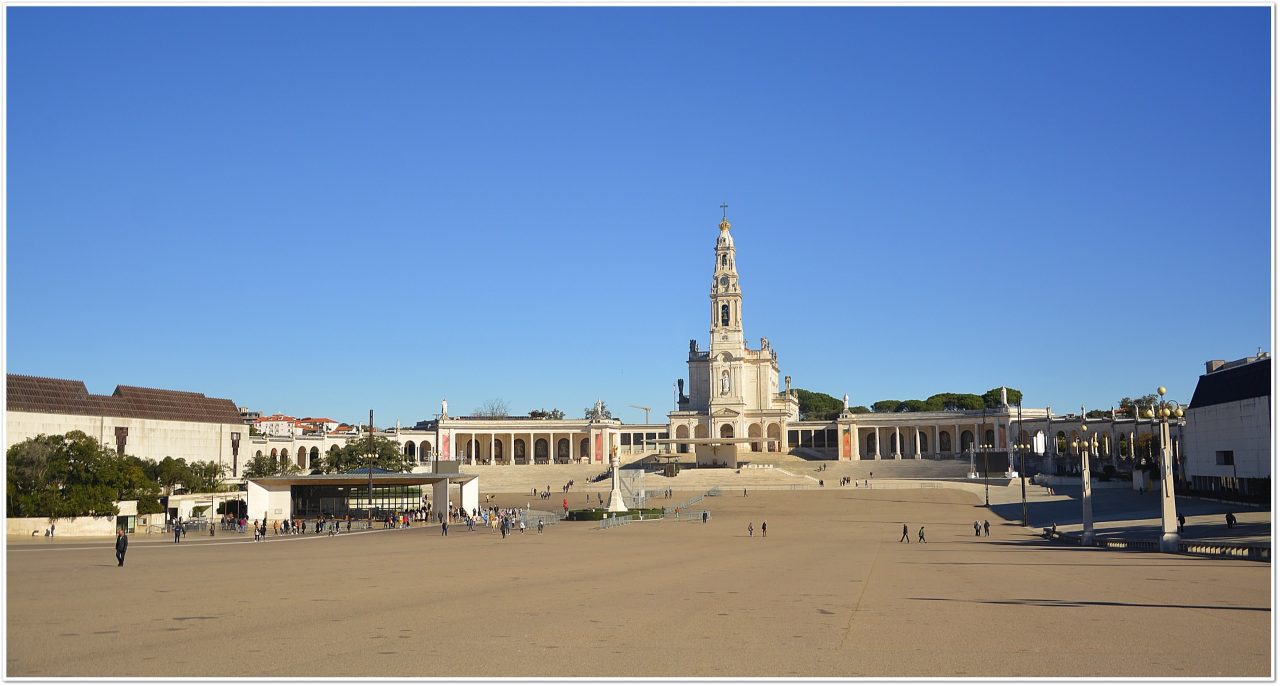
Begin at the small open chapel rather than the large buildings. The Capelinha marks the spot the whole sanctuary was built to protect, and everything else on the esplanade is the Church's answer to it. Move outward from there to the tombs and then to the sacramental life of a working shrine, and let the current schedule rather than a list of buildings order the afternoon.

  • A full day, with the early morning quiet and the evening left open
  • On foot across the sanctuary esplanade, which is level throughout
  • See this day on the map
  1. Early morning, before the coaches arrive

    Chapel of the Apparitions

    Plan on about 30 minutes to 45 minutes

    Start here because the sanctuary makes no sense otherwise. The Capelinha is small, open on one side, and easy to mistake for a shelter on a very large square. It stands where the children reported the apparitions of 1917, and the image of Our Lady of the Rosary of Fátima venerated inside has been the focus of pilgrim prayer since 1920. At this hour you can pray a Rosary here without a crowd forming behind you. Receive the place at its own scale before the basilicas enlarge it.

    Give your time to one unhurried Rosary at the chapel and the simple fact of the spot, rather than photographing the image from every angle.

    Mass and the Rosary are offered at the chapel through the day and the area is kept for prayer, so the quietest interval is the first hour after dawn.

    If the day runs short: If the day collapses, keep this and one Mass. Everything else on the esplanade can wait for another pilgrimage.

  2. Walk north across the esplanade from the Capelinha. The distance is short and completely level, and the scale of the open ground is itself worth noticing on the way.

  3. Late morning

    Basilica of Our Lady of the Rosary

    Plan on about 30 minutes to 45 minutes

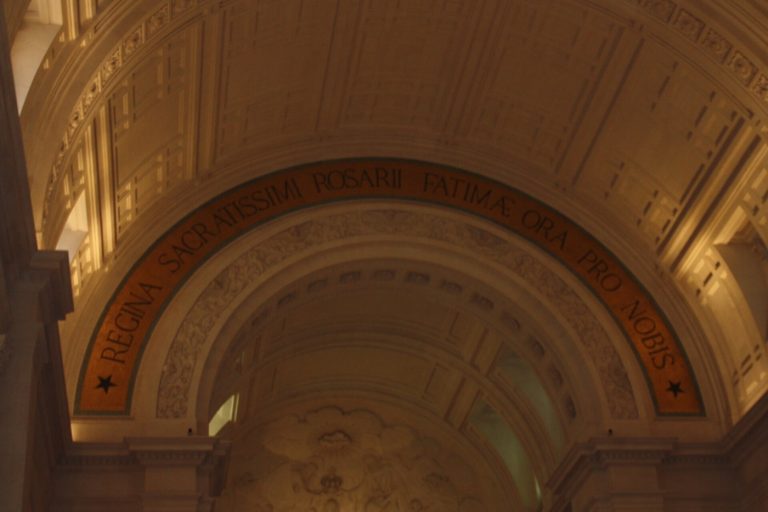
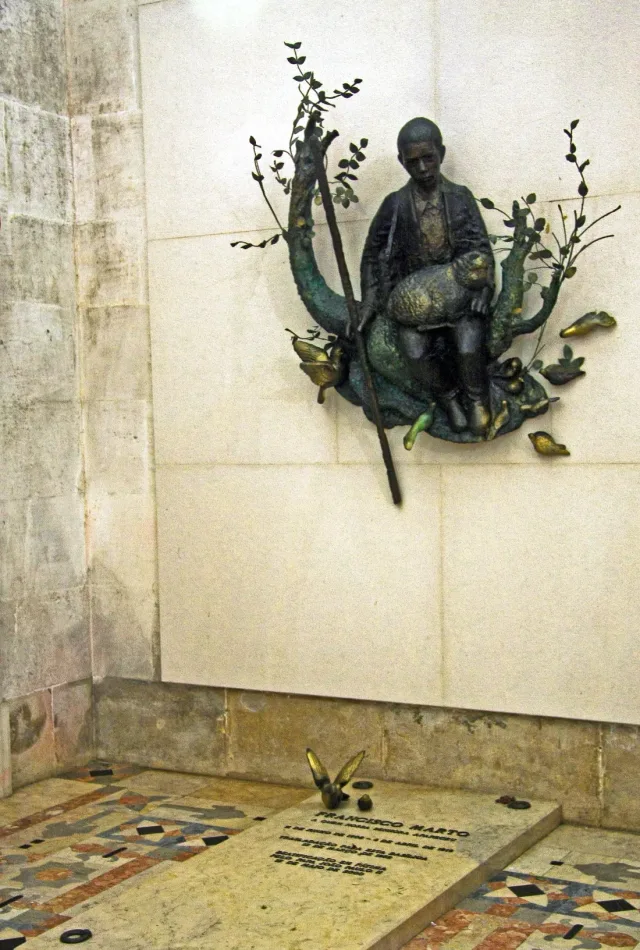
    Come here second, when the Capelinha has already fixed what this place is about. The basilica holds the graves of Saint Francisco Marto and Saint Jacinta Marto, canonized in 2017, and of Venerable Lúcia dos Santos, whose cause remains open. Standing between the tombs of two canonized children and their older cousin does something no explanation achieves: it makes the message of Fátima a matter of three particular lives, lived out in illness, early death, and in Lúcia's case eighty more years of ordinary religious obedience.

    Give your time to the three tombs in the transepts, and a few minutes at each rather than a circuit of the whole interior.

    The basilica is a place of prayer with liturgies through the day. Enter quietly and keep to the aisles when a Mass is in progress.

  4. Pause · Midday

    A real break off the esplanade

    Leave the sanctuary for food and shade rather than eating on the move between devotions. The esplanade is large, bright, and almost entirely without shelter, and the afternoon needs attention you will not have if you spend the middle of the day walking it. Come back with the current schedule and decide honestly what the rest of the day can hold.

  5. Stay within the sanctuary grounds but change the mode of the visit, from looking at the place to taking part in what happens there.

  6. Afternoon into the evening, ordered by the current schedule

    Sanctuary of Our Lady of Fátima

    Plan on about 1½ hours to 3 hours

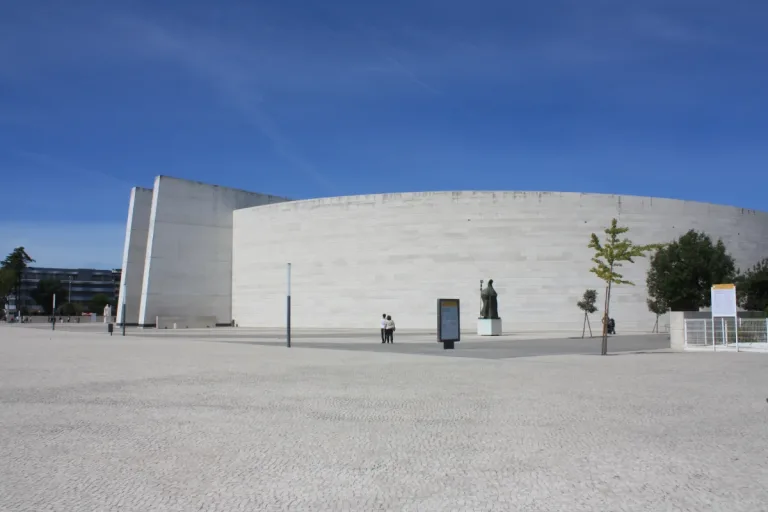
    The afternoon belongs to the sanctuary as a working shrine rather than as a set of monuments. Give it what only a functioning place of pilgrimage can offer: a current Mass, confession if you are disposed, time before the Blessed Sacrament, and the evening Rosary at the Capelinha. The Basilica of the Most Holy Trinity at the south end is worth entering for what it is, a very large modern church built to hold the congregations the older basilica cannot, rather than for decoration it deliberately does not have.

    Give your time to one Mass, confession, and the evening prayer; fit the Trinity Basilica and the monuments around those, not the other way round.

    Times, languages, and seasonal availability change through the year. Use the sanctuary's own schedule for Mass, confession, adoration, and the evening procession rather than planning around fixed hours.

    If the day runs short: Choose the sacraments over a complete architectural circuit. The buildings will be here; today's confession and Mass belong to today.

If the candlelight procession is running, let it close the day; it moves across the esplanade after the evening Rosary through the main pilgrimage season and on the 12th of each month, and it is the one moment when the scale of the square makes sense. If it is not running, return to the Capelinha once the groups have gone and pray there in the dark instead. Do not substitute another sight.

Day 2

Aljustrel and the shepherd country

Everything on the esplanade refers back to three children from a hamlet two kilometres south, and the second day goes to see it. Walk the sequence in the order their lives ran: the houses, then the outcrop where the angel is placed in 1916, then the clearing where Our Lady came in August 1917. The country is small, poor, and still agricultural, and it does more to explain Fátima than any building at the Cova.

  • A country day of about six hours, including the walk out and back
  • About two kilometres south to Aljustrel, then on hillside paths between the three sites
  • See this day on the map
  1. Walk south from the sanctuary, or take a taxi or the seasonal pilgrim shuttle. The two kilometres are worth walking if the weather allows, because the distance is exactly what the children covered with their sheep.

  2. Morning, walking out early while it is cool

    Aljustrel

    Plan on about 45 minutes to 1 h 15 min

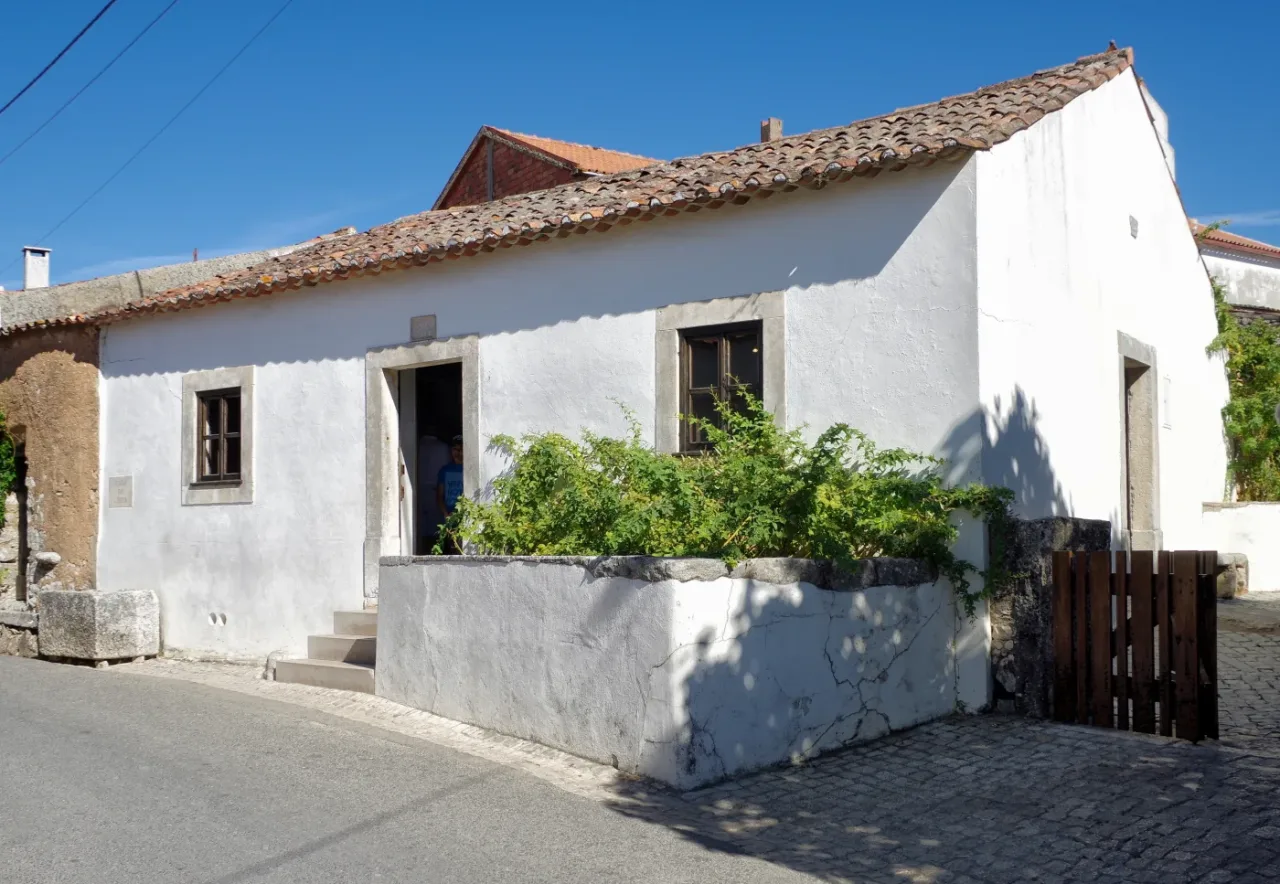
    Begin with the houses, because the children have to be people before the apparitions mean anything. The Marto family home, where Saint Francisco died in 1919 and which Saint Jacinta left for the hospital she did not come back from, and the dos Santos house next along the lane are kept much as they were. They are small, dark, and plainly poor. Behind Lúcia's house is the well of the Arneiro, where the second apparition of the Angel of Peace is placed in the summer of 1916. Stand in the yard and notice that this is where the story starts, a year before the Cova.

    Give your time to the two houses at their real scale and the well behind Lúcia's, taken slowly and in the order the lane gives them.

    The lanes are level but the surfaces are old and uneven, and the house interiors are small and narrow. Opening hours are seasonal, so check before setting out if a specific interior matters to you.

  3. Take the path up from the village. It is short, rocky, and shaded in parts, and it climbs steadily.

  4. Late morning

    Loca do Cabeço

    Plan on about 30 minutes to 1 hour

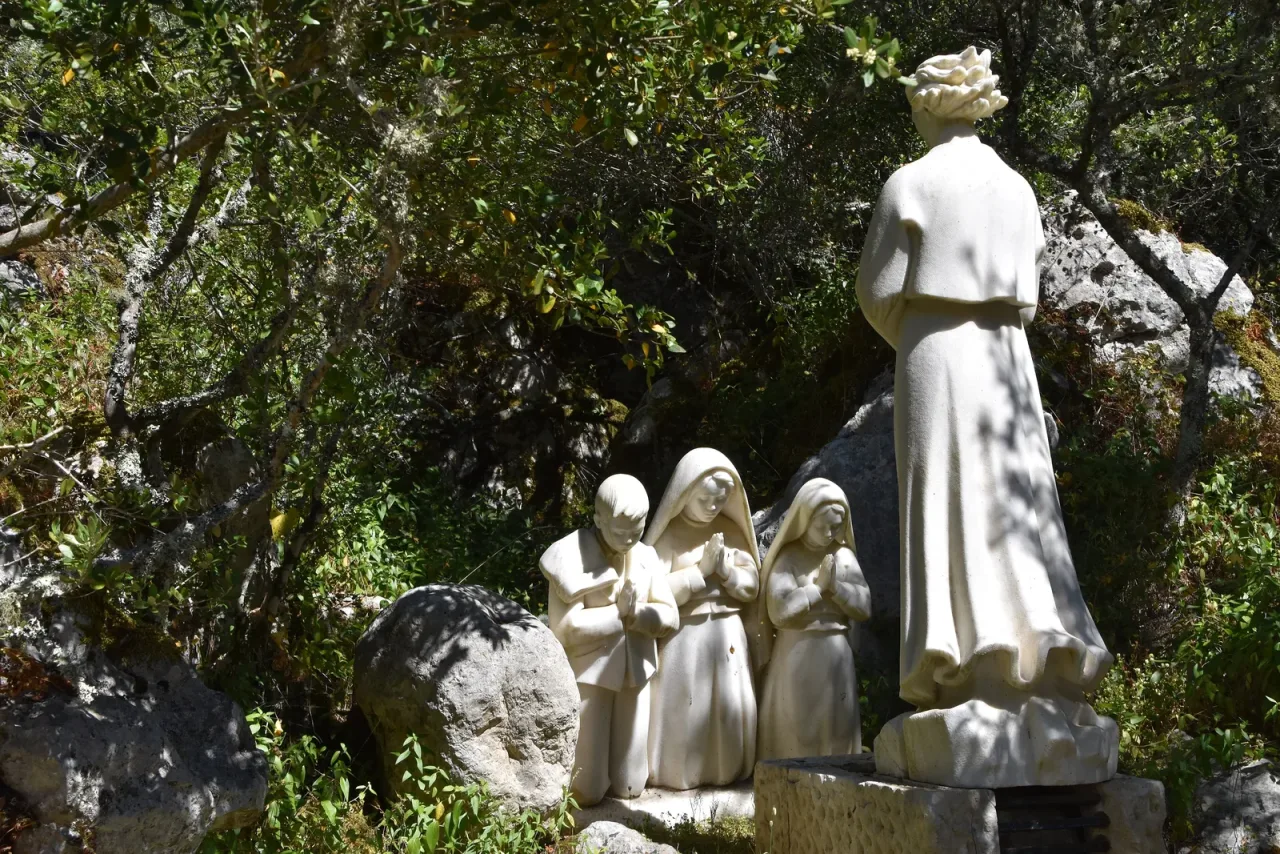
    Climb to the outcrop above the village, where the first and third apparitions of the Angel of Peace are placed in 1916. The third was Eucharistic, and the prayers of adoration and reparation the children reported learning here run underneath everything that came the following year. This is also the point at which the guide asks you to hold a distinction: the angel apparitions come to us through the memoirs Sister Lúcia wrote decades afterwards and are received within the approved Fátima account, while the 1917 Marian apparitions are those the Bishop of Leiria declared worthy of belief in 1930.

    Give your time to the shelter in the rocks itself and a period of silence there; the Loca is quiet and set apart in a way the esplanade cannot be.

    The approach is a short but genuinely uneven climb on unpaved ground and is not step free. Wear proper shoes and avoid it in wet weather.

    If the day runs short: If the climb is beyond you today, pray at the well of the Arneiro in the village instead. It marks the second of the same three angel apparitions and needs no ascent.

  5. Follow the marked path from the Cabeço toward Valinhos, climbing gently through olive ground.

  6. In passing · Between the Cabeço and Valinhos

    The Way of the Cross and the Hungarian Calvary

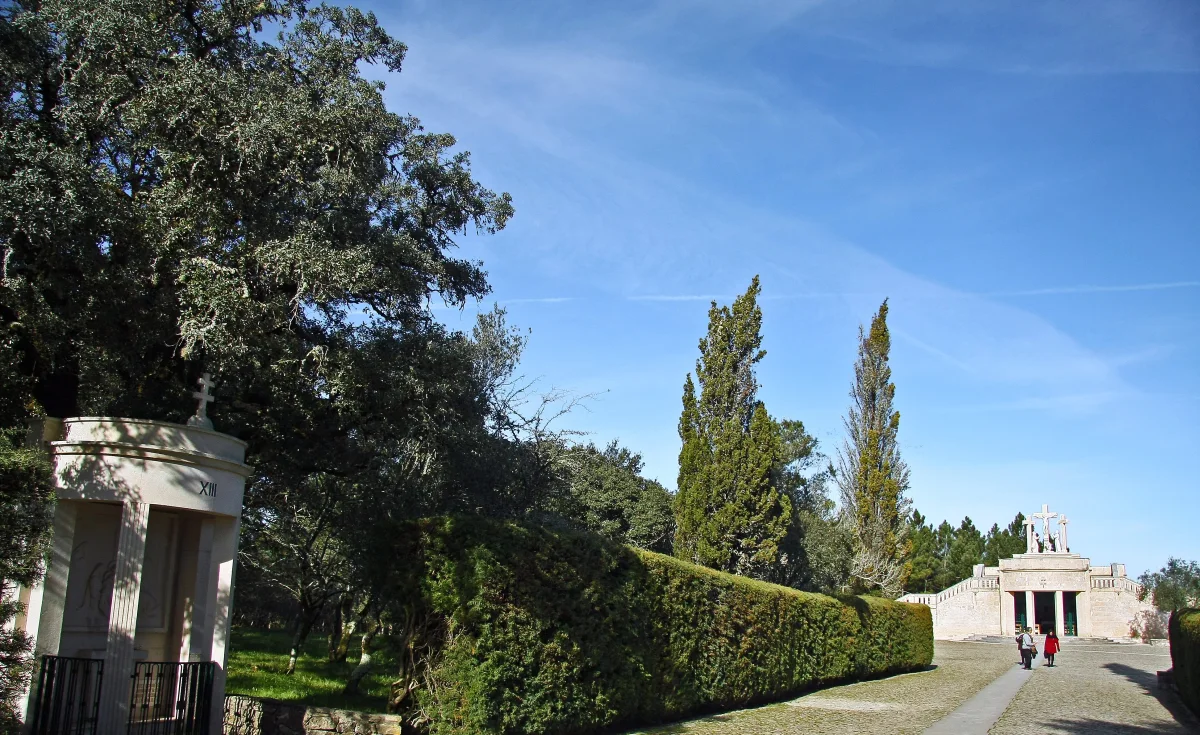
    The stations built by Hungarian Catholics run along the path the children used between the village and the Cova, and Valinhos itself lies between the eighth and ninth of them. Walking this stretch as a Way of the Cross rather than as a transfer is the natural way to join the morning to the afternoon. It is prayer and not an endurance test, so take it at whatever pace the day has left you.

  7. Continue on the path between the stations. Valinhos falls between the eighth and ninth, so the arrival can come without breaking the prayer.

  8. Early afternoon

    Valinhos

    Plan on about 25 minutes to 45 minutes

    Valinhos is the one 1917 apparition given away from the Cova. On 13 August the children were detained by the Administrator of Ourém and could not go, and a crowd waited at the Cova without them. The fourth apparition came here instead, on 19 August, while they were tending sheep. The clearing is small and still agricultural, and it makes the plainest case of the whole pilgrimage: what was reported at the Cova before thousands was also reported here, in olives, with nobody watching.

    Give your time to a decade of the Rosary at the monument in the clearing, and a few minutes looking at the working countryside around it.

    The clearing sits on an uneven hillside among the trees and is not step free. There is little shade on the approach in high summer.

  9. Pause · Late afternoon or evening

    Back to the Cova da Iria

    Walk the last stretch back into the sanctuary rather than taking a taxi if you still can, because arriving on foot from the fields is the whole argument of these two days. Go to the Capelinha again and stay a while. Nothing about the chapel has changed since yesterday morning, but you have now stood in the rooms those children slept in and on the ground they crossed to get here.

End with the evening Rosary at the Capelinha if the timing falls right, or with silence there if it does not. The two days have worked if the sanctuary now reads as an answer to something that happened in the fields you walked this morning, rather than as the reason the fields are visited.

When plans bend

Adapting these days

If you have only one day

Do not attempt both days at half speed. Keep the whole of Day 1 and add only Aljustrel in the late afternoon, going out by taxi or shuttle and returning for the evening prayer. The houses and the well of the Arneiro are the part of the countryside that most changes how the sanctuary reads, and they need no climb. Leave the Cabeço and Valinhos for a second visit rather than rushing all three.

If walking is difficult

Day 1 suits you well: the esplanade is level and paved from end to end, the Capelinha is open and step free, and both basilicas are accessible. Day 2 is a different matter. The climb to the Loca do Cabeço is uneven and unpaved, and the clearing at Valinhos sits on a rough hillside; neither is step free and neither should be attempted on the assumption that it will be manageable. Aljustrel itself is reachable by taxi and its lanes are largely level, though the surfaces are old and the house interiors are narrow. A good second day is Aljustrel by vehicle, the well of the Arneiro, and a long unhurried return to the sanctuary for Mass and the evening Rosary.

With children

The second day is the one that works with children, because it is concrete: a house, a well, a rock, a field. Walk it in that order and keep the explanations short. Protect the midday break, carry water, and remember that the Marto and dos Santos children were seven, nine, and ten. Point that out and let it do its own work.

If the processions are not running

The candlelight procession is seasonal and is not offered every night of the year. If it is not running, do not fill the gap with more sightseeing. The evening Rosary at the Capelinha is offered daily and is the better close in any case.

My Journey

Make these days your own

Save the whole two day pilgrimage to My Journey. Its six principal places arrive in the days and order authored here; reshape them around the current sanctuary schedule, the season, and your own strength.

  • 6 places across 2 days, each in the day and order the guide gives it
  • The days arrive already built; reorder them, move a place, or drop one whenever you like
  • Works without an account, in this browser

You choose the journey it joins before anything is saved.

Editorial responsibility

How this guide was prepared

Prepared by
Eternal Roam Editorial
Responsible editor
Luke Gordon, Eternal Roam
Last reviewed
July 2026
Verification
Desk researched

Researched from official and reliable sources, including the sanctuaries' own published information. This itinerary has not yet been field verified by an Eternal Roam contributor.

Built from the Sanctuary of Fátima's own pages on the places of the apparitions and its current schedule, Eternal Roam's canonical Fátima destination records reviewed in July 2026, mapped coordinates for the walking distances, and licensed documentary photography. Current liturgical times and seasonal processions remain owned by the official schedule rather than by this guide.

Opening hours, Mass times and access change; each place page above carries its current sources. How Eternal Roam researches and reviews its guides is described in our editorial standards.

Sources consulted

Photo credits
  1. Guide hero: Two Days in Fátima: A Catholic Pilgrimage Itinerary. Miguel Ángel García / Wikimedia Commons. Source. CC BY 2.0.
  2. Day 1, photo 1: The Chapel of the Apparitions stands on the spot of the 1917 apparitions and remains the devotional centre of the sanctuary. dynamosquito / Wikimedia Commons (CC BY-SA 2.0). Source. CC BY-SA 2.0.
  3. Day 1, photo 2: The Basilica of Our Lady of the Rosary closes the north end of the esplanade and holds the tombs of the three children. Reis Quarteu / Wikimedia Commons (CC BY-SA 4.0). Source. CC BY-SA 4.0.
  4. Day 1, photo 3: The tomb of Saint Francisco Marto in the transept of the Rosary Basilica, where his sister and cousin are also buried. Vitor Oliveira / Wikimedia Commons (CC BY-SA 2.0). Source. CC BY-SA 2.0.
  5. Day 1, photo 4: The Basilica of the Most Holy Trinity closes the south end of the esplanade and absorbs the largest congregations. Reis Quarteu / Wikimedia Commons. Source. CC BY-SA 4.0.
  6. Day 2, photo 1: The low stone houses of Aljustrel, where the Marto and dos Santos families lived and where Francisco died in 1919. Berthold Werner / Wikimedia Commons (CC BY-SA 4.0). Source. CC BY-SA 4.0.
  7. Day 2, photo 2: The rocky outcrop of the Cabeço, reached by a short uneven climb above the village. The Compass News, Public Domain, via Wikimedia Commons. Source. Public Domain.
  8. Day 2, photo 3: The clearing at Valinhos among the olives, where the apparition of 19 August 1917 was given. Vitor Oliveira / Wikimedia Commons (CC BY-SA 2.0). Source. CC BY-SA 2.0.