
St. Columba of Iona
An Irish monk who crossed to Iona in 563, built a disciplined community of prayer and learning, and helped carry the Gospel through the northern seas.
The Life and Witness of Columba of Iona.
Columba—Colum Cille in Irish tradition—was an Irish monk and abbot born in the early sixth century, probably in the region now called County Donegal. After monastic formation and foundations in Ireland, he crossed with companions to Iona in 563. The monastery he established there became the centre of a wide community of houses and one of the most influential Christian foundations in the northern British Isles.
The broad outline is historical; many familiar motives are hagiographic. Adomnán, a later abbot of Iona writing about a century after Columba’s death, is the principal early biographer. His Life preserves names, landscapes, communal memory, and a portrait of the abbot, but it is organized around prophecy, miracle, and sanctity rather than modern chronological biography.
Columba belonged to the Irish monastic world before he belonged to Scotland. Traditions associate him with foundations at Derry and Durrow, and his familial and ecclesial ties continued to cross the sea after the settlement at Iona. The claim that he left Ireland as a judicial exile after a battle is much later and should not be treated as the settled reason for his departure.
From Iona, Columba and his community worked among the Gaelic kingdom of Dál Riata and engaged the Pictish north. Bede later credits him with preaching to the northern Picts. It is more accurate to speak of Columba’s personal mission joined to the sustained work of his monastic community than to imagine one man converting all of Scotland.
Columba died on Iona in 597. His community kept his memory and shrine, produced manuscripts and sculpture, and sent missionaries and founders into northern Britain. Viking raids later scattered part of the relic tradition toward Dunkeld and Ireland. Iona remained a place of pilgrimage, and the small stone shrine near the abbey church still gives the modern pilgrim a physical focus without requiring certainty about the present location of his bodily remains.
Columba binds Ireland and Scotland without erasing either. Ireland gave him language, kinship, formation, and early foundations; Iona became the home from which his community prayed, taught, copied, traveled, and shaped Christianity across the northern seas.
A life, in years and approximate ages.
-
c. 521BirthBorn in IrelandColumba is born into the northern Irish world, traditionally at Gartan in what is now County Donegal.
-
mid-6th centuryYoung adultForms and founds in IrelandHe receives monastic and clerical formation and becomes associated with communities including Derry and Durrow before the crossing to Iona.
-
c. 563About 42Founds the community on IonaColumba crosses from Ireland with companions and establishes the monastic community on Iona.
-
later 6th centuryAdultMission in northern BritainColumba and the Iona community minister among Dál Riata and the northern Picts, forming a network of monastic and missionary relationships.
-
c. 597About 75Dies on IonaColumba dies within the community he founded and is remembered at Iona as abbot, teacher, and missionary.
-
697After deathAdomnán writes the LifeAdomnán, ninth abbot of Iona, composes the Life of Columba, preserving the community’s hagiographic memory about a century after the saint’s death.
-
849After deathRelics move amid Viking dangerRelics associated with Columba are removed from Iona for safekeeping, with traditions continuing at Dunkeld and in Ireland.
Dates are approximate where the surviving record is traditional or incomplete.
4 places where this witness remains visible.
Gartan and the Donegal tradition
Receive Gartan as the longstanding birthplace tradition while keeping the exact date and location qualified.
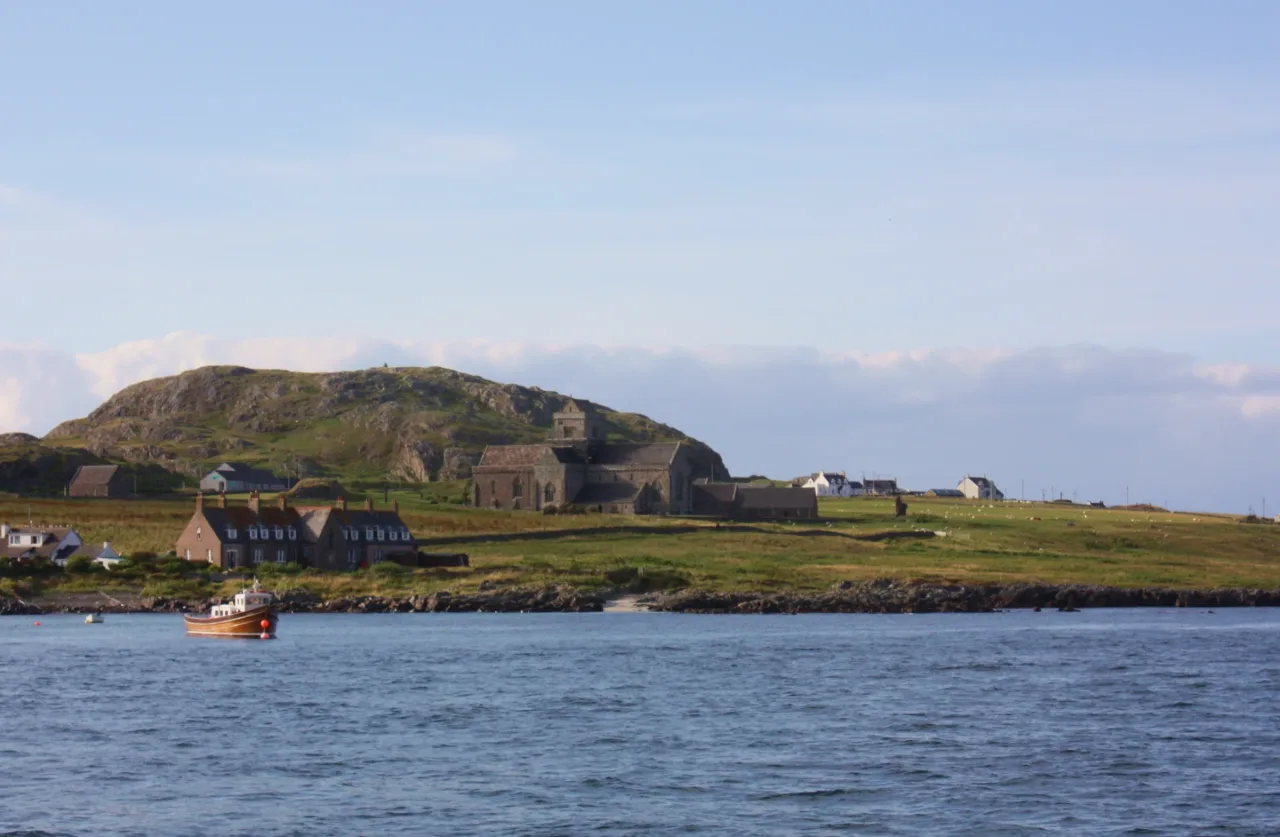
Iona Abbey and Saint Columba’s Shrine
The principal Columba pilgrimage: the early monastic landscape, the later abbey, and the small stone shrine beside the church.
Dunkeld Cathedral
Historic Environment Scotland records the transfer of relics from Iona to Dunkeld in 849. The present church is later and should not be described as an intact Columba tomb.
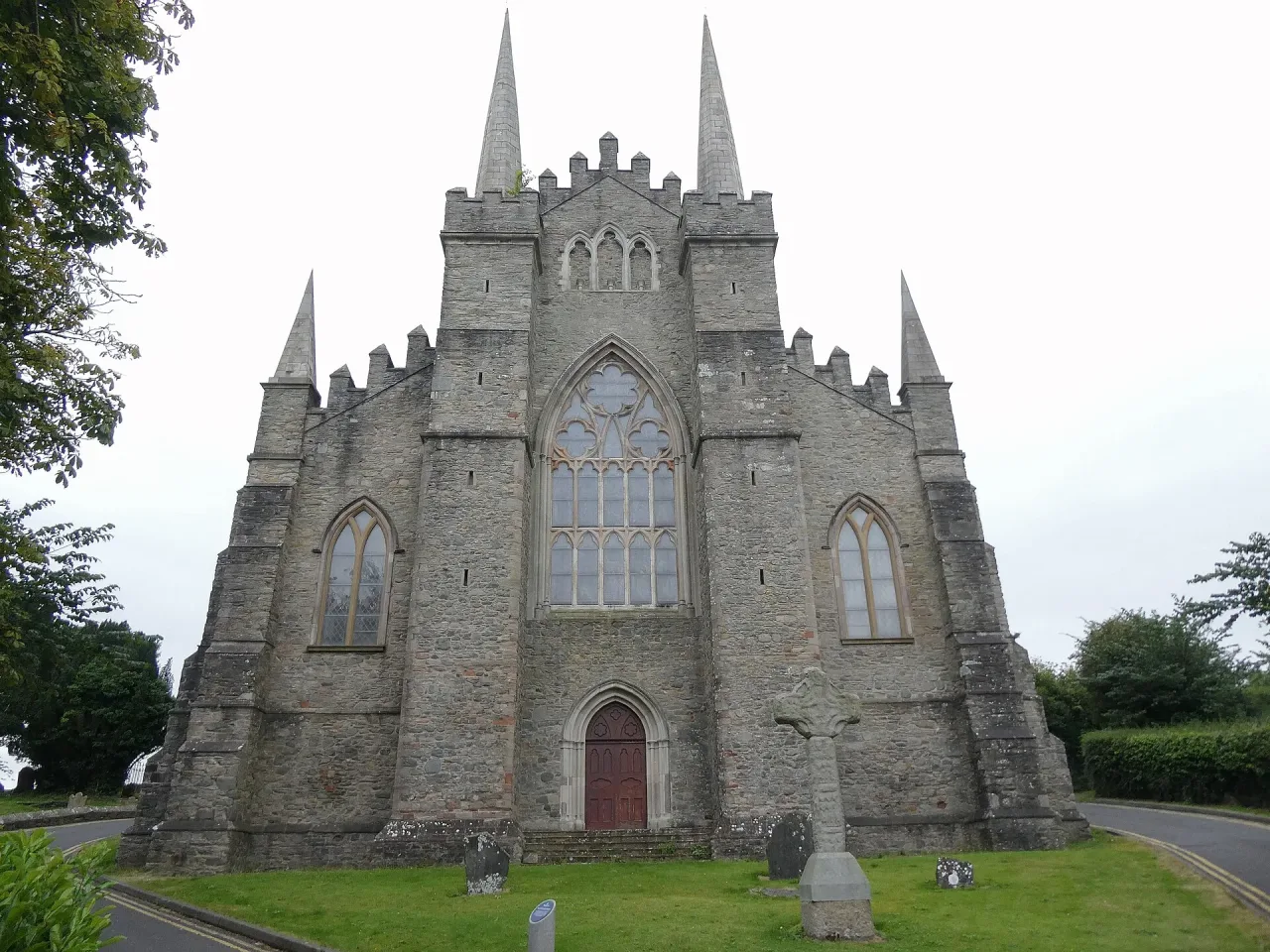
Down Cathedral and Saint Patrick’s Grave
Later tradition joins Columba with Patrick and Brigid at Downpatrick. Eternal Roam presents this as devotional memory, not an authenticated burial or surviving bodily-relic claim.
Saint Columba between Ireland and Scotland · 4 stops.
Columba’s geography crosses the North Channel. Ireland holds his origins and early monastic world; Iona holds his foundation and death; Dunkeld preserves one branch of the relic memory; Downpatrick receives him only in later shared burial tradition.
-
01 Birthplace
Gartan and the Donegal tradition
County Donegal, IrelandReceive Gartan as the longstanding birthplace tradition while keeping the exact date and location qualified.
-
02 Burial place · Ministry · Founded here · Later devotional association
Iona Abbey and Saint Columba’s Shrine
Iona, ScotlandThe principal Columba pilgrimage: the early monastic landscape, the later abbey, and the small stone shrine beside the church.
-
03 Publicly venerated relic · Later devotional association
Dunkeld Cathedral
Dunkeld, ScotlandHistoric Environment Scotland records the transfer of relics from Iona to Dunkeld in 849. The present church is later and should not be described as an intact Columba tomb.
-
04 Later devotional association
Down Cathedral and Saint Patrick’s Grave
Downpatrick, Northern IrelandLater tradition joins Columba with Patrick and Brigid at Downpatrick. Eternal Roam presents this as devotional memory, not an authenticated burial or surviving bodily-relic claim.
This is a regional thread, not a same-day itinerary. Iona now has a canonical destination; Dunkeld remains a researched future seam without a public Eternal Roam page.
Continue with Six Days across Sacred Ireland · Six Days across Sacred Scotland
Let Iona remain a real island and a layered source.
The crossing, weather, community life, archaeology, and later abbey all matter. The site is not a preserved sixth-century monastery, and Adomnán is not a modern reporter.
Columba’s language, formation, kinship, and early foundations are Irish. His Scottish importance should never be narrated by cutting away that first half of his life.
The Life is an exceptionally early and valuable source, but its miracle narratives and theological design are part of what it is. Use it neither as stenography nor as disposable legend.
The visible Benedictine abbey is later than Columba. The early enclosure, the shrine, the crosses, and the archaeological landscape disclose how pilgrimage grew around his community.
Viking pressure dispersed relic traditions toward Dunkeld and Ireland. Iona remains the principal shrine landscape even though the present bodily custody cannot be stated with simple certainty.
A shrine landscape and a dispersed relic tradition
Iona preserves the shrine associated with Columba and the landscape of his monastic foundation. The present stone shrine is later than his death and the abbey church is medieval.
Relics were moved amid Viking raids, with traditions at Dunkeld and in Ireland. Eternal Roam does not claim that a complete authenticated body now rests at Iona, Dunkeld, or Downpatrick.
Saints Connected to Columba of Iona
-
Saint Patrick
Ireland’s earlier missionary patron, joined with Brigid and Columba in later Downpatrick burial memory. -
Saint Brigid of Kildare
A principal patron of Ireland whose monastic foundation at Kildare belongs to the Christian world Columba inherited. -
Saint Margaret of Scotland
The later Scottish queen inherited an already ancient Christian landscape in which Iona and Columba held national importance.
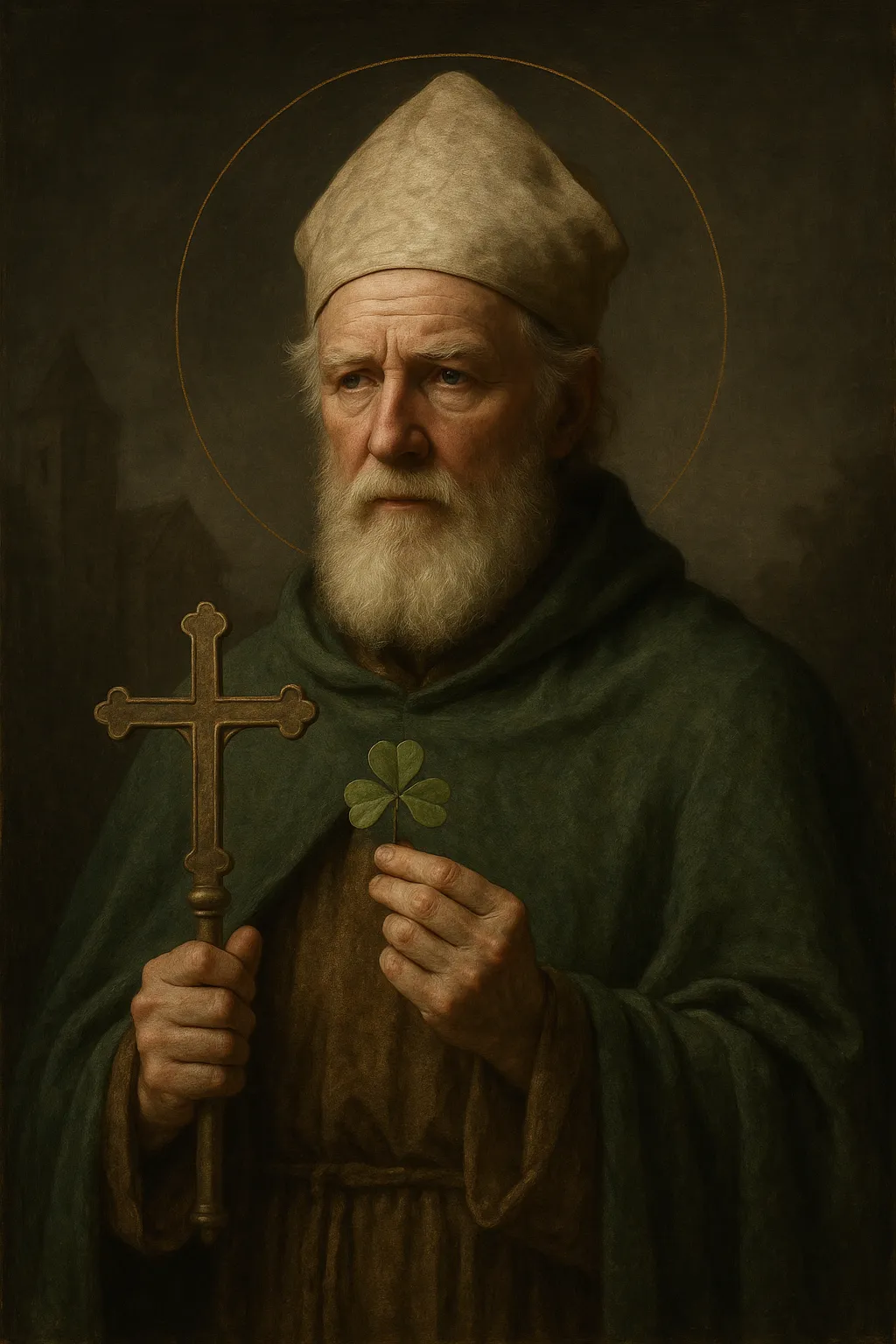
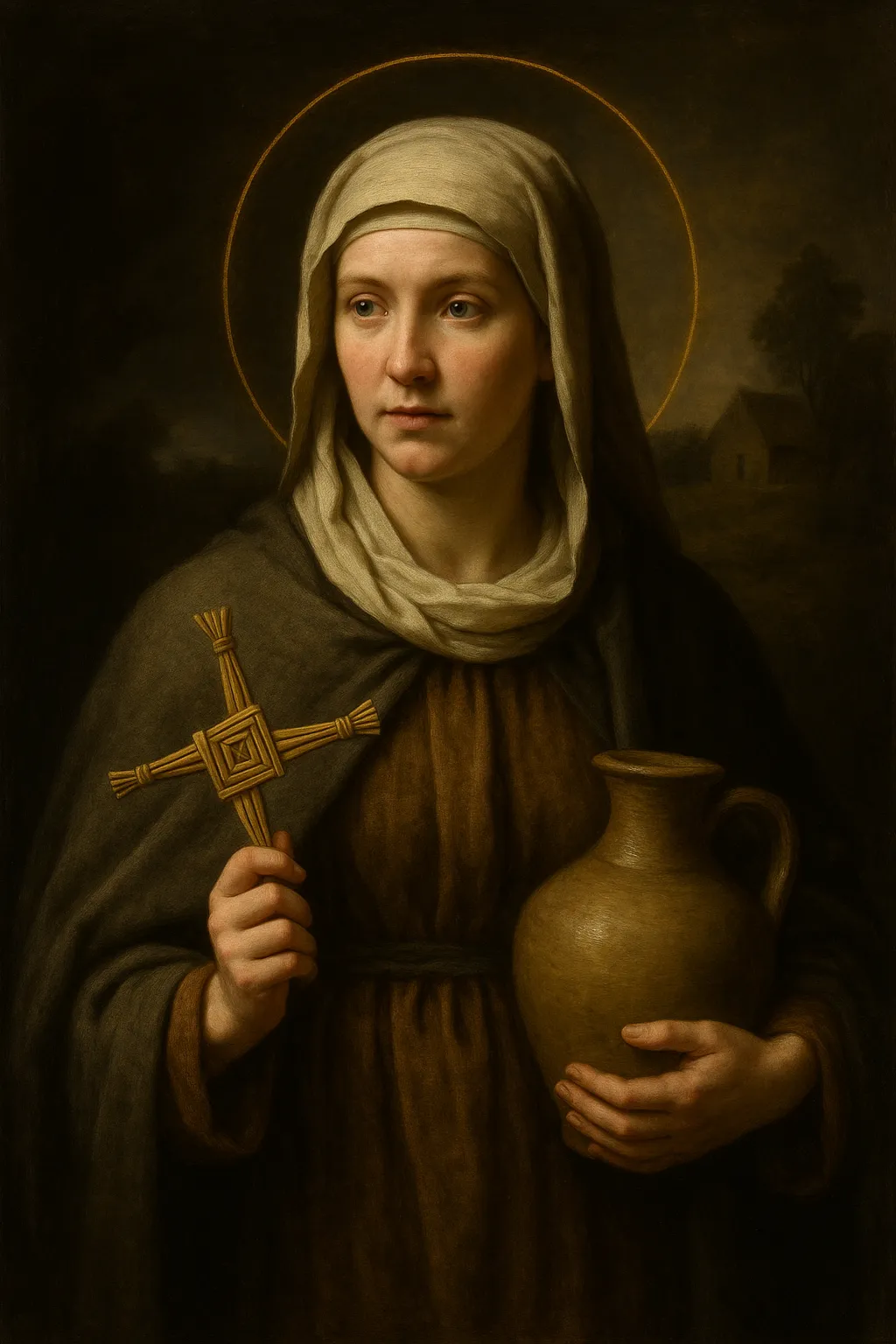
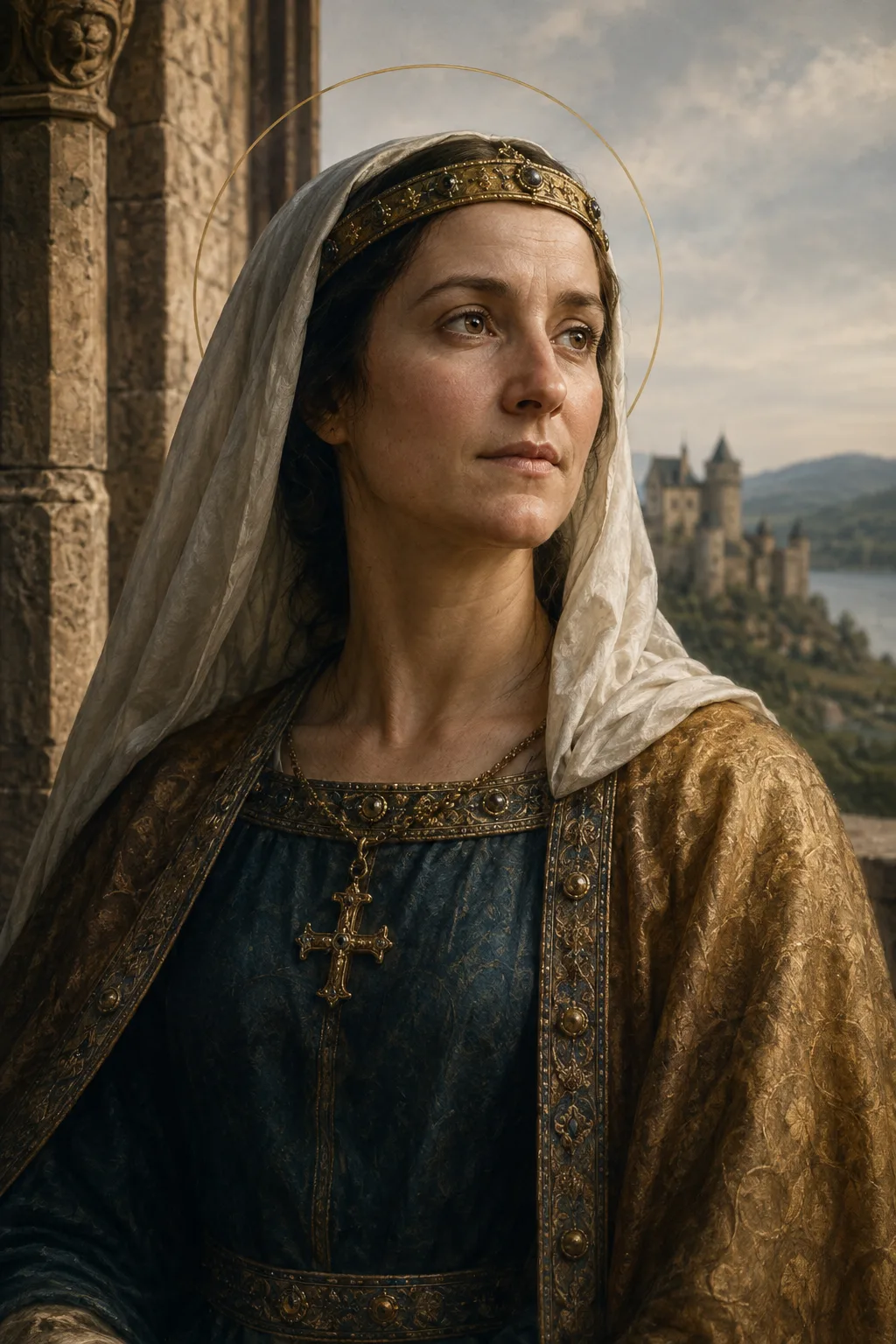
Photo credits
- Saint page. Eternal Roam devotional rendering. Source. Eternal Roam commissioned generation.
- Iona Abbey and Saint Columba’s Shrine. Jan Smith / Wikimedia Commons. Source. CC BY 2.0.
- Down Cathedral and Saint Patrick’s Grave. Gareth James / Geograph Britain and Ireland / Wikimedia Commons (CC BY-SA 2.0). Source. CC BY-SA 2.0.