
St. Francisco Marto
of Aljustrel
He saw what his sister and cousin saw, heard almost none of it, and spent what was left of his life keeping God company.
What those who knew him remembered was not anything he said, but where he went: away from the others, behind a wall or among the rocks, to keep company with what he called the hidden Jesus.
Drawn from the memoirs of Lúcia dos Santos, the surviving witness Well-attested
The shepherd boy of Fátima who gave his short life to consoling the hidden Jesus
Francisco Marto was born in the hamlet of Aljustrel, outside Fátima in central Portugal, on 11 June 1908, and died there on 4 April 1919, aged ten. With his younger sister Jacinta and their cousin Lúcia dos Santos he is one of the three shepherd children associated with the events at the Cova da Iria in 1917. He was canonized in 2017.
He was a shepherd child in a poor farming family, and his world was small: a lane of low houses, a parish church, the sheep, and the rough ground above the village. Nothing in the first eight years of his life marks him out. What the Church later recognized in him grew entirely inside that ordinary world, and never left it.
According to Lúcia's later written memoirs, Francisco saw the apparitions but did not hear the words spoken to the children, and had to be told afterwards what had been said. That detail shapes everything about him. He was not the one who answered questions, argued with officials, or carried the message. He was the one who went off alone to pray, often behind a wall or among the rocks, for what he called the hidden Jesus, meaning the Blessed Sacrament in the tabernacle.
That phrase is the centre of his short life. Where his sister fixed on sinners and on reparation, Francisco fixed on consolation: the conviction that God is offended and grieved, and that someone ought to keep Him company. It is a strikingly simple spirituality, and it belongs to a boy who had no education in theology and no time to acquire any.
He fell ill in the influenza pandemic that reached the village in October 1918 and never recovered. He died at home in Aljustrel on the night of 4 April 1919. He was buried in the parish cemetery at Fátima; his remains were moved into the Basilica of Our Lady of the Rosary at the sanctuary on 13 March 1952, a year after his sister's.
Francisco is remembered for a spirituality that asks almost nothing of circumstance. He had no platform, no writings, and no adult life. What the Church recognized was a child's sustained attention to God, kept up in a poor village through a fatal illness, and offered without complaint.
A life, in years and approximate ages.
-
c. 1908BirthBorn at AljustrelFrancisco Marto is born on 11 June 1908 in Aljustrel, a hamlet in the parish of Fátima, to Manuel Pedro Marto and Olímpia de Jesus.
-
c. 19168The Angel of PeaceWith Jacinta and Lúcia he reports three visits from an Angel of Peace: twice at the Loca do Cabeço above Aljustrel and once at the well behind the dos Santos house. The third was Eucharistic, and taught the children prayers of adoration and reparation.
-
c. 19179The apparitions at the Cova da IriaFrom 13 May 1917 the three children report apparitions of Our Lady at the Cova da Iria. According to Lúcia, Francisco saw the apparitions but did not hear what was said, and was told afterwards.
-
c. 19179Detained at Ourém, and the apparition at ValinhosOn 13 August the children are detained by the Administrator of Ourém and cannot go to the Cova. The apparition they report instead comes at Valinhos on 19 August, while they are tending sheep.
-
c. 191810Illness in the influenza pandemicFrancisco falls ill in October 1918, in the influenza pandemic that reached the village. He does not recover, and spends the winter at home.
-
c. 191910Death at AljustrelHe dies at home on the night of 4 April 1919, aged ten, and is buried in the parish cemetery at Fátima.
-
1952After deathTranslation to the basilicaHis remains are moved from the parish cemetery into the Basilica of Our Lady of the Rosary at the sanctuary on 13 March 1952, opposite his sister, whose remains had been placed there on 1 May 1951.
-
2017After deathCanonized at FátimaPope Francis canonizes Francisco and Jacinta Marto at the sanctuary on 13 May 2017, the centenary of the first reported apparition. They had been beatified there by Pope John Paul II on 13 May 2000.
Dates are approximate where the surviving record is traditional or incomplete.
5 places where this witness remains visible.
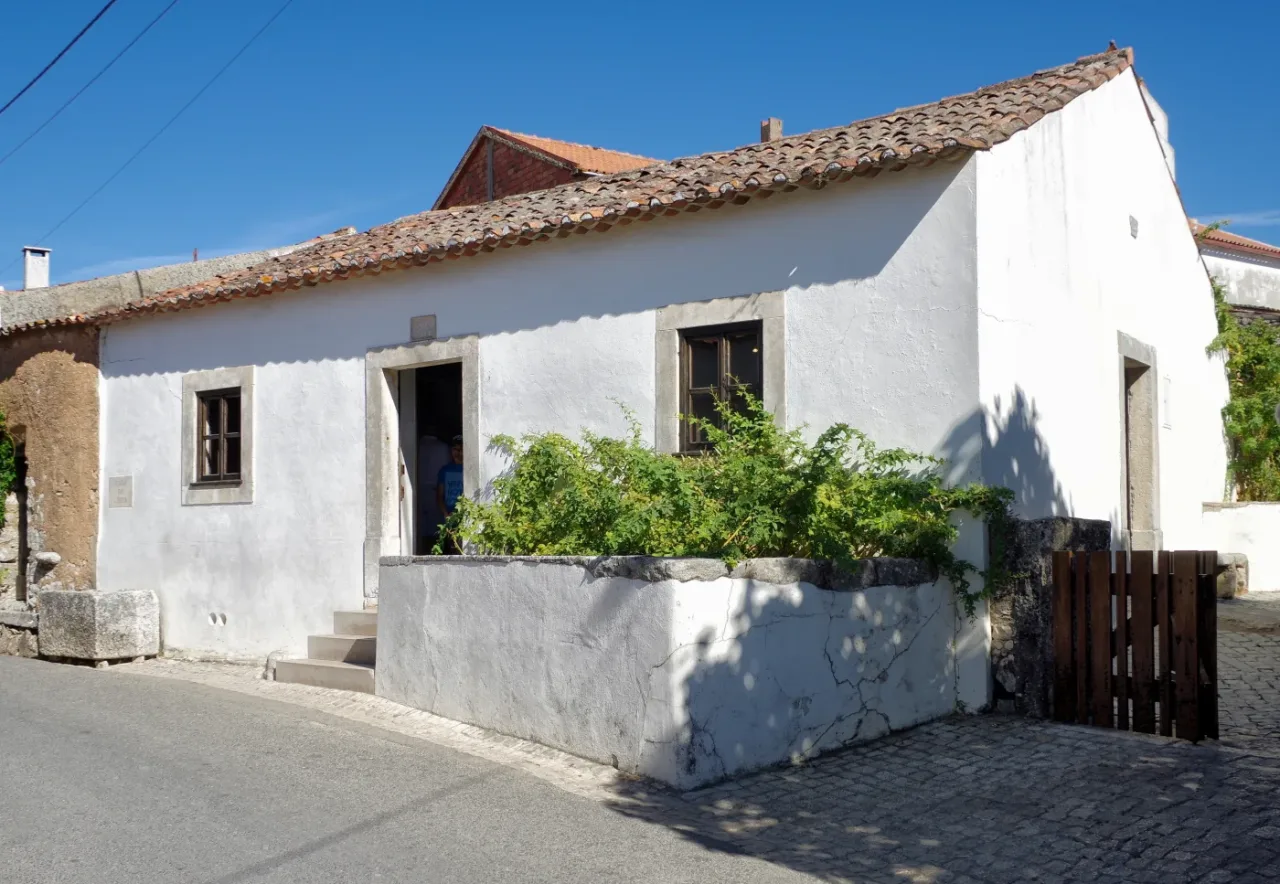
Aljustrel, homes of the shepherd children
Begin here. The Marto family house is where Francisco was born and where he died, and it is kept much as it was: small, dark, and plainly poor. The children have to be people before the apparitions mean anything.
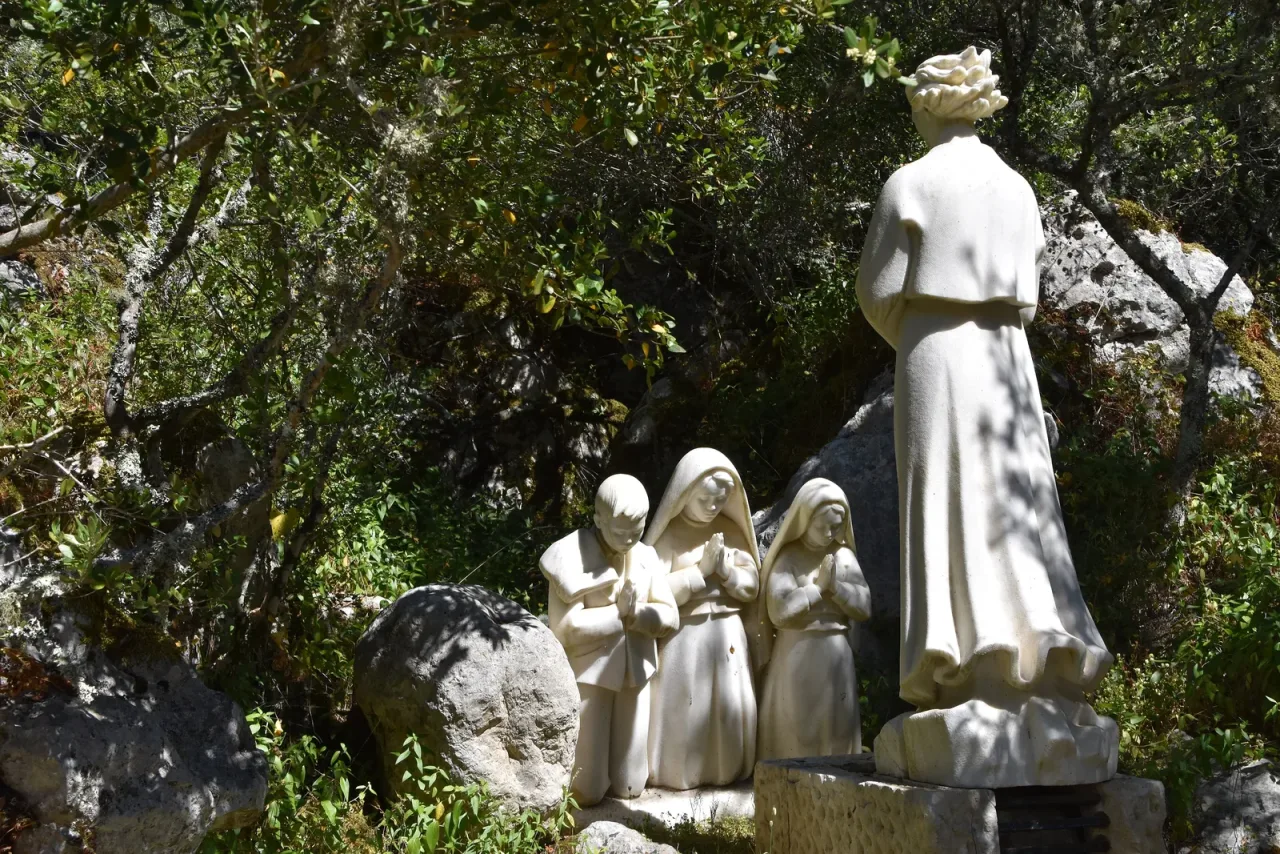
Loca do Cabeço
The rocky outcrop above the village where the first and third apparitions of the Angel of Peace are placed in 1916. The third was Eucharistic, and it is the root of the devotion Francisco kept for the rest of his life. A short uneven climb that is not step free.
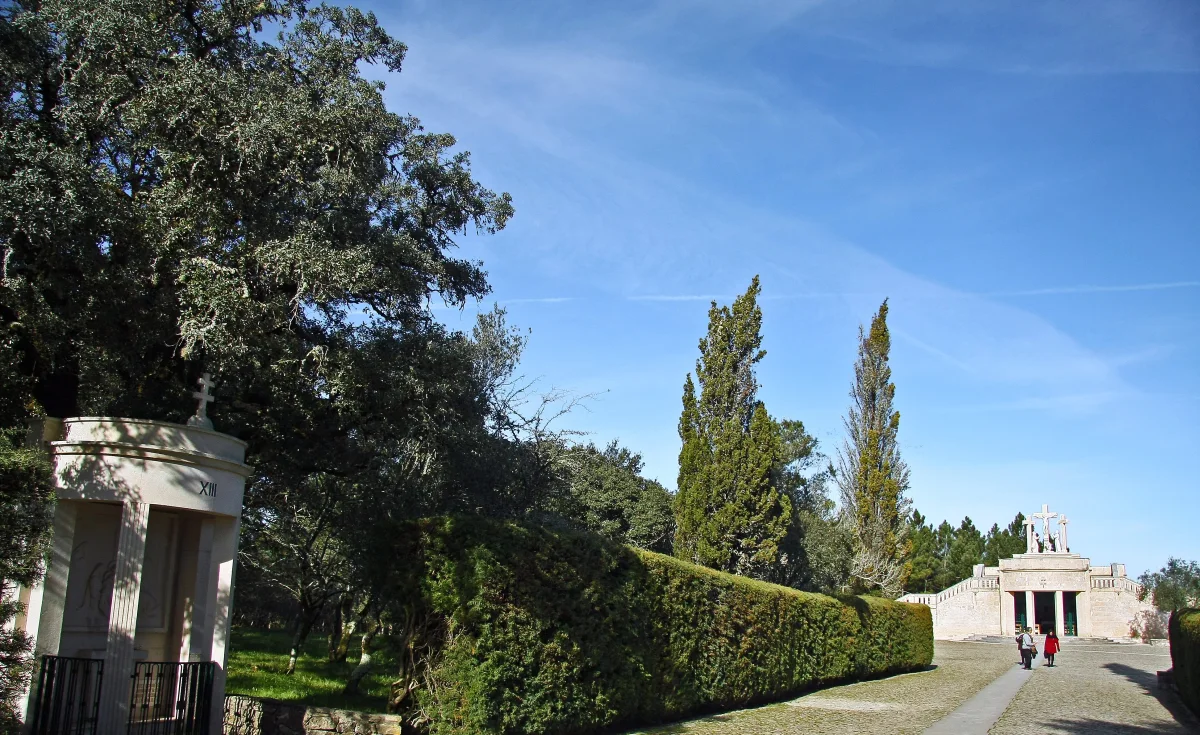
Valinhos
The one 1917 apparition reported away from the Cova, on 19 August, after the children had been detained at Ourém on the appointed day. Still small agricultural ground.
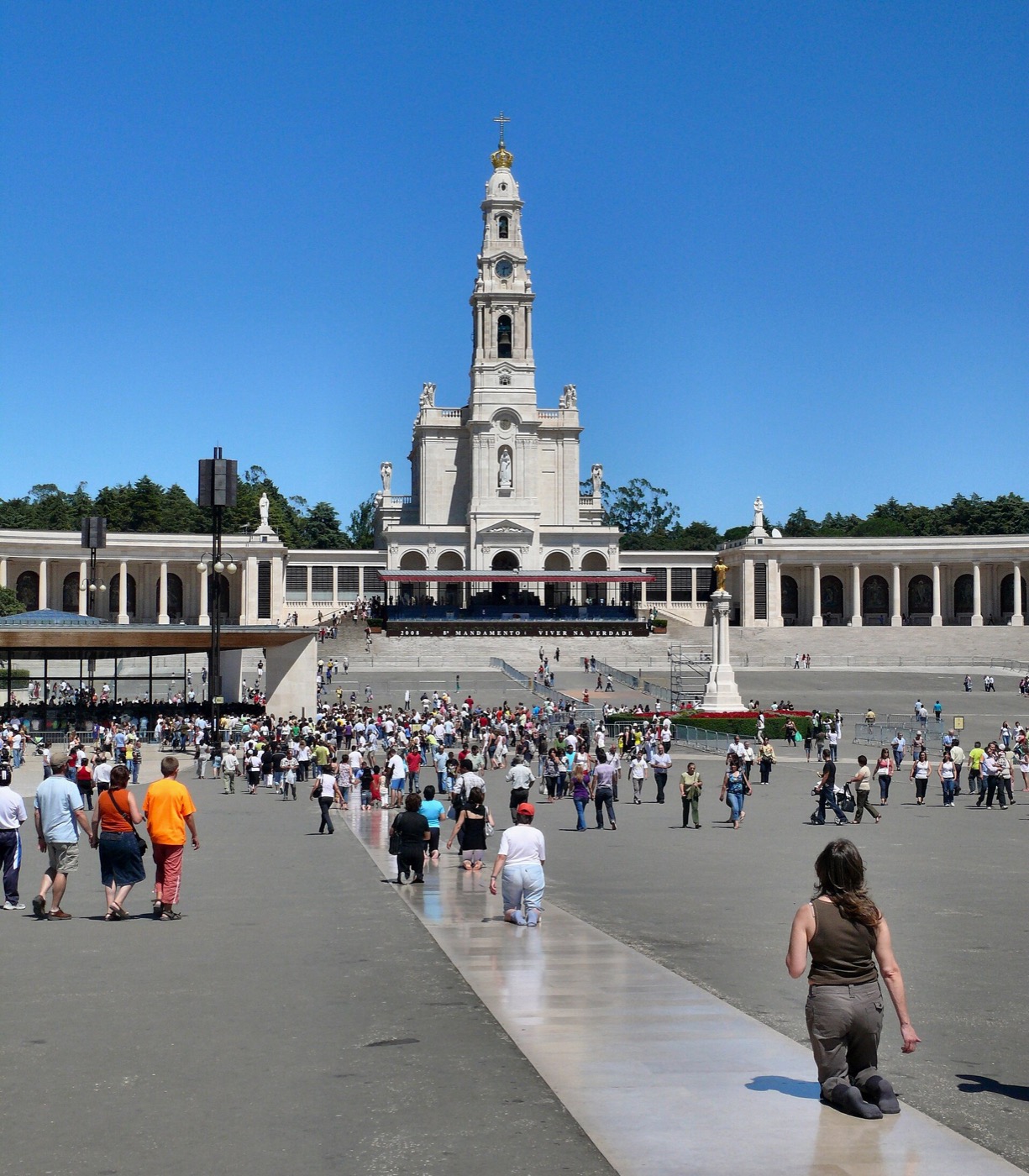
Chapel of the Apparitions
The small open-sided chapel built over the place where the apparitions of 1917 were reported. Come early, before the esplanade fills.
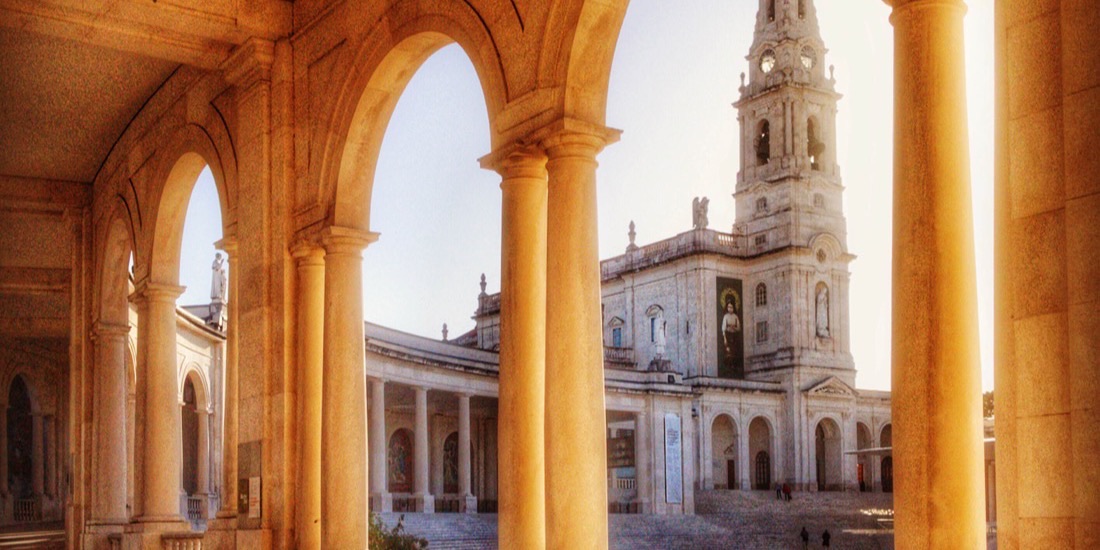
Basilica of Our Lady of the Rosary
The basilica at the head of the sanctuary esplanade holds the graves of both Marto children in its transepts, and the grave of their cousin Venerable Lúcia dos Santos, whose cause remains open.
Where the body is venerated.
The saint is publicly venerated at a named tomb.
Tomb of Saint Francisco Marto
The basilica at the head of the sanctuary esplanade holds the graves of both Marto children in its transepts, and the grave of their cousin Venerable Lúcia dos Santos, whose cause remains open.
- Tomb of Saint Francisco Marto
Pray at the Chapel of the Apparitions first. The tombs mean more once the place where the children said they saw her has been given its own time.
Kindred witnesses
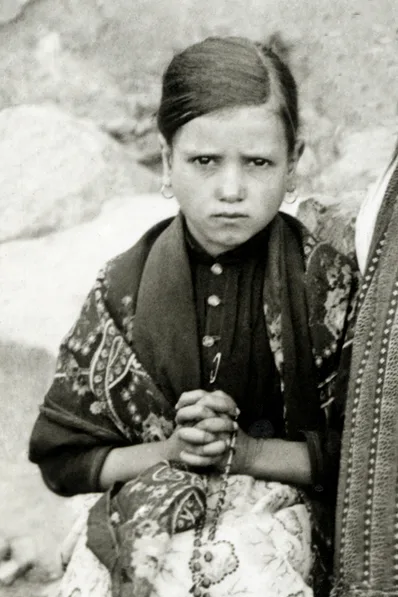
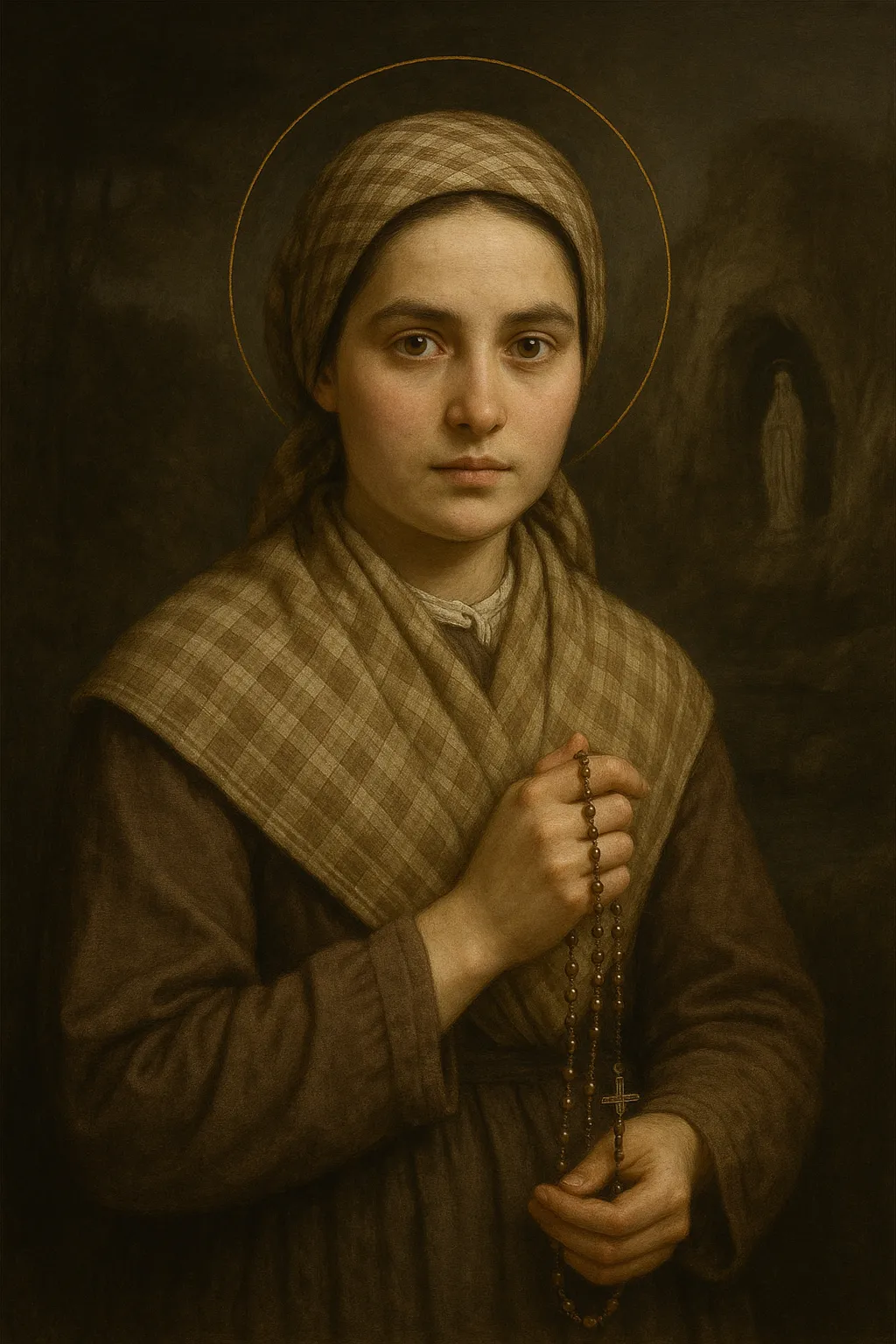
Where this leads next.
Photo credits
- Saint page. Unknown photographer, c. 1917. Public domain, via Wikimedia Commons. Source. Public Domain.
- Aljustrel, homes of the shepherd children. Berthold Werner / Wikimedia Commons (CC BY-SA 4.0). Source. CC BY-SA 4.0.
- Loca do Cabeço. The Compass News, Public Domain, via Wikimedia Commons. Source. Public Domain.
- Valinhos. Vitor Oliveira / Wikimedia Commons (CC BY-SA 2.0). Source. CC BY-SA 2.0.
- Chapel of the Apparitions. dynamosquito / Wikimedia Commons (CC BY-SA 2.0). Source. CC BY-SA 2.0.
- Basilica of Our Lady of the Rosary. PauloGarciaMartins / Wikimedia Commons (CC BY-SA 4.0). Source. CC BY-SA 4.0.