
Tomb of St. Francis of Assisi
The burial place of Francis of Assisi, in a crypt beneath the lower church of the basilica raised over his grave, in the continuous custody of the Franciscan friars.
Why pilgrims come
The town climbs. The pilgrim goes down.
Assisi rises in tiers of pink stone, and almost everything in it points upward. The tomb of Francis does the opposite. From the lower church a narrow stair turns down into rock, the light drops away, and the crowd that filled the frescoed nave a moment earlier goes quiet without being asked. The descent is short. It is also the point: the man who called himself the least of the brothers is not enthroned above the church but held underneath it.
Francis died in 1226, and the friars' own account records that his body was transferred to the basilica raised in his honour in 1230. What waits at the foot of the stair is not a display. The official Franciscan description is exact and unembellished: a simple stone sarcophagus enclosed within the pillar beneath the main altar of the lower church. Excavation reached the grave again in the early nineteenth century, and the crypt in which pilgrims now stand was carved into the solid rock in 1820. Around him, in the corner niches, lie four of his closest companions, Leo, Masseo, Rufino and Angelo, with Jacopa de' Settesoli, the Roman noblewoman who came to him at the end, resting between the two staircases.
Pilgrims do not come here to see something. They come to stand at a stone in the dark, in a church that spent eight centuries building upward from it.
What is venerated here
Several things sit within a few metres of each other in this crypt. They are not the same, and the page keeps them distinct.
The burial place of Francis, described by the friars who keep it as a simple stone sarcophagus enclosed within the pillar beneath the main altar of the lower church. It is deliberately plain, and it is not opened.
The rock chamber carved in 1820 around the tomb, reached by stairs from the lower church. This is as close to the grave as the basilica ordinarily brings anyone, and it is where pilgrims actually pray.
A lamp burns before the tomb, carrying an inscription drawn from Dante's Paradiso. It is the one ornament the crypt allows itself.
Leo, Masseo, Rufino and Angelo, brothers of the first generation, rest in the corner niches. Francis is not buried alone, and the arrangement says something about how he understood his own life.
The Roman widow Francis called Brother Jacopa lies between the two access staircases, the only laywoman in the crypt. Her place here records a friendship that outlasted him.
What a pilgrim can actually see
Stated honestly, with access caveats. Nothing here promises more than the shrine ordinarily offers.
The tomb in its pillar
Open hoursThe sarcophagus is visible within the stone pier at the centre of the crypt, behind an iron grille, lit by the votive lamp. Pilgrims move slowly around a short ambulatory.
·The tomb is not opened and the remains are not exposed. What is offered is proximity, not sight of the relics themselves.
The companions' niches
Open hoursThe four corner tombs are set into the walls of the crypt and are read easily as you walk the circuit.
The lower church above
Open hoursThe crypt is entered from the lower basilica, whose frescoed chapels and low vaults are part of the same descent. Most pilgrims reach the tomb through it rather than going straight down.
·The upper church, lower church and tomb keep different hours from one another. Check the official site before planning a tight visit.
How to visit
A short, practical posture. The shrine will guide you the rest of the way.
Go down before you look up
The frescoes will hold you for an hour if you let them. Pilgrims who come for Francis rather than for Giotto usually take the crypt first, while the basilica is still quiet, and give the painting the time that remains.
Early, and on a weekday
The crypt is small and the circuit is slow. Mid-morning coach arrivals fill it. The first hour after opening, and the last before the lower church closes, are ordinarily the calmest, and the ones in which the silence actually holds.
Check hours at the source
The basilica publishes current hours for the upper church, lower church and tomb separately, and they shift with season, liturgy and feast days. The official site of the Sacro Convento is the authority. Access details on this page were last reviewed on 11 August 2026.
Silence is asked, not suggested
The crypt is a place of prayer and the friars ask for silence in it. Conversation carries in the rock. Dress covering shoulders and knees is expected throughout the basilica.
Clare is at the other end of the street
The Basilica of Saint Clare stands a short walk away across the town. The two tombs are ordinarily walked in one morning, and reading them together is the truest way to take Assisi.
Connected saints & places
Every relic belongs to a saint, a church, and a city. Follow the connections outward: each one names its relationship to what is kept here.
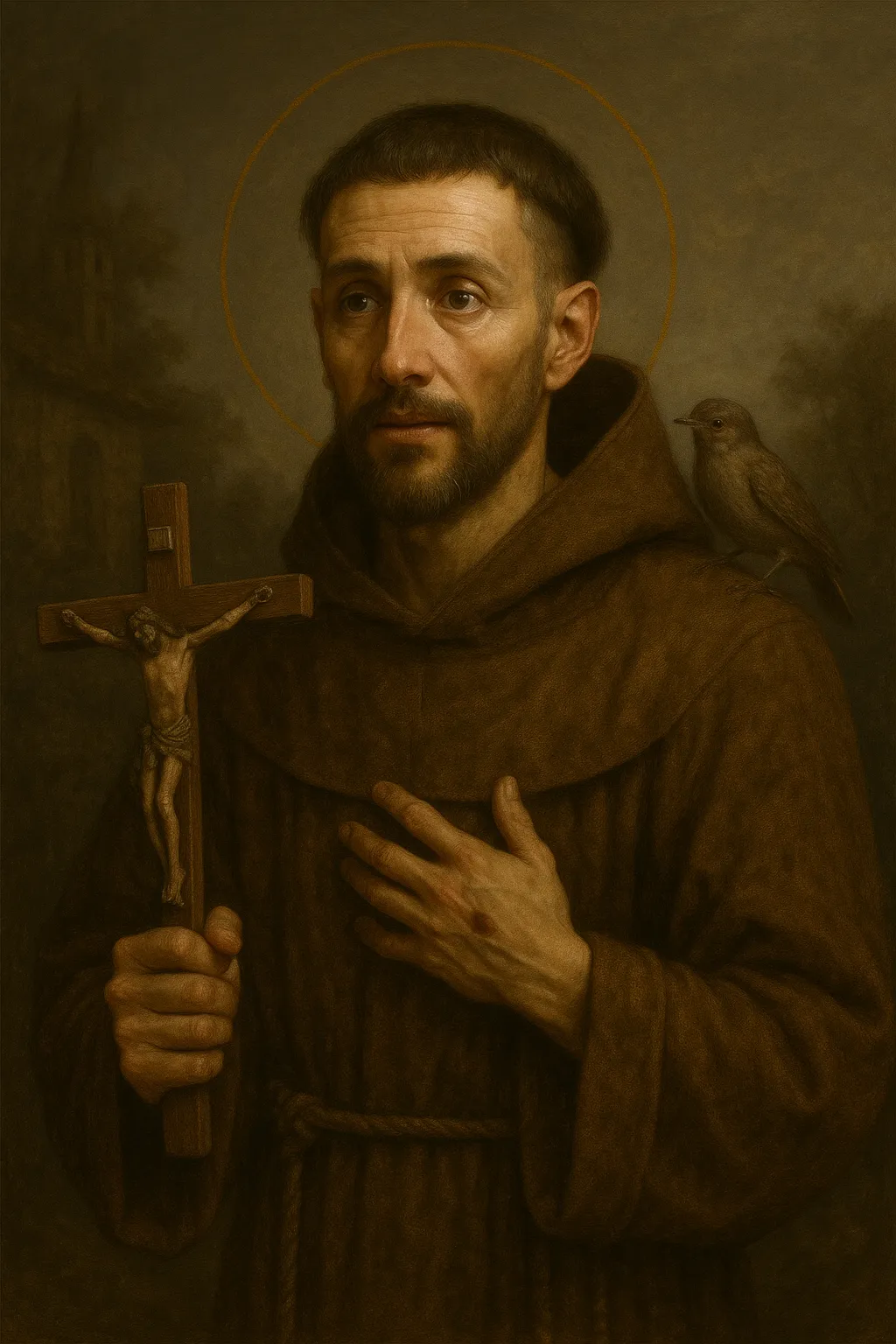
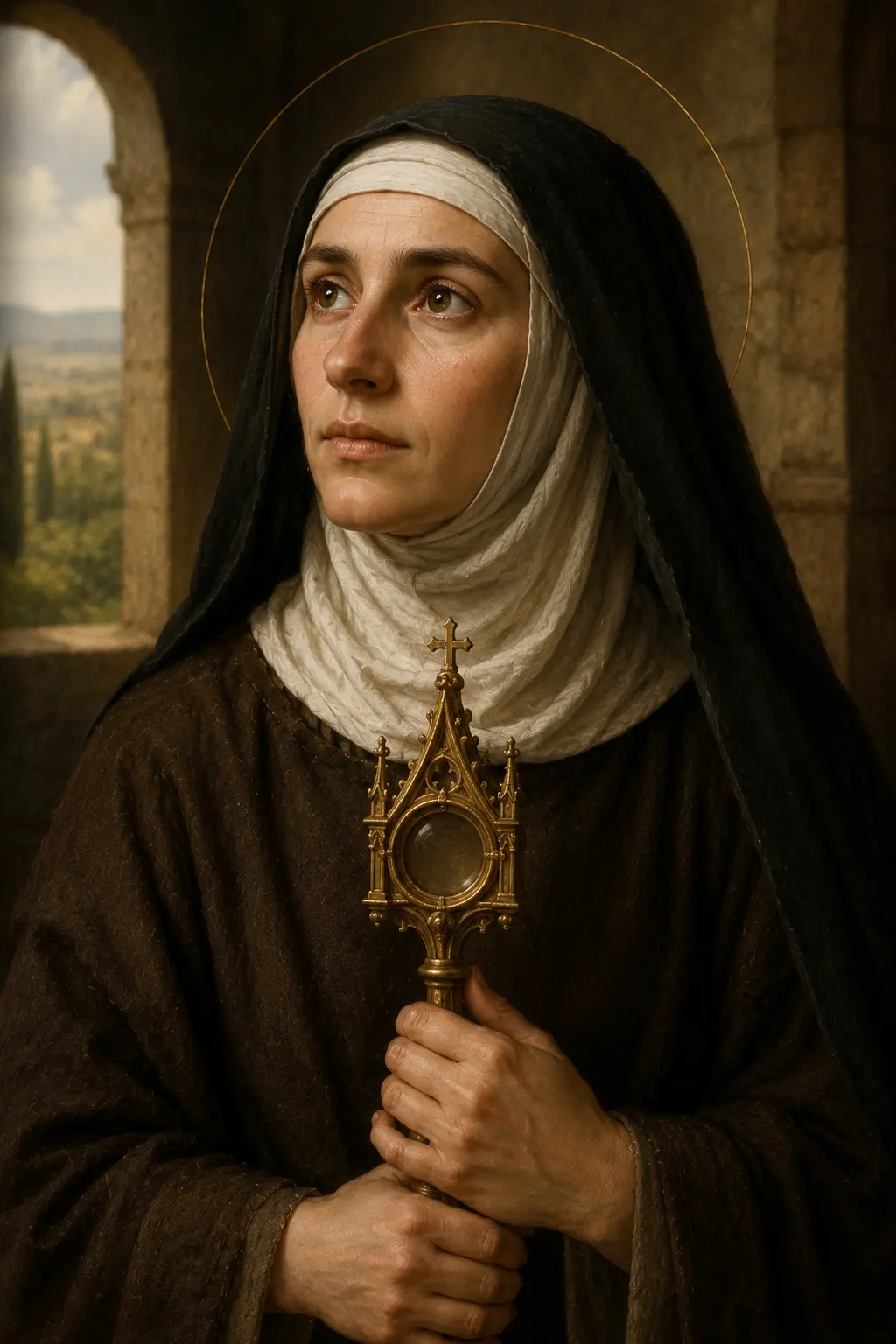
Nearby sacred places
Each carries an honest travel cost. "Nearby" means reachable on the same pilgrimage, not merely thematically linked.
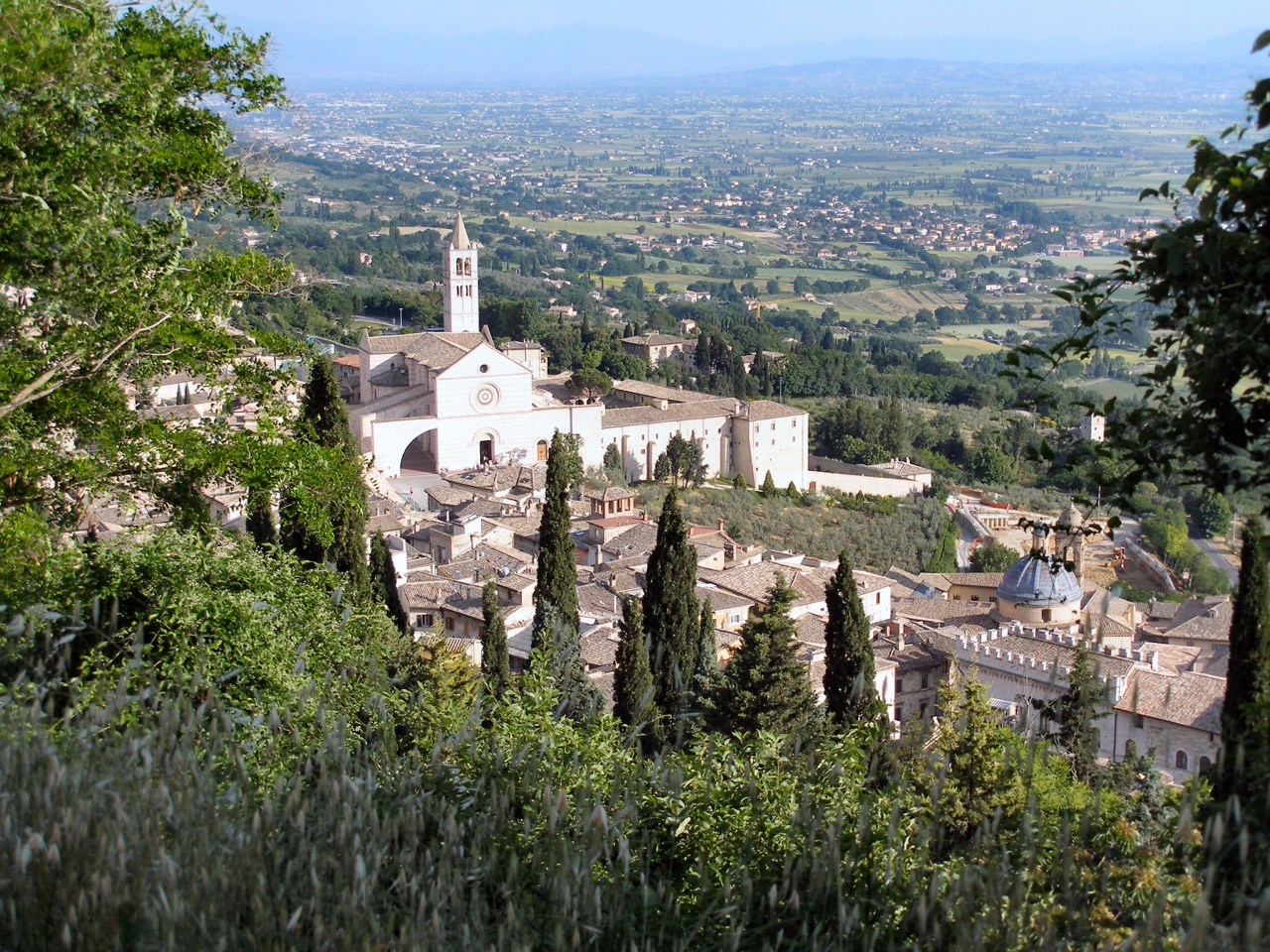
Basilica of Saint Clare
Clare's tomb lies in the crypt of her own basilica, a short walk along the main street. The San Damiano Crucifix is kept here.
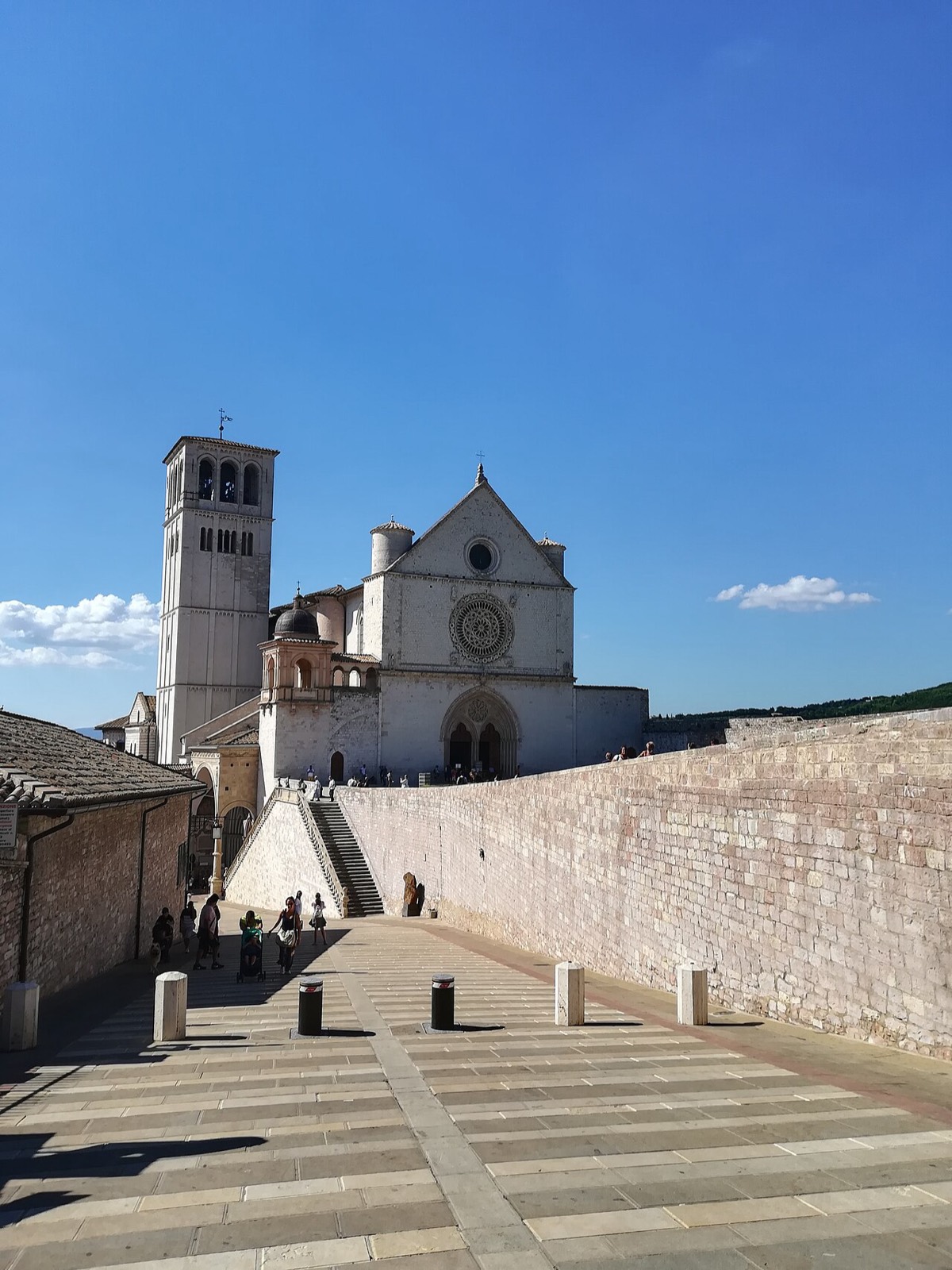
Basilica of Saint Francis of Assisi
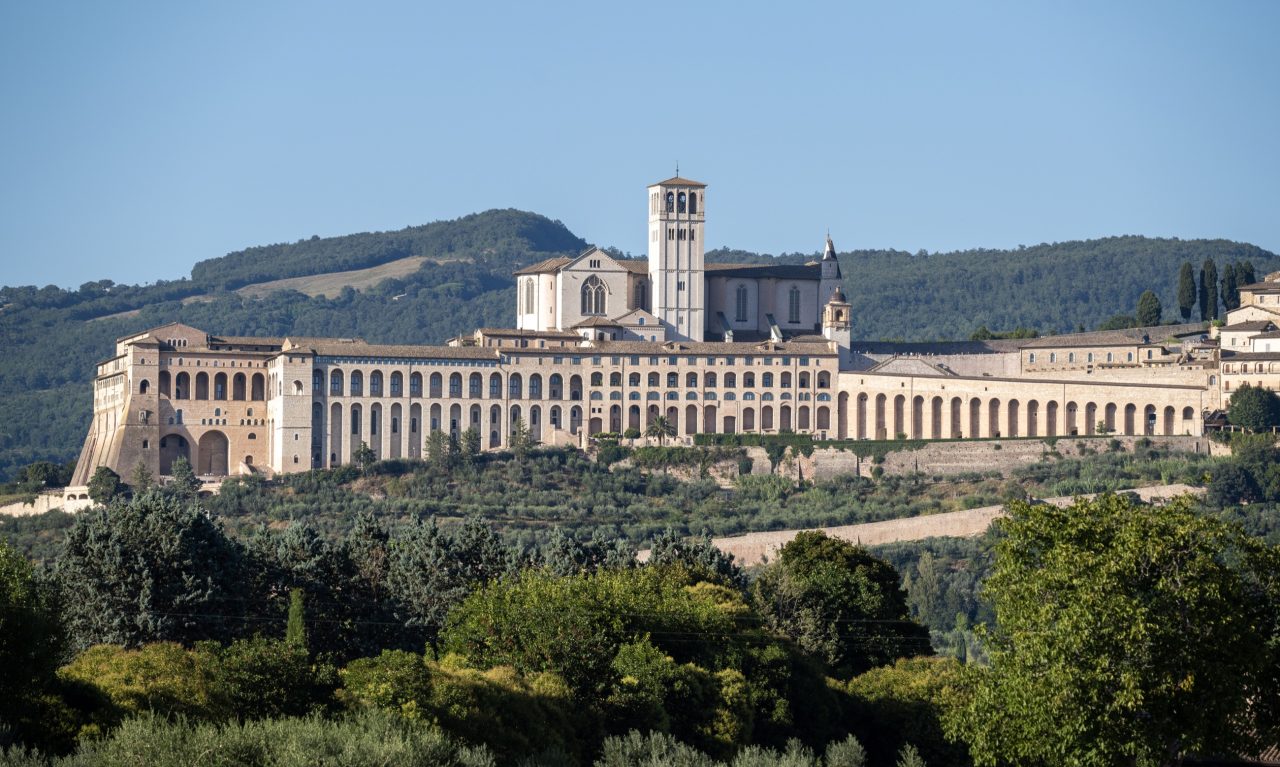
The church built above this crypt, in two levels, holding the fresco cycles that made Assisi a destination for reasons beyond pilgrimage.
How we hold this record
The tomb of Francis is not a contested identification. The basilica was built over the grave, the Franciscan community has held it without interruption since 1230, and the custodians describe the tomb plainly. This record follows their description rather than improving on it.
- Official Custodia Generale del Sacro Convento di San Francesco dei Frati Minori Conventuali, the custodian of the basilica, which publishes access to the church and the tomb. Linked below.
- Official The Franciscan description of the tomb as a simple stone sarcophagus enclosed within the pillar beneath the main altar of the lower church.
- Historical The body of Francis was transferred to the basilica built in his honour in 1230, four years after his death in 1226.
- Historical The crypt in which the tomb is visited today was carved into the solid rock in 1820, after excavation reached the grave again in the early nineteenth century.
- Historical Four companions, Leo, Masseo, Rufino and Angelo, are buried in the corner niches; Jacopa de' Settesoli lies between the two access staircases.
- Careful note Hours for the upper church, lower church and tomb differ and change with season and liturgy. This record points to the official site rather than fixing a schedule in prose. Last reviewed 11 August 2026.
No claim is made here about the condition of the remains, and the tomb is not opened.
Public access varies with liturgy, security, and (where noted) reservation requirements. The official sources above should be consulted for current access before planning around it.